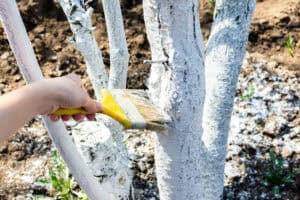
Sunscald and Bark Damage Trees DFW
Protect Your Trees from Sunscald and Bark Damage As May arrives in the Dallas-Fort Worth area, homeowners begin to enjoy …

(Reticulitermes flavipes)

Locally owned and family operated, proudly serving North Texas. Get your free, no-obligation quote. Or call (972) 521-1552.
Free QuoteNesting deep within the soil, subterranean termites have perfected the art of underground living. These highly organized, social insects rely on the ground as both a fortress and a resource, shielding their colonies from predators, temperature extremes, and drought. The soil's natural moisture helps regulate humidity levels within their tunnels, creating an ideal environment for survival and reproduction. This hidden lifestyle is part of what makes subterranean termites so difficult to detect until extensive damage has already taken place.
Unlike drywood or dampwood termites, subterranean termites must maintain a close connection to moisture sources. They build intricate mud tubes that act as protected highways between their underground nests and above-ground food sources, such as wooden foundations, decking, or fence posts. These tubes prevent dehydration and allow termites to travel undetected through cracks in foundations or beneath mulch and landscaping materials.
Subterranean termites feed primarily on cellulose, the organic fiber found in wood, paper, cardboard, and other plant-based materials. In nature, their ability to break down decaying vegetation plays a critical ecological role: returning nutrients to the soil and promoting healthy decomposition. However, when these same behaviors shift toward homes, sheds, and business structures, the outcome can be devastating.
In North Texas, subterranean termites are among the most destructive pest species due to the region's warm climate, mild winters, and occasional heavy rains that keep soil conditions ideal for year-round termite activity. Once a colony establishes itself, it can number in the hundreds of thousands and cause structural damage before any visible signs appear. Common red flags include warped wood, bubbling paint, hollow-sounding walls, or the appearance of small mud tunnels near foundations.
Because infestations often remain hidden until severe damage occurs, professional termite inspections and all pest services, with a focus on total lawn and pest protection, are crucial for early detection and prevention. Pest control experts use advanced tools, like moisture meters, thermal imaging, and baiting system sto locate termite colonies and stop their spread before repairs become costly. Regular monitoring and soil treatments create long-term protection for both residential and commercial properties.
For property managers, business owners, and homeowners, investing in preventive care is far more cost-effective than repairing termite-related destruction. With specialized treatment plans tailored to your property type and risk level, professional pest control helps maintain structural integrity, safety, and peace of mind, keeping subterranean termites where they belong: underground and out of your home.
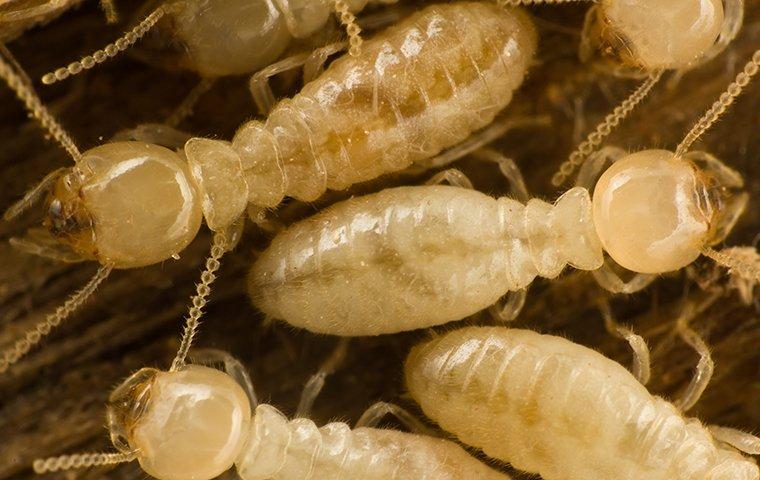
While subterranean termites aren't directly harmful to people or pets; they don't bite, sting, or spread disease, the damage they cause to property can be devastating. These pests pose one of the most serious threats to homes and businesses across North Texas, silently eating away at the wooden framework that supports floors, walls, and roofing. Because subterranean termites live underground and feed from the inside out, most property owners don't realize there's a problem until the infestation is advanced and repairs are already costly.
Unlike pests that are easy to spot, subterranean termites operate in complete secrecy. They build hidden tunnels through soil, foundation cracks, and expansion joints, emerging only to feed within wooden structures. Over time, this constant feeding weakens key load-bearing elements, compromising structural safety. In extreme cases, termite infestations can render parts of a building unsafe or uninhabitable until repairs are made.
The economic impact of subterranean termites is staggering. According to the U.S. Department of Agriculture, termites cause billions of dollars in property damage annually, with subterranean species responsible for the vast majority of those losses. In Texas, where the climate offers ideal year-round conditions for termite activity, these insects are particularly destructive. Warm temperatures, humidity, and frequent rainfall create the perfect environment for colonies to thrive, often just inches below the surface.
For North Texas property owners, the danger of subterranean termites isn't about personal safety; it's about protecting your investment. Preventive care, soil barrier treatments, and regular monitoring from a trusted local expert like Trees Hurt Too can save thousands in repairs and provide peace of mind knowing your home or business is safeguarded from one of nature's most relentless destroyers.
If you're noticing signs of termite activity around your property, it's usually because your environment is providing exactly what subterranean termites need to thrive: food, moisture, and shelter. These pests are not random invaders; they are opportunistic builders that seek out ideal conditions for long-term survival. Once they find a suitable habitat, they can establish colonies containing tens of thousands, even millions, of termites, working together to feed and expand their underground network.
The primary draw for subterranean termites is access to cellulose, the organic compound found in wood and other plant material. In nature, their role is beneficial: they break down fallen trees and decaying wood, returning nutrients to the soil. However, when your yard or structure offers similar resources, the same behavior quickly becomes destructive. Termites don't distinguish between a rotting stump and your home's foundation beams; to them, it's all just food.
The subterranean termite problem is intensified by the regional climate patterns we face in North Texas. Warm temperatures and intermittent rainfall keep soil moisture levels high, which supports active termite colonies nearly year-round. Even during periods of drought, subterranean termites can survive deep underground, emerging again when rainfall returns.
Because a single colony can consume pounds of wood each year, early identification is key. You might not see the insects themselves, but you may notice small mud tubes along your foundation, soft or hollow wood, or discarded wings from termite swarmers in spring or after rain.
Subterranean termites live in the soil, where they build extensive networks of tunnels and chambers to protect their colony and maintain the moisture they need to survive. Because they depend so heavily on the ground for both food and shelter, they are most commonly found in areas where wood and soil meet. These hidden insects prefer to stay out of the open, which is why their presence often goes unnoticed until the damage is already significant.
Around a home or business, subterranean termites are often found in areas with consistent moisture or wood-to-ground contact. Common hiding spots include tree stumps, wooden fence posts, buried construction debris, deck supports, landscape timbers, and crawl spaces. Once inside, they continue to move through small cracks in the foundation, plumbing openings, or expansion joints, gradually working their way toward the wood that supports floors, walls, or ceilings.
One of the most distinctive signs of subterranean termite activity is the presence of thin mud tubes. These pencil-sized tunnels run along foundation walls, piers, or other surfaces, allowing the insects to travel between their underground nests and the wood they are feeding on. The mud tubes not only protect the termites from predators but also help maintain the humid conditions they require to survive.
Inside a structure, subterranean termites typically feed on soft wood between the grain, leaving behind a thin outer layer that can make wood appear solid even when it has been hollowed out. Over time, this hidden feeding weakens structural supports and can cause doors or windows to stick, floors to sag, or walls to buckle.
Properties surrounded by mature trees, mulch, or overgrown landscaping are especially attractive to termites. The natural shade and moisture retention create favorable environments for nesting. In North Texas, where clay soils tend to hold water and temperatures remain warm for much of the year, these conditions can persist season after season, giving termite colonies plenty of opportunity to expand.
Regular inspections by a trained pest control specialist are the most effective way to locate termite activity before it spreads. Professionals use specialized tools to detect moisture buildup, hidden tunnels, and early feeding damage. With comprehensive pest control services that include soil treatments, baiting systems, and preventive monitoring, property owners can ensure that termites remain underground, where they belong, instead of inside their structures.
Eliminating subterranean termites requires more than simply removing the visible signs of damage. Because these insects live deep underground and within the wooden structures they feed on, the majority of their activity happens out of sight. Successful termite removal depends on identifying the full extent of the infestation, locating the colony, and applying targeted treatments that reach every part of their hidden network.
Subterranean termite colonies are complex and can contain thousands or even millions of individuals. Worker termites travel long distances through the soil to reach food sources, while the queen and reproductive members remain safely protected in the colony's central nest. This makes over-the-counter or do-it-yourself treatments largely ineffective. Even if some termites are eliminated, the rest of the colony can quickly repopulate and continue causing damage.
Professional termite control begins with a thorough inspection of the property. Trained technicians look for moisture issues, mud tubes, damaged wood, and other indicators of active or previous infestations. Once the problem is identified, they develop a customized plan based on the layout, construction type, and surrounding environment of the property.
There are several proven methods professionals use to remove subterranean termites:
The most effective approach often combines these methods, along with ongoing monitoring to ensure the colony does not return. This type of integrated protection is especially important in North Texas, where warm weather and frequent moisture provide ideal conditions for termite survival year-round.
Partnering with Trees Hurt Too ensures that every treatment is applied safely, effectively, and tailored to your specific needs. Our licensed professionals specialize in both residential and commercial pest control across our service areas, using advanced methods to eliminate active infestations and prevent future ones. We also identify potential vulnerabilities around your property like wood-to-soil contact or drainage issues, and provide practical, science-based solutions to reduce the risk of reinfestation year-round.
Preventing subterranean termites begins with understanding what attracts them in the first place. Since these insects rely on moisture, shelter, and easy access to food sources, the most effective prevention methods focus on removing those conditions around your property. A few strategic adjustments, combined with regular professional monitoring, can make your home or business far less appealing to termites.
The first step is managing moisture. Subterranean termites thrive in damp environments, so keeping soil and wood dry is essential. Make sure gutters and downspouts are clean and direct water away from the foundation. Repair leaky outdoor faucets, irrigation lines, and air conditioning units that may cause water to pool near the base of the structure. Inside, fix any plumbing leaks promptly and use dehumidifiers in basements or crawl spaces if humidity levels remain high. Look for soil moisture solutions that will help.
Next, eliminate opportunities for wood-to-soil contact. Wooden fences, decks, posts, or siding that touch the ground provide direct access points for termites. When possible, use concrete supports or metal flashing to create a barrier between wood and soil. Firewood, mulch, and lumber piles should be stored several feet away from buildings and elevated off the ground. Even small details, such as wooden landscape borders or buried construction debris, can attract termites if left unchecked.
Good landscape maintenance also plays an important role. Trim shrubs, trees, and plants so they do not trap moisture near the foundation. Avoid piling mulch thicker than a few inches, and leave a visible gap between the soil line and any wooden parts of your home. Periodically inspect tree stumps, fallen branches, and wooden retaining walls for signs of termite activity, especially after periods of rain.
Regular professional inspections are the most reliable way to stay ahead of potential infestations. Pest management experts use specialized tools to detect early signs of termite activity long before they become visible. Annual inspections, combined with preventive treatments such as soil barriers or baiting systems, provide ongoing protection and peace of mind.
For properties in North Texas, where the climate remains warm and humid for much of the year, preventive maintenance is particularly important. Subterranean termites can stay active year-round in these conditions, so a single untreated season can allow colonies to establish and grow unnoticed. Partnering with a trusted local company that provides residential and commercial pest control ensures that your property is continuously monitored and protected.
The best way to prevent subterranean termites is through a proactive, year-round approach that focuses on inspection, maintenance, and professional care. By reducing the factors that attract termites and maintaining protective treatments, you can safeguard your home or business from the costly damage these hidden insects are known to cause.
Explore our pest library to identify local pests, understand their behaviors, and discover expert solutions tailored for Texas homes and landscapes. Here are a few North Texans' face:
Stay informed about lawn care, tree care and pest related issues in your area!
Protect Your Trees from Sunscald and Bark Damage As May arrives in the Dallas-Fort Worth area, homeowners begin to enjoy …

Why Trees Drop Leaves in May in the Dallas-Fort Worth Area If you’ve noticed leaves scattered across your lawn in …
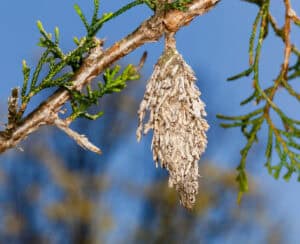
Identify and control bagworms before they damage your North Texas trees and shrubs this season.