Sunscald and Bark Damage Trees DFW
Protect Your Trees from Sunscald and Bark Damage As May arrives in the Dallas-Fort Worth area, homeowners begin to enjoy …

(Siphonaptera | Ixodida)

Locally owned and family operated, proudly serving North Texas. Get your free, no-obligation quote. Or call (972) 521-1552.
Free QuoteFleas and ticks are both biting pests that often view our Tarrant County, Texas yards as a place they can call home. Both are wingless and move most efficiently on the backs of their animal hosts. Blood from warm-blooded animals is the sole source of food for fleas and ticks.
Though the fleas and ticks in our area have descriptive names like cat flea, dog flea, and brown dog ticks, they all feed on a variety of hosts. Mice, squirrels, raccoons, foxes, skunks, dogs, and cats are all animals that fleas and ticks use as hosts to feed on. Both fleas and ticks will also feed on people, if we are available to them. At Trees Hurt Too, we include these biting pests as a comprehensive part of our all pest services, giving homeowners the peace of mind that comes with complete coverage.
Fleas are insects and are brownish-red or dark brown. Their oval-shaped body is flattened from side to side and covered in a hard-shell to protect these tiny pests from being squished. Fleas have six legs and tube-like mouthparts.
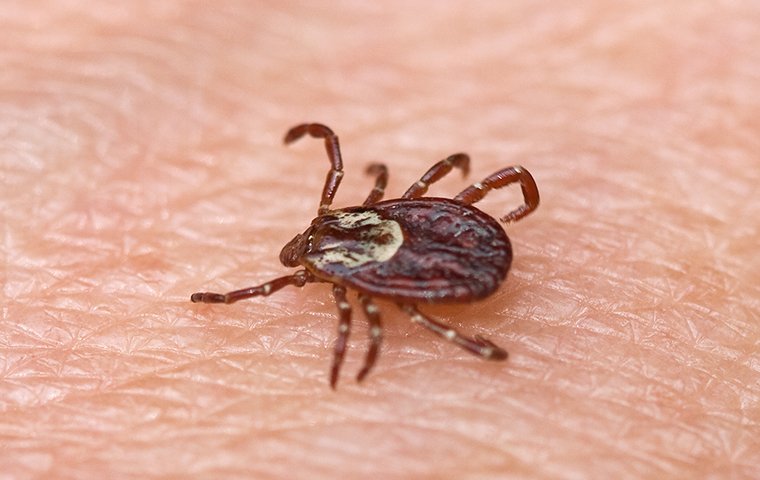
Ticks are a type of arachnid, so adults have eight legs and two body parts. The ticks that we most often come into contact with have a soft, oval-shaped body with a small rigid plate on their back behind the biting mouthparts (head).
Fleas and ticks are far more than just annoying pests; they pose real health risks to both people and pets. Once they infest a property, they can be extremely difficult to eliminate, and without proper treatment, their populations can grow quickly.
Fleas are known carriers of several parasites and pathogens. One of the most common issues they cause is the transmission of tapeworms, which pets can contract after accidentally ingesting an infected flea. Additionally, some pets and people are allergic to flea saliva. In these cases, even a single bite can trigger intense itching, skin irritation, and in some cases, widespread allergic dermatitis. Persistent scratching at bite sites often leads to open wounds and secondary infections, further complicating recovery.
Ticks present even greater risks, as they are significant vectors of disease. By feeding on the blood of their hosts, ticks can transmit a variety of dangerous pathogens. In Texas and across the U.S., tick bites have been linked to serious illnesses such as Lyme disease, Rocky Mountain spotted fever, ehrlichiosis, and anaplasmosis. Pets, particularly dogs, are also at risk for diseases like canine ehrlichiosis and babesiosis. These illnesses can cause long-term health problems if not identified and treated quickly.
Because fleas and ticks thrive in shaded, grassy, and overgrown areas, their presence in your yard creates a constant threat to anyone spending time outdoors. Protecting your property from these pests is essential, not just for comfort, but for the health and safety of your entire household.
If you're dealing with fleas or ticks in your yard, you're not alone, these pests are common throughout North Texas and can quickly turn a comfortable outdoor space into a hotspot for infestations. Understanding how they get onto your property and why they thrive there is the first step toward eliminating them.
How They Arrive:
Fleas and ticks are almost always introduced by a host. Wild animals such as squirrels, raccoons, opossums, skunks, and stray cats or dogs often carry them into residential areas. Once these pests hitch a ride onto your property, your own pets can easily become secondary hosts, allowing fleas and ticks to spread even further.
Why They Stay:
Your yard offers the perfect environment for these pests to survive and reproduce. Grass, shrubs, leaf litter, and shaded areas all provide the damp, humid conditions that fleas and ticks need to complete their life cycles. Flea eggs can fall off a host into the soil, where they hatch and develop into larvae, pupae, and eventually new biting adults. Ticks, on the other hand, will climb up onto blades of grass or plant stems and patiently wait for a passing host; whether it's a pet, wildlife, or even you, to latch onto for a blood meal.
The Ongoing Cycle:
Once established, flea and tick populations can grow rapidly. Female fleas can lay dozens of eggs in a single day, while ticks can survive for months waiting for the right host. Without intervention, your property can quickly become overrun, putting both your pets and family members at risk for bites, irritation, and potential disease transmission.
This is why professional treatments, along with consistent lawn maintenance, are key. By targeting both the pests and the environmental conditions that support them, you can break the cycle and prevent re-infestations.
Warm, humid weather creates the perfect environment for fleas and ticks to thrive. In Texas, these pests remain active for much of the year, typically from early spring well into late fall, making them a persistent concern for both homeowners and pet owners. Unlike some insects that die off or become dormant in cooler weather, fleas and ticks can continue reproducing as long as the climate stays mild, allowing populations to quickly multiply in favorable conditions.
Fleas often settle in dark, moist areas of our yards, where they can find the shelter and humidity they need to survive. Leaf piles, tall grass, shrubbery, brush piles, and the shaded ground beneath decks or porches all provide prime hiding spots. In these areas, flea eggs and larvae can develop in the damp soil, creating a continuous cycle of new adults waiting for a host to pass by. If you have pets that spend time outside, they are at particular risk of picking up fleas in these environments.
Ticks, on the other hand, prefer slightly different habitats. They thrive along the edges of wooded areas, brushy pathways, tall grasses, and beneath layers of fallen leaves where the air is cooler and more humid. Because ticks are "ambush" parasites, they often climb to the tips of grass or shrubs, waiting for a human, pet, or wild animal to brush past so they can latch on. In rural areas or even suburban neighborhoods with greenbelts, trails, or heavily wooded backyards, ticks can easily establish themselves and pose a threat to anyone spending time outdoors.
Understanding where fleas and ticks live and breed is the first step in protecting your home, pets, and family. By being aware of these high-risk areas, you can take preventive steps such as regular yard maintenance, trimming overgrown vegetation, and working with a professional pest control service to reduce these hidden habitats and minimize the chance of an infestation.
Fleas and ticks can be difficult to eliminate once they've established themselves, which makes prevention the best strategy. By creating a less inviting environment in your yard and taking proactive steps to protect your pets, you can significantly reduce the risk of an infestation.
Here are some effective prevention tips to keep fleas and ticks away from your home and family:
Taking these simple but effective steps will help protect your home, yard, and pets from fleas and ticks year-round. Prevention not only gives you peace of mind but also saves time, money, and frustration compared to dealing with a full-blown infestation later.
Professional flea and tick control is the most effective way to eliminate active infestations in North Texas. Targeted yard treatments focus on areas where fleas and ticks hide, such as shaded turf, shrub lines, and leaf litter. At Trees Hurt Too, we use science based applications that treat every stage of the pest life cycle to help restore comfort and protect your family and pets.
In Tarrant County, fleas and ticks are active from early spring through late fall, and during mild winters they may remain active year round. Warm temperatures and humidity create ideal breeding conditions, which is why preventative treatments are important before peak season begins.
When applied by trained professionals, flea and tick control treatments are designed to be safe for families and pets. We use carefully selected products and apply them strategically to minimize exposure while maximizing effectiveness. Our team provides clear guidance on reentry times for added peace of mind.
Fleas and ticks are commonly introduced by wildlife such as raccoons, squirrels, opossums, and stray animals. Pets can also bring them into your yard after visiting parks, trails, or greenbelt areas. Once established, they reproduce quickly in shaded, humid environments common throughout North Texas landscapes.
Yes, both fleas and ticks are known carriers of serious illnesses. Ticks in Texas can transmit diseases such as Lyme disease and Rocky Mountain spotted fever, while fleas can spread parasites and trigger allergic reactions. Professional pest control reduces the risk of bites and potential disease transmission.
The timeline depends on the severity of the infestation. Because fleas have multiple life stages, effective control typically requires an initial treatment followed by scheduled follow up services. Consistent applications help break the reproductive cycle and prevent reinfestation.
Due to the extended warm season in North Texas, year round monitoring and seasonal treatments are strongly recommended. Even during cooler months, mild weather can allow populations to survive and rebound quickly when temperatures rise.
High risk areas include shaded turf, dense shrubbery, leaf piles, fence lines, and areas where pets rest. Properties near wooded spaces, walking trails, or water sources in Arlington and surrounding communities are especially vulnerable to recurring infestations.
Maintaining a pest free yard enhances outdoor comfort, protects pets, and improves overall landscape health. For homeowners in competitive Tarrant County neighborhoods, professional pest control contributes to a well maintained property that supports long term value.
Local expertise matters. A Tarrant County based company understands regional pest pressures, soil conditions, and seasonal weather patterns. Trees Hurt Too provides customized flea and tick control programs designed specifically for North Texas properties, ensuring more reliable and lasting results.
The best way to stop fleas and ticks from overtaking your yard is to partner with a professional. At Trees Hurt Too, Inc., we know how stressful it is to deal with biting pests that threaten your family and pets. That's why we provide science-based treatments that eliminate fleas and ticks at every stage of their life cycle, restoring comfort and safety to your outdoor spaces.
Our locally-owned company uses natural products as part of a broader strategy for total lawn and pest protection. By targeting both the insects and the environments where they breed, we ensure long-term results instead of temporary relief.
Serving homeowners and businesses throughout Arlington and nearby service areas, we combine local expertise with customized care to keep properties pest-free year-round. To learn more about our flea and tick control services, contact Trees Hurt Too today.
Explore our pest library to identify local pests, understand their behaviors, and discover expert solutions tailored for Texas homes and landscapes. Here are a few North Texans' face:
Stay informed about lawn care, tree care and pest related issues in your area!
Protect Your Trees from Sunscald and Bark Damage As May arrives in the Dallas-Fort Worth area, homeowners begin to enjoy …

Why Trees Drop Leaves in May in the Dallas-Fort Worth Area If you’ve noticed leaves scattered across your lawn in …
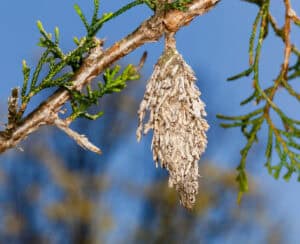
Identify and control bagworms before they damage your North Texas trees and shrubs this season.