
Sunscald and Bark Damage Trees DFW
Protect Your Trees from Sunscald and Bark Damage As May arrives in the Dallas-Fort Worth area, homeowners begin to enjoy …


Locally owned and family operated, proudly serving North Texas. Get your free, no-obligation quote. Or call (972) 521-1552.
Free QuoteMosquitoes are more than just an annoyance, they're a real health concern for families throughout Tarrant County. These pests thrive in our North Texas long, humid seasons and unpredictable rain patterns, creating ideal breeding conditions. Just one heavy rainfall followed by warm, stagnant air can trigger a mosquito population boom seemingly overnight, turning your backyard into a prime biting zone.
At Trees Hurt Too Inc., we go beyond traditional pest control services by providing targeted mosquito management as part of our comprehensive lawn care programs. Our team understands how quickly mosquitoes can multiply and how essential it is to address them at every stage of their life cycle. That's why we use In2Care mosquito traps, an advanced and eco-friendly solution that targets larvae and adult mosquitoes simultaneously. Unlike traditional sprays that can harm beneficial insects or leave residue, these traps work quietly and safely within your landscape to stop mosquitoes where they breed.
Our mosquito control is designed to integrate seamlessly with your overall tree and shrub care plan. Healthy, well-maintained landscapes are less prone to standing water and debris buildup, which are prime mosquito habitats. By combining mosquito prevention with professional tree and shrub care, you're creating a stronger, more balanced ecosystem around your home, one that naturally discourages pests and promotes healthier growth across your property.
At Trees Hurt Too Inc., our mission is simple: to give you back your yard so you can relax, entertain, garden, and enjoy your space mosquito-free. Our family-safe treatments protect your loved ones, pets, and plants while maintaining a thriving, pest-free environment. Whether you're looking for ongoing mosquito management or a full-service lawn care program, we provide sustainable, science-backed solutions tailored to North Texas conditions.
Mosquitoes are more than just irritating, they're dangerous. Tarrant County, including cities like Arlington, Fort Worth, and North Richland Hills, regularly experiences mosquito outbreaks due to humid summers and mild winters. These conditions allow mosquito populations to thrive almost year-round.
Mosquitoes in Tarrant County may carry serious diseases:
Even small puddles left by sprinkler systems or rain can harbor hundreds of larvae. That's why proactive mosquito control is essential, not optional, for North Texas homeowners.
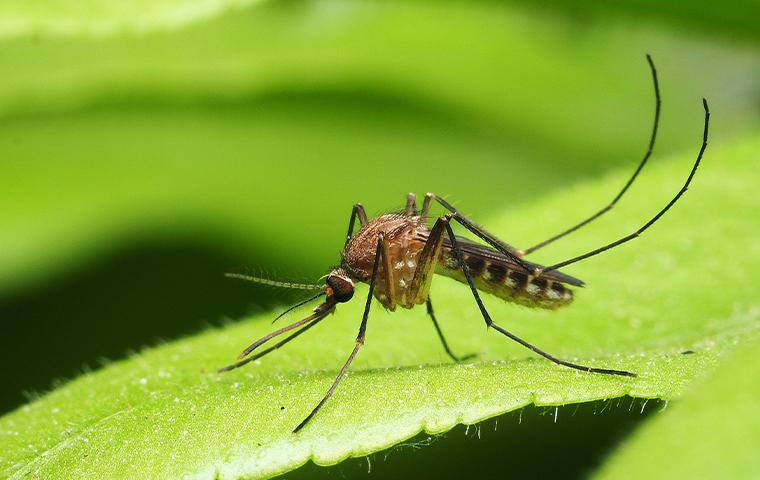
Fortunately, our experts at Trees Hurt Too Inc. can keep your property safe from a scourge of mosquito colonies with a proven approach that targets both the insects and the environment that sustains them. Mosquito control isn't just about applying treatments; it's about understanding how your yard functions as a whole ecosystem. That's where our team excels. We don't just eliminate pests; we protect and strengthen your landscape so it stays beautiful, balanced, and resilient.
Would you rather rely on a pest control company that focuses only on treating your home's perimeter? Or would you prefer to partner with lawn care professionals who understand every inch of your outdoor environment, from your turf and trees to the drainage and shaded areas where mosquitoes breed? When you choose Trees Hurt Too Inc., you're working with a team that takes the bigger picture into account.
Our ongoing mosquito protection program combines science-backed prevention with landscape health management. We strategically place In2Care mosquito traps in discreet, effective locations that interrupt the mosquito life cycle before populations can grow. At the same time, we monitor conditions like standing water, overgrown shrubs, and dense vegetation that can attract these pests. Our integrated approach means that your lawn, shrubs, and trees not only stay pest-free but also continue to thrive throughout the season.
By enlisting the expert mosquito protection services of Trees Hurt Too Inc., you'll gain peace of mind knowing that your family, pets, and guests can enjoy your yard safely. You'll also be protecting your investment in your landscape, because every treatment we apply supports the long-term health of your vegetation. With our team on your side, you get more than mosquito control; you get a partner committed to the overall beauty and vitality of your property.
We don't believe in one-time sprays or generic treatment plans. Our structured mosquito control program is designed around your property's unique layout and risk zones.
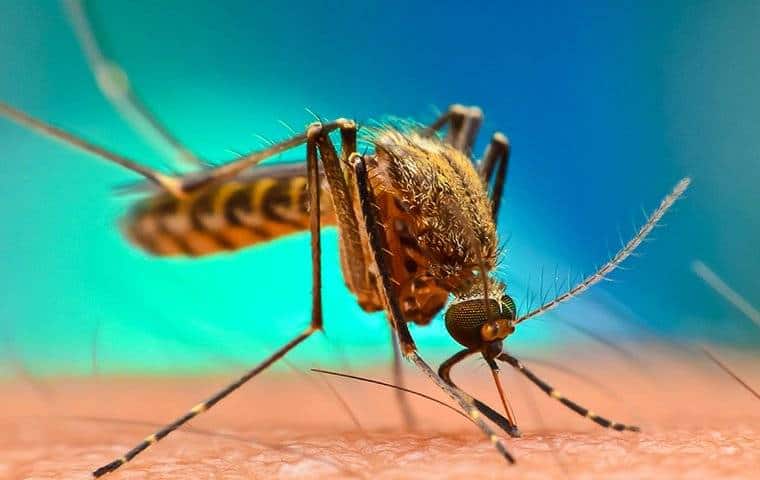
We perform a full walkthrough of your yard to identify mosquito hotspots, including:
Whether you're in Euless, University Park, or central Fort Worth, we tailor each inspection to fit your space.
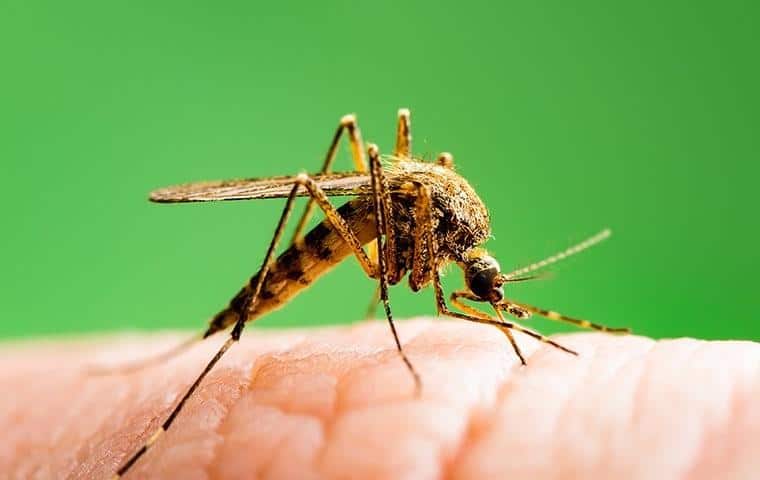
We strategically place In2Care mosquito traps that:
This method stops mosquitoes at the larval and adult stage, providing biological, low-impact protection.
Every 4–6 weeks, we return to:
This continuous service ensures coverage throughout Tarrant County's long mosquito season, even during cooler months when mosquitoes remain active.
With Trees Hurt Too Inc., you get more than protection, you get peace of mind. Our service is designed with families, pets, and your landscape in mind.
We're not just pest control experts; we're lawn health specialists. As a local, family-run business, we treat mosquito control as part of your overall outdoor wellness plan.
With over a decade of experience serving North Texas, we've become a trusted name in mosquito treatment that actually works.
You deserve to enjoy your yard without the constant buzz and bite of mosquitoes. At Trees Hurt Too Inc., we deliver a custom plan that's eco-friendly, effective, and backed by proven science.
Schedule your FREE inspection today. You'll get straightforward answers: no hidden fees, no long-term contracts, just relief.
Call (972) 521-1552 or Request Your Free Quote
Mosquito control shouldn't be reactive, it should be routine. And with Trees Hurt Too, it's never been easier.
Tarrant County's long warm seasons, humidity, and irregular rainfall create ideal mosquito breeding conditions. Even brief rainstorms can leave behind standing water where mosquitoes reproduce rapidly. Mild winters also allow mosquito populations to survive longer than in other parts of the country, making them active almost year-round in cities like Arlington, Fort Worth, and Euless.
Local mosquito species may transmit serious illnesses, including:
In2Care traps lure egg-laying mosquitoes into a discreet station where they pick up a naturally derived larvicide and a fungus that affects adult mosquitoes. When the mosquito leaves, she spreads these agents to other breeding areas. This method stops mosquitoes at both the adult and larval stages without spraying chemicals across your yard.
Yes. In2Care traps are designed to be family-friendly and environmentally safe. There is no airborne chemical, no fogging, and no risk of exposure to children or pets. The trap works only where mosquitoes breed, leaving the rest of your landscape undisturbed.
Our team visits your property every 4–6 weeks to refill the larvicide, refresh the fungal agents, monitor mosquito activity, and reposition traps if needed. This ensures ongoing protection throughout Tarrant County's long mosquito season.
Yes. When mosquito management is paired with healthy tree and shrub care, your landscape becomes less attractive to pests overall. Dense vegetation, clogged gutters, and debris buildup can trap moisture and create breeding sites. Our integrated approach improves plant health and reduces environmental conditions that mosquitoes rely on.
Typically, no. One-time sprays only target adult mosquitoes and often miss hidden breeding sites. They can also affect beneficial insects like bees. In contrast, In2Care traps work continuously and target larvae, which prevents future populations from emerging. For Tarrant County's climate, long-term population control is much more effective than temporary sprays.
Most homes need one trap per 4,000 square feet. During your inspection, our team calculates coverage based on shade, vegetation density, drainage, and mosquito pressure. Larger or more heavily shaded properties may require multiple stations for full protection.
Homeowners can support treatment by:
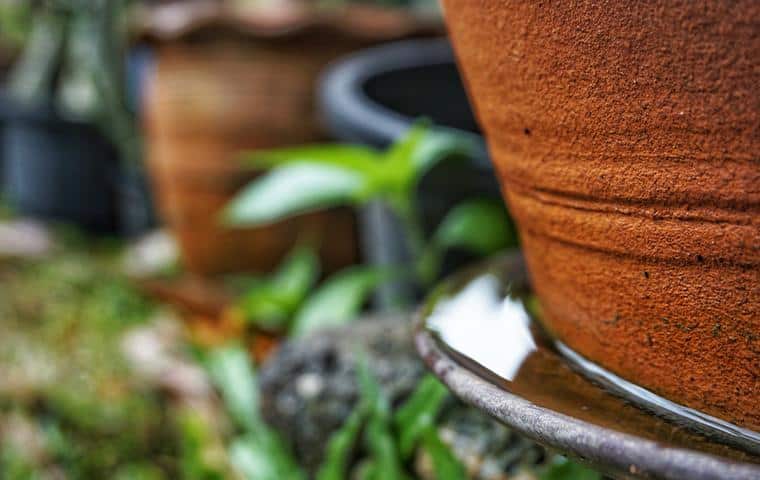
Absolutely. Mosquitoes can lay eggs in as little as a bottle cap of water. Sprinkler overspray, planter saucers, toys, tarps, and even tree hollows can support hundreds of larvae. That's why professional inspection is so important for Tarrant County homes.
No. Unlike basic pest control companies that focus solely on the foundation line, we evaluate your entire landscape. Mosquito breeding typically occurs in shaded, low-lying, or vegetated areas; not near the house. Our property-wide approach is what makes our treatment more effective and longer-lasting.
Most homeowners see a significant reduction within 2–3 weeks as the mosquito life cycle is interrupted. Continued service ensures populations stay low throughout the season.
Yes. In North Texas, mosquito activity can persist anytime temperatures rise above 50°F. Warm spells during fall, winter, and early spring often trigger fresh activity. Keeping traps active prevents early-season outbreaks.
We are more than pest control technicians; we're lawn, tree, and landscape health professionals. We understand how your yard functions as an ecosystem, which allows us to target mosquitoes more effectively. Clients choose us because we offer:
You may have increased risk if your property has:
You can call (972) 521-1552 or request a FREE quote online. We'll evaluate your property, provide recommendations, and outline a custom plan based on your home's layout and mosquito pressure.
Stay informed about lawn care, tree care and pest related issues in your area!
Protect Your Trees from Sunscald and Bark Damage As May arrives in the Dallas-Fort Worth area, homeowners begin to enjoy …
Why Trees Drop Leaves in May in the Dallas-Fort Worth Area If you’ve noticed leaves scattered across your lawn in …
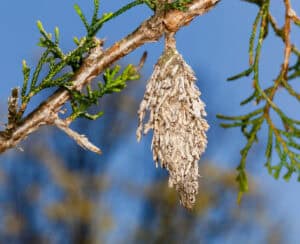
Identify and control bagworms before they damage your North Texas trees and shrubs this season.