

Sunscald and Bark Damage Trees DFW
Protect Your Trees from Sunscald and Bark Damage As May arrives in the Dallas-Fort Worth area, homeowners begin to enjoy …


Locally owned and family operated, proudly serving North Texas. Get your free, no-obligation quote. Or call (972) 521-1552.
Free QuoteSubterranean termites are the most common, and the most destructive, type of termite affecting homes and businesses throughout Arlington and nearby service areas. At Trees Hurt Too, Inc., we provide specialized solutions for the detection, treatment, and prevention of these hidden wood-destroyers as part of our all pest services with total lawn and pest protection, designed to safeguard your property.
Our termite control program is customized specifically for subterranean termites, protecting your structure from their moisture-driven habits and the silent damage they cause beneath the surface. Whether you've already noticed signs of infestation or simply want to prevent costly future problems, our environmentally responsible treatments deliver lasting protection and peace of mind.
Subterranean termites are social insects that build extensive colonies beneath the ground. These termites rely on soil moisture and create mud tubes to access food sources without exposing themselves to open air. Their preferred food is cellulose, which is found in wood, paper, and other plant-based materials.
In nature, they help decompose organic matter. Around homes, however, they become highly destructive, compromising structural integrity and leading to costly repairs.
Though not harmful to humans or pets directly, subterranean termites cause billions of dollars in property damage each year across the United States. Texas is no exception.
Because they remain hidden underground or within wooden structures, property owners often don't notice them until significant damage has occurred.
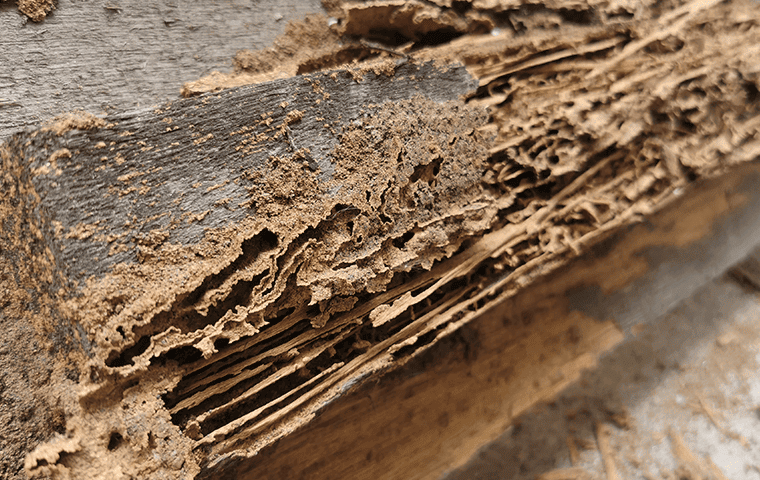
Subterranean termites thrive in damp environments and feed on untreated or decaying wood in direct contact with soil. If your home or business has any of the following conditions, you may already be at risk:
Worker termites are always foraging. A single colony can include hundreds of thousands to millions of members, all working around the clock to feed.
Unlike ants or cockroaches, subterranean termites are rarely seen in the open. They maintain a humid environment by traveling through mud tubes they build along foundations, support beams, and walls.
Catching a termite swarm is a key sign that a colony has matured and is expanding.
At Trees Hurt Too, Inc., our termite control process focuses solely on eliminating subterranean termites using environmentally safe, low-toxicity solutions. Our goal is to protect your property while minimizing the impact on your family, pets, and landscape.
We use industry-leading methods and offer a free consultation to determine your property's specific needs.
Schedule your inspection today by calling (972) 521-1552 or filling out our online form.
Preventive measures are crucial to keeping subterranean termites out of your home. Here are some expert tips to help protect your property:
By reducing moisture and limiting food sources, you make your property less attractive to termites.
Explore our pest library to identify local pests, understand their behaviors, and discover expert solutions tailored for Texas homes and landscapes. Here are a few North Texans' face:

Once you've scheduled an appointment at your earliest convenience, we'll conduct the free, thorough inspection. One of our licensed technicians will inspect in and around your home or business for any termite activity and/or conducive conditions.

We'll create a termite control plan to protect your property. Our termite control services eliminate active termite colonies that are already in your house, but they also include maintenance programs to keep termites out for the years to come.

Even if termites are not active in your structure at this time, it's wise to have regular inspections and even preventative treatments to keep termites from ever getting inside and to protect your home or business from the damage termites cause.
Over the years, we have mastered the safest and most effective methods in termite pest control. We've also discovered new ways to treat homes and businesses without harming the environment.
We are a family-owned business, so you can count on us to make your health and safety our top priority, especially when it comes to pest control service. We only hire local pest control service experts who understand the unique challenges of our community. pest control professionals who know Tarrant County.
Don't wait for termites and other pests to endanger your property and the people you care about. Contact Trees Hurt Too, Inc. today to learn more about our pest control services, including those for termites and fire ants, and schedule your free inspection.
Subterranean termites thrive in North Texas because of the region's warm climate, clay soil, and frequent moisture fluctuations. These conditions allow termite colonies to grow rapidly and remain active most of the year. In Tarrant County, homes and businesses with soil-to-wood contact, drainage issues, or older structural materials are especially susceptible. Because subterranean termites tunnel underground and work silently, most property owners don't see them until extensive damage has occurred.
Many infestations go unnoticed, but several signs can indicate termite activity. Mud tubes along the foundation, damaged or hollow-sounding wood, bubbling or peeling paint, and discarded wings from spring swarmers are strong indicators. Some homeowners also notice small amounts of soil inside wood cracks. Since subterranean termites avoid open air, any visible sign typically means the infestation has been active for a while.
Mud tubes are the protected travel pathways subterranean termites build to move between their colony and a food source. These tubes maintain humidity, which the termites must have to survive. Finding mud tubes along walls, beams, or your home's exterior foundation is one of the clearest signs that a colony is active and feeding on your property.
Moisture is the biggest attractant. Homes with poor drainage, leaky gutters, plumbing drips, standing water, or damp crawl spaces are at higher risk. Termites are also drawn to structural wood touching soil, wood mulch near foundations, decaying tree stumps, and firewood stored too close to the home. These conditions make it easier for termites to find food and maintain the humidity levels they need.
Subterranean termites do not bite, sting, or transmit diseases to humans or animals. Their danger lies in the structural damage they cause. Left untreated, they can compromise support beams, framing, flooring, and even the foundation of a structure. The financial impact of repairing termite destruction can be significant, which is why early detection and treatment are essential.
Our licensed technicians perform a comprehensive inspection of your property, checking foundations, crawl spaces, structural wood, soil contact points, and potential moisture issues. We look for evidence such as mud tubes, damaged wood, swarm wings, soil infiltration, and hidden entry points. This evaluation allows us to tailor a targeted treatment plan specifically for your property.
We specialize in environmentally responsible, low-toxicity treatments designed to eliminate subterranean termite colonies safely and effectively. Our program includes a detailed inspection, identification of activity, targeted applications around your structure, and long-term prevention strategies. Because we focus solely on subterranean termites for this service, our solutions are highly precise and customized.
Treatment effectiveness begins quickly, but full colony elimination may take several weeks depending on colony size and activity. Our methods work continuously, creating long-term protection by targeting termites where they travel and feed. With proper maintenance and prevention, treatment can keep your structure protected year after year.
You can significantly reduce your risk by managing moisture, removing wood debris, fixing leaks, improving drainage, and avoiding soil-to-wood contact. Replacing damaged siding, maintaining gutters, and using stone instead of wood mulch near the foundation also help. While these steps reduce attraction, professional monitoring and treatment remain the most reliable form of protection in Tarrant County.
Swarming typically occurs in early spring after warm rains. This is when winged reproductive termites leave the colony to form new ones. Finding swarmers or piles of shed wings inside or around your home is a sign that an established colony is nearby and requires immediate attention.
Yes. Commercial buildings with landscaping beds, irrigation systems, retaining walls, and structural wood near soil can be just as vulnerable. Businesses often have hidden moisture issues or undisturbed soil conditions that allow colonies to thrive. Early detection is important to avoid large-scale structural damage and costly repairs.
Scheduling is simple. Call (972) 521-1552 or fill out the online form on our website. We offer thorough inspections, expert recommendations, and tailored treatment plans to protect your home or business from subterranean termites.
Worried about termites destroying your property? We can help!
Stay informed about lawn care, tree care and pest related issues in your area!
Protect Your Trees from Sunscald and Bark Damage As May arrives in the Dallas-Fort Worth area, homeowners begin to enjoy …

Why Trees Drop Leaves in May in the Dallas-Fort Worth Area If you’ve noticed leaves scattered across your lawn in …
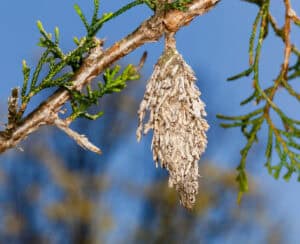
Identify and control bagworms before they damage your North Texas trees and shrubs this season.