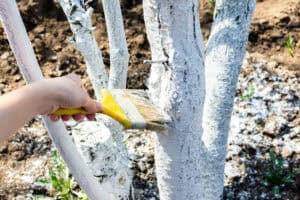
Sunscald and Bark Damage Trees DFW
Protect Your Trees from Sunscald and Bark Damage As May arrives in the Dallas-Fort Worth area, homeowners begin to enjoy …

(Araneae)

Locally owned and family operated, proudly serving North Texas. Get your free, no-obligation quote. Or call (972) 521-1552.
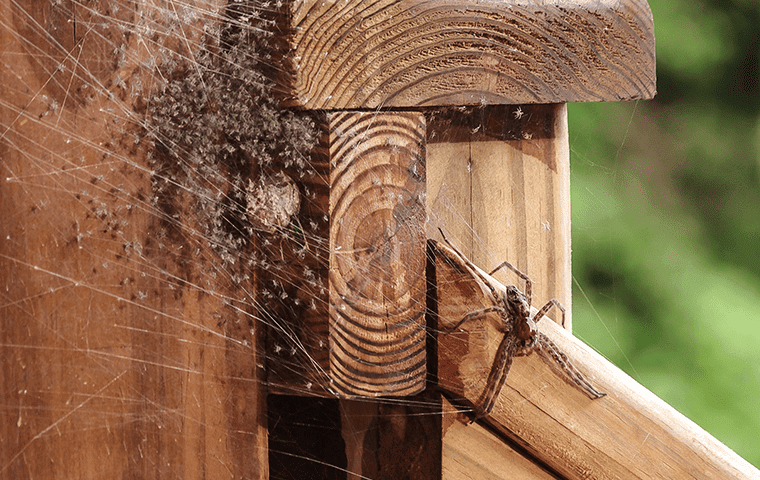
Free QuoteSpiders are a highly diverse group of arachnids, with tens of thousands of species found worldwide. Each has its own unique habits and survival strategies, but as a group, they share several defining features. Adult spiders have eight legs, multiple eyes, and fangs capable of injecting venom into prey, or into anything they perceive as a threat. They also produce silk from spinneret glands, which they use to build webs, capture food, and protect their eggs.
Spiders play an important role as natural predators, feeding on insects and even other spiders. In small numbers, they can actually help reduce pest populations. However, when spider populations grow out of control, they become unwanted intruders in homes and businesses
At that point, professional help is often needed. Companies that provide all pest services with total lawn and pest protection can address spider infestations effectively while also managing the insects that attract them in the first place.
When most Texans spot a spider, the first reaction is often alarm, but the truth is, the majority of spiders in Texas are harmless and even helpful. These eight-legged predators play an important role in controlling insect populations, feeding on flies, mosquitoes, beetles, and other pests that can cause real damage to your home and landscape. While their appearance might be unsettling, most species are shy, solitary hunters that prefer to avoid human contact altogether.
Spiders generally bite only when they feel threatened or trapped, such as when accidentally pressed against the skin. In most cases, a spider bite might cause minor redness, itching, or swelling that resolves on its own within a few days. However, what matters most is which type of spider delivered the bite. Certain species found in Texas: most notably the Black Widow (Latrodectus mactans) and the Brown Recluse (Loxosceles reclusa) are considered medically significant due to their potent venom. These spiders can trigger symptoms that may include severe pain, muscle cramps, fever, or skin necrosis, and their bites should always be treated as medical emergencies.
Fortunately, encounters with dangerous spiders are relatively rare. Most of Texas' spider species, including orb-weavers, jumping spiders, wolf spiders, and garden spiders, are non-aggressive and beneficial to have around. They act as a form of natural pest control, keeping insect populations balanced in your garden or lawn. In fact, removing too many of them can sometimes lead to an increase in unwanted insect activity.
If you suspect a spider bite and notice unusual symptoms like: spreading redness, blistering, or nausea, seek medical care right away. It's also wise to contact a local pest control professional who can perform an inspection and help you determine if dangerous species are present around your property.
For most homeowners, regular pest monitoring, lawn maintenance, and simple prevention steps; like sealing cracks, clearing debris piles, and keeping shrubs trimmed away from the home, are enough to keep spiders from moving indoors. Remember: the presence of a spider doesn't necessarily mean danger; it often means your yard is part of a healthy ecosystem where nature is doing its job.
In North Texas, it's nearly impossible to eliminate spiders entirely, and that's not necessarily a bad thing. Spiders are a natural part of our environment, thriving anywhere they can find shelter and a steady food source. The real issue arises when outdoor populations start to move closer to, or inside, your home or business.
Spiders live outdoors in large numbers because Texas provides the perfect conditions for them: warm weather, abundant insects, and plenty of hidden places to build their webs or burrows. As residential and commercial properties expand into previously undeveloped land, spiders have learned to adapt and coexist alongside people. Your yard, garden, and even outdoor lighting can attract the insects spiders feed on, making your property a convenient hunting ground.
Several factors can increase spider activity around your home or building:
Even well-maintained properties can experience occasional spider issues, especially during seasonal shifts. In late summer and early fall, for instance, spiders tend to wander in search of mates or shelter from heat and storms. Commercial properties such as schools, churches, and retail spaces often see higher spider populations due to exterior lighting and open entryways.
The good news is that a professional pest control program can greatly reduce spider problems by targeting the underlying causes: namely, the insects they feed on and the conditions that attract them.
If you're spotting spiders around your Texas home or business, it's usually because the environment offers exactly what they need: food, shelter, and moisture. Spiders are expert survivors and will take advantage of nearly any structure or landscape feature that provides a quiet, protected spot to hide and hunt. Wherever insects thrive, spiders will be close behind.
Around Arlington and nearby service areas, spider activity tends to spike in areas where insect populations are high and human traffic is low. These arachnids prefer calm, undisturbed environments where they can spin webs, stalk prey, and avoid predators. Knowing where spiders are most likely to live can help you focus your pest prevention and cleaning efforts more effectively.
Common places you'll find spiders in and around your home include:
For businesses such as schools, retail centers, or offices, spiders may gather near entryways and exterior lighting, where insects accumulate after dark. In warehouses and storage buildings, cluttered shelving or cardboard boxes make perfect nesting zones that go unnoticed until populations grow.
Regular cleaning, sealing entry points, and maintaining outdoor vegetation are simple but highly effective steps to minimize spider activity. If you're consistently finding spiders indoors, it's likely a sign that insects, their main food source, are present as well. A comprehensive pest control plan that addresses both spiders and their prey will help keep your property free from infestations year-round.
Spiders are beneficial in small numbers, but when they start multiplying around your property or showing up indoors, it's time to take action. DIY methods like knocking down webs or spraying store-bought insecticides may offer temporary relief, but they rarely address the real problem; the underlying insect population and the conditions that attract spiders in the first place.
At Trees Hurt Too, Inc., our team understands how frustrating and unsettling a spider infestation can be. Whether you're dealing with harmless web-spinners or potentially dangerous species like Brown Recluses or Black Widows, we can help restore safety and comfort to your space quickly and effectively.
Our process begins with a comprehensive inspection of your home or business to identify hot spots, nesting areas, and contributing factors such as excess moisture or insect activity. Once we understand the scope of the issue, we develop a customized treatment plan using low-impact and eco-friendly pest control products that are tough on spiders but safe for your family, pets, and landscaping.
We focus on long-term solutions rather than quick fixes, treating not only the spiders you see, but also the unseen ones hiding in cracks, attics, basements, and outdoor structures. Our team targets webs, egg sacs, and breeding areas while also applying preventative barriers to discourage new spiders from returning.
As a locally owned and operated company in Tarrant County, TX, Trees Hurt Too takes pride in offering trusted, personalized service to homeowners and businesses throughout the region. From residential neighborhoods to schools, churches, and commercial facilities, we provide the same level of care, attention, and professionalism every time.
When you partner with us, you gain more than pest control; you gain total lawn and pest protection from a team that understands Texas conditions inside and out. Our certified technicians combine expertise in commercial lawn care, tree and shrub health, and residential and commercial pest control to create a balanced, sustainable environment where pests simply don't thrive.
If spiders have taken over your property, indoors, outdoors, or both, don't wait for the problem to worsen. Contact Trees Hurt Too, Inc. today to schedule your inspection and get the customized, eco-friendly treatment you deserve.
Preventing spider problems around your Texas property starts with understanding what attracts them in the first place. Spiders don't appear by chance: they're drawn to areas that offer food (insects), moisture, and shelter. By reducing those conditions, you make your home or business less inviting to both spiders and their prey.
A strong prevention plan combines good home maintenance, yard management, and professional pest control services. Here are the most effective steps to keep spider activity under control:
Explore our pest library to identify local pests, understand their behaviors, and discover expert solutions tailored for Texas homes and landscapes. Here are a few North Texans' face:
Stay informed about lawn care, tree care and pest related issues in your area!
Protect Your Trees from Sunscald and Bark Damage As May arrives in the Dallas-Fort Worth area, homeowners begin to enjoy …

Why Trees Drop Leaves in May in the Dallas-Fort Worth Area If you’ve noticed leaves scattered across your lawn in …
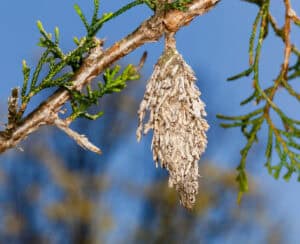
Identify and control bagworms before they damage your North Texas trees and shrubs this season.