

Sunscald and Bark Damage Trees DFW
Protect Your Trees from Sunscald and Bark Damage As May arrives in the Dallas-Fort Worth area, homeowners begin to enjoy …


Locally owned and family operated, proudly serving North Texas. Get your free, no-obligation quote. Or call (972) 521-1552.
Free QuoteMoles are all too common pests that homeowners and property managers have to deal with here in the Tarrant County area. While they won't invade your home or cause problems inside, their presence on your property can lead to significant damage. Moles dig extensive tunnel systems underground, using them to search for food and create nesting areas. These tunnels weaken the integrity of your lawn, harm grass and plants, create tripping hazards, and can even compromise your foundation depending on where they dig. Worse yet, mole activity often attracts other pests like mice and rats, which can eventually find their way into your home.
If you've noticed signs of a mole infestation on your Tarrant County property, it's important not to ignore the issue. Moles don't go away on their own, left untreated, their population grows, and the damage spreads as more tunnels are created. That's why professional intervention is critical.
At Trees Hurt Too, our expert technicians have the tools, training, and proven methods to eliminate mole infestations effectively. Paired with customized lawn care programs, we not only address the immediate problem but also help restore and strengthen your yard, reducing the risk of future pest activity.
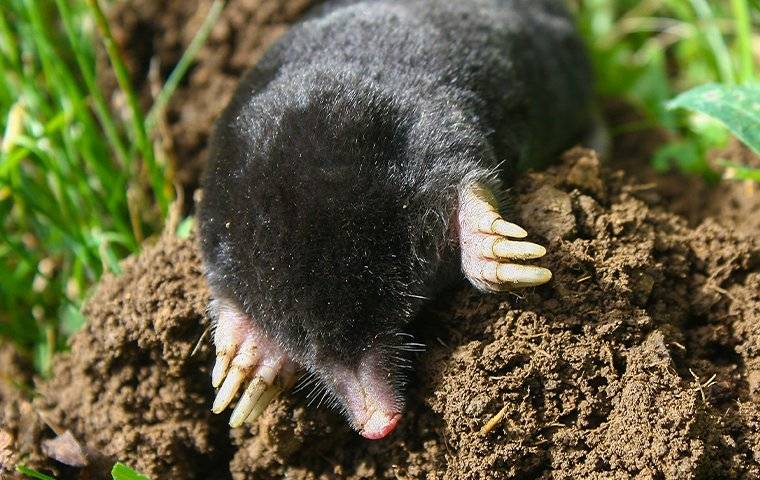
Trees Hurt Too offers effective mole control through professional baiting treatments designed to eliminate active tunnels and prevent recurring activity. When you contact us for mole services, our specialists will inspect your property, identify problem areas, and apply targeted baiting solutions that safely and efficiently resolve your mole problem.
Our preferred treatment method is baiting. We use bait made by Bell Labs that are designed to look, smell, and feel like real earthworms. The average price for this treatment is $300 per year, although this varies depending on the size of your yard.
We do not require an inspection for this service. We will visit your property, punch down holes into the mole highway, put the bait in the holes, then cover the holes back over. Follow-up services occur every quarter. You can also call us anytime you see new mounds, and we will return to your property to re-treat.
The price of this treatment includes quarterly inspections and comes with a one-year warranty.
A mole infestation can be difficult to manage without professional help, but with Trees Hurt Too Inc., your property can be restored to a healthy, mole-free condition. Our trained technicians use targeted pest control treatments designed to eliminate active tunnels and reduce mole activity at the source.
Beyond pest removal, we recognize that moles often appear where soil is soft, moist, and filled with grubs or insects, conditions that can also lead to weed outbreaks and turf damage. That's why we integrate weed control in North Texas into our broader landscape management approach. By improving soil health and reducing pest food sources, we make your lawn less inviting to moles and other burrowing pests.
To help homeowners and property managers maintain lasting results, our team offers a customized lawn care package that includes ongoing monitoring, seasonal fertilization, and proactive soil management. This ensures your turf remains strong, resilient, and free from both weeds and unwanted wildlife.
Don't let moles or invasive weeds ruin your landscape. Contact Trees Hurt Too Inc. today for professional mole control and comprehensive lawn care solutions designed specifically for North Texas properties.
Typical signs that you may be dealing with moles include raised tunnels, soft or spongy areas of soil, molehills, dying patches of grass, and disrupted plant roots. In Tarrant County's dense clay soil, tunnels often appear more pronounced because moles push up harder soil layers while searching for insects.
Moles thrive in areas with abundant food sources such as earthworms, grubs, and insects. Tarrant County's soil tends to retain moisture, creating ideal feeding conditions. Properties with well-watered lawns, soft soil, or high insect activity are especially attractive to moles.
While moles do not chew structures, their tunneling can indirectly create problems. Tunnels near foundations, patios, or walkways can weaken soil support, causing shifting or small voids. The bigger concern is that mole tunnels can attract rodents, like mice and rats, that will attempt to enter your home.
Yes. Their tunnels disrupt root systems and cause the turf above to collapse or yellow. Raised ridges can dry out sections of grass, and frequent tunneling can uproot newly planted shrubs, flowers, or ornamentals.
No. Once moles find a reliable food source, they continue tunneling and expanding territory. Their population may also grow if the conditions remain ideal. Without professional intervention, the damage typically worsens over time.
Professional baiting is the most reliable method for our region. Trees Hurt Too uses Bell Labs bait formulated to mimic real earthworms, moles' natural food. This targeted approach eliminates active moles and reduces new tunnel activity quickly.
Our technicians locate active tunnels, punch down access points, place the bait, and cover each hole. No inspection is required. Follow-up visits occur quarterly, and homeowners may request additional treatments anytime new mounds appear. This service includes a one-year warranty.
Most Tarrant County properties average about $300 per year, though pricing varies by yard size and severity of activity. The cost includes quarterly follow-ups and warranty coverage.
Yes. Our baiting method is targeted, placed underground, and formulated to attract only moles. When applied correctly by trained technicians, it poses minimal risk to pets or wildlife.
Moles primarily eat earthworms, which thrive in moist North Texas soil. Even if grub populations are low, earthworms alone can sustain active mole tunnels, especially during seasons of higher soil moisture.
Strengthening your lawn reduces mole activity long-term. This includes improving soil health, reducing excess moisture, managing insect populations, and maintaining dense turf. Trees Hurt Too offers customized lawn care programs to make your yard less appealing to burrowing pests.
Yes. Mole tunnels can attract rodents such as mice or rats that use abandoned runways for shelter or travel paths. If you're seeing mole activity, it's wise to monitor for secondary pest issues as well.
Absolutely. Moles remain active beneath the soil in every season. Because tunneling can increase with winter moisture or spring insect activity, year-round monitoring is recommended to prevent recurring damage.
Yes. Tarrant County's cycles of heavy rain, soil moisture retention, and warm winters often boost earthworm populations and soften soil, making conditions ideal for mole tunneling. Seasonal surges are especially common after rain.
We typically respond quickly since no inspection is required. Our team can schedule a service visit, treat the tunnels, and begin solving the issue promptly.
Stay informed about lawn care, tree care and pest related issues in your area!
Protect Your Trees from Sunscald and Bark Damage As May arrives in the Dallas-Fort Worth area, homeowners begin to enjoy …

Why Trees Drop Leaves in May in the Dallas-Fort Worth Area If you’ve noticed leaves scattered across your lawn in …
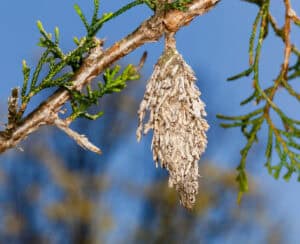
Identify and control bagworms before they damage your North Texas trees and shrubs this season.