

Spider Mites in North Texas: How Heat and Dust Trigger Infestations
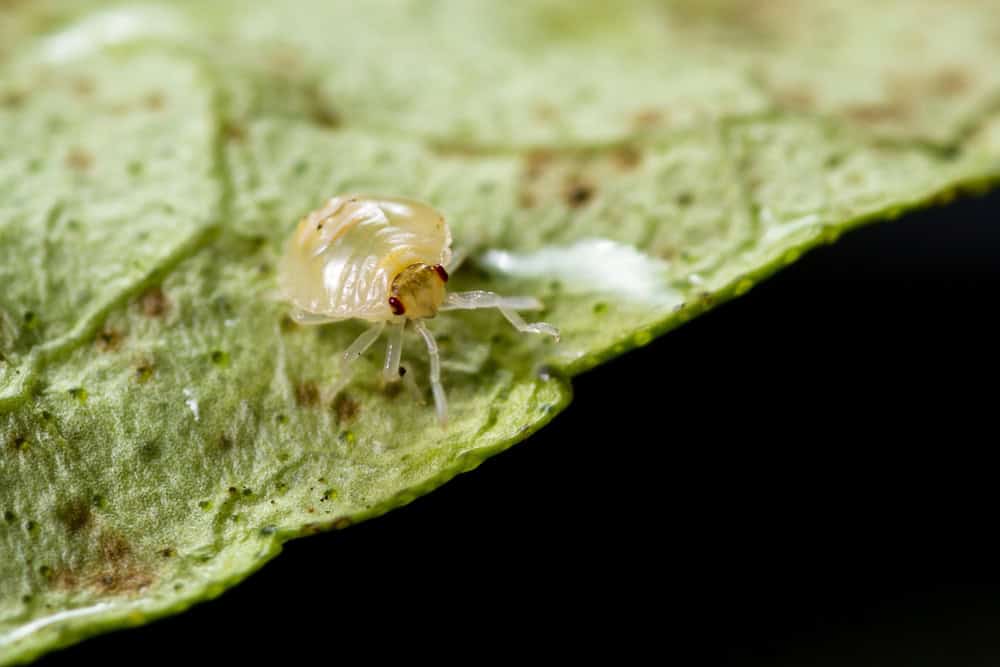
Spider mites are one of the most common and damaging shrub and tree pests Texas homeowners face during the summer months. These microscopic pests thrive in the exact environmental conditions that define North Texas summers: prolonged heat, dry air, and dusty landscapes.
Understanding how spider mite populations develop and spread is essential for protecting long term summer tree health. By recognizing the early warning signs and understanding the environmental triggers behind infestations, homeowners can take a proactive approach to maintaining healthier landscapes.
For a broader look at how pests affect landscapes during warmer months, visit our guide on Shrub & Tree Pests.
Why Spider Mites Thrive in North Texas Summers
North Texas provides nearly perfect conditions for spider mite outbreaks. These pests reproduce rapidly when temperatures rise and humidity levels drop.
Heat Accelerates Reproduction
Spider mites develop faster in high temperatures. During peak summer season, their life cycle can be finished in as little as one week. This means multiple generations can overlap, creating explosive population growth.
Even a small, unnoticed population early in the season can quickly expand across an entire landscape. This is why early monitoring, especially during rising temperatures, is critical for summer tree health.
Dust Creates Ideal Feeding Conditions
Dust plays a starring role in spider mite outbreaks. In dry climates, dust accumulates on leaf surfaces and creates an ideal environment for mites to thrive.
Dust reduces the effectiveness of natural predators and interferes with the tree’s ability to photosynthesize efficiently. Over time, this leads to compounded stress.
Additionally, dust particles can damage leaf surfaces, making it easier for mites to feed and spread. This connection between environmental conditions and pest pressure is a key concept in Soil Moisture Solutions.
Lack of Rainfall Supports Infestation Growth
Rain naturally helps lessen spider mite populations by washing them off leaves. During extended dry periods, this natural control mechanism disappears.
Without rain, populations continue to grow unchecked, increasing the risk of visible damage across the landscape.
For additional insight, visit Texas A&M AgriLife Extension.
What Spider Mites Do to Trees and Shrubs
Spider mites feed by piercing into plant cells and extracting their contents. This feeding activity disrupts the plant’s ability to produce energy and maintain its healthy growth.
Cellular Damage and Leaf Stress
Each feeding site leaves behind tiny damaged areas on the leaf surface. Over time, this damage accumulates and reduces the plant’s ability to function.
This type of stress often goes unnoticed until the symptoms become widespread. Monitoring through seasonal tree health evaluations can help detect these changes earlier.
Reduced Photosynthesis
As feeding damage increases, the tree’s ability to photosynthesize declines. This results in reduced energy production, which impacts growth, canopy density, and overall vitality.
Trees already under environmental stress are significantly more vulnerable, making this a compounding issue during extreme Texas summers.
Increased Susceptibility to Other Problems
Spider mite damage weakens trees, making them more vulnerable to other shrub and tree pests Texas landscapes commonly experience.
This includes secondary infestations that target already stressed trees. Understanding this pattern is essential for long term landscape protection.
Early Signs of Spider Mite Damage Identification
Early detection is absolutely critical when managing spider mite infestations. Because these pests are extremely small, damage symptoms are often the first visible indicator. Keep on the lookout for:
Leaf Discoloration
- Tiny yellow or white speckling across leaf surfaces
- Gradual fading or bronzing of leaves
- Uneven color patterns throughout the canopy
These symptoms are often mistaken for nutrient deficiencies or heat stress.
Fine Webbing
Spider mites produce fine webbing on leaves and branches, especially during advanced infestations.
This webbing can trap dust and debris, making it more visible to the eye in dry conditions. Webbing is often most noticeable in the early morning light.
Leaf Drop and Canopy Thinning
As damage progresses, leaves may drop prematurely. This results in thinning canopies and reduced shade coverage.
By the time this occurs, the infestation is typically well established.
How Heat Stress and Spider Mites Work Together
Spider mites rarely act alone. Their impact is often intensified when trees are already dealing with environmental stress.
Heat Weakens Natural Defenses
Trees rely on internal defense systems to resist pests. During periods of extreme heat, these systems become less effective.
This creates an opportunity for spider mites to establish and expand populations. Healthy soil and moisture balance play a critical role in defense.
Water Imbalance Increases Risk
Inconsistent soil moisture levels weaken root systems and reduce overall tree vigor.
When trees are unable to maintain steady hydration, they become more susceptible to feeding damage. This is why Soil Moisture Solutions is a foundational component of pest prevention.
Compounding Stress Effects
When heat stress and pest pressure occur simultaneously, the effects multiply. Trees decline faster and recovery becomes more difficult.
Understanding this relationship is essential for managing summer tree health conditions effectively.
Where Spider Mites Are Most Commonly Found
Spider mites affect a wide range of trees and shrubs commonly found in North Texas landscapes.
Common Host Plants
- Oaks
- Crepe myrtles
- Elm trees
- Evergreen shrubs
- Ornamental plants
These plants often experience stress during summer, making them more attractive to pests. Monitoring these species closely is recommended, as is getting professional pest control.
High Risk Locations
- Areas near roads or construction zones
- Landscapes with heavy dust accumulation
- Properties with limited airflow
- Sites with prolonged dry conditions
These environments create ideal conditions for infestation development. Reducing environmental stressors can significantly lower risk.
Monitoring Spider Mite Activity
Regular monitoring of your property is one of the most effective ways to detect spider mites early.
Visual Inspection Techniques
Check the undersides of leaves where mites are most active. Look for discoloration, webbing, and dust buildup.
White Paper Test
Gently tap a branch over a white surface. Small moving specks may indicate spider mite activity.
Seasonal Awareness
Spider mites are most active during hot, dry periods. Increased vigilance during summer months improves early detection.
Tie monitoring efforts into your tree and shrub care routine for best results.
Preventing Spider Mite Infestations
Prevention focuses on reducing environmental conditions that favor spider mite development.
Managing Dust Levels
Reducing dust around trees can significantly decrease infestation risk.
- Water nearby surfaces when possible
- Limit activities that generate dust near trees
- Maintain clean leaf surfaces
Supporting Tree Health
Healthy trees are better equipped to resist pests.
- Maintain consistent soil moisture
- Improve soil conditions over time
- Monitor for early signs of stress
Encouraging Natural Balance
Beneficial insects can help regulate spider mite populations when conditions allow.
A balanced ecosystem reduces the likelihood of severe infestations and supports long term pest control.
Long Term Impact of Spider Mites on Tree Health
If left unmanaged, spider mites can contribute to long term decline in trees and shrubs.
Reduced Growth Over Time
Repeated infestations limit a tree’s ability to grow and develop normally.
Increased Vulnerability to Stress
Trees weakened by ongoing pest pressure become more susceptible to environmental extremes.
Landscape Aesthetic Decline
Visible damage, thinning canopies, and discoloration reduce overall property appearance.
These impacts highlight the importance of early detection and consistent monitoring.
Protecting Trees in North Texas Landscapes
Spider mites are a predictable seasonal challenge across North Texas. Their presence is closely tied to environmental conditions that occur every summer.
By understanding how heat and dust contribute to infestations, homeowners can better anticipate and respond to potential problems.
If you suspect spider mites Texas activity in your landscape, scheduling a free, professional tree health inspection can help identify issues early and protect long term tree vitality.
Maintaining awareness, monitoring conditions, and supporting overall tree health are the most effective ways to reduce the impact of spider mites and preserve strong, resilient landscapes.