Why Tree Disease Identification Matters in North Texas
North Texas trees face a unique set of environmental challenges that make them far more vulnerable than trees in many other parts of the country. Intense summer heat drives trees into periods of severe stress, while recurring droughts sap vital soil moisture, leaving root systems struggling to absorb water and nutrients. Add in our region's dense, clay-heavy soils, which tend to compact easily, trap excess water, and suffocate roots after heavy rain, and it's no wonder many trees show signs of decline. These constant stressors weaken natural defenses and make trees more susceptible to serious issues such as oak wilt, hypoxylon canker, and fungal leaf diseases.
That's why proper tree and shrub care is essential to maintaining a healthy, resilient landscape in North Texas. At Trees Hurt Too Inc., our comprehensive care programs are designed to strengthen trees from the ground up, improving root health, boosting nutrient availability, and reducing environmental stress. Our licensed arborists understand the delicate balance of soil composition, watering practices, and seasonal maintenance required to keep your trees thriving despite harsh conditions. Through deep root fertilization and targeted disease prevention treatments, we help your trees recover from stress and resist future infections.
Early disease identification is one of the most wallet-friendly ways to protect both your landscape and your investment. A minor fungal leaf spot, when treated early, can often be resolved through horticultural practices and light, environmentally safe applications. But if ignored, the same issue can spread quickly; causing canopy thinning, defoliation, or even tree death that requires full removal and replanting. Proactive monitoring and routine tree and shrub care can mean the difference between saving a mature shade tree and facing thousands of dollars in replacement costs.
Homeowners can help by learning to recognize the early warning signs of stress and disease, such as yellowing or curling leaves, peeling bark, dieback in the canopy, or slowed seasonal growth. Partnering with professionals who specialize in tree and shrub care ensures these issues are caught early and addressed with science-based solutions tailored to North Texas conditions.
At the end of this North Texas tree disease identification guide, you'll be able to spot the most common signs of trouble hiding in your own backyard, and know when to call on the experts at Trees Hurt Too Inc. to keep your landscape healthy, strong, and beautiful year-round.
The benefits of maintaining healthy trees extend far beyond appearance:
Soil stability: Root systems of thriving trees reduce erosion and flooding risks.
Energy efficiency: Mature shade trees can reduce home cooling costs by up to 30% during peak summer heat.
Wildlife habitat: Strong, disease-free trees provide food and shelter for birds, pollinators, and small mammals.
Property value: A well-maintained landscape with healthy trees can increase home resale value by 10–15%.
Identifying tree diseases early is also critical for community health. Pathogens such as oak wilt spread from property to property through root grafts and insects, threatening entire neighborhoods of oaks. One infected tree, if not addressed, can put dozens more at risk. By spotting and addressing problems early, North Texas homeowners not only protect their own landscapes but also contribute to the health and beauty of their neighbors and broader community.
Tree Care Services offer professional solutions when problems become too complex for DIY management.
Common Tree Diseases in North Texas
Oak Wilt: The Deadliest Threat
Oak wilt is considered the most destructive tree disease in Texas, and North Texas specifically, is one of its hardest-hit regions. This vascular wilt disease, caused by the fungus Bretziella fagacearum, invades the tree's water-conducting tissues, preventing water from reaching the canopy. Once infection takes hold, decline is rapid, and in many cases, entire groves of oaks can be lost in a single season.
Why Oaks Are So Vulnerable
Red Oaks: Highly susceptible; often die within weeks of infection. Their role as "fungal spore factories" makes them dangerous sources of spread.
Live Oaks: While somewhat more resilient, live oaks grow in dense root systems that interconnect with neighboring trees. This allows the disease to spread underground, wiping out entire clusters of live oaks at once.
White Oaks: Less susceptible, but some species can still become infected under the right conditions.
Key Symptoms of Oak Wilt
Identifying oak wilt early is the only way to save valuable trees. Watch for any of these warning signs:
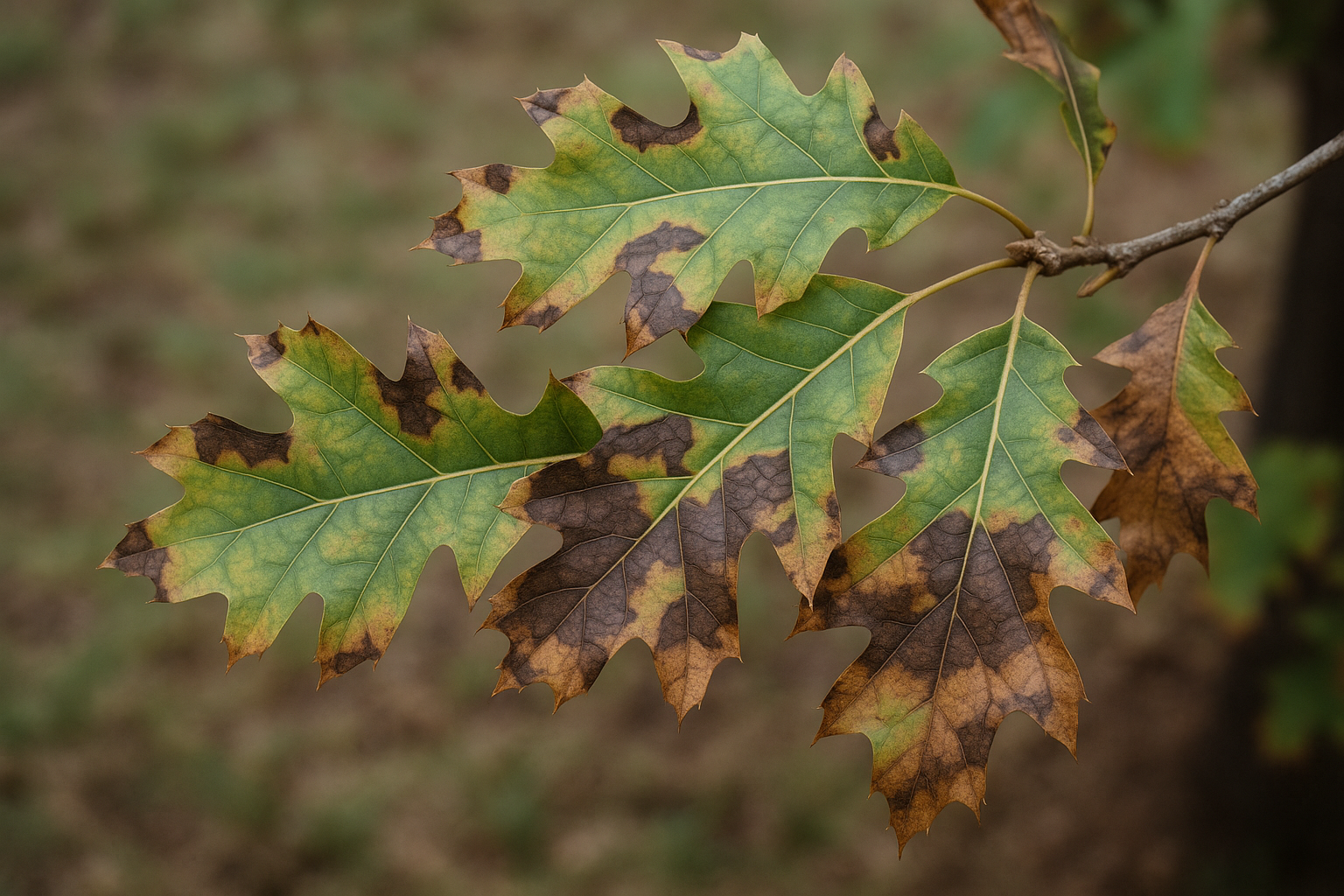
Veinal Necrosis: Leaves display a distinct browning pattern along the veins while the surrounding tissue remains green or yellow. This is the classic indicator of oak wilt.
Sudden Leaf Drop: Oaks shedding leaves in late spring or summer, well outside the normal autumn cycle. Fallen leaves often show both green and brown coloring.
Canopy Thinning: Upper branches die back first, leaving a "stag-headed" appearance. Over time, dieback moves downward through the canopy.
Rapid Decline: Unlike other diseases, oak wilt symptoms can appear and worsen in a matter of weeks.
How Oak Wilt Spreads
Oak wilt is notorious for its ability to spread quickly across neighborhoods and surrounding areas:
Sap-Feeding Beetles (Nitidulids): These insects are attracted to fresh pruning wounds or bark injuries. When they land on an infected tree, fungal spores attach to their bodies and are carried to nearby healthy oaks.
Root Grafts: Live oaks form extensive underground root systems that naturally graft to neighboring trees. Once one tree is infected, the fungus can move underground into others, creating rapid, large-scale die-offs.
Prevention and Management Strategies
The best approach to oak wilt is prevention. Once infection is advanced, very little can be done to save the tree.
Avoid Pruning February–June: This is when beetle activity is highest. If pruning is unavoidable, wounds must be sealed immediately with wound dressing or latex-based paint.
Tool Sanitation: Always disinfect pruning equipment with bleach or alcohol between trees to prevent spreading spores.
Tree Injections: Fungicide injections, typically with propiconazole, can be used preventively on high-value oaks or therapeutically in early-stage infections. Learn more about Tree Injections.
Root Barriers: In live oak groupings, trenching between trees can stop the underground spread through root grafts.
Professional Arborist Care: Certified arborists can create a management plan that combines monitoring, injections, and sanitation to reduce oak wilt losses.
Why It Matters for North Texas Homeowners
Oak wilt doesn't just threaten individual trees, it impacts neighborhoods, ecosystems, and property values. Large-scale oak losses can:
Decrease shade coverage, raising cooling costs for homes.
Reduce curb appeal and property resale value.
Alter local ecosystems, removing food and habitat for wildlife.
Spread quickly to neighboring properties if not controlled.
Because of the high stakes, North Texas homeowners should be proactive about oak wilt. Early detection and preventive treatments provide the best chance at saving trees before it's too late.
Tree Injections are a proven treatment option. For more details, see Texas A&M AgriLife's Oak Wilt Guide.
Hypoxylon Canker: The Silent Killer
Hypoxylon canker is often referred to as a "silent killer" because it typically strikes trees that are already unhealthy or stressed. This opportunistic fungal disease is caused by Hypoxylon atropunctatum (also called Biscogniauxia atropunctata), and it thrives in the harsh conditions that North Texas yardscapes often present: long droughts, compacted clay soils, and heat-stressed trees. Unlike some other tree diseases, hypoxylon canker doesn't usually infect strong, healthy trees. Instead, it takes advantage of a weakened tree's defenses, making prevention and stress reduction critical for recovery.
Why Hypoxylon Canker is So Dangerous
Rapid Decline: Once the fungus colonizes a stressed tree, the decline can be swift, often occurring over a single season.
Widespread Hosts: Although it's best known for attacking oaks, this disease also targets sycamores, elms, pecans, and other hardwoods common in North Texas.
No Cure: There are no fungicides or injections that can reverse advanced hypoxylon canker, making proactive care the only line of defense.
Key Symptoms of Hypoxylon Canker
Recognizing symptoms early can help you decide when to intervene or remove an infected tree before it threatens others.
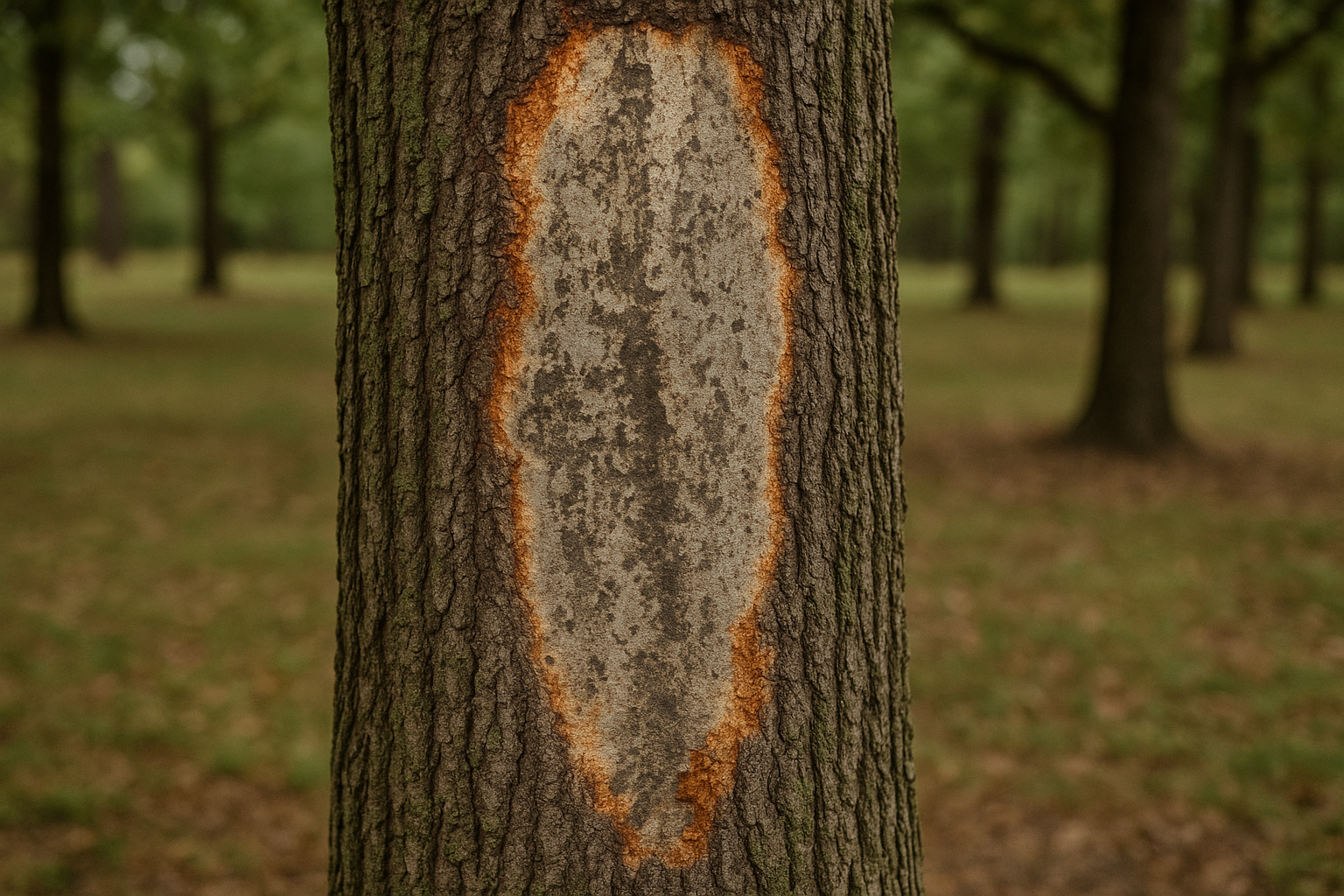
Bark Peeling in Patches: Large sections of bark may slough off, revealing gray, tan, or black fungal mats beneath.
Dark, Powdery Fungal Mats: These structures (stromata) appear directly on the wood under the bark and release spores into the air.
Stag-Head Dieback: Upper branches lose leaves and die back, creating a skeletal appearance at the top of the canopy.
Rapid Canopy Thinning: Once symptoms appear, canopy decline can progress quickly, sometimes leading to tree death within weeks to months.
How Hypoxylon Canker Spreads
The spores of hypoxylon canker are airborne and can settle on many trees. However, they only colonize when the tree is already weakened. Environmental stressors like drought, poor soil drainage, root damage, or construction injury often create the entry points that allow the fungus to invade.
Prevention & Management Strategies
Since there is no cure for advanced infections, prevention is the most effective tool for managing hypoxylon canker.
Maintain Soil Moisture: Water deeply during extended dry periods to reduce drought stress. Consider soil moisture solutions to regulate water levels in clay-heavy North Texas soils.
Protect Roots and Trunks: Avoid compacting soil around trees or injuring trunks with lawn equipment, as wounds accelerate fungal invasion.
Deep Root Feeding: Boosts tree vigor and strengthens resistance to opportunistic fungi. Learn more about Deep Root Feeding.
Remove Severely Infected Trees: Once infection is widespread, removal is necessary to prevent falling hazards and reduce the spread of spores to nearby stressed trees.
Why It Matters for North Texas Homeowners
Hypoxylon canker often goes unnoticed until it's too late. Because the fungus primarily attacks drought-weakened trees, it's a clear indicator that a landscape may be under stress. Homeowners who address soil health, watering practices, and tree maintenance not only reduce the risk of hypoxylon canker but also strengthen overall tree resilience.
When in doubt, an arborist inspection can help determine whether a tree can be stabilized or if removal is the safest option. Visit our Tree Care Services or schedule a consultation through Contact Us to protect your landscape.
Moisture Management is essential in reducing stress that allows this fungus to thrive.
Leaf Blight, Leaf Spot & Anthracnose
Leaf diseases are among the most frequently reported problems for North Texas trees, especially during wet springs and humid summers. While they may begin as cosmetic issues, repeated infections can weaken trees, reduce energy reserves, and make them more vulnerable to pests and secondary diseases.
Three of the most common culprits are leaf blight, leaf spot, and anthracnose. Each has its own characteristics, but all are tied to fungal pathogens that thrive in damp environments.
How These Diseases Develop
Fungal spores of leaf blight, leaf spot, and anthracnose are often spread by rain, wind, or contaminated pruning tools. Once conditions are favorable, typically extended leaf wetness from rain, irrigation, or high humidity, spores germinate and invade the leaf tissue. North Texas' cycles of heavy storms followed by warm, still air create ideal breeding conditions for these pathogens.
Key Identification Signs
Recognizing the difference between normal leaf stress and fungal leaf disease is essential:
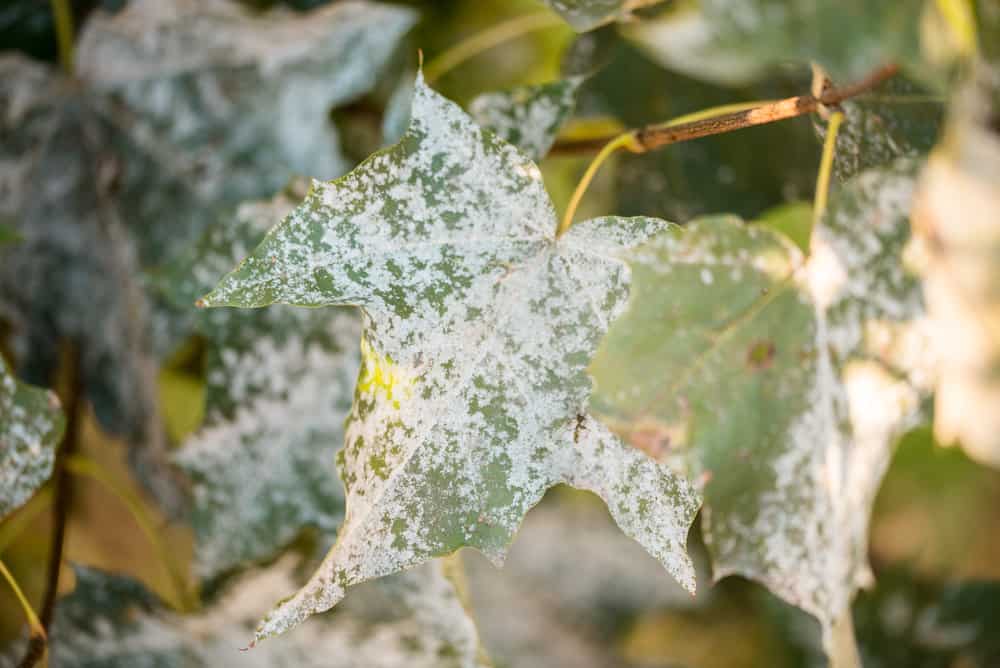
Brown or Black Lesions: Spots begin small, circular, or irregular, often with yellow halos. Anthracnose lesions tend to follow leaf veins, while leaf spot lesions are more circular.
Premature Leaf Drop: Infected leaves may fall early, thinning the canopy and weakening the tree.
Twig Dieback: Severe anthracnose can extend beyond the leaves into young twigs and shoots, causing dieback at branch tips.
Blotchy Appearance: Affected trees may have patchy canopies where infected leaves intermingle with healthy ones.
Trees Commonly Affected
Sycamores: Highly vulnerable to anthracnose; can lose most of their leaves in spring outbreaks.
Maples: Prone to tar spot and anthracnose infections.
Oaks: Susceptible to both leaf spot and anthracnose, which can be confused with early oak wilt symptoms.
Elms: Frequently impacted, with leaf drop occurring during wet years.
Management and Prevention Strategies
Because these diseases are fungal in nature, horticultural practices that minimize moisture on leaves are the most effective first line of defense.
Improve Air Circulation: Avoid overcrowded plantings; prune to allow wind and light through the canopy.
Smart Watering: Always water at the base of trees rather than overhead to keep leaves dry. Irrigate deeply and infrequently to strengthen roots.
Fungicide Treatments: High-value trees or those with a history of repeated infections may benefit from preventive fungicide sprays in early spring. This is especially important during prolonged wet weather.
Sanitation Practices: Rake and remove infected leaves from around the base of the tree to reduce spore populations.
Why Early Action Matters
While many leaf diseases do not kill trees directly, repeated annual infections drain energy reserves, slow growth, and open the door to more severe problems such as Hypoxylon Canker or Root Rot. Managing these conditions early with professional tree and shrub care preserves long-term health and reduces the need for chemical intervention.
For professional treatments tailored to ornamental and shade trees, see our Ornamental Care services page
Root Rot & Soil-Borne Fungal Issues
Root rot is one of the most destructive yet often overlooked tree health problems in North Texas. Our region's clay-heavy soils and frequent drainage challenges create the perfect environment for fungal pathogens like Phytophthora, Armillaria, and Pythium to thrive. Once these fungi colonize roots, they impair the tree's ability to absorb water and nutrients, leading to decline that is frequently mistaken for drought stress or nutrient deficiency.
Why North Texas Trees Are Vulnerable
Clay Soil: Dense, compacted clay traps water after rainfall, suffocating roots and fostering fungal growth.
Drainage Issues: Poor grading and irrigation practices allow water to pool near root collars.
Drought & Flood Cycles: Prolonged drought weakens roots, then sudden heavy rains create standing water, both of which set the stage for infection.
Symptoms of Root Rot
Root rot symptoms often mimic other conditions, making professional identification critical:
Chronic Wilting Despite Watering: Trees appear thirsty even when the soil is moist because damaged roots can't absorb water.
Yellowing or Thinning Foliage: Leaves lose their rich color and begin to drop prematurely.
Foul Odor or Root Decay: Digging near the root zone may reveal blackened, mushy roots with a sour smell.
Reduced Vigor: New growth may be stunted, and flowers or seed production diminished.
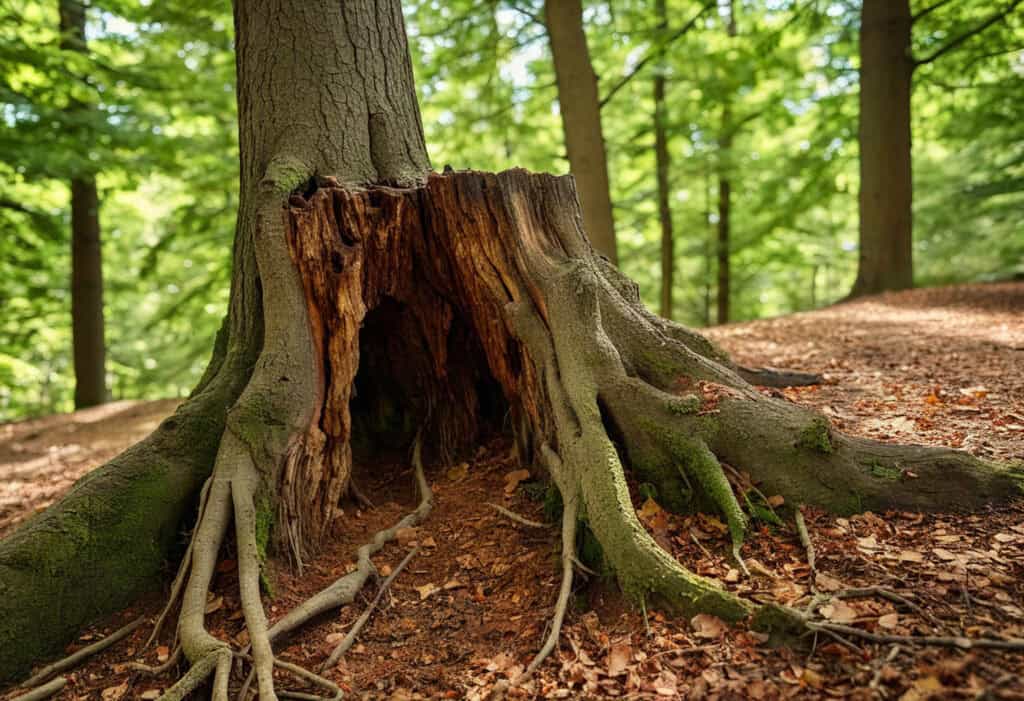
Leaning or Instability: In advanced cases, rotted roots compromise anchorage, raising the risk of tree failure.
Prevention & Management Strategies
Because root rot is difficult to reverse once advanced, prevention and early intervention are critical:
Soil Aeration: Reduces compaction and improves oxygen exchange around roots.
Proper Irrigation Practices: Water deeply and infrequently to encourage deep root growth. Avoid frequent shallow watering that leaves roots in constantly wet soil.
Deep Root Feeding & Drainage Solutions: Strengthen trees against stress while improving soil health. Learn more about Deep Root Feeding and Moisture Management services to safeguard trees.
Mulching: Apply organic mulch around the base (but not against the trunk) to regulate soil moisture and temperature.
Professional Fungicide Treatments: In certain cases, arborists may recommend targeted soil treatments to slow fungal activity.
Why It Matters for Homeowners
Root rot not only kills trees but also poses safety risks as weakened trees become prone to falling. It can also spread to other trees in the same area, especially where drainage problems affect multiple root zones. Addressing soil and water issues protects both your landscape and property value.
If you suspect root rot, schedule an inspection through our Tree Care Services for a proper diagnosis and treatment plan.
Catching disease in its early stages is the key to saving North Texas trees. By the time canopy thinning or branch dieback is obvious, infections are often well established. Learning to spot subtle visual cues in leaves, bark, and roots gives homeowners the chance to act before problems escalate.
Visual Signs in Leaves & Canopy
Leaves are the first place many tree diseases tend to reveal themselves. Pay close attention during spring and early summer when new growth should be at its healthiest.
Abnormal Color Changes: Yellowing between veins may indicate nutrient deficiencies, while sudden browning along veins (veinal necrosis) is a hallmark of oak wilt.
Leaf Spots, Blisters, or Curling: Circular lesions suggest leaf spot, while blotchy, irregular lesions along veins often signal anthracnose. Curling and blistering can indicate fungal blights or viral infections.
Canopy Thinning: Early thinning at branch tips is often a sign of hypoxylon canker or stress-related diseases.
Trunk & Bark Changes
Tree trunks provide critical diagnostic clues for fungal and canker diseases.
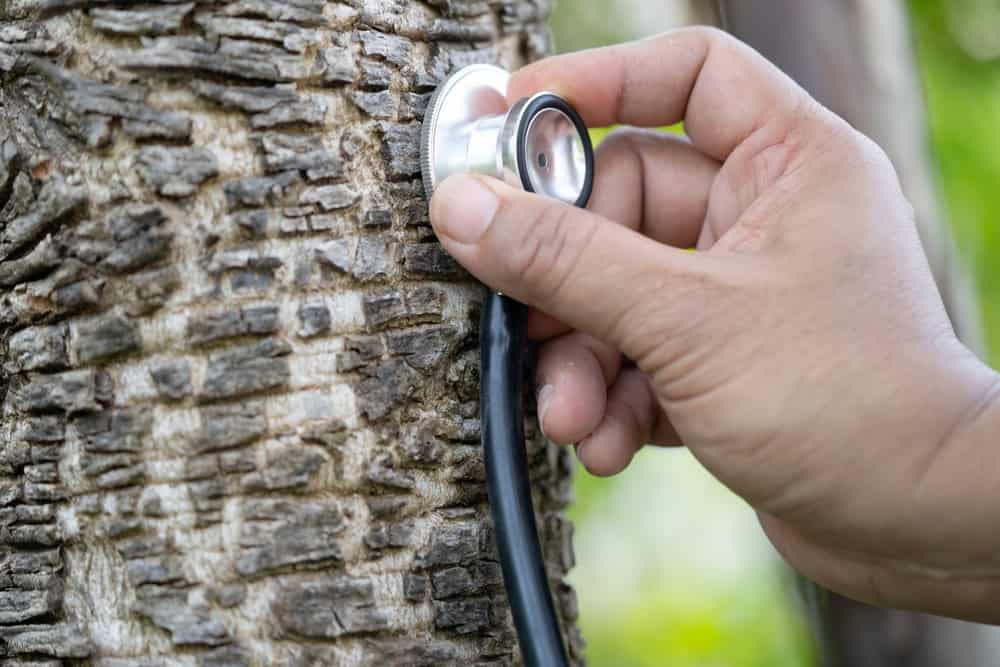
Cracks or Peeling Bark: Large patches of bark sloughing off with dark fungal mats underneath point to hypoxylon canker.
Dark Fungal Growth: Black streaks or powdery mats on exposed wood suggest fungal colonization.
Cankers or Sap Flow: Oozing sap, bleeding cankers, or sunken lesions may signal both bacterial infections and soil-borne fungal diseases.
Root Zone Observations
Many tree health issues begin below ground. The root system is the tree's lifeline, and problems here are often overlooked until decline is advanced.
Mushrooms or Fungal Growth Near Base: Fruiting bodies at the base can indicate root rot or Armillaria fungus.
Root Collar Decay: Soft, discolored tissue near the trunk base suggests fungal colonization.
Signs of Poor Drainage or Compaction: Standing water around roots or hard, compacted clay soil sets the stage for root rot and other soil-borne pathogens.
Why Early Identification Matters
Saves Trees: Infections like oak wilt can kill within weeks if untreated.
Prevents Spread: Diseases like oak wilt and anthracnose can move rapidly across neighborhoods.
Protects Property Value: Mature trees add shade, beauty, and resale value. Losing them reduces both comfort and equity.
If you spot any of these warning signs, schedule an arborist inspection immediately. Our Tree Care Services team can diagnose the issue and recommend treatments such as Tree Injections or Ornamental Care.
Not all tree decline is caused directly by fungi or bacteria; sometimes insects are the real culprits. In North Texas, common pests can create damage that mimics a disease or worsen any current fungal infections by weakening trees. Knowing how to recognize pest-related symptoms is essential to avoid misdiagnosis and to implement the right treatment.
Borers: Hidden Destroyers
Borers are wood-boring insects that tunnel beneath the bark, cutting off nutrient flow and leaving behind galleries that weaken the tree from within.
Mimics Disease: Trees attacked by borers often exhibit canopy dieback, wilting, or thinning that resembles fungal wilt diseases.
Worsens Infections: Their tunnels create open pathways for pathogens such as Hypoxylon Canker or root-decay fungi to invade.
Key Signs: Small, round exit holes in bark; sawdust-like frass around the trunk; and rapid branch dieback.
Aphids: Small but Destructive
Aphids are tiny sap-feeding insects that gather on leaves and stems, draining nutrients and weakening trees over time.
Mimics Disease: Leaves curl, yellow, or drop prematurely, which can be mistaken for leaf spot or blight.
Worsens Infections: Aphids excrete a sticky substance called honeydew, which coats leaves and attracts sooty mold fungus. This black fungal layer reduces photosynthesis and stresses trees further.
Key Signs: Sticky leaves, presence of ants (which farm aphids for honeydew), and black sooty mold covering foliage.
Scale Insects: The Silent Stressors
Scale insects attach themselves to bark and leaves, forming hard or soft shell-like coverings. They are often overlooked until infestations are severe.
Mimics Disease: Infested branches may look weakened or wilted, resembling nutrient deficiency or root disease.
Worsens Infections: Like aphids, scales produce honeydew that leads to sooty mold and creates favorable conditions for fungal colonization.
Key Signs: Small, dome-shaped or cottony clusters on bark and leaves; sticky residue; leaf drop; and decline in branch vigor.
Why Pest and Disease Interaction Matters
Combined Damage: When pests and fungi work together, trees decline much faster than from either stress alone.
Misdiagnosis Risks: Treating what looks like a fungus with fungicide alone won't solve the underlying pest problem.
Integrated Solutions: A combined approach, addressing both pests and tree health, is necessary for long-term protection.
Managing Pest-Related Disease Risks
Regular Monitoring: Inspect trees for holes, sticky residues, or fungal growths.
Promote Tree Health: Strong, well-fed trees are less attractive to pests. Learn more about Deep Root Feeding to build resilience.
Professional Pest Control: Targeted treatments reduce populations of borers, aphids, and scale without harming beneficial insects. See our Shrub & Tree Pests and Pest Control Services for solutions.
When to Seek Professional Help
If you see signs of boring holes, sticky honeydew, or sudden fungal growth, your trees may be under a combined pest-and-disease attack. Acting quickly with an arborist inspection prevents small issues from escalating into major losses.
Schedule an inspection today through our Contact Us page to protect your trees.
The best way to fight tree diseases in North Texas is through proactive prevention and targeted treatments. Since many pathogens thrive in our hot summers, periodic droughts, and clay-heavy soils, strengthening a tree's health is it's most effective long-term defense.
Soil & Nutrient Health
Healthy soil is the foundation of disease resistance. Trees growing in nutrient-rich, well-aerated soil are far less likely to succumb to opportunistic pathogens.
Deep Root Fertilization: Delivering nutrients directly to the root zone strengthens root systems, improves canopy density, and enhances a tree's natural defenses. Learn more about Deep Root Feeding.
Soil Testing & Adjustments: Regular soil testing helps ensure proper pH balance and adequate nutrient levels. Amending soil with organic matter improves structure, especially in compacted clay soils common in North Texas.
Mulching: Applying organic mulch around the base (without piling against the trunk) helps regulate soil temperature, retain moisture, and encourage beneficial microbial activity.
Proper Irrigation & Drainage
Water management plays a key role in both preventing fungal pathogens and reducing tree stress.
Deep, Infrequent Watering: Encourages stronger, deeper roots while avoiding the shallow root systems that invite stress and disease.
Drainage Solutions: In heavy clay soils, proper grading and installation of drains or aeration techniques prevent the standing water that fuels Root Rot.
Moisture Monitoring: Professional Moisture Management services help maintain the balance between too much and too little water.
Professional Arborist Intervention
When diseases are detected early, targeted professional treatments can save valuable trees.
Tree Injections for Oak Wilt: Propiconazole injections can protect healthy oaks or slow infections in early stages. See our Tree Injections page for details.
Fungicide Sprays for Leaf Diseases: Preventive sprays during wet, humid periods can reduce outbreaks of Leaf Spot and Anthracnose.
Integrated Pest Management (IPM): Since pests often worsen fungal infections, combining treatments for insects like borers, aphids, and scale with disease management ensures complete protection. Learn more at Shrub & Tree Pests.
Why a Proactive Approach Matters
Cost Savings: Preventive care is far less expensive than removing and replacing diseased trees.
Tree Longevity: Mature trees provide decades of shade, habitat, and property value that can be lost in a single season of unchecked disease.
Neighborhood Protection: Preventing the spread of pathogens like oak wilt helps safeguard entire communities of oaks in North Texas.
✅ Spread 2–4 inches of organic mulch around the base (keeping it away from the trunk) to improve moisture retention and soil structure.
Step 2: Manage Water Wisely
✅ Water deeply every 7–10 days during dry periods instead of frequent shallow watering.
✅ Check soil for drainage problems—standing water is a red flag for Root Rot.
✅ Consider Moisture Management solutions if your soil stays too wet or too dry.
Step 3: Inspect Trees Regularly
✅ Look for leaf discoloration, spots, or unusual drop in spring/summer.
✅ Examine bark for cracks, peeling, or fungal mats.
✅ Check root zones for mushrooms, soft tissue, or foul odors.
Step 4: Prune & Protect Properly
✅ Only prune oaks outside the high-risk oak wilt season (avoid February–June).
✅ Always disinfect tools between trees.
✅ Remove deadwood to improve air circulation and reduce fungal spread.
Step 5: Call in Professional Help
✅ Ask about Tree Injections if you have high-value oaks at risk of infection.
✅ Use preventive fungicide sprays for trees prone to Leaf Spot and Anthracnose during humid seasons.
✅ Address pests like borers, aphids, and scale early with Shrub & Tree Pests services, since insects often worsen fungal diseases.
✅ Schedule a seasonal inspection with Tree Care Services for expert evaluation and treatment.
When to Call a Professional Arborist
While homeowners can handle basic monitoring and preventive care, there are situations where professional intervention is absolutely necessary. Tree diseases often progress quickly, and delaying treatment may mean the difference between saving a tree and losing it.
Signs You Need Expert Help
Rapid Canopy Loss: If leaves are dropping suddenly or whole sections of the canopy are thinning within weeks, the issue may be oak wilt, hypoxylon canker, or another aggressive pathogen.
Multiple Trees in Decline: When more than one tree on your property begins showing symptoms at the same time, it often indicates a contagious disease spreading through root grafts or insect vectors.
Large Limbs Pose Safety Risks: Weak or dying branches can fall without warning, creating hazards for people, pets, and property. This is especially urgent in mature oaks and elms.
Unclear Symptoms: Diseases such as Root Rot and Anthracnose can mimic drought stress or nutrient deficiency. A certified arborist can provide accurate diagnosis.
Tree is Valuable or Historic: If you have a large shade tree or a heritage oak, professional treatments like Tree Injections are often worth the investment to preserve them.
Why Professional Care Matters
Accurate Diagnosis: Arborists can distinguish between diseases, pests, and environmental stress.
Specialized Treatments: Certain services like fungicide injections, root zone aeration, or structural bracing require professional equipment and licensing.
Community Protection: Fast professional action helps prevent highly contagious diseases like oak wilt from spreading into neighboring properties.
If you're noticing any of these red flags, don't wait. Schedule an inspection through our Tree Care Services or reach out via our Contact Us page for expert guidance.
Reach out via our Contact Us page for an inspection.
FAQs – Identifying Tree Disease in North Texas
What is the most common tree disease in North Texas?
Oak wilt and hypoxylon canker are among the most destructive and widespread. Oak wilt is particularly devastating to live oaks and red oaks, while hypoxylon canker thrives in drought-stressed trees. Other frequent issues include anthracnose and leaf spot during wet springs and root rot in poorly drained clay soils.
How do I know if my oak has oak wilt?
The most reliable early sign is veinal necrosis—brown discoloration along the leaf veins while the surrounding tissue stays green or yellow. Oaks with oak wilt also drop leaves suddenly in spring or summer, well outside their normal cycle. If you see these signs, consider Tree Injections and immediate arborist consultation.
Can hypoxylon canker be treated?
Unfortunately, there is no cure once hypoxylon canker is advanced. However, stress reduction strategies like Moisture Management during drought, Deep Root Feeding to strengthen roots, and proper pruning can help prevent infection and slow its spread. Severely infected trees should be removed to reduce hazards and protect nearby trees.
What are signs of root rot in clay soil?
Trees suffering from root rot often appear wilted even after watering, as their damaged roots can no longer absorb moisture. Other warning signs include yellowing leaves, stunted growth, foul-smelling or mushy roots, and mushrooms growing at the tree's base. In advanced cases, trees may lean or become unstable. Learn more in our guide: Top Signs of Root Rot in Texas Clay Soil.
When should I call a professional arborist?
If multiple trees are declining, if canopy loss is rapid, or if you're unsure whether symptoms point to disease or pests, it's time to call in an expert. Our Tree Care Services provide diagnosis, treatment, and prevention to keep your landscape healthy.
Get Expert Help with Tree Disease Problems in North Texas
Trees Hurt Too Inc. specializes in diagnosing and treating tree diseases across North Texas, from Dallas and Fort Worth to Arlington, Grapevine, and beyond. With years of local experience, our team understands the unique challenges that clay-heavy soils, extreme weather, and regional pests present to Texas trees.
When you partner with our certified professionals, you can expect:
Accurate Diagnosis: We identify whether symptoms are caused by fungal disease, bacterial infection, or pest damage.
Community Protection: We help prevent contagious diseases like oak wilt from spreading across neighborhoods and affecting entire blocks of mature trees.
Healthy trees add value, shade, and beauty to your home while supporting wildlife and reducing energy costs. Don't let preventable diseases threaten your landscape.
Visit our Tree Care Services page or Contact Us today to schedule a consultation with one of our experts. Together, we'll protect your trees, preserve your investment, and ensure your property thrives for years to come.
Explore our Where We Service page to see if we're in your area and schedule a consultation today.
Your Tree Cannot Wait
Is Your Tree Showing Symptoms Right Now?
Early diagnosis is the difference between saving and losing a tree. Call our ISA Certified Arborist directly for same-week evaluations throughout the DFW area.
We use cookies to analyze site traffic and improve your experience. Necessary cookies are always on;
you can opt out of analytics cookies at any time. See our
Cookie Policy
and Privacy Policy.