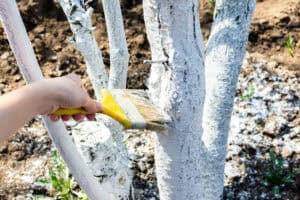
Sunscald and Bark Damage Trees DFW
Protect Your Trees from Sunscald and Bark Damage As May arrives in the Dallas-Fort Worth area, homeowners begin to enjoy …

(Rodentia)

Locally owned and family operated, proudly serving North Texas. Get your free, no-obligation quote. Or call (972) 521-1552.
Free QuoteRodents are among the most common and destructive pests found in Texas yards, and they've adapted remarkably well to living near people. Whether you're in a rural community or an urban neighborhood, these small mammals are experts at taking advantage of the food, water, and shelter we unintentionally provide. For homeowners and business owners alike, proactive rodent prevention is essential, and that's where Total Lawn and Pest Protection from Trees Hurt Too makes a real difference.
Our Total Lawn and Pest Protection plan offers year-round coverage designed to safeguard your property from invasive pests like mice, rats, and insects that threaten your landscape's health and safety. Rodents are particularly troublesome because they multiply quickly, contaminate food and surfaces, and can chew through wires, insulation, and structural materials, causing extensive property damage and even fire hazards.
One defining characteristic that unites all rodents, and places them in the order Rodentia, is their continuously growing front incisors. These sharp, chisel-like teeth never stop growing, so rodents must constantly gnaw on wood, wires, plants, and other objects to keep them trimmed. This instinctive behavior helps them survive, but it's also what makes them such a hazard to homes, lawns, and commercial landscapes.
By combining professional pest management with comprehensive landscape care, Trees Hurt Too's all pest services approach eliminates nesting areas, removes attractants, and builds a healthier outdoor environment that naturally discourages pest activity. Whether you're dealing with an active infestation or want to prevent one before it starts, our integrated program provides the lasting protection your Texas property deserves.
Roof rats (Rattus rattus) also known as black rats, ship rats, or house rats, are a species of rodent in the family Muridae. Believed to have originated in Southeast Asia, they have spread worldwide, especially in tropical and subtropical regions. Roof rats are smaller and more slender than Norway rats, with a body length of 12–16 inches including the tail, which is longer than their body. They typically weigh 5–10 ounces and have a dark brown or black coat with a lighter underside.
True to their name, roof rats are agile climbers and prefer to nest above ground in attics, trees, and other elevated spaces. They are omnivorous but tend to favor fruits, seeds, and nuts, making them a frequent pest in orchards and agricultural areas. Roof rats are prolific breeders and can spread diseases such as typhus, salmonellosis, and plague. Due to their climbing ability and preference for high places, they are often harder to control than Norway rats.
Norway rats (Rattus norvegicus) also known as brown rats, sewer rats, or common rats, are a species of rodent in the family Muridae. Originating in northern China, these rats are now widespread across the globe due to their adaptability and close association with human environments. Norway rats are typically brown or gray with a lighter underbelly, have a robust body measuring 16–20 inches long including the tail, and weigh between 7–18 ounces.
They are known for their excellent burrowing skills and often inhabit sewers, basements, and outdoor spaces near human settlements. Norway rats are omnivorous and highly opportunistic, consuming grains, meats, and even garbage. Their high reproductive rate and ability to thrive in various environments make them a significant pest species, responsible for property damage, food contamination, and spreading diseases such as leptospirosis and hantavirus. Despite their negative reputation, they are also important in scientific research and ecological studies.
Deer mice (Peromyscus maniculatus) are small rodents in the family Cricetidae, native to North America. They are named for their brownish coloration and white underbelly, which resemble the coat of a deer. Deer mice are typically 5–8 inches long, including their tail, and weigh between 0.5–1 ounce. Their large eyes and ears make them well-suited for nocturnal activity.
Deer mice are highly adaptable and inhabit a wide range of environments, including forests, grasslands, and rural areas. They are omnivorous, feeding on seeds, fruits, insects, and fungi. These mice are excellent climbers and often build nests in hollow trees, burrows, or human-made structures like barns and garages.
While they play an essential role in ecosystems as seed dispersers and prey for predators, deer mice are also vectors of diseases such as hantavirus and Lyme disease. Their presence in homes or outbuildings poses a health risk, making proper pest management crucial in areas they inhabit.
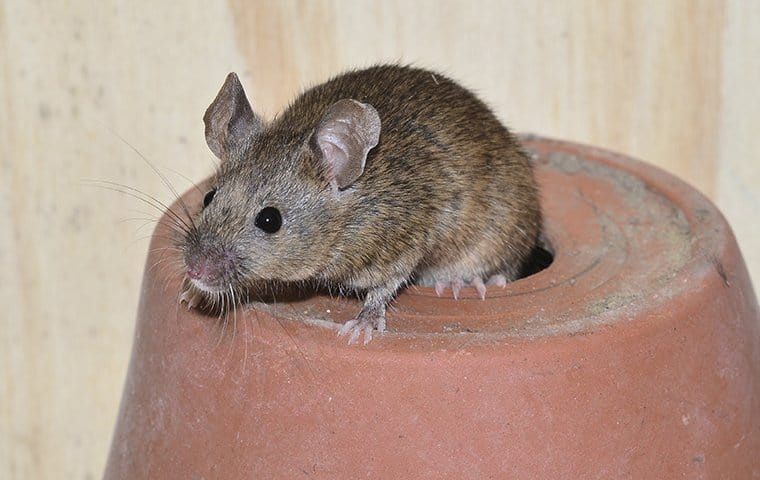
Field mice (Mus musculus) are small rodents in the family Muridae and are one of the most widespread and adaptable mammal species globally. Native to Asia, they have spread worldwide, often living in close association with humans. House mice are typically 5–7 inches long, including their tail, and weigh 0.5–1 ounce. They have smooth gray or brown fur with a lighter underside, large ears, and a pointed snout.
House mice are highly adaptable and thrive in various environments, from urban areas to rural farmlands. They are omnivorous, feeding on grains, seeds, and household scraps, but they can survive on minimal food and water. Known for their high reproductive rate, a single female can produce dozens of offspring in a year.
While house mice are important in scientific research and the pet industry, they are also major pests, causing property damage, contaminating food supplies, and spreading diseases such as salmonellosis and lymphocytic choriomeningitis virus (LCMV). Effective pest control and sanitation are essential to manage infestations and reduce health risks.
Rodents certainly are dangerous pests to have in our yards, tunneling through and under gardens and foundations. They will dig through trash and boxes stored in our garages and sheds and will gnaw on and make inedible fruits and vegetables in our gardens.
Rodents often carry heavy loads of fleas and ticks on their bodies, and they introduce those parasites into the yards they are nesting in. Notorious carriers of diseases and bacteria that make people ill, having rodents running around our yards, through our gardens, and over our outdoor tables and grills is never an ideal situation.
Damage to wooden structures, wires, and cables in our yards by rodents are other common problems associated with these pests.
Rodents are drawn to our Texas yards because they often provide these small critters with the food they need to survive and secluded areas to hide that keep them from becoming a predator's lunch. Rodents have become accustomed to living near us, and while they do their best to stay hidden, they also do their best to stay close enough to us to take advantage of the basic needs we offer them.
Rodents are nocturnal and most active while we sleep. Their nocturnal nature and prolific breeding habits often allow for a large infestation to develop before we realize we have a problem. Knowing where rodents like to nest and hide is important so you can identify their presence sooner rather than later.
There are many places in our yards where you will find rodents nesting:
The best way to eliminate unwanted rodents from your yard is to consult with a professional. At Trees Hurt Too, Inc., we understand the damage and stress rodents can cause and will work with you to eliminate them from your yard.
We are a locally owned and operated company and understand the rodent control needs of home and business owners located in Arlington and nearby service areas. To learn more about our pest control services, give us a call today, and speak with one of our helpful professionals!
Limit the chances of your yard becoming a home to rodents with the following prevention tips:
Explore our pest library to identify local pests, understand their behaviors, and discover expert solutions tailored for Texas homes and landscapes. Here are a few North Texans' face:
Stay informed about lawn care, tree care and pest related issues in your area!
Protect Your Trees from Sunscald and Bark Damage As May arrives in the Dallas-Fort Worth area, homeowners begin to enjoy …

Why Trees Drop Leaves in May in the Dallas-Fort Worth Area If you’ve noticed leaves scattered across your lawn in …
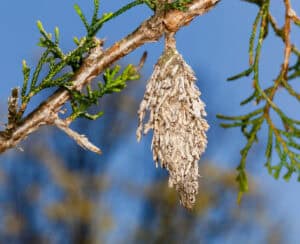
Identify and control bagworms before they damage your North Texas trees and shrubs this season.