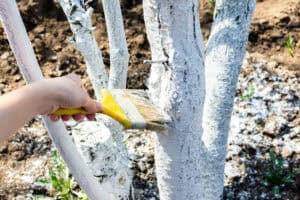
Sunscald and Bark Damage Trees DFW
Protect Your Trees from Sunscald and Bark Damage As May arrives in the Dallas-Fort Worth area, homeowners begin to enjoy …

(Various species)

Locally owned and family operated, proudly serving North Texas. Get your free, no-obligation quote. Or call (972) 521-1552.
Free QuoteLawn pests can quickly turn a lush, vibrant landscape into a patchy, unhealthy eyesore. Insects such as grubs, chinch bugs, and armyworms feed on grass roots, leaves, and stems, causing yellowing, thinning, and bare spots that require costly repairs if left untreated.
At Trees Hurt Too Inc., we combine effective pest control services with comprehensive lawn care programs to restore and maintain the health of your turf. Our specialists identify pest activity early through detailed inspections and implement targeted, eco-friendly treatments that eliminate damaging insects without harming beneficial organisms or your surrounding environment.
Because healthy soil and strong plant roots are your landscape's best defense, our team also provides professional tree and shrub care alongside lawn treatments. This integrated approach ensures that every element of your outdoor space, from the smallest blade of grass to your largest shade trees; receives the nutrients, protection, and care it deserves.
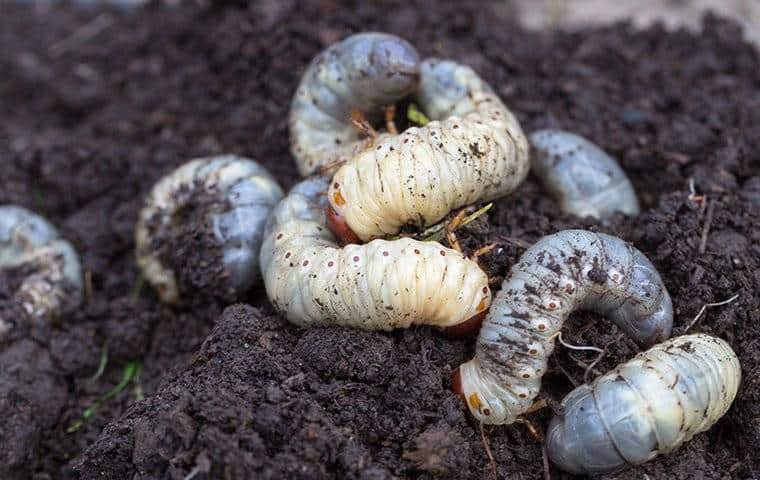
Lawn pests are small insects that burrow into the soil or feed on grass blades, causing widespread damage. One of the most destructive lawn pests in Tarrant County, TX, is the grub, the larval stage of the June beetle. These white, c-shaped larvae devour grass roots, leading to yellowing and dead patches.
While lawn pests do not pose a direct threat to humans, their presence can lead to extensive damage, including:
According to the Texas A&M AgriLife Extension, early pest detection and treatment are crucial to maintaining healthy turfgrass.
Lawn pests thrive in healthy, well-maintained yards because they offer ideal food and moisture sources. Common attractors include:
Lawn pests hide in various locations, including:
Since lawn pests are difficult to remove without professional help, the best way to protect your yard is with professional pest management services. At Trees Hurt Too, we use eco-friendly treatments to target harmful pests without damaging the environment.
Learn more about our commercial pest control services for year-round protection.
Preventing lawn pests requires consistent lawn care and proactive pest management. Key prevention steps include:
For ongoing protection, our seasonal lawn care programs provide tailored solutions for keeping your lawn pest-free year-round.
Stay informed about lawn care, tree care and pest related issues in your area!
Protect Your Trees from Sunscald and Bark Damage As May arrives in the Dallas-Fort Worth area, homeowners begin to enjoy …
Why Trees Drop Leaves in May in the Dallas-Fort Worth Area If you’ve noticed leaves scattered across your lawn in …
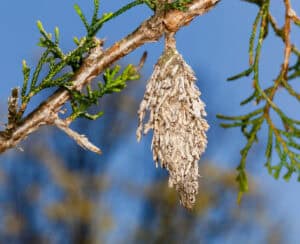
Identify and control bagworms before they damage your North Texas trees and shrubs this season.