Sunscald and Bark Damage Trees DFW
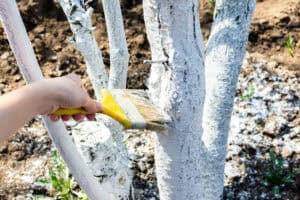
Protect Your Trees from Sunscald and Bark Damage As May arrives in the Dallas-Fort Worth area, homeowners begin to enjoy …


Locally owned and family operated, proudly serving North Texas. Get your free, no-obligation quote. Or call (972) 521-1552.
Free QuoteNorth Texas trees face one of the most complex disease environments in the United States. The combination of heavy clay soil that creates ideal conditions for fungal root pathogens, extreme summer heat and drought that weaken tree immune function, spring humidity that triggers foliar disease outbreaks, and active oak wilt pressure expanding throughout the DFW region every year means that tree disease is not an occasional threat in this area. It is a constant one. At Trees Hurt Too, Inc., our ISA Certified Arborist diagnoses the specific condition affecting your trees before recommending any treatment, because in North Texas the wrong treatment for the wrong disease does not just fail to help, it can actively accelerate the decline you are trying to stop.
"The single biggest mistake I see in tree disease management across North Texas is treating symptoms rather than diagnosing conditions. A tree losing leaves in summer can be oak wilt, hypoxylon canker, severe drought stress, root rot, or a borer infestation. Each of those requires a completely different response. Getting the diagnosis right is not just the first step. It is the most important step." Ken, ISA Certified Arborist Tx-3265-A | Owner, Trees Hurt Too, Inc.
We provide free on-site tree disease evaluations with no obligation throughout North Texas. Call (972) 521-1552 at the first sign of any concerning symptoms or visit our Tree Health Care and Arborist Services page for a complete overview of our approach.
Understanding the environmental factors that drive tree disease in North Texas is essential to understanding why professional arborist diagnosis and treatment matter more here than in most parts of the country.
Tarrant County and Dallas County's Blackland Prairie clay soil creates conditions that promote fungal root pathogens including Phytophthora, Armillaria, and Pythium. These pathogens thrive in the anaerobic, oxygen-deprived conditions that clay soil creates after heavy rain. The same clay then contracts severely during dry periods, disrupting the feeder roots that trees depend on for water and nutrient absorption. Trees fighting both fungal root pathogens and soil-related drought stress simultaneously have significantly compromised immune function, making them vulnerable to the full range of secondary disease conditions that opportunistic pathogens exploit.
North Texas summers routinely exceed 100 degrees Fahrenheit for extended periods, depleting tree energy reserves and weakening natural immune responses. This sustained heat stress creates the conditions that allow opportunistic diseases like hypoxylon canker to colonize trees that would otherwise resist infection. In severe drought years we see dramatically elevated disease incidence across the entire DFW service area as stressed trees become vulnerable targets for pathogens that are present in the environment year-round.
North Texas springs bring warm temperatures combined with periods of heavy rainfall and high humidity that create ideal conditions for the germination and spread of foliar fungal diseases. Leaf spot, anthracnose, and powdery mildew all emerge during these spring humidity periods and can significantly weaken trees before they face the demands of summer heat. Trees entering the high-stress summer season already weakened by spring foliar disease are substantially more vulnerable to secondary conditions.
Oak wilt has been confirmed in more than 75 Texas counties and continues expanding its range northward through the DFW region each year. Properties throughout Tarrant County, Dallas County, and Denton County face active and ongoing oak wilt risk. The disease spreads through two mechanisms: underground root graft transmission between neighboring oaks, and beetle transmission to fresh wounds during the February through June high-risk season. Both transmission pathways are active across the DFW area simultaneously.
Oakley says...
No charge. No obligation. An ISA Certified Arborist visits your property and gives you honest answers before recommending anything.
Every tree disease treatment at Trees Hurt Too begins with an accurate diagnosis from our ISA Certified Arborist. Here are the conditions we most commonly address across the DFW area:
The most destructive tree disease in Texas. Oak wilt is a vascular fungus that blocks water movement through the tree, causing rapid canopy collapse in red oaks and slower decline with aggressive underground spread in live oak populations. Treatment includes preventive propiconazole fungicide injections, root barrier installation, and strict wound management protocols. For complete detail visit our Oak Wilt Treatment page.
An opportunistic fungus that targets exclusively drought-stressed and otherwise compromised trees. Hypoxylon canker produces dark powdery masses beneath sloughing bark and has no cure once advanced. The only effective defense is proactive stress reduction through deep root feeding and soil health management that prevents the tree from becoming vulnerable in the first place. Learn more at our Hypoxylon Canker treatment page.
Phytophthora, Armillaria, and Pythium root rot pathogens live in North Texas clay soils and activate when drainage conditions create anaerobic root zones. Root rot mimics drought stress because damaged roots cannot absorb water even when moisture is present. Treatment involves correcting drainage and soil conditions alongside targeted fungicide applications where appropriate. Learn more at our Texas Root Rot treatment page.
Fungal leaf diseases active during wet North Texas springs. Leaf spot and anthracnose cause circular brown lesions on foliage, premature leaf drop, and in severe cases twig dieback. Preventive fungicide sprays timed to wet seasonal periods and proper irrigation practices are the primary management strategies. Learn more at our Leaf Spot treatment page and Anthracnose treatment page.
A bacterial disease causing rapid shoot dieback with a characteristic scorched appearance. Common on ornamental pears, crabapples, and other rose family members throughout DFW. Treated with copper-based bactericides and strict tool sanitation between affected plants. Learn more at our Fire Blight treatment page.
A bacterial disease spread by leafhoppers that causes chronic progressive leaf margin browning throughout the growing season. Common in oaks, elms, and sycamores across North Texas. Systemic treatments can suppress symptoms but do not eliminate the pathogen. Learn more at our Bacterial Leaf Scorch page.
A nutrient deficiency condition, most commonly iron chlorosis, that causes yellowing foliage with visible green veining. Common in North Texas clay soils where high pH binds iron and makes it chemically unavailable to roots. Treatment involves soil acidification, chelated iron applications, and deep root feeding to improve overall nutrient access. Learn more at our Chlorosis treatment page.
A fungal coating on leaves and new shoots during warm dry weather with cool nights. Common on ornamental trees throughout DFW. Treated with targeted fungicide applications and cultural practices that improve air circulation. Learn more at our Powdery Mildew treatment page.
Tree disease treatment in North Texas fails most often not because the right product was unavailable, but because the wrong product was applied to the wrong condition. Our ISA Certified Arborist has seen every version of this problem across 20 years of North Texas plant health care work.
"I can tell you what treatment failure looks like. It looks like a tree that got progressively worse after treatment because the company applied a fungicide to a tree that had a borer infestation. It looks like a tree that died of oak wilt while its owner spent money on fertilization programs that did nothing for a vascular fungal disease. It looks like hypoxylon canker advancing unchecked because someone treated it with a spray program instead of addressing the drought stress that allowed the fungus in. Diagnosis is not a preliminary step. It is the treatment." Ken, ISA Certified Arborist Tx-3265-A | Owner, Trees Hurt Too, Inc.
Our diagnosis process evaluates the complete picture: above-ground symptoms, bark and cambium condition, root zone soil health, drainage patterns, pest activity indicators, and environmental stressors including construction proximity and drought history. This comprehensive assessment is what allows us to distinguish between conditions that look identical on the surface but require completely different treatment approaches.
Your Tree Cannot Wait
Early diagnosis is the difference between saving and losing a tree. Call our ISA Certified Arborist directly for same-week evaluations throughout the DFW area.
(972) 521-1552Free on-site evaluation • No obligation • Honest answers
Trees Hurt Too provides ISA Certified Arborist tree disease diagnosis and treatment throughout the DFW metroplex. Select your city or county below for location-specific tree disease information.
Our primary service area. We provide tree disease treatment throughout all Tarrant County communities. Visit our Tarrant County tree service page for full coverage details. Key cities include Fort Worth, Arlington, Southlake, Keller, and Mansfield.
We serve Dallas County communities throughout the DFW area. Visit our Dallas County tree service page. Key cities include Irving, Carrollton, Highland Park, and Oak Cliff.
We serve Denton County communities along the northern DFW border. Visit our Denton County tree service page. Key cities include Trophy Club and Coppell.
The most common tree diseases in North Texas include oak wilt, hypoxylon canker, root rot, leaf spot, anthracnose, fire blight, bacterial leaf scorch, chlorosis, and powdery mildew. Each requires a different diagnostic approach and treatment protocol from a certified arborist.
Accurate tree disease diagnosis requires a professional evaluation. Many serious diseases present with similar surface symptoms but require completely different treatments. Trees Hurt Too provides free on-site evaluations throughout North Texas. For a visual guide to common conditions visit our North Texas tree disease identification page.
Yes. Oak wilt spreads through underground root grafts and sap-feeding beetles. Hypoxylon canker spreads via airborne spores. Leaf diseases spread through rain splash and wind during wet seasons. Bacterial leaf scorch spreads through leafhoppers and contaminated tools. Early professional treatment and containment are critical to preventing spread.
North Texas clay soil promotes fungal root pathogens. Extreme heat and drought weaken tree immune function. Spring humidity triggers foliar disease outbreaks. And oak wilt pressure continues expanding throughout the DFW region each year. The combination creates one of the most challenging tree disease environments in the United States.
Fungal diseases like oak wilt, hypoxylon canker, and leaf spot are treated with fungicide protocols. Bacterial diseases like fire blight and bacterial leaf scorch are treated with copper-based bactericides and tool sanitation. A certified arborist accurately diagnoses which type is present before recommending treatment.
Microinjection treatments are completed in a single visit and provide protection for up to two years. Foliar fungicide programs show results within the same growing season. Root zone treatments show improvement over one to two growing seasons. Our certified arborist gives you realistic timelines specific to the condition diagnosed.
Yes. All treatments are applied by our licensed professionals using carefully selected, eco-friendly products. Microinjection technology keeps treatment inside the tree's vascular system with no surface residue. Once treated areas have dried, your yard is safe for children and pets.
Yes. We provide tree disease diagnosis and treatment for residential homes, commercial properties, HOA communities, schools, hospitals, retail centers, and municipal properties throughout North Texas. Learn more at our commercial tree care page.
Call us at (972) 521-1552 or request your evaluation through our contact page. A Licensed Plant Health Care Professional will schedule a free on-site visit throughout North Texas with no charge, no obligation, and no pressure.
Trees Hurt Too provides ISA Certified Arborist tree disease diagnosis and treatment throughout North Texas and the DFW metroplex. View our complete service area or call (972) 521-1552 to confirm we cover your neighborhood. For additional information on tree disease research in Texas, visit the Texas A&M AgriLife Extension.
Protect Your Trees Year-Round
Our certified arborist-supervised annual programs include:
On-site evaluation and custom program quote
Get My Custom Program QuoteNo contracts • Cancel anytime
Accurate identification comes first. These guides walk through the diseases we diagnose and treat across North Texas.
Stay informed about lawn care, tree care and pest related issues in your area!
Protect Your Trees from Sunscald and Bark Damage As May arrives in the Dallas-Fort Worth area, homeowners begin to enjoy …
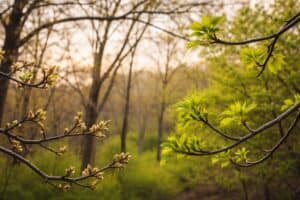
Why Trees Drop Leaves in May in the Dallas-Fort Worth Area If you’ve noticed leaves scattered across your lawn in …
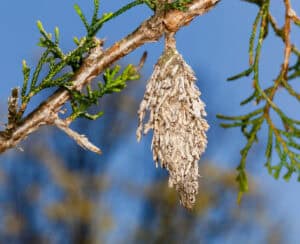
Identify and control bagworms before they damage your North Texas trees and shrubs this season.