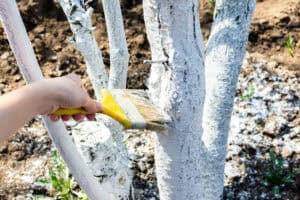
Sunscald and Bark Damage Trees DFW
Protect Your Trees from Sunscald and Bark Damage As May arrives in the Dallas-Fort Worth area, homeowners begin to enjoy …

(Various species)

Locally owned and family operated, proudly serving North Texas. Get your free, no-obligation quote. Or call (972) 521-1552.
Free QuoteWhen it comes to tree and shrub pests, the answer to what they are is simple: unwelcome intruders that damage the health and beauty of our Texas landscapes. Tiny insects like borers, scales, and aphids may seem insignificant on their own, but together they can cause extensive harm by attacking the leaves, bark, and branches of trees and shrubs. Left untreated, these infestations can weaken plants, making them more vulnerable to environmental stress and disease.
At Trees Hurt Too Inc., we don't just stop at pest management; we provide comprehensive tree and shrub care that includes proper monitoring and treatment plans tailored to North Texas conditions. Our certified arborists also specialize in tree disease identification, ensuring problems are caught early before they spread throughout your landscape. With expert care, your trees and shrubs can stay vibrant, resilient, and protected year after year.
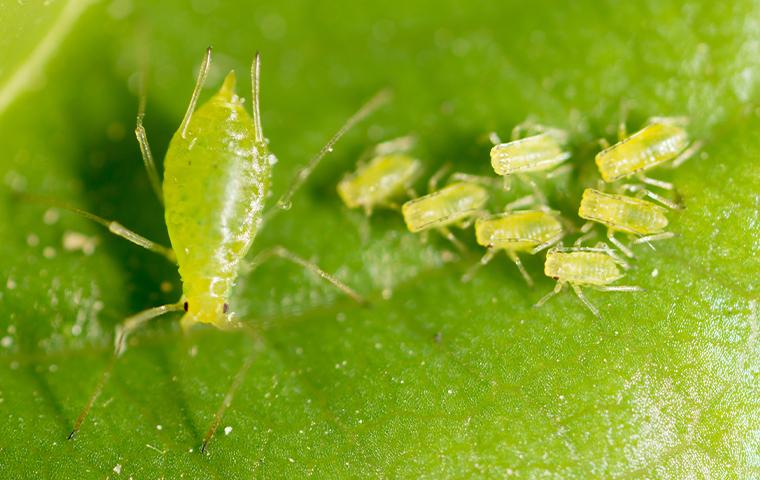
Tree and shrub pests pose a significant threat to both the health and appearance of your landscape. While some infestations may seem minor at first, like small holes in leaves or sticky residue on branches, they can quickly escalate into widespread damage that weakens or even kills plants. Pests such as borers, scales, aphids, spider mites, and caterpillars feed on plant tissues, sap, or leaves, draining the plant's energy and making it more vulnerable to disease, drought, and environmental stress. Over time, this not only compromises the vitality of your trees and shrubs but also diminishes the overall curb appeal and property value of your landscape.
In severe cases, certain pests can also pose indirect hazards beyond aesthetic or structural damage. For instance, weakened limbs from pest-infested trees can become brittle and fall, creating safety risks near buildings, walkways, or parking areas. Additionally, decaying plant material caused by infestation can attract rodents and secondary pests, compounding the problem.
Early pest identification and professional treatment are key to preventing long-term damage. Regular inspections by licensed arborists and integrated pest management strategies help detect infestations before they spread. These proactive measures can preserve plant health, reduce the need for costly replacements, and maintain a vibrant, well-balanced landscape throughout every season.
Tree and shrub pests easily become a problem long before they're visible. Many of these insects are small, discreet, and capable of reproducing rapidly, which allows populations to grow unnoticed until the damage is already severe. Environmental stressors like: drought, compacted soil, excessive pruning, or nutrient deficiencies, can weaken plants and make them more susceptible to attack. When trees or shrubs are under stress, they emit chemical signals that actually attract certain pests, including borers and scales, signaling that the plant is an easy target.
Another common reason infestations take hold is the lack of regular maintenance or monitoring. Without consistent tree and shrub care, it's easy to overlook early warning signs like leaf discoloration, sticky honeydew, frass (insect waste), or thinning canopies. Additionally, urban and suburban landscapes often feature non-native or ornamental species that lack natural defenses against local pests, giving insects an even greater advantage.
Weather conditions also play a major role in pest outbreaks. Warm winters and wet springs can allow pest populations to thrive year-round, while mild temperature fluctuations can extend their breeding cycles. Properties with dense plantings, heavy shade, or poor air circulation can become breeding grounds for insects and fungal pathogens alike.
By understanding the conditions that attract and sustain these pests, homeowners and property managers can take proactive steps to reduce risks, such as proper watering, seasonal fertilization, pruning, and partnering with a professional pest management provider. These efforts create a less inviting environment for pests and ensure your landscape remains healthy, balanced, and beautiful throughout the year.
Tree and shrub pests can be found in nearly every part of your landscape, depending on the type of pest and the plant species they target. Some prefer hidden locations deep within the bark or root system, while others cluster on the undersides of leaves or along tender new growth where they can feed undisturbed. Because each pest has a distinct feeding pattern and life cycle, knowing where to look is key to identifying and managing an infestation before it causes serious harm.
Borers are among the most destructive because they attack from within. After adult beetles lay eggs on bark crevices or wounds, the larvae tunnel through the inner layers of wood, feeding on the living tissue that transports water and nutrients throughout the tree. This internal damage often goes unnoticed until external signs like: sawdust-like frass, exit holes, or thinning canopy, appear, by which time the infestation is well established.
Scales, on the other hand, attach themselves to leaves, twigs, and branches, appearing as small bumps or waxy spots. These insects feed by sucking sap, gradually weakening the plant and leaving behind sticky honeydew that can attract ants and encourage the growth of black sooty mold. Heavy infestations can cause leaf drop, branch dieback, and general decline in vigor.
Aphids tend to gather in clusters on the undersides of leaves, along stems, or near flower buds. Their piercing-sucking mouthparts draw sap directly from plant tissue, causing curling, yellowing, and distortion of leaves. Like scales, they also excrete honeydew, which can lead to fungal growth and further stress on the plant.
Other common pests, such as spider mites, caterpillars, and whiteflies, often inhabit similar areas: undersides of leaves, branch junctions, or shaded portions of plants where air circulation is limited. Regular inspection of these areas, especially during warm months, helps ensure early detection. Partnering with a certified arborist or pest control professional can help pinpoint pest locations, assess the extent of damage, and implement targeted treatments to restore plant health and prevent future outbreaks.
Getting rid of shrub and tree pests requires more than just surface-level treatment; it demands a thorough understanding of pest biology, plant health, and environmental conditions across different service areas. Since many pests hide beneath bark layers, within root zones, or on the undersides of leaves, DIY methods rarely reach the source of the infestation. That's why professional care is the most reliable and long-lasting solution for protecting your landscape.
At Trees Hurt Too, Inc., our licensed plant health specialists take an integrated approach to pest management. We begin by inspecting your property to identify the specific pest species, the extent of damage, and any underlying conditions that may be contributing to the infestation, such as soil imbalance or moisture issues. Then, we develop a customized treatment plan designed to restore your trees and shrubs to full health while preventing future outbreaks.
Our environmentally responsible treatments include the use of low-impact, green products that target harmful pests without endangering beneficial insects or pollinators. From systemic injections that reach deep into a tree's vascular system to targeted sprays and soil health programs, we offer tailored solutions that deliver results across all our service areas.
Whether you're managing a single residential landscape or maintaining multiple commercial properties, our goal is to help you protect your investment and preserve the beauty of your greenery year-round. To learn more about our effective tree and shrub pest control options or to schedule a consultation with one of our experienced professionals, contact Trees Hurt Too, Inc. today.
Preventing problems with tree and shrub pests can be challenging, especially in Texas where changing weather patterns, drought stress, and dense vegetation create ideal conditions for infestations. Insects like aphids, borers, and scales can quickly spread and cause significant damage before you even notice they're there. The best way to stay ahead of these issues is through consistent, proactive care that includes regular inspections, proper fertilization, and timely pest control treatments.
Partnering with Trees Hurt Too, Inc. means having a team of experienced professionals who understand local pest behavior and the specific needs of North Texas landscapes. Our experts will monitor your property year-round, identify early warning signs, and apply targeted treatments designed to protect your trees and shrubs before pests take hold. With ongoing maintenance and preventative programs, we help ensure your outdoor spaces stay healthy, vibrant, and pest-free, season after season.
Stay informed about lawn care, tree care and pest related issues in your area!
Protect Your Trees from Sunscald and Bark Damage As May arrives in the Dallas-Fort Worth area, homeowners begin to enjoy …
Why Trees Drop Leaves in May in the Dallas-Fort Worth Area If you’ve noticed leaves scattered across your lawn in …
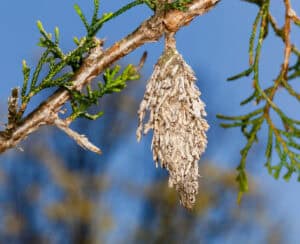
Identify and control bagworms before they damage your North Texas trees and shrubs this season.