

Arlington homeowners value their trees not only for the shade and curb appeal they provide but also for the sense of permanence and beauty they bring to a property. Trees stand resilient through storms, droughts, and changing seasons, yet even the strongest specimens can experience stress from pests, poor soil, or environmental challenges. Watching your trees thrive year after year is rewarding, and ensuring that health requires more than water and sunlight. Proper nutrition and preventive care are key.
That’s where professional tree and shrub care makes all the difference. One of the most effective techniques for revitalizing trees is deep root feeding. This method delivers a concentrated blend of nutrients directly into the root zone, bypassing compacted soil and ensuring trees get the essential minerals they need. As a result, trees develop stronger root systems, greater resistance to disease, and improved tolerance to drought, an especially important factor given Arlington’s clay-heavy soils and unpredictable weather.
Healthy trees don’t exist in isolation. They’re part of your landscape ecosystem, which is why our comprehensive approach combines comprehensive lawn care programs with targeted pest control services. A nourished lawn supports soil health, which in turn benefits nearby trees, while proactive pest management keeps harmful insects from attacking weakened or nutrient-deficient plants. Together, these services create a balanced environment where your trees, shrubs, and turf can flourish.
If your trees are showing signs of thinning canopies, yellowing leaves, or slowed growth, deep root feeding may be the solution they need. Investing in this specialized care today can extend the life of your trees and keep your Arlington property looking vibrant for years to come.
What Is Fertilization and Why It Falls Short for Trees
Fertilization is a common practice for promoting plant health. Whether it’s a lawn, flowerbed, or vegetable garden, applying fertilizer helps improve growth, color, and root development. However, when it comes to trees, traditional surface fertilization methods fall short. Most fertilizers sit on the soil’s surface and primarily benefit shallow-rooted plants.
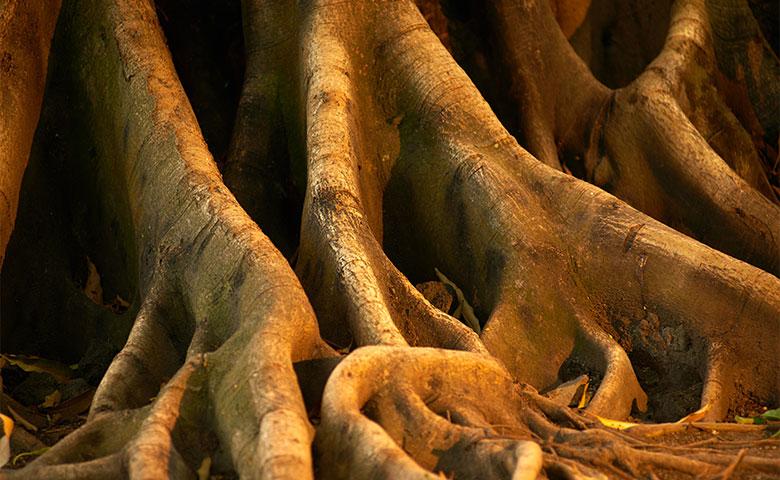
Trees, on the other hand, have root systems that extend deeper underground. Many of the vital nutrients they require can’t reach these deeper roots through surface applications alone, especially in Arlington's compact clay soil.
Over time, nutrient depletion, erosion, and poor watering practices can strip away essential elements from the upper soil layer, making deep fertilization necessary to restore balance and promote optimal tree health.
What Is Deep Root Feeding?
Deep root feeding, also called tree root feeding, involves injecting a liquid fertilizer solution directly into the soil near the tree's root system. Using specialized equipment, a trained technician drives a probe about 8–12 inches into the ground and injects a nutrient-rich solution under pressure. This method allows nutrients to reach the parts of the tree that need them most: the feeder roots.
This technique also improves soil aeration, reducing compaction and promoting microbial activity underground. In areas like Arlington, where clay-heavy soils tend to become compacted and water-resistant, deep root feeding revitalizes the root environment and helps the tree access nutrients and oxygen more efficiently.
The process supports everything from leaf development to flowering and disease resistance, giving your trees the foundation they need to thrive.
Why Your Trees Might Need Deep Root Feeding
Trees don’t always show their stress clearly, but several signs indicate when a tree might benefit from deep root feeding for plants:
1. Slow or Stunted Growth
If your tree seems smaller or less vibrant than others of the same species or age, it may be lacking vital nutrients at the root level. Deep feeding corrects deficiencies quickly.
2. Discolored or Drooping Leaves
Yellowing, browning, curling, or prematurely falling leaves could be signs of poor nutrition or struggling roots. Deep feeding addresses the issue where it starts.
3. Compact or Disturbed Soil
Soil that’s hard, dry, or recently disturbed by construction can suffocate roots. Injecting nutrients directly can bypass surface damage and reach viable roots.
4. Recovery After Drought, Insects, or Disease
Trees that have suffered from pest infestations or drought conditions are often nutrient-deprived. Deep root fertilization gives them the resources needed for recovery.
5. Preparing Trees for Seasonal Change
Deep root feeding in spring and fall boosts the tree’s energy reserves during critical growth and dormancy transitions.
Benefits of Deep Root Feeding for Plants and Trees
Whether you have ornamentals, fruit trees, or shade trees, deep feeding trees offers numerous advantages:
- Enhanced Root Development: Feeder roots grow stronger and denser.
- Improved Leaf and Canopy Growth: Trees display more vibrant foliage and fuller crowns.
- Better Drought Resistance: Well-fed trees tolerate water shortages and heat stress more effectively.
- Greater Resistance to Pests and Disease: Healthy trees are less vulnerable to infection and insect activity.
- Stronger Soil Ecosystem: Aerated and nourished soil supports beneficial fungi and microbes essential for long-term plant health.
Best Times of Year for Deep Root Fertilization in Arlington
The ideal times for deep root feeding are early spring (March–April) and mid-fall (October–November). These windows coincide with natural periods of root development, helping your trees prepare for vigorous growth or winter dormancy.
However, emergency fertilization is possible year-round if a tree is clearly declining. During extremely hot or dry periods in summer, deep root feeding must be done cautiously to avoid shocking the tree or encouraging overgrowth in high heat.
How Often Should You Perform Deep Root Feeding?
- Healthy, mature trees: Once annually is typically sufficient.
- Young, stressed, or recovering trees: Twice a year for better results.
- Urban landscapes with compact soil: Consider routine evaluations to determine ideal frequency.
Our technicians tailor a fertilization schedule based on the species, age, and stress factors affecting your trees.
Deep Root Feeding vs. Surface Fertilizer
| Factor | Surface Fertilizer | Deep Root Feeding |
|---|---|---|
| Target Area | Topsoil | Root zone (8–12 inches underground) |
| Nutrient Absorption | Limited for trees | Maximized for trees |
| Runoff Risk | High | Minimal |
| Soil Aeration | None | Yes |
| Tree Effectiveness | Low | High |
| Best For | Lawns and flowers | Trees and large shrubs |
How Trees Hurt Too Inc. Can Help
Trees Hurt Too Inc. provides expert deep root feeding services customized for Arlington’s unique environment. Our ISA-certified team uses state-of-the-art injection equipment and custom-blended fertilizers designed for North Texas soil.
Our service includes:
- Tree health evaluation and diagnosis
- Soil condition analysis
- Nutrient mix tailored to tree species and condition
- Safe and precise injection technique
We also offer full maintenance plans to ensure your trees stay healthy all year long, especially after damage or during drought recovery.
Explore our Tree Care and Root Zone Health Programs
Frequently Asked Questions
What trees benefit most from deep root feeding?
All trees benefit, especially oaks, maples, elms, pecans, and ornamentals under stress or in compacted soil.
Is deep root feeding harmful if done too often?
Too frequent feeding can cause overgrowth or nutrient imbalances. A professional evaluation ensures proper timing.
Can deep root feeding help trees recovering from storm damage?
Yes. After a storm, trees may be stressed or root-damaged. Deep feeding helps them rebuild strength and recover faster.
Is it okay to deep feed trees during the summer?
With caution. Deep root feeding can be done in summer if needed, but must be carefully timed and watered in properly to avoid stress.
How do I know if my tree needs deep root feeding?
Signs include thinning canopy, discolored leaves, stunted growth, recent construction near roots, or drought exposure.
Want your trees to grow strong and live longer?
Request a free consultation for deep root feeding today and let Trees Hurt Too Inc. bring lasting health and vitality to your Arlington landscape.