

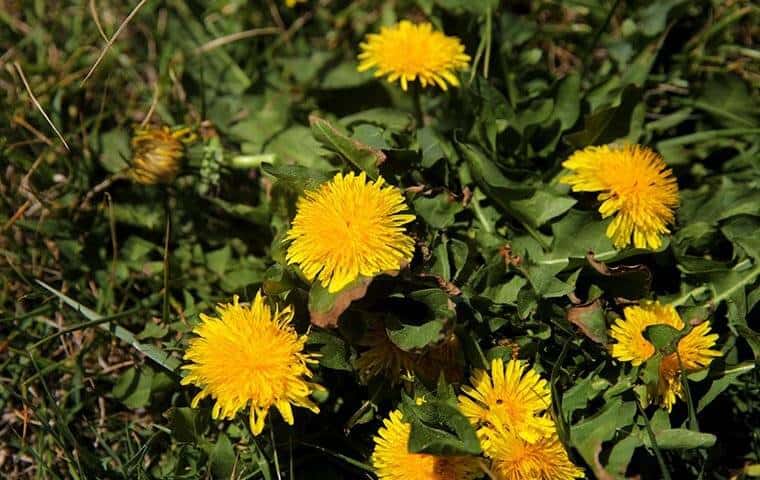
Weeds do more than spoil the appearance of your yard; they aggressively compete with grass for vital water, nutrients, and sunlight, often leaving behind thin, patchy turf. In Arlington’s warm climate, many weed species can thrive year-round, making proactive prevention a must for any homeowner. That’s why professional weed identification and control is so important; knowing exactly what types of weeds are invading your lawn allows for more precise treatment and long-lasting results. With customized lawn care programs from Trees Hurt Too Inc., your property gets targeted protection through pre-emergent applications that stop weeds before they sprout, preserving both the health and beauty of your turf.
What is Pre-Emergent Weed Control?
Pre-emergent weed control is a proactive lawn care strategy that stops weeds before they even break through the soil. Rather than targeting visible, mature weeds, pre-emergents work at the seed level by forming an invisible chemical barrier in the top layer of soil. This barrier disrupts the germination process, preventing weed seedlings from developing roots and leaves.
When properly timed and applied, pre-emergent treatments protect your lawn from invasive weeds like crabgrass, Dallisgrass, spurge, goosegrass, henbit, and annual bluegrass, all of which can be common in Arlington landscapes. By stopping weeds at this early stage, you reduce competition for sunlight, water, and nutrients, which allows your turf to grow thicker and healthier without the constant need for manual weeding or post-emergent sprays.
How Pre-Emergents Work
- Seasonal Application Windows: Treatments are applied before weed seeds germinate, making timing critical.
- Protective Soil Barrier: A thin layer of herbicide in the topsoil blocks the sprouting process.
- Targeted Weed Disruption: Designed to stop the root and shoot growth of specific weed species common to North Texas lawns.
This barrier remains active for a set period, usually several weeks to a few months, depending on the product and weather conditions. Professional lawn care providers like Trees Hurt Too Inc. monitor local soil temperatures and weather patterns to determine the ideal application schedule.
Why Timing Matters in Arlington
The North Texas climate creates year-round opportunities for weeds to invade, meaning both warm-season and cool-season weeds need to be addressed. Missing the optimal application window can allow seeds to germinate, making them much harder to control.
- Early Spring (February–March): Targets warm-season weeds such as crabgrass, spurge, and goosegrass before they sprout during rising temperatures.
- Fall (September–October): Prevents cool-season weeds like annual bluegrass (Poa annua) and henbit from emerging as temperatures cool.
Because germination is influenced more by soil temperature than the calendar date, pre-emergent applications in Arlington are best timed when soil temperatures consistently reach around 55°F for spring weeds and begin to drop below 70°F for fall weeds. Applying too early may cause the barrier to break down before seeds sprout, while applying too late allows weeds to establish and bypass the barrier entirely.
Combining Pre-Emergents with a Full Lawn Care Program
For maximum results, pre-emergent weed control should be paired with regular fertilization, soil health improvement, and consistent watering schedules. Our Commercial Weed Control & Fertilization Services and Full-Service Lawn & Ornamental Package offer year-round protection tailored to Arlington’s unique growing conditions.
For more in-depth weed identification and prevention tips, see our Common Lawn Weeds Guide.
Explore our Lawn Care Services for year-round weed prevention
Benefits of Pre-Emergent Weed Control
- Prevents weed germination: Stops problems before they appear, reducing long-term maintenance
- Improves lawn health: Allows turfgrass to develop strong roots without competition
- Enhances curb appeal: Maintains an even, uniform green lawn
- Saves time and money: Reduces the need for frequent post-emergent treatments and labor-intensive weeding
Common Arlington Weeds Stopped by Pre-Emergents
Pre-emergent herbicides are one of the most effective tools for keeping Arlington lawns free from invasive and unsightly weeds. By creating an invisible barrier in the soil, these treatments stop weed seeds from germinating before they become a problem. This proactive approach protects your grass from competing plants that steal water, sunlight, and nutrients.
Here are some of the most stubborn local weeds that can be effectively controlled with timely pre-emergent applications:
- Crabgrass: This summer annual thrives in the intense Texas heat, quickly spreading through bare or thin turf. Seeds germinate in early spring when soil temperatures reach around 55°F, so the first pre-emergent application should be done in late winter or very early spring. Without this step, crabgrass can dominate your yard all summer.
- Spurge: Often found in sunny, dry spots with weak turf, spurge spreads aggressively and produces hundreds of seeds in a single season. Apply pre-emergent in early spring before temperatures consistently rise, as spurge germinates quickly once the soil warms.
- Dallisgrass: A tough perennial grassy weed, Dallisgrass forms coarse clumps that can ruin the appearance of a smooth, green lawn. While difficult to control once mature, pre-emergent treatments in late winter and early summer can significantly reduce seed germination and spread.
- Annual Bluegrass (Poa annua): This cool-season annual emerges in fall and can disrupt the uniform color of your lawn during winter and spring. Pre-emergent applications in early fall help prevent seeds from sprouting when cooler temperatures arrive.
- Goosegrass: Common in compacted soil areas, goosegrass germinates later in spring than crabgrass, so a second pre-emergent application in late spring can be helpful. It thrives in high-traffic spots, making consistent prevention important.
- Henbit: A winter annual broadleaf weed, Henbit germinates in fall and blooms in early spring, spreading rapidly if untreated. A fall pre-emergent application prevents it from taking over your lawn during the cooler months.
Seasonal Pre-Emergent Strategy for Arlington Lawns
Because these weeds have different germination periods, many Arlington lawns benefit from split pre-emergent applications, one in late winter/early spring to prevent summer weeds like crabgrass and goosegrass, and one in early fall to stop cool-season weeds like annual bluegrass and henbit. Partnering with a professional lawn care company ensures your applications are timed correctly for our North Texas climate.
At Trees Hurt Too Inc., we combine precise pre-emergent scheduling with our complete Commercial Weed Control & Fertilization Services to keep lawns healthy and weed-free year-round. For homeowners who want full lawn and ornamental plant protection, our Full-Service Lawn & Ornamental Package offers ongoing care that includes pre-emergents, targeted treatments, and seasonal fertilization.
For more on how to protect your lawn from these and other invasive plants, see our guide on Common Lawn Weeds in Arlington.
Professional vs. DIY Pre-Emergent Application
While DIY pre-emergent products are easy to find at garden centers and home improvement stores, applying them effectively requires more than just spreading granules or spraying liquid. The difference between a professional application and a do-it-yourself approach often comes down to product choice, timing, and precision, all of which can make or break your weed control results.
Advantages of Professional Pre-Emergent Application
1. Correct Product Selection for Your Lawn’s Needs
Not all pre-emergent herbicides work the same way, and using the wrong one can harm your lawn. A professional will select a product formulated for your specific grass type (such as Bermuda, Zoysia, or St. Augustine) and your weed profile. For example, some products are better for controlling grassy weeds like crabgrass and Dallisgrass, while others are more effective against broadleaf weeds like henbit and spurge. This targeted approach ensures your pre-emergent is safe for your turf while stopping the weeds most likely to appear in Arlington’s climate.
2. Precision Timing for Maximum Effectiveness
In North Texas, the success of a pre-emergent application hinges on applying it at just the right time, based on soil temperature trends and local weather patterns. Professionals track these conditions closely, ensuring applications are scheduled before the first wave of weed seeds germinates. This prevents wasted effort and ensures your lawn stays protected during both warm- and cool-season weed cycles.
3. Even, Consistent Coverage
One of the most common mistakes with DIY pre-emergent applications is uneven coverage, which leaves untreated gaps in your lawn. Weeds can easily sprout in these gaps and spread across your yard. Professionals use calibrated spreaders and sprayers to apply herbicides evenly, ensuring a uniform protective barrier across your property.
4. Integration with a Complete Lawn Care Program
Pre-emergent weed control works best when it’s part of a larger, ongoing lawn maintenance strategy. Professional services, like our Commercial Weed Control & Fertilization Services, incorporate pre-emergents into a year-round plan that includes fertilization, soil health improvement, pest control, and seasonal treatments. This comprehensive care approach not only keeps weeds at bay but also promotes a thicker, healthier lawn that naturally resists future weed growth.
When DIY Pre-Emergent Application Might Be an Option
If you have a small lawn, basic equipment, and a good understanding of local weed germination patterns, a DIY approach can be cost-effective. However, even in these cases, it’s essential to carefully read and follow product labels, measure your lawn accurately, and apply at the correct time for Arlington’s climate.
Bottom Line: Choosing the Best Approach for Your Lawn
DIY pre-emergent treatments can be tempting, but the margin for error is small. A single missed window or uneven application can result in a season-long battle with weeds. Professional lawn care ensures every step, from product choice to precise application, is handled correctly, protecting your investment in your home’s curb appeal.
For homeowners who want lasting results without the guesswork, our Full-Service Lawn & Ornamental Package offers scheduled pre-emergent treatments along with a full suite of lawn and ornamental care services.
Contact us for professional pre-emergent weed control in Arlington
Long-Term Weed Management Strategy
A single pre-emergent application can provide excellent short-term weed control, but for lasting results, it should be part of a comprehensive, year-round lawn health plan. By strengthening your turf, you make it naturally more resistant to invasive plants. In Arlington’s climate, where both warm- and cool-season weeds are a constant threat, a multi-pronged approach ensures your lawn stays lush and healthy all year.
1. Regular Mowing at the Proper Height
Keeping your grass at the recommended height for its variety is one of the simplest ways to prevent weeds. Taller turf shades the soil, reducing sunlight exposure that triggers weed seed germination. For example, Bermuda grass typically thrives at 1–2 inches, while St. Augustine prefers 2.5–4 inches. Avoid scalping, as this weakens turf and creates open areas where weeds can establish.
2. Proper Watering Practices
Deep, infrequent watering encourages your grass to develop deep root systems, making it more drought-tolerant and competitive against weeds. In Arlington, most lawns require about 1 inch of water per week, either from rainfall or irrigation. Watering early in the morning reduces evaporation loss and helps prevent fungal diseases.
3. Balanced Fertilization for Healthy Turf
A lawn that receives the right nutrients grows thicker, recovers faster from stress, and shades out potential weed growth. Fertilization should be tailored to your grass type, soil condition, and season. Our Lawn Care Package includes scheduled feedings with balanced nutrients to strengthen your lawn’s natural weed resistance.
4. Core Aeration to Improve Soil Health
Soil compaction limits the flow of air, water, and nutrients to grass roots. Core aeration, the process of removing small plugs of soil, helps relieve compaction, promotes deeper root growth, and enhances the effectiveness of pre-emergent and fertilization treatments. In North Texas, aeration is best done in late spring or early fall, depending on your turf type.
5. Overseeding for a Dense, Weed-Resistant Lawn
Thin or bare patches in your lawn are prime targets for weed invasion. Overseeding fills these gaps with desirable grass, increasing turf density so there’s less open space for weeds to establish. For cool-season grasses, overseeding in early fall works best, while warm-season grasses benefit from late spring seeding after soil temperatures warm.
Combining Strategies for Year-Round Results
When pre-emergent weed control is integrated with proper mowing, watering, fertilization, aeration, and overseeding, you create a healthy lawn that naturally resists weeds. This proactive approach means less reliance on post-emergent herbicides and more time enjoying a beautiful, low-maintenance yard.
For a complete, professional plan tailored to Arlington’s unique growing conditions, our Full-Service Lawn & Ornamental Package combines all these strategies into a convenient, scheduled service that keeps your lawn protected every season.
Learn about our Total Lawn & Pest Protection Package
Frequently Asked Questions About Pre-Emergent Weed Control
Will pre-emergent kill existing weeds?
No. Pre-emergent herbicides are designed to stop seeds from sprouting, not to eliminate weeds that have already grown. If you already have visible weeds in your lawn, you’ll need a post-emergent herbicide or manual removal to address them. Combining post-emergent spot treatments with scheduled pre-emergent applications ensures your lawn remains protected throughout the year. For help with persistent or widespread weed problems, our Commercial Weed Control & Fertilization Services can provide a customized solution.
How often should I apply pre-emergent in Arlington?
In the Arlington climate, pre-emergents are typically applied twice a year for optimal coverage:
- Early Spring (February–March): Prevents warm-season weeds like crabgrass, spurge, and goosegrass before the soil warms enough for germination.
- Early Fall (September–October): Stops cool-season weeds such as annual bluegrass (Poa annua) and henbit from establishing before winter.
Depending on the severity of weed pressure and your lawn’s condition, some properties may benefit from additional split applications or extended-coverage treatments to maintain effectiveness between seasons.
Is pre-emergent safe for pets and family?
When applied correctly and allowed to dry, most modern pre-emergent herbicides are considered safe for people, pets, and wildlife. The key is to follow label directions and avoid lawn use until the treated area has dried completely. If you’re concerned about safety or want eco-friendly solutions, our team can recommend products that meet your family’s needs while still delivering effective weed prevention.
Can I seed my lawn after using pre-emergent?
Caution is needed here. Pre-emergents don’t differentiate between weed seeds and grass seeds, they block germination of both. If you plan to seed or overseed your lawn, you should wait until the product’s residual activity has fully worn off. This waiting period varies depending on the herbicide used, typically ranging from 6 to 16 weeks. If you’re scheduling seasonal seeding, our Lawn Care Package can help plan a program that balances weed prevention with healthy new turf growth.
Do I still need pre-emergent if I mow regularly?
Yes. While mowing helps keep your lawn looking neat and can prevent certain weeds from flowering and seeding, it does nothing to stop seeds already in the soil from germinating. Pre-emergent herbicides work below the surface, ensuring those seeds never sprout in the first place.
Will heavy rain wash away my pre-emergent application?
Most pre-emergents actually require light watering or rainfall to activate in the soil. However, excessive heavy rain shortly after application can dilute the product and reduce its effectiveness. This is why timing your application with the weather forecast, or letting a professional service handle it, is important.
A healthy, weed-free lawn in Arlington starts long before the first weeds appear; it begins with prevention. At Trees Hurt Too Inc., we understand that consistent care and proper timing make all the difference. Our comprehensive lawn care packages includes expertly timed pre-emergent applications specifically formulated for North Texas conditions. These treatments stop weeds before they sprout while supporting strong, resilient turf growth throughout every season. By targeting problem areas early and nourishing your grass from the roots up, our specialists ensure your yard remains vibrant, lush, and ready to enjoy year-round, without the constant battle against unwanted growth.