


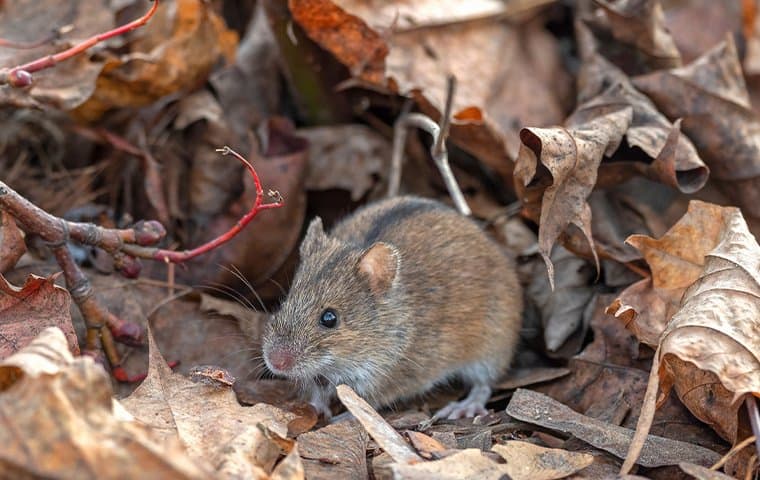
Rodents are more than just an annoyance; they can cause serious property damage, contaminate food and water sources, and spread harmful diseases like hantavirus and salmonella. In Arlington, TX, the blend of warm weather, suburban neighborhoods, and surrounding natural areas creates an ideal environment for rodent activity. Effective protection starts with professional rodent prevention and control strategies that address both current infestations and long-term risks. By combining proactive measures, targeted treatments, and ongoing monitoring, trusted pest control services help homeowners safeguard their property and maintain a healthier, pest-free living space.
Understanding Rodent Behavior in Arlington
The most common rodents in our area include Norway rats, roof rats, and house mice. Each species has distinct nesting habits, feeding preferences, and entry methods. Norway rats prefer basements and ground floors, roof rats gravitate toward attics and upper levels, and house mice can adapt to almost any environment.
Signs of rodent activity include:
- Gnaw marks on wood, wires, pipes, and furniture
- Droppings found along walls, in cabinets, or behind appliances
- Noises such as scratching, squeaking, or running in walls and ceilings
- Nesting material like shredded paper, fabric, or insulation
- Grease marks or “rub marks” along walls from repeated rodent travel paths
Understanding the species invading your property is crucial for targeted control.
Step 1: Exclusion: Sealing Entry Points
Exclusion is the foundation of rodent prevention. Rodents can squeeze through incredibly small openings, a quarter-sized gap for rats, a dime-sized gap for mice.
Effective exclusion measures include:
- Installing door sweeps and weather stripping on all exterior doors
- Filling foundation cracks, siding gaps, and utility pipe openings with steel wool and sealing with caulk
- Installing rodent-proof mesh on vents, chimneys, and crawl space openings
- Repairing or replacing damaged window and door screens
The goal is to create a complete barrier so rodents cannot enter your home in the first place.
Learn more about our comprehensive Pest Control services
Step 2: Sanitation: Removing Attractants
Even a well-sealed home will attract rodents if food and water sources are readily available.
Sanitation best practices:
- Keep all pantry and pet food in sealed, rodent-proof containers
- Clean up food crumbs and spills promptly
- Empty trash bins frequently and use tight-fitting lids
- Eliminate standing water sources like leaky faucets or pet water bowls left overnight
- Remove yard debris, clutter, and dense vegetation close to the home to reduce sheltering spots
A clean environment forces rodents to look elsewhere for survival.
Step 3: Trapping and Removal
If rodents have already made their way inside, swift removal is essential to prevent them from breeding and expanding their territory.
Trapping methods include:
- Snap traps: Effective and humane when used properly; place along walls and near suspected runways
- Live traps: Allow catch-and-release but require compliance with local wildlife regulations
- Bait stations: Useful for larger infestations but should be managed by professionals to protect non-target animals and children
Trapping works best in combination with exclusion and sanitation.
Step 4: Repellents and Deterrents
Repellents may help reduce activity but are not a standalone solution.
Options include:
- Ultrasonic devices that emit high-frequency sounds to deter rodents
- Natural repellents such as peppermint oil, predator urine, or ammonia
- Motion-activated lights or sprinklers for outdoor deterrence
While these can discourage initial entry, they work best alongside more permanent measures.
Step 5: Professional Rodent Control Services
For large or persistent infestations, professional intervention ensures thorough removal and prevention.
Professional rodent control services provide:
- Detailed property inspection to identify nesting areas and entry points
- Customized trapping and baiting strategies
- Ongoing monitoring to detect new activity early
- Sanitation and exclusion recommendations tailored to your home
- Safe disposal of rodents and contaminated materials
Contact our team for expert rodent control services
Long-Term Prevention Strategies
- Schedule annual or biannual pest inspections to catch issues early
- Keep landscaping trimmed, especially tree branches near roofs
- Maintain a clutter-free garage and attic to reduce nesting options
- Regularly inspect and reseal gaps or cracks in the home’s structure
- Work with a pest control professional for routine monitoring and prevention
Explore our Total Lawn & Pest Protection Package
Frequently Asked Questions
What is the fastest way to get rid of rodents in my home?
A combination of sealing entry points, strategic trapping, and eliminating food sources provides the quickest results.
Are natural repellents effective against rodents?
They can help deter some rodents but are most effective when used in conjunction with exclusion and sanitation.
When should I call a professional?
If you see multiple signs of infestation, hear persistent noises, or find damage that indicates an established colony, professional help is recommended.
How can I prevent rodents year-round?
Maintain strict sanitation, routinely inspect for and seal entry points, and partner with a pest control expert as part of a total lawn and pest protection plan for your property. Prevention is always more effective than dealing with infestations after they occur.
Rodent control in Arlington is about prevention as much as elimination. Understanding rodent behavior, sealing potential entryways, and removing food or water sources all play an essential role in long-term protection. When combined with professional services, you can safeguard your home, lawn, and family from future infestations. This integrated approach not only keeps rodents away but also helps protect your outdoor spaces from insects and other pests, ensuring a cleaner, healthier environment year-round.