
Tree Health Care Program: Stronger Trees Start at the Roots

Proactive care for the mature trees on your property
Locally owned and family operated, proudly serving North Texas. Get your free, no-obligation quote. Or call (972) 521-1552.
Free Tree Evaluation
The Tree Health Care Program Is a Twice-Yearly Root Zone Treatment
The Trees Hurt Too Inc. Tree Health Care Program is a scheduled root zone treatment applied twice each year, in spring and in fall. It serves established trees in Fort Worth, Arlington and across Tarrant County. Each treatment is placed throughout the tree's root zone rather than sprayed on the surface. The program supports root development, soil biology, stress tolerance and disease management, season after season.
Mature trees are among the most valuable parts of a North Texas landscape. A tree does not have to look sick to be under stress. Preventive care is designed to reach a tree while it is still healthy, which is when support does the most good.
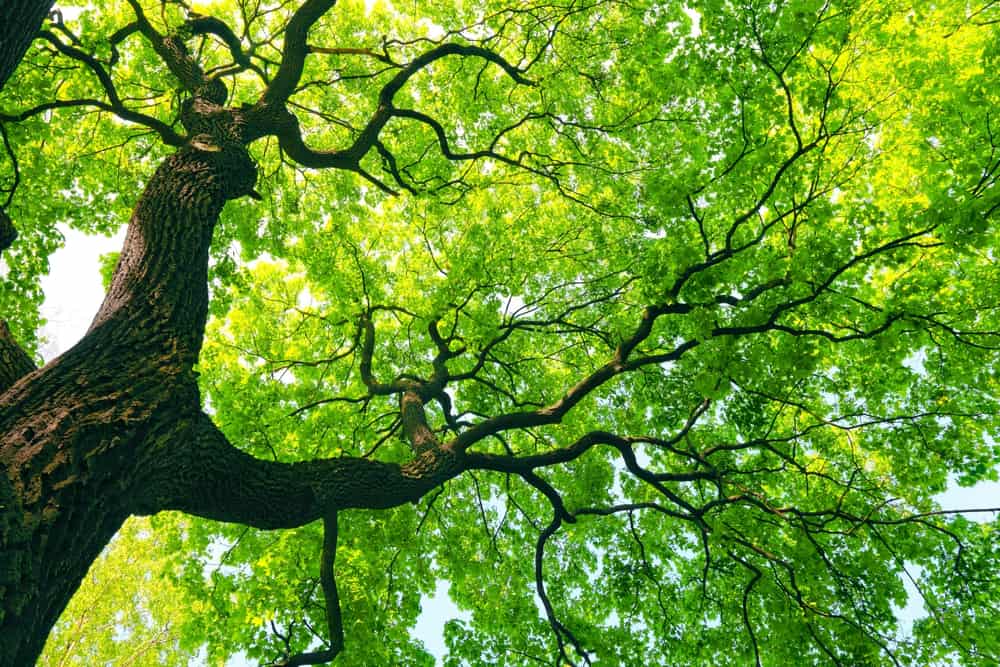
North Texas Puts Mature Trees Under Constant Stress
Trees in Tarrant County grow in conditions that would challenge any species. Extreme summer heat, extended drought, and heavy clay soil that compacts and cracks all work against a healthy root system at the same time.
Construction traffic, driveways, irrigation changes and turf competition add more pressure. Insects and disease then find trees that are already weakened, which is how a slow decline turns into a visible problem.
- Heat and drought: triple-digit summers pull moisture out of the root zone faster than a tree can replace it.
- Compacted clay: Tarrant County clay restricts oxygen and water movement to fine feeder roots.
- Construction stress: grading, trenching and vehicle traffic damage roots the homeowner never sees.
- Insect pressure: borers, aphids, scale, spider mites and bagworms target stressed trees first.
- Disease pressure: oak wilt, hypoxylon canker, root rot, leaf spot, anthracnose and fire blight are all present in North Texas.
Waiting until a tree is in serious decline narrows the options. A tree treated before decline sets in has more root system, more stored energy and more time to respond.
This Is More Than Fertilizer
Fertilizer adds nutrients to soil. The Tree Health Care Program treats the environment those roots live in, which is a different job. Treatment is built around the tree's own ability to grow, recover and defend itself.
The specialized treatments used in the program are designed to:
- Support healthy root development
- Improve the root zone environment
- Support beneficial soil biology
- Increase tolerance to heat, drought and environmental stress
- Help manage certain tree diseases
- Provide systemic insect protection when appropriate
- Promote long-term tree health and vitality
Trees Hurt Too Inc. builds these treatments around natural and carbon-based products. That includes the carbon-based nutrients and mycorrhizal fungi used in deep root feeding and root inoculation. Healthy trees, lawns and soil are interconnected, and the root zone is where that connection lives.
Two Important Treatments Each Year
The program runs on a two-visit schedule that matches the North Texas growing season. Each visit has a different job.
Spring: Protect and Strengthen
The spring root zone treatment prepares trees for the growing season ahead. It combines disease management, root and soil health support, and systemic insect protection when the tree and the site call for it.
Spring is when a tree spends stored energy on new growth. Support delivered before that push helps the tree fund it from a stronger position.
Fall: Recover and Prepare
After another demanding North Texas summer, the fall treatment focuses on root health, soil biology and disease management. It also helps stressed trees prepare for the next growing season.
Root activity continues after the canopy slows down. Fall treatment reaches roots during that window, while soil is still warm enough for the tree to use what it receives.

How the Treatment Is Applied
Surface spraying puts product where roots are not. The Tree Health Care Program applies treatment professionally throughout the root zone, which puts it where it matters most.
- Free on-site evaluation. An arborist walks the property, identifies the trees, and assesses canopy condition, soil and site history.
- Root zone mapping. Feeder roots extend well past the drip line, so the treatment area is set by the tree, not by the trunk.
- Root zone application. Treatment is placed throughout the root zone at the depth where fine feeder roots take up water and nutrients.
- Seasonal follow-up. The next scheduled visit reassesses the tree before treating again, so the program responds to what changed.
Trees showing active disease or insect activity may need targeted work alongside the program. Tree injections and microinjection technology place nutrients, fungicides or insecticides directly into the tree, with up to two-year protection from a single treatment.
Decline Begins Before the Symptoms Show
Most serious tree conditions develop underground or inside the tree long before anything is visible from the driveway. Thinning canopy, small leaves, dieback at branch tips and early fall color are late signals, not early ones.
By the time a homeowner notices, the tree has usually been losing ground for one or more seasons. Root loss, soil compaction and vascular disease all progress quietly.
Preventive care changes the timeline. It supports trees while they are still healthy and protects the investment already made in the landscape. If a tree is already showing symptoms, a tree health diagnosis comes first, so treatment targets the actual condition.
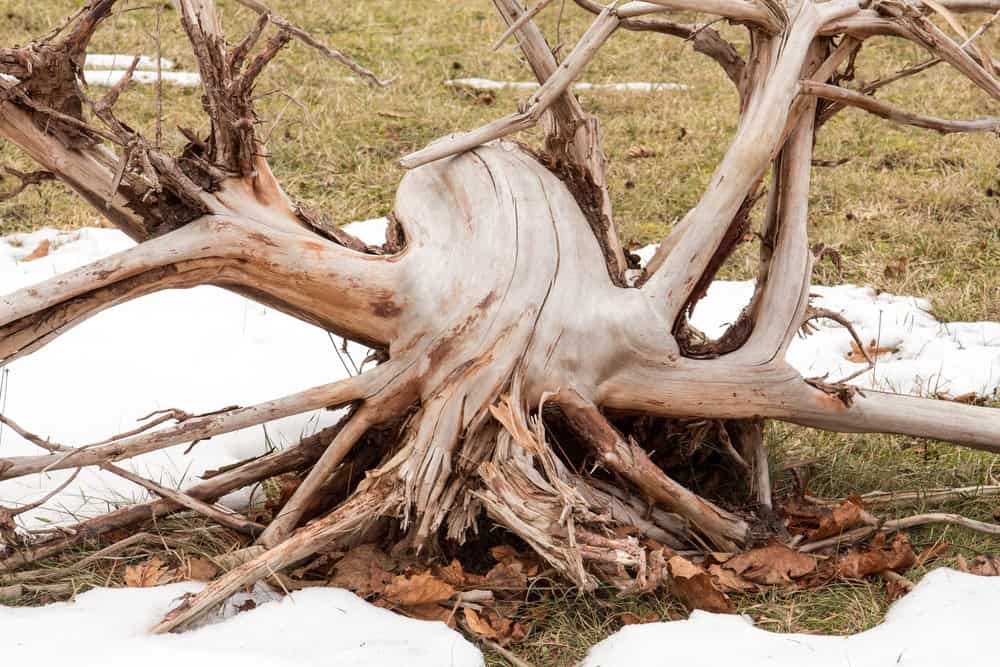
Tree Health Care Across Tarrant County and North Texas
We treat trees across Fort Worth, Arlington, Mansfield, Keller, Southlake, Grapevine and Colleyville. Service continues through North Richland Hills, Hurst, Euless, Bedford and Burleson. The program also reaches Irving, Grand Prairie, Coppell, Carrollton, Duncanville, Midlothian, Trophy Club, Highland Park, University Park and Oak Cliff.
Our program is led by an ISA Certified Arborist and carried out by Licensed Plant Health Care Professionals. Trees Hurt Too Inc. is BBB A+ accredited, Good Contractors List Guaranteed, and has served the community for over 28 years. We are locally owned and family operated, and we do not cut, trim or remove trees. Our work is keeping the trees you have healthy.
Schedule Your Free Tree Evaluation
Frequently Asked Questions: Tree Health Care Program
1. What is a tree health care program?
A tree health care program is a scheduled root zone treatment plan for established trees. The Trees Hurt Too Inc. program applies two treatments a year, in spring and fall. Each treatment supports root development, soil biology, stress tolerance and disease management on North Texas properties.
2. Is tree health care the same as fertilizing a tree?
No. Fertilizer adds nutrients to soil. The Tree Health Care Program treats the whole root zone environment the tree lives in. It supports soil biology, root development, disease management and systemic insect protection when appropriate. The goal is a tree better able to grow, recover and defend itself.
3. How often are trees treated?
Twice a year. The spring treatment prepares trees for the growing season. The fall treatment helps trees recover from summer heat and drought stress and prepare for the following spring. Both treatments are applied throughout the root zone. Trees under active disease or insect pressure may need targeted work alongside the program.
4. My tree looks fine. Does it still need treatment?
Often yes. Most serious tree conditions develop underground or inside the tree long before visible symptoms appear. Preventive treatment supports a tree while it is still healthy, which is when support does the most good. A free arborist evaluation is the way to find out where a specific tree stands.
5. Who applies the treatment?
Licensed Plant Health Care Professionals apply the treatment, under a program led by an ISA Certified Arborist. Trees Hurt Too Inc. is BBB A+ accredited and holds Certified Applicator licensing in Texas for lawn and ornamental work. Founder Ken Hewlett holds ISA Certified Arborist license Tx-3265-A.
6. How do I enroll my trees in the program?
Call or text (972) 521-1552 for a free on-site evaluation. An arborist walks the property, assesses the trees and the soil, and recommends whether the spring and fall program fits. The evaluation carries no obligation. Trees Hurt Too Inc. serves Tarrant County and surrounding Dallas County communities.
Helpful Links:
- Tree Care Services
- Deep Root Feeding in Tarrant County
- Tree Health Diagnosis
- Tree Injections and Microinjection
- Oak Wilt Treatment in North Texas
- Tree and Shrub Insect Control
- ISA Certified Arborist in Tarrant County
Enroll Your Trees in the Spring and Fall Program
Trees Hurt Too Inc. has served Fort Worth and surrounding Tarrant County for over 28 years. Call or text to schedule a consultation.
Call: (972) 521-1552 | Text: (972) 521-1552 | treeshurttoo.com