

Why Trees Drop Leaves in May in the Dallas-Fort Worth Area
If you've noticed leaves scattered across your lawn in May, you're not alone. Many homeowners in the DFW area become concerned when healthy looking trees suddenly begin dropping leaves during the spring season. While it can look alarming, May leaf drop is often a normal part of how trees respond to changing weather, seasonal growth cycles, and environmental stress.
North Texas trees deal with intense weather swings each year. From winter freezes and heavy spring storms to sudden heat waves and arid conditions, trees in DFW are constantly adapting. In many cases, leaf drop in May is simply a tree preparing itself for the hotter months ahead.
Understanding why trees lose leaves in spring can help you determine whether your tree is healthy or showing signs of stress that need attention.
Why Trees Drop Leaves in May in DFW
Unlike trees in cooler climates that mainly lose leaves in autumn, many trees in North Texas shed leaves during spring. This happens because of environmental stress, seasonal transitions, and natural leaf replacement.
Common causes of May leaf drop in Dallas Fort Worth include:
- Seasonal weather stress
- Natural live oak leaf replacement
- Inconsistent watering
- Soil compaction and drainage issues
- Transplant shock
- Heat preparation
- Insect activity or disease
Most of the time, leaf drop is temporary and does not indicate any serious damage to the tree and surrounding landscape.
Seasonal Weather Stress in North Texas
One of the biggest reasons trees lose leaves in May is due to the rapid and often unpredictable weather shifts that happen across the DFW area. Spring in North Texas rarely stays consistent for long, and trees are forced to constantly adapt to changing conditions. This is why seasonal leaf drop is one of the most common concerns homeowners notice during spring tree and shrub care visits.
In a single season, trees throughout DFW may experience:
- Late cold snaps after warm weather has already triggered new growth
- Heavy rainstorms that oversaturate the soil
- Strong winds that place stress on branches and foliage
- Sudden temperature spikes that increase moisture loss
- Dry stretches between storms that reduce available water
These rapid environmental changes place stress on even healthy trees. When conditions fluctuate too quickly, trees naturally begin conserving energy and moisture. One way they protect themselves is by shedding older, weakened, or damaged leaves so they can redirect nutrients toward healthy new growth and root stability.
This seasonal response is especially common in many North Texas species, including:
- Live oaks
- Cedar elms
- Pecan trees
- Red oaks
- Maple trees
Many property owners become concerned when they suddenly notice green leaves covering the lawn or driveway in May. However, leaf drop alone doesn't automatically mean a tree is unhealthy. During professional tree and shrub care inspections, it is common to find trees that are otherwise thriving despite temporary foliage loss caused by weather stress.
Signs that leaf drop is likely weather related include:
- Green or lightly yellow leaves falling suddenly
- New buds and fresh growth continuing to appear
- Healthy looking bark without cracking or decay
- Strong branches with no major dieback
- A mostly full canopy even with some leaf loss
Trees are remarkably resilient and are built to handle seasonal stress. In many cases, once temperatures become more stable and moisture levels even out, the tree naturally rebounds without long term damage. Proper watering practices, soil moisture solutions, and routine tree and shrub care can also help reduce environmental stress and support healthy recovery throughout the growing season.
Keeping an eye on changes in the canopy during spring is important, but temporary leaf drop after major weather swings is often part of the tree’s normal adjustment process in North Texas landscapes.
Why Live Oaks Drop Leaves in Spring
Live oaks are one of the most common trees in North Texas landscapes. They are also one of the biggest reasons homeowners notice heavy leaf drop in spring.
Although live oaks stay green year round, they still replace their leaves annually. Every spring, older leaves fall as fresh leaves emerge.
This process usually peaks between March and May in DFW.
A healthy live oak may briefly appear thin before filling back in with bright green foliage.
Normal live oak leaf drop typically includes:
- Brown or yellow leaves beneath the canopy
- Fresh green leaves emerging quickly
- Short term shedding lasting a few weeks
- No major branch dieback
This seasonal cycle is completely natural and usually doesn't require treatment.
Learn more about caring for mature shade trees in North Texas with our Live Oak tree health guide
Water Stress and Leaf Loss
Watering problems are another potential reason why trees drop leaves in May. In North Texas, clay heavy soil creates ongoing moisture challenges that can stress out both trees and shrubs. Too little water weakens roots, while too much water limits the oxygen in the soil. Both conditions can trigger premature leaf drop and canopy thinning.
Trees rely on healthy roots to absorb water and nutrients. When soil moisture becomes unbalanced, the tree often responds by shedding leaves to conserve energy. This is why proper tree and shrub care is so important during the spring and early summer months.
Signs of drought stress include:
- Crispy or browning leaf edges
- Yellowing leaves
- Wilting during hot afternoons
- Sparse canopy growth
- Premature leaf shedding
Signs of overwatering may include:
- Mushy or constantly wet soil
- Yellow leaves throughout the canopy
- Fungal growth near roots
- Slow or weak growth
- Green leaves dropping suddenly
The best approach for established trees is deep, slow watering. Instead of watering lightly every day, thoroughly soak the root zone once every seven to ten days during dry periods. This encourages deeper, healthier root growth and improves drought tolerance.
Mulching around the base of the tree also helps retain moisture, regulate soil temperature, and reduce stress on roots during extreme weather changes.
The Texas A&M Forest Service provides helpful watering guidance for Texas trees and landscapes.
Soil Problems Common in DFW Landscapes
The soil across Dallas Fort Worth creates unique challenges for trees and shrubs throughout the year. Many homeowners focus on what is happening above ground, but some of the most serious tree health issues begin below the surface. Healthy roots need oxygen, moisture, and space to grow properly, and North Texas soil conditions often make that difficult without proper tree and shrub care.
Most neighborhoods throughout DFW contain dense clay soil that expands during wet weather and contracts during dry periods. Over time, this constant movement compacts the soil around roots and reduces oxygen availability underground. When soil becomes too compacted, roots struggle to absorb nutrients and moisture efficiently, even when watering schedules are consistent.
Compacted soil may cause:
- Weak root growth
- Nutrient deficiencies
- Poor drainage
- Increased stress during heat
- Thinning canopies
- Premature leaf drop
When roots struggle underground, trees often respond by shedding leaves above ground to conserve energy and reduce stress on the canopy.
One solution many property owners overlook is deep root feeding. Deep root feeding helps improve soil conditions by delivering nutrients directly into the root zone while also loosening compacted soil. This process allows oxygen, water, and nutrients to penetrate deeper below the surface where roots can access them more effectively. Deep root feeding can be especially beneficial for mature trees growing in heavily compacted residential landscapes or areas exposed to ongoing drought stress.
In many DFW properties, construction activity, heavy foot traffic, and repeated mowing around root zones gradually worsen soil compaction over time. Even healthy looking trees may silently struggle below ground for years before symptoms become visible in the canopy. Regular tree and shrub care inspections can help identify early signs of soil related stress before long term damage develops.
Improving soil health can significantly increase long term tree vitality and reduce environmental stress during extreme Texas weather.
Helpful practices include:
- Adding organic mulch
- Avoiding excessive foot traffic around roots
- Deep watering slowly
- Improving aeration naturally over time
- Scheduling deep root feeding when needed
Mulching also plays an important role in protecting root systems. A proper mulch layer helps regulate soil temperature, retain moisture, and gradually improve soil quality as organic material breaks down.
Avoid piling mulch directly against the trunk, as excess moisture around the bark can create additional stress and increase the risk of decay or disease near the base of the tree
Newly Planted Trees Often Drop Leaves
If your tree was planted within the last year, spring leaf drop may simply be the result of transplant shock. This is a common issue seen with newly installed trees across North Texas landscapes, especially during the first spring and summer after planting.
During the planting process, trees naturally lose a portion of their root system. Even when planting is done correctly, the remaining roots need time to adjust to the new soil environment and begin establishing themselves again. Until that happens, the tree may struggle to absorb enough water and nutrients to fully support rapid spring growth.
As temperatures begin rising in May, newly planted trees often experience additional stress from heat, wind, and fluctuating moisture levels. Since the root system is still developing, the tree may respond by dropping some leaves to conserve energy and reduce water demand. In many cases, this temporary leaf loss is part of the normal adjustment process rather than a sign the tree is dying.
Common signs of transplant stress include:
- Curling leaves
- Wilting during warm afternoons
- Slow canopy development
- Leaf drop shortly after planting
- Smaller than expected new growth
- Temporary yellowing leaves
Young trees are especially vulnerable during their first year because they have not yet developed the deep root systems needed to handle drought, heat, or sudden weather changes common in DFW. Even healthy newly planted trees may appear stressed at times during their establishment period.
Patience is important. Many newly planted trees require a full growing season, and sometimes longer, before showing strong and consistent growth. Recovery usually happens gradually as roots spread deeper into the surrounding soil.
Pests and Diseases That Cause Leaf Drop
Although environmental stress is the most common cause of leaf loss in May, insects and disease can sometimes contribute to canopy decline in North Texas trees. When trees are already stressed from heat, drought, compacted soil, or rapid weather changes, they often become more vulnerable to pest activity and infections. This is why routine tree and shrub pest control plays an important role in maintaining healthy landscapes throughout the growing season.
Several common pests and diseases in the Dallas Fort Worth area can weaken foliage, interrupt nutrient flow, and trigger premature leaf drop. Some problems develop slowly over time, while others can spread rapidly during warm and humid weather conditions.
Common issues in North Texas include:
- Aphids
- Spider mites
- Fungal leaf spots
- Bacterial infections
- Oak wilt
Small insects such as aphids and spider mites often feed on leaves by extracting moisture and nutrients directly from the foliage. During heavy infestations, leaves may discolor, curl, weaken, or fall prematurely. Warm spring temperatures and dry conditions can allow pest populations to increase quickly if left untreated.
Fungal diseases are also common during wet spring weather. Excess moisture and poor airflow within the canopy can create ideal conditions for fungal growth, especially in dense or stressed trees. While some fungal issues remain cosmetic, others can weaken overall tree health if they continue spreading season after season.
Signs that may indicate a more serious problem include:
- Black or spotted leaves
- Sticky residue on leaves
- Rapid canopy thinning
- Dead branches
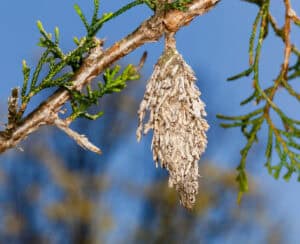
- Visible insects or webbing
- Sudden decline in overall canopy health
Oak wilt remains one of the most serious tree diseases affecting North Texas landscapes. This aggressive fungal disease primarily impacts oak trees and can spread through interconnected root systems or fresh wounds on infected trees. Symptoms often include leaf discoloration, rapid leaf drop, canopy thinning, and branch decline. Because oak wilt can spread quickly through entire neighborhoods, early detection is extremely important.
The Texas Oak Wilt Partnership provides valuable information for identifying symptoms and understanding how the disease spreads.
In many cases, early intervention through proper tree and shrub pest control can help reduce long term damage and improve overall tree health. Professional inspections can identify whether leaf drop is related to seasonal stress or a developing pest or disease issue.
If leaf drop appears severe, spreads rapidly, or is accompanied by canopy dieback or visible insect activity, a professional evaluation is strongly recommended.
Trees Preparing for Summer Heat
May is essentially the beginning of survival mode for many DFW trees.
Temperatures can quickly climb into the nineties, and long dry stretches are common throughout summer.
Trees naturally prepare for this stress by reducing water demand.
Dropping older leaves helps trees:
- Preserve moisture
- Reduce heat stress
- Improve energy efficiency
- Protect root systems
This process is similar to how some plants shed blooms after flowering.
The tree is adjusting itself for long term survival during extreme Texas heat.
When Leaf Drop Is a Warning Sign
While some leaf drop is normal, there are situations where it may indicate a larger issue.
You should monitor your tree closely if you notice:
- More than one third of the canopy thinning rapidly
- Branches without new growth
- Large dead limbs
- Cracked bark
- Mushrooms near the base
- Multiple trees declining at once
These symptoms could indicate root damage, disease, or severe environmental stress.
Early diagnosis can often prevent long term damage.
How to Support Healthy Trees in DFW
Healthy trees are better equipped to handle seasonal stress and extreme weather.
Simple preventative care goes a long way.
Water Deeply
Focus on deep watering rather than frequent shallow watering.
Water around the drip line where roots actively absorb moisture.
Use Organic Mulch
Mulch helps maintain consistent soil moisture and temperature.
Apply two to four inches of mulch around the root zone while keeping the trunk exposed.
Avoid Soil Compaction
Limit heavy traffic around tree roots whenever possible.
Compacted soil reduces oxygen flow and weakens root systems.
Monitor for Early Symptoms
Regular inspections help identify stress before major decline occurs.
Check leaves, bark, and soil moisture throughout spring and summer.
Encourage Long Term Tree Health
Trees benefit from consistent care throughout the year, especially before peak summer heat arrives.
Healthy trees provide:
- Shade for your home
- Improved property value
- Better curb appeal
- Cooling benefits during summer
- Wildlife habitat
Investing in proper tree care today helps protect your landscape for years to come.
When Leaf Drop Signals It’s Time to Pay Attention
In the Dallas Fort Worth area, leaf drop during May is often part of a normal seasonal cycle.
Live oaks naturally replace leaves in spring, while many other trees shed foliage due to weather changes, watering stress, or preparation for summer heat.
Most of the time, occasional leaf drop is nothing to panic about.
However, understanding the difference between natural shedding and signs of serious stress is important for maintaining healthy trees.
If your tree is losing excessive leaves, showing branch dieback, or declining rapidly, professional evaluation can help identify the cause before damage worsens.
Trees are one of the most valuable parts of a North Texas landscape. With proper care, they can continue providing shade, beauty, and environmental benefits for decades.