

Keeping your lawn green and healthy year-round can feel like a full-time job. Between fertilization, irrigation, and seasonal upkeep, many homeowners invest significant time and money into maintaining their property's curb appeal. Unfortunately, even with all that effort, grubs and other pests can quickly undo months of hard work. Just as important, weeds often creep in unnoticed, competing with grass for nutrients and water. That’s where professional support makes all the difference.
At Trees Hurt Too Inc., we know how destructive grubs can be, and we also recognize that proper weed identification and control is just as essential for a thriving lawn. Our customized lawn care programs in Arlington are designed to protect your investment, combining grub prevention, pest management, and targeted treatments that keep your grass healthy, resilient, and beautiful. With science-based solutions tailored to North Texas soil and climate, we help ensure your lawn stays strong through every season.
Grubs Are One Of The Most Common And Problematic Lawn Pests
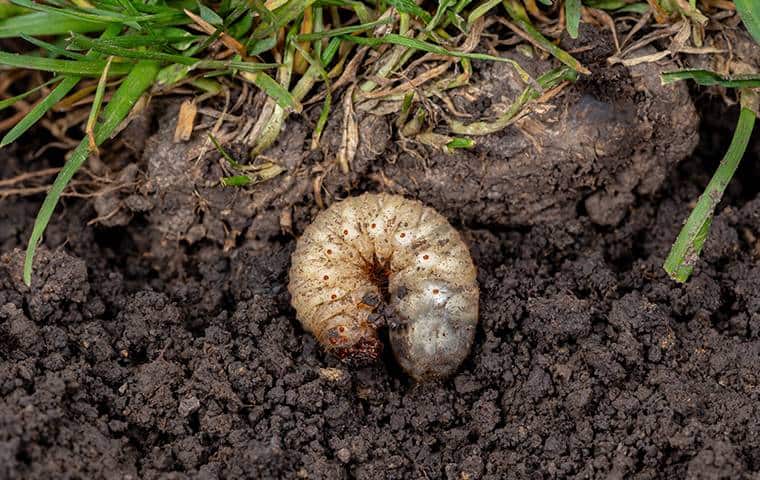
Grubs in Arlington are a common problem. These small worm-like creatures like to live under the soil and eat the plant roots as they grow. During the colder months, grubs will go deep into the soil to wait out the frigid temperatures. Once the soil reaches over 50° F, however, the grubs will start to return to the soil's top layers to resume eating.
In Arlington, the temperatures stay above 50° F throughout most of the year. There might be only around six to eight weeks out of the year that grubs are not that active in this part of the country. The warmer the temperatures are, the more active the lawn grubs will become. Usually, June and July are the months that grubs are the most active.
The Extent Of Damage Grubs Can Cause To Your Lawn
In Arlington, white grubs are the most common type of grubs that are found in residential yards. These grubs are commonly called worms, but they don't belong in the worm family. Instead, they are young beetles or beetle larvae. In order to transition into a beetle one day, the larvae must eat a lot, and their primary food source is organic soil matter and grass roots.
Here is a look at some of the signs of grubs in your lawn:
Patches of yellow grass
Wilted or dead grass that does not improve with irrigation
Dead grass that can be rolled back like a carpet
Not only can grubs damage your yard, but they can also attract animals that will destroy it. Moles, skunks, raccoons, and other animals like to snack on grubs and use their claws to dig through your lawn while they hunt for a snack.
Factors That Attract Grubs To Your Property
Healthy grass is one of the main things that will attract grubs to your yard. As we mentioned earlier, grubs are actually just baby beetles. The female beetle will usually lay her eggs in rich soil with healthy, lush grass growing, this way, when the eggs hatch, the larvae will have plenty to eat.
The only way to keep grubs away while maintaining a healthy yard is to call a professional lawn care service that specializes in grub control. They will know how to keep beetles out of your yard to prevent a grub infestation.
Contact Us For Total Lawn Pest Control
At Trees Hurt Too Inc., we combine decades of local experience with proven results to keep your Arlington lawn healthy, green, and pest-free year-round. As a locally owned lawn care company, our specialists understand the unique challenges of North Texas turf, from stubborn grubs to nutrient-depleted soil. That’s why we offer a customized lawn care package designed to target your property’s specific needs. Each plan includes seasonal treatments, soil health improvements, and pest prevention to help your yard thrive in every season.
Ready to enjoy a lawn you’ll love coming home to? Contact Trees Hurt Too Inc. today to schedule your free consultation and discover which lawn care package is right for your Arlington property.