

Tree diseases in North Texas often become far more severe when pests enter the picture. Insects that feed on bark, leaves, and roots don’t just cause visible damage; they also weaken a tree’s natural defenses. Fungal spores and bacterial pathogens take advantage of these vulnerabilities, slipping into the wounds left behind by chewing or boring pests. In many cases, even a tree that was only mildly stressed can spiral into serious decline once both pests and pathogens are at work.
These injuries essentially act as “doorways” for disease, allowing harmful organisms to spread more quickly throughout the vascular system. Left untreated, the combination of insect activity and fungal infection can lead to branch dieback, canopy thinning, or even complete tree loss. That’s why professional tree disease identification is so important. By accurately diagnosing whether a tree’s symptoms are caused by insects, disease, or both, certified arborists can create a targeted treatment plan that saves time and prevents unnecessary damage.
In some situations, advanced solutions like targeted tree injections are the best course of action. Unlike broad surface sprays, injections deliver nutrients, fungicides, or insecticides directly into the tree’s circulatory system. This method ensures the treatment reaches the source of the problem quickly, while minimizing chemical exposure to your lawn, shrubs, and surrounding environment. It’s a precise, effective way to combat both pests and pathogens without disrupting your entire landscape.
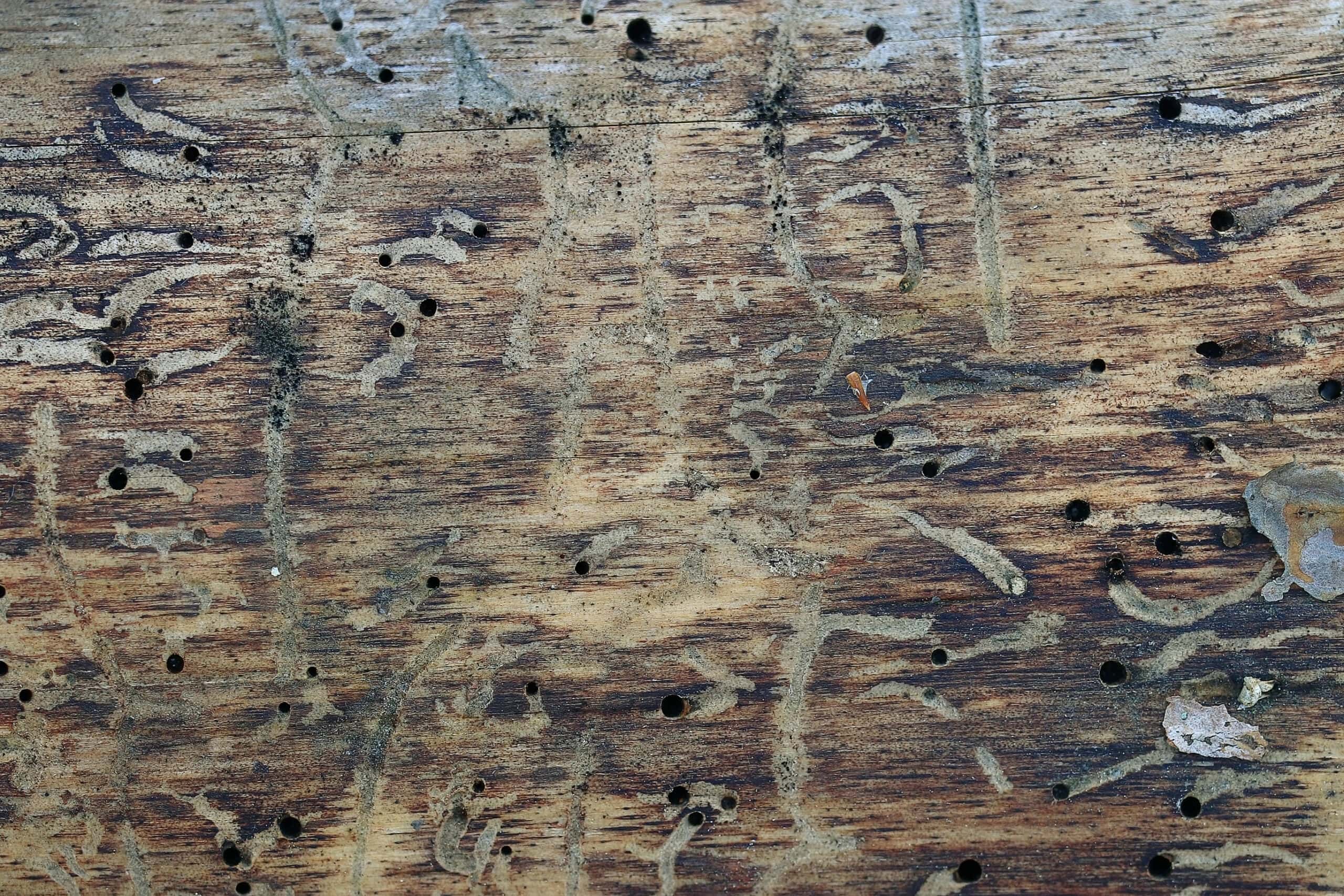
For property owners, understanding the connection between insects and tree disease is key to prevention. By recognizing early signs of pest damage; such as exit holes in bark, sawdust-like frass, or chewing on leaves, you can take proactive steps before fungal or bacterial infections gain a foothold.
Borers: Pathway Creators for Fungus
Borers are among the most destructive insect pests in North Texas because they attack a tree’s vascular system directly. These beetles and moth larvae tunnel deep into the wood, leaving behind channels that disrupt nutrient and water flow. Unfortunately, these tunnels also become perfect infection sites for fungi.
Key Impacts of Borers
- Direct Fungal Introduction: As borers chew through the inner bark and sapwood, they often carry fungal spores on their bodies. These spores get deposited inside the tree’s vascular tissue, where they germinate and spread.
- Accelerated Decline: A tree already weakened by drought, soil compaction, or root damage can decline rapidly once both borers and fungi are present.
- Linked Diseases: Borers are commonly associated with severe conditions like Hypoxylon Canker and Root Rot, both of which advance faster when borer damage is present.
Recognizing Borer Damage
- Small, round exit holes in bark
- Sawdust-like frass (wood shavings) around the trunk base
- Sudden canopy thinning or branch dieback despite watering
- Increased woodpecker activity (they feed on borer larvae)
Prevention Strategies
- Reduce tree stress with proper watering and Moisture Management to make trees less attractive to borers.
- Avoid injuring bark with lawn equipment, since wounds attract egg-laying insects.
- Schedule regular arborist inspections to spot borer activity before it becomes severe.
- In high-risk cases, preventive insecticide treatments may be recommended by a professional.
Prevention often requires reducing stress with Moisture Management and professional monitoring.
Aphids: Honeydew and Sooty Mold
Aphids are among the most common insect pests in North Texas, appearing in large clusters on the undersides of leaves, new shoots, and stems. These tiny sap-feeders extract nutrients directly from the plant, weakening trees over time. The biggest problem, however, is not just their feeding, it’s what they leave behind.
As aphids feed, they excrete a sticky, sugary substance known as honeydew, which coats leaves and branches. This sugary film quickly becomes a growth medium for sooty mold, a black fungus that spreads across the leaf surface.
Key Impacts of Aphids
- Reduced Photosynthesis: The black coating of sooty mold blocks sunlight, limiting a tree’s ability to produce energy. Prolonged infestations can stunt growth and weaken entire canopies.
- Attracts Ants and Other Pests: Ants are drawn to honeydew and often “farm” aphids, protecting them from predators in exchange for the sugary excretions, which worsens infestations.
- Secondary Disease Risk: By stressing the tree, aphids make it more susceptible to fungal invaders and can mimic early signs of diseases like Leaf Spot or Anthracnose.
Signs of Aphid Infestation
- Sticky leaves or outdoor furniture beneath infested trees
- Curling or distorted new growth
- Ants climbing up and down tree trunks
- Black sooty mold spreading across leaf surfaces
Early intervention, such as targeted insecticidal treatments or encouraging natural predators like lady beetles, can keep aphid populations under control.
Scale Insects: Silent Stressors
Scale insects are often overlooked because they don’t move around like aphids or borers. Instead, they attach themselves firmly to bark, twigs, and leaves, appearing as small bumps or cottony clusters. These pests drain sap directly from the tree, slowly starving it of nutrients.
Like aphids, many scale species excrete honeydew, which also leads to sooty mold growth. However, because they’re inconspicuous, infestations often go unnoticed until trees show significant stress.
Key Impacts of Scale Insects
- Fungal Colonization: Honeydew from scales promotes sooty mold, compounding stress on already weakened trees.
- Silent Decline: Trees may look generally unhealthy; yellowing leaves, reduced vigor, twig dieback, long before the real cause (scale) is spotted.
- Common Targets: Shade trees, ornamentals, and evergreens in North Texas landscapes are frequent victims, including maples, oaks, and hollies.
Signs of Scale Infestation
- Small, immobile bumps on bark or undersides of leaves (can be brown, gray, or white)
- Sticky residue beneath affected branches
- Thinning canopy or reduced leaf size
- Branch dieback in severe cases
Because scale insects are protected by hard coverings or waxy coatings, they are difficult to control with DIY methods. Professional treatments, often applied in specific seasonal windows, are most effective.
For specialized solutions, see our Shrub & Tree Pests services, which include targeted treatments and integrated pest management strategies.
How Pests and Fungi Work Together
Tree pests and fungal pathogens rarely operate in isolation. In North Texas, they often create a synergistic effect that accelerates decline:
Entry Points
When insects like borers tunnel into wood or aphids pierce leaves, they create open wounds that act as gateways for fungal spores. What might have been a minor pest problem quickly becomes a serious infection once fungi take advantage of the damage.
Stress Multiplication
A tree that is already stressed by drought, poor soil conditions, or pest feeding has fewer resources to fight off fungal invasion. Pests weaken natural defenses, giving fungi a foothold they might not otherwise gain.
Accelerated Decline
When both pests and fungi are present, decline is often faster and more severe than from either alone. For example:
- Oak Wilt: Progresses more rapidly in oaks weakened by borer tunnels or scale infestations.
- Root Rot: Advances quickly when aphids or scales are draining additional energy reserves.
- Hypoxylon Canker: More likely to colonize drought-stressed trees with bark already damaged by pests.
This combined stress is one of the reasons why some homeowners feel their trees “suddenly collapsed” despite efforts to water or fertilize. In reality, the problem was developing for months as pests and fungi worked together.
Prevention and Integrated Management
The best way to protect trees from the pest–fungus cycle is through integrated management, which combines monitoring, proactive care, and targeted treatments.
Monitor and Inspect Regularly
- Look for borer exit holes, sawdust-like frass, or sap leaks.
- Check leaves for sticky honeydew (a sign of aphids or scales) and black sooty mold growth.
- Inspect canopies for patchy thinning or branch dieback that could signal both pests and fungi at work.
Promote Tree Health
Healthy, vigorous trees are naturally more resistant to both pests and pathogens.
- Water deeply during droughts and avoid shallow, frequent watering.
- Apply mulch properly to regulate soil temperature and moisture.
- Strengthen root systems with Deep Root Feeding to improve nutrient uptake and resilience.
Professional Pest Control
DIY pest treatments may provide temporary relief, but they often fail to address the root cause or the full life cycle of damaging insects. Professional pest control offers comprehensive, science-based solutions that protect your trees, shrubs, and lawn year-round.
Targeted Treatments: Certified specialists use precision applications designed to control borers, aphids, and scales without disrupting beneficial pollinators or natural predators.
Integrated Pest Management (IPM): This proactive approach blends monitoring, biological control, and selective treatments to keep pest populations in check while minimizing chemical use.
Disease Prevention: Reducing pest activity helps prevent secondary issues such as fungus and bacterial infections, ensuring that your landscape remains healthy from root to canopy.
When you partner with Trees Hurt Too, you gain access to expert care tailored to your property’s unique needs. Our full service lawn and ornamental package offers an all-in-one solution for pest prevention, soil health, and plant vitality, perfect for maintaining balance and beauty across every season.
When to Seek Professional Help
Many homeowners try to manage tree pests or fungal problems on their own, but there are times when professional intervention is essential. Because pests and fungi often work together, they can overwhelm even healthy-looking trees much faster than expected, especially during hot Texas summers.
Call an Arborist Immediately If You Notice:
- Boring Holes or Sawdust (Frass): Clear signs of borer activity, which often accelerates decline by introducing fungi.
- Sticky Residue on Leaves or Surfaces Below Trees: A sign of aphids or scale insects excreting honeydew, which almost always leads to sooty mold.
- Fungal Growth on Bark or Near Roots: Mushrooms, black mats, or powdery structures indicate active fungal colonization.
- Sudden Canopy Thinning or Leaf Drop: May signal an interaction between pests and diseases like Oak Wilt or Root Rot.
When these symptoms appear, DIY treatments are usually too late to stop the combined damage. Contact our experts through our Contact Us page for an inspection and a customized treatment plan.
FAQs About Tree Pests and Fungal Disease
Do all pests spread fungus?
Not directly. However, many pests create entry points for fungal spores by wounding bark or stressing the tree. Others, like aphids and scale, produce honeydew that promotes fungal growth such as sooty mold.
Is sooty mold dangerous to trees?
Sooty mold rarely kills trees outright, but it covers leaves in a black film that blocks photosynthesis. Over time, this reduces tree vigor, making it more vulnerable to secondary infections and pests.
Can pest problems be prevented naturally?
Yes. Beneficial insects such as lady beetles and lacewings can help control aphid populations. Proper watering, mulching, and Deep Root Feeding also make trees stronger and less attractive to pests.
When should I combine pest and disease management?
Always. Because pests and fungi often go hand in hand, integrated care that addresses both is the most effective long-term strategy. See our Shrub & Tree Pests and Pest Control Services pages for complete solutions.
Protecting Your Landscape
Tree pests and fungal diseases are a double threat in North Texas, but homeowners who act early can prevent serious decline. By combining regular monitoring with professional care, you can keep your trees healthy, resilient, and beautiful year-round.
- Stay Vigilant: Inspect trees often for pest activity, unusual leaf changes, or fungal growth.
- Strengthen Defenses: Healthy trees are less susceptible. Invest in soil health, smart watering, and preventive care.
- Rely on Experts: Once pests and fungi combine, professional diagnosis and treatment are the only way to stop accelerated decline.
Visit our Tree Care Services page to learn more about integrated solutions for tree health. For a broader overview of fungal and bacterial problems in the region, explore our North Texas Tree Disease Identification Guide.