

Why Chinch Bugs Are a Serious Threat in Arlington
Arlington’s warm climate and long growing seasons create ideal conditions for chinch bugs to thrive. These tiny, fast-moving insects feed on the sap of grass blades, injecting toxins that block water and nutrient movement within the plant. This damage quickly turns patches of grass yellow, then brown, and if left untreated, chinch bugs can destroy large sections of your lawn.
If you want to maintain a healthy, vibrant yard, early detection and effective chinch bug control are essential. Pairing treatments with professional weed identification and control ensures your turf isn’t weakened by competing invasive plants. For long-term protection and consistent results, enrolling in seasonal lawn care programs and our lawn care packages gives your grass the ongoing nutrition and defense it needs to resist pests and recover quickly.
This guide covers everything from identifying infestations to long-term prevention, using proven strategies that are both eco-conscious and highly effective.
For an overall pest management plan beyond chinch bugs, explore our Arlington lawn pest control services and ornamental care solutions for our comprehensive protection.
Understanding Chinch Bugs
What Are Chinch Bugs?
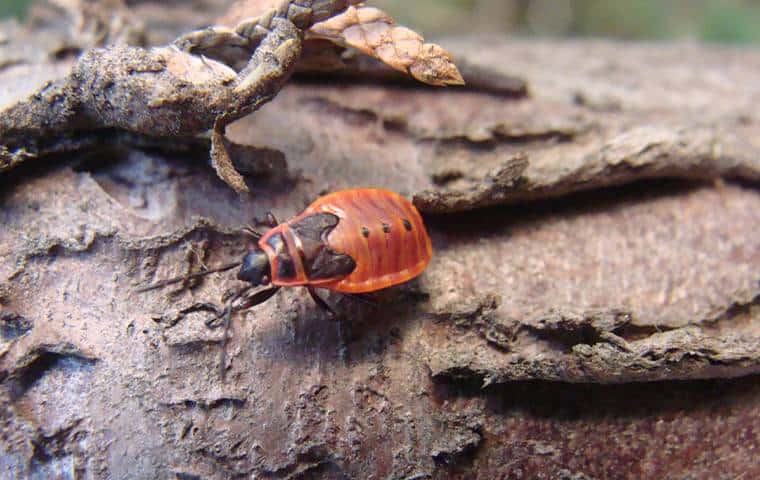
Chinch bugs are small, oval-shaped insects that typically measure less than 1/5 inch long. Adults have black bodies with white wings folded across their backs, while nymphs, immature chinch bugs, range from bright red to orange with a white stripe. They thrive in hot, dry conditions and are most damaging during summer months in Arlington.
These pests are surface feeders that target the crowns and stems of turfgrass, especially St. Augustine and Bermuda grass, two of the most popular lawn types in the area.
Why They Are Harmful
Unlike some lawn pests that simply chew leaves, chinch bugs inject toxins into the plant, disrupting the flow of water and nutrients. This double damage means grass can die rapidly, sometimes within a week during hot, dry conditions, creating large dead patches that can be mistaken for drought stress.
Identifying Chinch Bug Damage
Common Signs to Watch For
- Irregular yellow patches that turn brown and dry
- Spreading damage during hot weather, especially in sunny areas
- Grass that does not respond to watering or fertilization
- Small insects visible at the soil surface when parting the grass blades
Confirming an Infestation
To check for chinch bugs:
- Visual Inspection, spread the grass in affected areas and look for fast-moving, tiny insects.
- Flotation Test, cut both ends off a coffee can, push one end 2 inches into the soil, fill with water, and watch for bugs floating to the surface.
If you find chinch bugs, quick action is essential. Our lawn care services in Arlington and tree care expertise can help prevent further spread and maintain overall lawn health.
Life Cycle of Chinch Bugs
Chinch bugs are most active during late spring and summer. In Arlington, they can produce two to three generations per year. Understanding their life cycle is critical for targeting treatments at the most vulnerable stages.
- Egg Stage, eggs are laid in grass stems or thatch.
- Nymph Stage, bright red or orange nymphs begin feeding immediately after hatching.
- Adult Stage, black and white adults live for several weeks, reproducing multiple times.
Breaking this cycle with timely treatment and preventive measures is the key to lasting control.
How to Prevent Chinch Bug Infestations
Maintain a Healthy Lawn
A thick, healthy lawn can resist pest damage better than weak turf. Follow these tips:
- Mow at the correct height for your grass type.
- Water deeply but infrequently to encourage deep roots.
- Apply balanced fertilizer according to soil test results.
- Consider seasonal services like our Total Lawn Pest Protection Package for year-round defense.
Reduce Thatch Build-Up
Chinch bugs hide in thatch, a dense layer of organic matter between the soil and grass blades. Regular core aeration and dethatching help eliminate their shelter, while improving soil aeration and nutrient absorption.
Monitor Regularly
Perform monthly inspections during the growing season, especially in sunny, drought-prone spots. Early detection is the best defense.
Effective Chinch Bug Control Methods
1. Cultural Control
Adjusting lawn care practices can make your yard less attractive to chinch bugs. Proper mowing, watering, and fertilization reduce stress on grass and improve recovery. Integrating our lawn pests management services into your maintenance plan ensures professional monitoring and treatment when needed.
2. Biological Control
Natural predators such as big-eyed bugs, lady beetles, and lacewings help keep chinch bug populations in check. Avoid broad-spectrum insecticides that kill beneficial insects and upset your lawn’s natural ecosystem.
3. Chemical Control
If infestations are severe, targeted insecticide applications may be necessary. Always,
- Read and follow label directions.
- Treat in the early morning or evening when temperatures are cooler.
- Spot-treat affected areas rather than blanket-spraying the entire lawn.
For eco-friendly solutions, the EPA’s safe pest control guidelines and Texas A&M AgriLife Extension resources offer best practices for residential lawns.
Long-Term Chinch Bug Management
Pairing preventive lawn care with periodic inspections is the key to long-term protection. Our Total Lawn Pest Protection Package offers year-round monitoring and treatment for chinch bugs and other damaging lawn pests, helping maintain your lawn’s resilience and beauty.
By maintaining a resilient lawn and intervening early, you can enjoy a healthy, green yard without constant pest battles.
Conclusion
Chinch bugs may be small, but their impact on Arlington lawns can be devastating if ignored. With the right combination of lawn maintenance, early detection, and targeted control, you can protect your investment and keep your yard looking its best all year.
If you suspect a chinch bug problem or want proactive protection, contact Trees Hurt Too Inc. today for a lawn evaluation and customized treatment plan.