

Seeing your once-vibrant shrubs decline can be frustrating and disheartening. If you’re noticing browning leaves, thinning branches, or sudden dieback on your property in Arlington, TX, you’re not alone. North Texas shrubs face a unique combination of environmental stress, compacted clay soil, and pest activity that can quickly take a toll on even the healthiest plants.
The good news? Most shrub health issues are entirely manageable with the right approach. Understanding what’s happening below the surface, and acting early, can make all the difference between losing valuable landscape plants and restoring them to full health.
At Trees Hurt Too Inc., we’ve helped homeowners and property managers throughout Arlington restore their landscapes through integrated tree and shrub care and customized lawn care programs. These programs don’t just treat symptoms; they strengthen root systems, balance soil nutrients, and protect against future pest infestations.
Sometimes, pest activity is the hidden culprit behind declining shrubs. Insects such as aphids, spider mites, or scale can cause leaves to curl, yellow, or drop prematurely. When combined with drought stress or poor soil conditions, pest damage can quickly escalate. That’s where professional pest control services make a difference, targeting harmful insects without damaging beneficial species or nearby plants.
This guide breaks down the most common causes of shrub decline, how to recognize early warning signs, and the most effective ways to bring your landscape back to life. Whether your issue stems from poor irrigation practices, nutrient deficiencies, or hidden pest activity, understanding these factors is the first step toward vibrant, resilient growth.

Top Causes of Shrub Decline in North Texas
The climate and soil in Arlington are notoriously challenging for many ornamental plants, especially shrubs. Between intense summer heat, unpredictable rainfall, and dense clay soil, even well-established landscapes can struggle to thrive. Understanding the primary causes of decline is the first step toward restoring health and beauty to your property.
1. Overwatering or Poor Drainage
Arlington’s clay-heavy soil holds water far longer than loam or sandy soils, making overwatering one of the most common reasons shrubs decline. When excess moisture collects around the root zone, it deprives roots of oxygen and creates an ideal environment for fungal pathogens such as Phytophthora and Pythium, which lead to devastating root rot. Once roots begin to rot, the plant’s ability to take up nutrients and water is compromised, resulting in yellowing leaves, stunted growth, and eventual dieback. Adjusting irrigation schedules, improving grading, and incorporating organic matter or soil aeration can help shrubs recover and prevent future issues.
2. Soil Compaction
Compacted soil is another silent killer of North Texas shrubs. Heavy foot traffic, construction work, and lawn equipment compress the soil, making it difficult for air, water, and nutrients to penetrate. Shallow-rooted ornamental shrubs, like azaleas or boxwoods, are especially vulnerable. You may notice that even after watering, the soil remains hard and dry just below the surface. Aerating the soil, incorporating organic compost, and using deep-root feeding techniques can help loosen compacted areas and promote healthier root growth.
3. Nutrient Deficiencies
Nutrient imbalance is a widespread issue in local landscapes. Shrubs require a precise balance of nitrogen, phosphorus, and potassium, as well as micronutrients like iron, manganese, and zinc, to maintain vibrant foliage and strong root systems. Arlington’s alkaline clay soil often locks away these essential nutrients, leaving plants unable to absorb them even when they’re present in the ground. Regular soil testing, followed by targeted fertilization as part of a professional lawn care or tree and shrub care program, helps replenish lost nutrients and ensures long-term vigor.
4. Pest Infestations
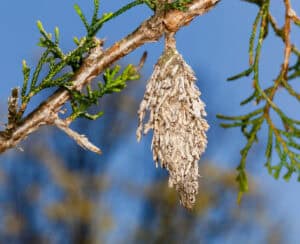
Shrubs in North Texas face constant pressure from pests that thrive in the region’s warm climate. Aphids, spider mites, lace bugs, and scale insects feed on plant sap, weakening shrubs and causing leaves to yellow, curl, or drop. In some cases, pest damage leads to sooty mold or fungal growth, further inhibiting photosynthesis. Because infestations often go unnoticed until serious damage occurs, regular monitoring and early intervention are essential. Integrated pest management; using biological controls, seasonal monitoring, and targeted treatments, provides an environmentally responsible way to protect your shrubs and maintain landscape balance.
5. Fungal and Bacterial Infections
Diseases such as leaf spot, powdery mildew, fire blight, and bacterial cankers often attack shrubs already weakened by stress, drought, or poor soil health. Once established, these infections can spread rapidly between plants, especially in humid or crowded conditions. Symptoms include dark leaf spots, powdery coatings, and oozing lesions on stems or branches. Pruning infected areas, improving air circulation, and applying professional treatments are key to stopping the spread and restoring plant health.
Our ornamental shrub care services are specifically designed for Arlington’s challenging growing conditions. By combining soil improvement, pest monitoring, and plant-specific nutrient treatments, we provide a science-backed approach to long-term health and recovery. With expert guidance and consistent maintenance, your shrubs can once again become a thriving, vibrant part of your landscape.
Common Symptoms That Signal Trouble
It's important to act early when signs of stress appear. Keep an eye out for:
- Yellow or brown leaf edges
- Premature leaf drop (outside normal seasonal changes)
- Mold or fungal growth near the base or on leaves
- Stunted growth or bare branches
- Chewed or curling leaves
If your soil remains soggy or bone dry despite regular irrigation, you may need professional moisture management services to assess your watering practices.
Environmental Stressors Unique to Arlington
Shrubs in Arlington face specific challenges that affect their longevity and performance:
- High clay content in soil, leading to poor drainage
- Extreme seasonal shifts, from freezing winters to triple-digit summers
- Occasional drought conditions or heavy rains causing rapid moisture swings
- Urban development, which often results in construction stress and soil disruption
Understanding these regional stressors is key to developing a shrub care plan that works in North Texas.
Practical Solutions That Actually Work
To bring your shrubs back to health, a multi-layered approach is often necessary:
1. Improve Soil Drainage and Aeration
Adding compost and organic material increases soil structure and promotes drainage. Mechanical aeration can help alleviate compacted soil.
2. Apply the Right Fertilizers
We recommend using fertilizer only after a soil test. Applying too much nitrogen can stress plants, while deficiencies in potassium or magnesium can stunt growth. Our team can test and apply nutrients through both topdressing and tree injection methods.
3. Mulch Properly
Mulching insulates soil, retains moisture, and keeps roots cool in summer. Use a 2–3 inch layer of organic mulch and avoid piling it against shrub stems.
4. Control Pests and Disease Early
Use insecticidal soap or horticultural oil for minor pest problems. For recurring or large infestations, professional applications may be necessary. We also offer fungicides and bactericides tailored for ornamental plants.
5. Prune Strategically
Remove dead or diseased branches, but avoid over-pruning. Timing matters as some species prefer spring pruning, while others are better pruned after flowering.
Why DIY Shrub Care Often Falls Short
While homeowners often try to fix shrub problems themselves, incorrect treatments can cause more harm than good:
- Overwatering or underwatering when symptoms are misread
- Applying the wrong type or amount of fertilizer
- Spreading mulch too thick or too close to stems
- Delaying pest or fungal treatment until it’s too late
Our professional ornamental care services are designed to avoid these missteps and ensure long-term success.
How Trees Hurt Too Inc. Helps Your Shrubs Thrive
We begin every service with a thorough site analysis to understand soil health, irrigation, exposure, and past issues. Then, we create a tailored care plan that may include:
- Soil remediation and amendment
- Seasonal fertilization
- Pest and disease control
- Ongoing monitoring for changes
Our holistic programs are ideal for homeowners who want not just quick fixes, but thriving, beautiful landscapes all year round.
Start Restoring Your Shrubs Today
If your shrubs are declining, the sooner you act, the better your chances of recovery. With the right combination of diagnostics, soil care, fertilization, and pest management, you can restore your landscaping to its former glory.
Schedule a professional shrub evaluation with Trees Hurt Too Inc. today and discover what’s stressing your plants and exactly how we can fix it together. We’re proud to offer moisture management, tree injections, and full-service ornamental care for Arlington homeowners who want results that last.