


The Best Tree Insect Barriers to Use This Season
In the hot, humid climate of North Texas, insect activity ramps up significantly in summer. That means your trees, from sprawling oaks to ornamental crape myrtles, are at risk of pest infestations that can quickly spiral out of control. Early tree disease identification is critical for catching problems before they spread, and in many cases, professional treatments such as targeted tree injectionsmay be necessary to safeguard high-value specimens. Whether you’re managing trees for a school campus, apartment complex, HOA, or municipal park, implementing the right tree insect control in Texas is essential to protecting both tree health and property value.
One of the most effective and low-impact methods of pest prevention? Insect barriers.
These solutions are simple in concept but powerful in performance. They stop pests in their tracks before they can climb your trees and cause harm. Especially in urban and commercial settings where chemical applications may be limited or undesirable, insect barriers provide a safe, low-impact option.
In this post, we’ll explore why insect barriers are useful, which pests they stop, and which barrier products perform best in a Texas summer.
Why Use Insect Barriers?
Tree insect barriers are a proactive, eco-conscious way to protect your landscape by stopping pests before they ever reach the canopy, bark, or root zone. Instead of waiting until an infestation damages your property, barriers create a first line of defense that keeps harmful insects out of your trees and shrubs.
- Non-chemical pest control: Barriers work as a mechanical, low-impact alternative to sprays and insecticides, making them ideal for families, pets, and environmentally sensitive properties.
- Seasonal pest blocking: They stop climbing insects during peak migration and feeding periods, such as early summer, when tree stress is already elevated.
- Protect young trees: Especially critical for saplings, ornamentals, and species with delicate bark that can’t withstand heavy insect pressure.
- Prevent infestations before they spread: By reducing the risk of pest invasions, barriers help limit long-term tree decline, property damage, and the need for costly emergency treatments.
- Simple and cost-effective: They’re easy to install, maintain, and replace, making them an efficient solution for both residential yards and large-scale commercial landscapes.
For the best results, insect barriers are often paired with a broader tree and shrub care program that includes fertilization and health monitoring. These strategies ensure that your trees not only stay pest-free but also remain vigorous and resilient against weather extremes and soil-related stressors.
When integrated into a property-wide plan, barriers also work hand-in-hand with soil moisture solutions, such as mulching, deep-root watering, and irrigation adjustments. Healthy, hydrated root systems are better equipped to resist pest damage, recover from stress, and support lush growth throughout the year.
By combining barriers with preventive care, property owners create a complete, sustainable defense system that keeps trees thriving while minimizing reliance on chemicals.
Common Pests That Barriers Can Help Prevent
In North Texas, summer brings a wave of hungry insects. The right tree barrier can block:
- Cankerworms (inchworms)
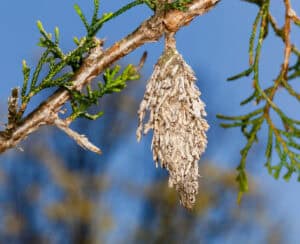
- Bagworms and tent caterpillars
- Aphids and scale crawlers (during migration)
- Elm leaf beetles and weevils
- Ants farming aphids or scale insects
These pests can remove branches, weaken the tree’s immune system, and open the door for diseases. In high-traffic areas like schoolyards, courtyards, or sidewalks, pest-damaged trees also become a liability concern.
By blocking these pests from climbing the trunk, you minimize feeding damage, reduce egg-laying activity, and help preserve overall tree health.
Types of Tree Insect Barriers and How They Work
Here’s a breakdown of the most effective types of insect barriers available in Texas.
1. Sticky Bands
These are the most common type of tree insect barrier:
- Made of a non-drying adhesive applied to a flexible band or wrap around the tree trunk.
- Stops crawling insects like cankerworms, ants, and beetle larvae.
- Replace or refresh the sticky surface every 2–4 weeks depending on pest pressure.
Tip: Always use a protective base wrap beneath the sticky product to avoid bark damage.
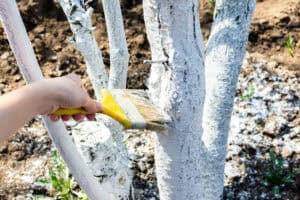
2. Physical Wraps (Non-Sticky)
These wraps act as a climbing deterrent or visual disruption:
- Often made from aluminum flashing or specialized fabrics.
- Used for larger trees or where sticky products are not ideal.
- Works best against weevils and certain moth larvae.
These wraps also help reduce sunscald in young or thin-barked trees, providing added summer protection.
3. Tree Trunk Collars with Insecticide Strips
These commercial-grade systems combine physical barriers with embedded insecticides:
- Delivers knock-down effect for contact pests.
- Best for professional or municipal installations.
- Effective but must follow label instructions strictly to comply with safety standards.
They are ideal for utility tree lines, government grounds, or areas requiring longer intervals between maintenance visits.
How to Install Insect Barriers on Commercial Trees
Barrier installation is straightforward but requires some precision to be effective:
- Clean the bark: Remove loose bark or debris that could allow insects to crawl under the barrier.
- Apply base wrap: Use paper tree wrap or fabric tape to protect the bark.
- Install the barrier: Place the sticky band, wrap, or collar around the trunk 4–5 feet above the ground.
- Monitor and maintain: Check weekly during peak pest season (June–August) and replace as needed.
If you're managing multiple trees across a property, create a barrier maintenance checklist and assign responsibility to grounds staff or your landscaping contractor.
Best Practices for Summer Tree Protection in Texas
Insect barriers are most effective when used as part of an integrated summer tree care program:
- Combine with mulch and deep watering to boost tree resilience.
- Inspect trees weekly for early signs of insect damage (chewed leaves, webbing, frass).
- Schedule preventative tree spraying or trunk injections when infestations are known or confirmed.
- Partner with a certified arborist for site-specific recommendations.
For properties with historic trees, playgrounds, or public-facing landscaping, preventing insect damage isn’t just about aesthetics, it’s about long-term investment protection.
For more guidance, the EPA’s Integrated Pest Management portal is a great resource, along with Texas Invasives for tracking pest outbreaks.
Final Thoughts
If you manage commercial tree care in Texas, proactive protection is the key to keeping your landscape thriving all summer long. Tree insect barriers offer an affordable, eco-conscious way to safeguard your property before pests have the chance to move in. By stopping insects at the trunk, these barriers help reduce the need for chemical treatments, protect beneficial species, and support a balanced environment around your trees and shrubs.
When combined with a full service lawn and ornamental package, you get a comprehensive layer of defense; one that supports soil health, prevents pest outbreaks, and enhances the overall beauty of your landscape. This holistic approach not only addresses the trees themselves but also strengthens the surrounding turf and ornamentals for lasting health and resilience.
Whether you’re responsible for trees in a school courtyard, hospital campus, or retirement community, insect barriers are a simple yet powerful tool to include in your seasonal maintenance strategy. From lightweight wraps to durable, long-term deterrents, the right barrier system can help ensure your trees remain strong, pest-free, and visually stunning throughout the toughest Texas months.
Need help choosing or installing insect barriers for your property? Our team can inspect, recommend, and install custom barrier systems for commercial properties across North Texas.