


When summer arrives in North Texas, schools and campuses often transform into lively summer campgrounds filled with laughter, learning, and outdoor activities. From shaded playgrounds to open fields and campfire areas, trees play a vital role in creating safe, welcoming spaces where children can enjoy the season. But with all the excitement comes responsibility. One of the most critical aspects of summer safety is ensuring that the trees on school grounds and camp properties are healthy, stable, and well maintained.
While trees provide shade, beauty, and natural gathering spots, they can also pose risks if they’re not properly cared for. Weak limbs, hidden decay, or untreated disease can turn a valuable tree into a potential hazard, especially in high-traffic areas where kids play. This is why professional tree disease identification is so important. Certified arborists can spot subtle signs of fungal infections, bacterial issues, or pest infestations before they escalate into dangerous conditions like branch failure or tree collapse.
Beyond inspection, prevention and treatment are equally important. For example, if a tree shows signs of decline, services like targeted tree injections can deliver nutrients, fungicides, or insect control products directly into its vascular system. This precise method strengthens the tree from within, reducing risks while minimizing chemical exposure to children, staff, and the surrounding environment. It’s a safer, more effective way for schools and camps to maintain tree health in areas where safety is the top priority.
By combining proactive monitoring with advanced care methods, schools and summer programs can create landscapes that are not only beautiful but also secure. Regular inspections, timely pruning, and professional treatments help ensure that the trees kids gather under are strong, resilient, and ready for the demands of summer.
Why Tree Safety Matters for Summer Camps
- Prevent Injuries: Falling branches, unstable limbs, or hidden pest infestations can quickly lead to accidents.
- Create Comfortable Outdoor Spaces: Healthy trees provide essential shade during the hot Texas summer, preventing heat-related illnesses.
- Support School Reputation: A safe, well-maintained campus reassures parents and encourages enrollment in summer programs.
- Meet Liability Standards: Regular inspections reduce risk and demonstrate responsible grounds management.
- Encourage Outdoor Play: Well-maintained trees provide shaded areas that promote safe outdoor activities and physical health.
Key Tree Safety Checks Before Camp Begins
Performing a thorough inspection before camp kicks off ensures your grounds are safe for children and staff:
- Check for Dead or Broken Limbs: Even small branches can cause serious injuries if they fall unexpectedly.
- Inspect Tree Bases: Look for signs of root damage, soil erosion, or fungal growth near the soil line.
- Examine the Canopy: Dense canopies can hide deadwood, thinning may be required to improve airflow and reduce hazards.
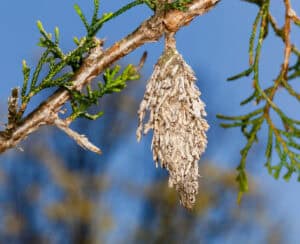
- Look for Pest Damage: Beetles, bagworms, and borers are common in Texas summers and can weaken tree structure.
- Assess Proximity to Play Areas: Trees near playgrounds, sports fields, and picnic areas must be especially sturdy.
- Check for Trip Hazards: Exposed roots and fallen branches can create risks for children running or playing nearby.
Best Practices for Summer Tree Safety on School Grounds
1. Schedule a Professional Tree Inspection
Certified arborists can spot hazards not visible to the untrained eye. A yearly inspection before summer camps start is ideal and can prevent costly emergency removals later.
2. Prune and Trim Trees Carefully
Remove weak, hanging, or storm-damaged branches. Focus on trees shading common play zones like swing sets, picnic tables, and sports fields. Proper pruning also promotes healthy growth.
3. Maintain Proper Mulching
Mulch helps with soil moisture and root protection but should be placed properly:
- Keep mulch 2–4 inches deep
- Maintain a gap around the trunk to prevent bark rot
- Extend mulch rings wide to protect roots from soil compaction
4. Monitor Irrigation Practices
Avoid overwatering near camp paths and playfields, as soggy soil can destabilize tree roots. Automated irrigation systems should be checked regularly to prevent leaks or oversaturation.
5. Establish No-Play Zones
If certain trees pose risks but can’t be removed immediately, rope off areas and clearly mark them as off-limits. Safety signage helps children and staff stay aware of hazards.
Landscaping for Camp Safety
In addition to tree maintenance, smart landscaping choices contribute to a safer summer camp experience:
- Use Low-Maintenance Native Trees: Species like live oak, cedar elm, and bur oak withstand Texas heat better and require less intervention.
- Avoid Hazardous Shrubs or Plants: Remove thorny, poisonous, or allergenic plants near play zones.
- Maintain Clear Sightlines: Trim shrubs to ensure staff can easily supervise campers across fields and playgrounds.
- Design Shaded Rest Areas: Encourage hydration and cooling breaks under large, healthy shade trees with benches or picnic tables.
- Install Soft Ground Cover: Under trees in high-traffic areas, use mulch or rubber surfacing instead of bare soil to minimize slips and trips.
Ongoing Summer Monitoring
Tree safety isn’t a one-and-done job. During summer camps:
- Assign grounds staff to perform weekly walk-throughs.
- Look for fresh damage after thunderstorms or high winds.
- Monitor soil moisture levels to prevent both drought stress and root rot.
- Watch for signs of insect infestations, such as frass (sawdust), leaf skeletonization, or webbing.
- Remove litter or debris from mulched areas that may attract pests or block water absorption.
Final Thoughts
Creating a safe and enjoyable camp environment goes beyond planning fun activities and hiring qualified staff; it starts with proactive school grounds care. By prioritizing summer tree safety and thoughtful camp safety landscaping, schools can ensure that children enjoy a worry-free season outdoors while minimizing potential risks from unstable trees or damaged branches.
Strong, well-maintained trees do more than provide shade; they create a sense of comfort and security. When families see a campus filled with healthy, vibrant greenery, they know safety and care are top priorities. This confidence begins with professional tree and shrub care designed specifically for the unique soil and weather conditions of North Texas.
Our certified arborists understand that proper soil management is vital for tree health. Through customized soil moisture solutions, we help schools maintain healthy root systems and prevent stress caused by drought or overwatering; both common challenges during Texas summers. Balanced soil moisture supports stronger trees, greener shrubs, and a more resilient landscape overall.
From pre-camp safety inspections and storm-damage prevention to fertilization, our team provides comprehensive, safety-focused tree and shrub care tailored for school campuses and summer programs.
If your school is getting ready for summer activities, now is the perfect time to partner with Trees Hurt Too Inc. Our specialists can ensure every outdoor area is safe, healthy, and welcoming for students and staff. Ask about our full service lawn and ornamental package, which includes seasonal soil moisture solutions and customized year-round maintenance programs designed specifically for educational properties. Contact us today to schedule a professional evaluation and keep your campus looking its best all year long