

Why Fall Is the Best Time to Plant Shade Trees in North Texas
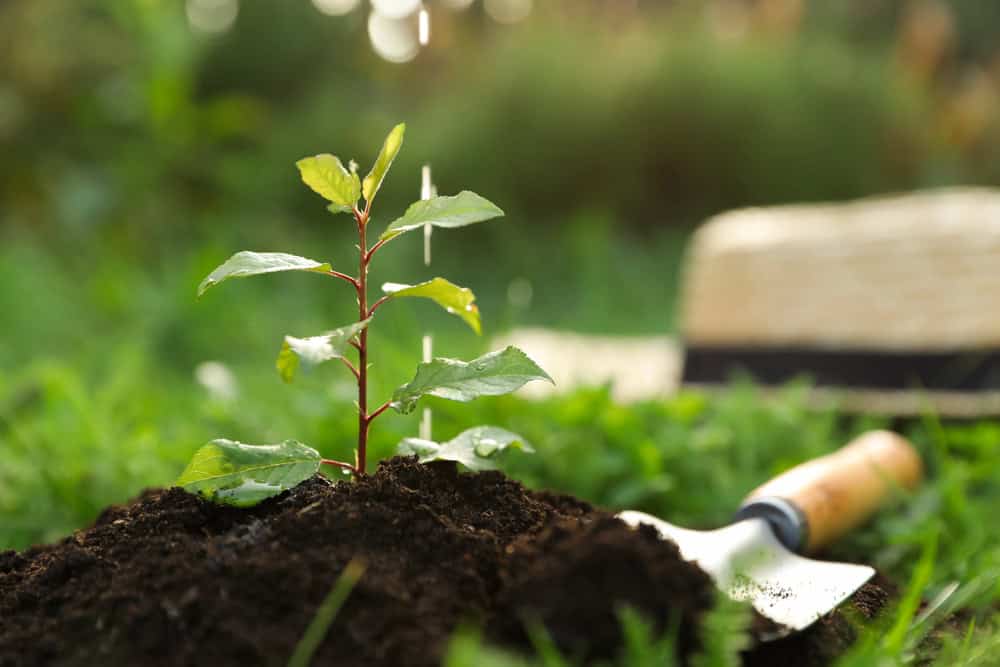
In the world of commercial landscaping, timing is everything. And when it comes to planting trees, especially large, canopy-building varieties like oaks or elms, fall is hands-down the best time to plant shade trees in North Texas. The cooler air temperatures paired with still-warm soil create ideal conditions for root development, allowing young trees to establish themselves without the stress of summer heat.
Whether you’re overseeing landscaping for an HOA, municipal park, apartment complex, or school campus, understanding the seasonal benefits of fall planting can save you time, money, and headaches down the road. Trees planted during this window not only settle in more quickly but are also far less likely to suffer from transplant shock. With roots actively growing through the mild winter months, they enter spring stronger, healthier, and better equipped to handle the demands of rapid canopy growth.
Fall planting ultimately supports healthier establishment, reduced maintenance costs, and greater resilience. For large-scale properties, this means consistent results across the landscape, fewer replacements, and faster shade coverage for the people who use those outdoor spaces. It’s the most strategic season for long-term success in tree care and overall landscape design.
1. Cooler Temperatures Mean Less Stress on New Trees
Summer in North Texas brings intense heat and prolonged periods of drought, which can create hostile conditions for new plantings. Trees planted during the summer must expend energy simply to stay hydrated and survive, rather than focusing on the critical processes of root development and acclimation. This can leave them weak and vulnerable heading into the following year.
By contrast, the mild temperatures of fall dramatically reduce these environmental stressors. With cooler nights and more moderate daytime highs, trees are under less physiological strain. Instead of battling sun scorch or dehydration, they can redirect energy toward establishing strong, deep root systems. This steady acclimation process sets the stage for healthier top growth once spring arrives.
Cooler weather also slows evaporation rates, which allows irrigation water to soak deeper into the soil profile and remain available to the roots longer. For property managers responsible for maintaining large commercial landscapes, this means irrigation systems work more efficiently, delivering better results with less water usage. Not only does this conserve resources, but it also supports sustainability goals while keeping operational costs in check.
Additionally, reduced environmental stress during fall planting helps minimize the risk of transplant shock, a common problem when young trees are installed in hot, dry conditions. With less shock and stronger early root establishment, trees are better equipped to thrive in the challenging North Texas climate for years to come.
2. Soil Temperatures Stay Warm for Root Growth
While fall air temperatures begin to drop, soil temperatures in North Texas remain warm well into November. This residual ground heat provides an extended and critical window for root activity. Instead of being forced to split energy between surviving scorching heat and establishing new tissue, trees planted in the fall can dedicate their resources to pushing roots deeper into the soil profile.
This underground growth strengthens the tree’s foundation before winter dormancy sets in. Strong roots help stabilize the tree against high winds and unpredictable North Texas weather, while also increasing its ability to draw in moisture and nutrients. For large-canopy species like oaks and elms, early root expansion is especially important because it ensures that the tree can support rapid canopy growth later on without becoming stressed or stunted.
By the time spring arrives, fall-planted trees are anchored, hydrated, and nutritionally prepared to take off with vigorous new growth. In contrast, spring-planted trees face a tougher challenge: they must attempt root development at the same time they’re pushing out leaves and branches. This simultaneous demand often leaves them more vulnerable to drought conditions, pest pressure, and the relentless summer heat that follows.
For commercial landscapes, this difference is huge. Trees with well-established roots require less supplemental watering, adapt more quickly to their surroundings, and demonstrate higher survival rates, meaning property managers see healthier trees and fewer costly replacements.
3. More Consistent Rainfall
One of the biggest advantages of fall planting in North Texas is the shift toward more reliable rainfall patterns. While summer often brings scorching heat and long dry spells interrupted by sudden downpours, fall typically delivers steadier rain events spread across the season. This consistency provides freshly planted trees with a more dependable water source, which is critical for helping young roots establish themselves.
Cooler air temperatures also play a role by slowing down evaporation rates, meaning that every inch of rainfall or supplemental irrigation penetrates the soil more effectively. Instead of water evaporating off the surface or being lost before it can soak deeply, it stays where it’s needed most, around the root zone. This not only keeps trees healthier but also makes watering efforts far more efficient.
Natural rainfall does more than hydrate trees. It promotes healthy soil microbial activity, the microscopic community that breaks down organic matter and makes nutrients available. When soil microbes thrive, trees benefit from improved nutrient uptake, stronger immune responses, and more balanced soil structure, all of which contribute to faster establishment and long-term resilience.
For large commercial landscapes like retail centers, business parks, campuses, and municipal green spaces, this seasonal boost in rainfall translates into measurable savings. Managers can rely less on irrigation systems, cutting back on labor, water usage, and equipment wear. It also reduces the risks of overwatering, uneven coverage, or system malfunctions, all of which can damage tender young roots. By letting fall rains do the heavy lifting, property owners not only save money but also set their landscapes up for healthier, low-maintenance growth.
4. Less Pest and Disease Pressure
One of the most overlooked advantages of fall planting in North Texas is the natural decline in pest and disease activity. Many of the insects that target stressed or freshly planted trees; such as aphids, borers, spider mites, and scale insects, become far less active as temperatures cool and daylight hours shorten. Their life cycles slow down or go dormant, reducing the immediate threats to vulnerable new plantings.
At the same time, many fungal and bacterial pathogens that thrive in hot, humid summer conditions begin to wane in the fall. Diseases like powdery mildew, leaf spot, and anthracnose lose momentum, creating a safer window for trees to establish themselves without being under siege from multiple fronts. This seasonal lull gives newly planted trees the breathing room they need to direct their energy toward root growth and acclimation rather than defense.
For commercial landscapes, the benefits are both environmental and financial. Fewer pests mean fewer treatments and less need for reactive pesticide or fungicide applications. This not only saves money but also aligns with the growing demand for environmentally responsible landscaping practices. Properties such as schools, hospitals, municipal parks, and corporate campuses; where children, patients, and employees may be sensitive to chemical exposure, particularly benefit from reduced chemical use during establishment.
By planting in the fall, property managers can reduce chemical dependency and promote healthier, more natural landscape management from the outset. Young trees start their lives in a cleaner, less stressful environment, which helps them build stronger natural defenses over time. This creates a foundation for a sustainable, low-maintenance landscape that performs well with fewer interventions year after year.
5. Nurseries Offer High-Quality Stock in Fall
Autumn is not only a favorable planting season; it’s also when nurseries have some of their best tree stock available. As trees begin entering dormancy, growers dig and prepare them for transplanting. This timing minimizes stress during harvest and transport, which translates into healthier trees and significantly higher survival rates once they’re installed on-site.
For commercial property managers, fall provides a strategic opportunity to secure native and well-adapted species in bulk. Nurseries often have abundant availability of large shade trees such as oaks, elms, and sycamores, along with regionally adapted ornamentals that thrive in the North Texas climate. By sourcing during this window, you can ensure that the trees selected are not only structurally sound but also better acclimated for long-term success.
Another key advantage is improved selection and reduced competition. Spring is traditionally the busiest season for landscape installations, which means nurseries are under heavy demand and premium specimens can sell out quickly. In contrast, fall is a quieter season, giving you access to higher-quality stock and more flexibility in choosing trees that align with both the aesthetic goals and environmental needs of your property.
This advantage is especially valuable for large-scale commercial projects such as HOAs, retail centers, campuses, or municipal parks, where consistency across dozens or even hundreds of trees is critical. Being able to select from the best available stock ensures uniformity, reduces replacement costs, and enhances the overall visual impact of the landscape design.
6. Fall Planting Gives Trees a Head Start for Spring
One of the greatest advantages of fall planting is that it gives trees the entire dormant season to focus exclusively on root development. Without the burden of sustaining new foliage, trees can direct their energy below ground, anchoring themselves firmly and building the foundation needed for long-term health. By the time spring arrives, these trees are not starting from scratch; they’re already established and ready to transition smoothly into the growing season.
This root-first advantage becomes especially critical in North Texas, where spring quickly turns into hot, windy weather. Trees planted in the fall are better equipped to support vigorous new leaves, resist strong gusts, and manage the heavy water demands of rising temperatures. Their well-developed root systems allow them to draw moisture more efficiently, which helps them withstand early drought conditions that can be devastating for newly planted spring stock.
The difference is also visible above ground. Fall-planted trees leaf out earlier, grow faster, and show fewer signs of stress, such as wilting, yellowing, or dieback in their first year. They’re less prone to transplant shock because they’ve already acclimated to the soil and climate before the demands of summer arrive.
For commercial properties, whether it’s an apartment community, retail center, municipal park, or school campus, this head start translates into measurable value. Stronger curb appeal, lower replacement rates, and reduced maintenance costs all flow from trees that establish quickly and thrive in their new environment. Fall planting not only maximizes survival but also ensures your investment in shade trees delivers results sooner and lasts longer.
Best Shade Trees to Plant in North Texas This Fall
If you're planting commercial landscapes, the following shade trees are reliable choices for our climate:
- Texas Red Oak: Offers brilliant red fall color and thrives in a range of soil types. Deep roots make it drought-tolerant and wind-resistant.
- Cedar Elm: Known for its tough adaptability to urban environments and resistance to Dutch elm disease. Its small leaves produce less litter.
- Bur Oak: A true Texas native, it features massive acorns, wide-spreading limbs, and thick bark that withstands extreme heat and cold.
- Mexican Sycamore: Valued for its large leaves and fast growth rate. It has a striking two-toned bark and is perfect for shading sidewalks and patios.
- Chinquapin Oak: An underused gem that’s great for alkaline soils. Its high drought tolerance and long life make it ideal for public parks and streetscapes.
These species are not only low-maintenance but also enhance biodiversity, reduce erosion, and increase shade coverage on school grounds, business campuses, and multi-family properties.
Planting Tips for Commercial Landscapes
Success begins at installation. Use these best practices for large-scale or high-traffic planting sites:
- Dig the Right Hole: Make the hole 2–3 times wider than the root ball but no deeper than its height. This allows roots to spread without sinking.
- Root Flare Visibility: Always plant so the top of the root flare is at or just above the final soil grade. Planting too deep suffocates the tree.
- Remove Wrapping: Take off any burlap, wire baskets, or plastic containers before placing the tree. These materials can inhibit root expansion or girdle the trunk over time.
- Staking and Support: Stake only if wind or slope makes it necessary. Remove stakes within 6–12 months to prevent trunk girdling.
- Mulch Smart: Apply 2–4 inches of organic mulch in a donut shape around the tree, but never pile it against the trunk. Mulch retains moisture and reduces weeds.
- Water Effectively: Water deeply once or twice a week rather than lightly every day. Adjust frequency based on rainfall and soil conditions.
By following these guidelines, property managers can dramatically improve tree survival rates and long-term success.
Final Thoughts
For property managers, developers, and campus planners across North Texas, fall is the smartest time to invest in long-term tree health. From reduced stress and irrigation needs to better root development and lower pest pressure, fall planting lays the foundation for success.
Healthy, well-placed shade trees reduce energy costs, increase property value, improve walkability, and create cooler, more livable outdoor environments. Whether you're updating a hospital campus or planning a new city park, take advantage of fall’s unique benefits for tree planting.
Need help selecting or planting the right shade trees for your commercial property?
Our ISA-certified arborists and landscape crews offer expert fall tree planting services in Arlington, Fort Worth, and throughout the DFW Metroplex.
External Resources:
Texas A&M AgriLife Extension
Arbor Day Foundation