

When and Why to Schedule Tree Health Inspections in the Fall
Commercial properties in North Texas; from apartment complexes to schools, HOA communities, retail centers, and municipal parks, rely on mature, healthy trees. They provide more than just shade: they add value, create curb appeal, improve air quality, and promote a welcoming environment for residents, students, and visitors.
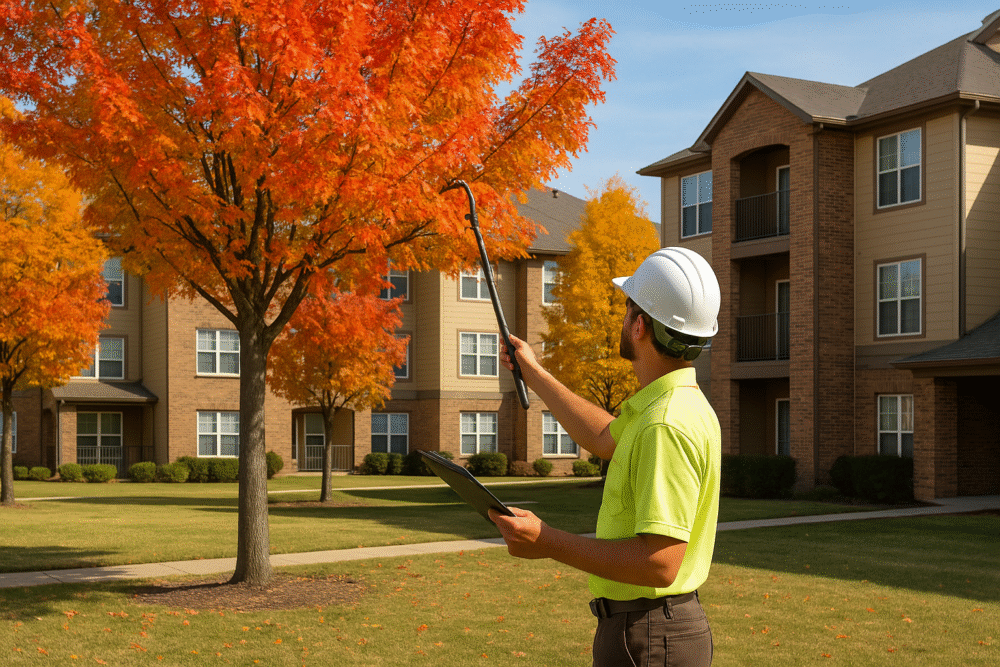
But trees are living investments that require consistent care. While spring and summer bring growth, fall is the season where proactive maintenance pays off the most. Scheduling a fall tree inspection gives certified arborists a chance to evaluate tree health, address risks, and prepare landscapes for the coming winter.
Why Fall Is the Ideal Season for Tree Inspections
Trees Are Preparing for Dormancy
During the fall, trees transition from active summer growth to dormancy. This slowdown makes stress symptoms; like thinning leaf cover, brittle branches, and premature leaf drop, stand out more clearly. Arborists can evaluate these cues to catch early signs of health issues such as root stress or fungal infection before they worsen.
Reduced Stress on Trees
Pruning and treatments are less stressful on trees when temperatures are cooler and growth is slowing. Fall provides ideal conditions for corrective pruning, soil aeration, and pest management. Unlike summer, when excessive heat can intensify stress, fall offers a “recovery period” that strengthens trees ahead of winter.
Preventing Winter Damage
North Texas winters may not be the harshest in the country, but strong winds, cold snaps, and ice storms can cause significant damage. Heavy branches that already show cracks or weakness may snap under ice weight. By completing a fall tree inspection, property managers can remove hazards before they become costly emergencies.
Key Issues Arborists Look for in the Fall
A tree health check is not just a visual once-over. Professional arborists use specialized techniques to detect issues that untrained eyes often miss. In fall, their checklist typically includes:
- Structural Integrity – Inspections reveal weak or dead branches, cracks in major limbs, and cavities in the trunk that could lead to breakage. This step is crucial for preventing safety hazards on school grounds, apartment playgrounds, or commercial parking lots.
- Root Health – Arborists look for root girdling (roots that circle and choke the trunk), soil compaction, and drainage issues. These factors impact long-term stability and nutrient absorption.
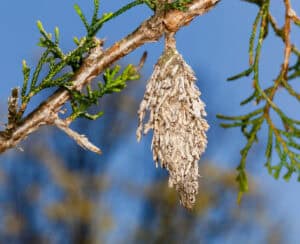
- Pests and Diseases – Cool, damp weather encourages fungi and canker pathogens, while some boring insects remain active. Fall inspections catch infections early, making treatment more effective.
- Nutrient Deficiencies – Soil testing may indicate trees need nutrient boosts before dormancy. Solutions like deep root feeding ensure healthier spring growth.
- Canopy Condition – Uneven leaf distribution, thinning foliage, or dieback all point to stress. By evaluating canopy balance, arborists can recommend pruning strategies that encourage stronger growth patterns.
Each of these areas directly affects tree longevity and property safety, making fall inspections one of the most valuable seasonal services for commercial landscapes.
Benefits of Scheduling Tree Health Inspections for Commercial Properties
Improved Safety
Tree-related accidents are a serious liability for property managers. A falling branch near an apartment walkway, a weakened tree near a school playground, or cracked limbs near a retail parking area all pose risks. By identifying hazards early, inspections protect tenants, employees, and visitors.
Enhanced Curb Appeal
Healthy trees make properties stand out. A thriving canopy in spring enhances property value and creates welcoming spaces. A fall tree inspection ensures corrective care is in place before winter so that by spring, landscapes look vibrant and professionally maintained.
Cost Savings
Emergency tree removals are not only expensive but disruptive to property operations. Preventative inspections catch small issues, such as minor decay or early pest infestations, before they become costly emergencies. This proactive care saves money in the long run.
Compliance and Liability Protection
Commercial properties and HOAs must comply with safety standards. Regular inspections provide documentation of due diligence, which is invaluable in the event of liability claims. A record of fall tree inspections demonstrates proactive property management.
How to Prepare for a Fall Tree Inspection
- Review Your Property’s Tree History – Keep records of past treatments, pest infestations, or storm damage. This background helps arborists provide more precise recommendations.
- Clear Access Around Trees – Ensure that trunks, root zones, and canopy areas are accessible for inspection. Clear debris, vehicles, or equipment that might block safe access.
- Schedule Before Winter Weather – Booking early in the fall ensures arborists have time to perform inspections and schedule necessary treatments before storms hit. Waiting too long risks competing with winter demand.
- Plan for Recommended Treatments – Be prepared to act quickly on arborist recommendations, whether that’s soil amendments, pruning, cabling, or targeted pest treatments. Acting in the fall ensures trees enter dormancy strong and stable.
Trusted Guidance from Certified Arborists
Tree care should never be left to guesswork. Hiring an ISA-certified arborist ensures inspections are backed by science, training, and best practices. Professional arborists understand species-specific needs in North Texas, from sprawling live oaks to ornamental crape myrtles.
Organizations like the Texas A&M Forest Service and the International Society of Arboriculture stress the importance of seasonal inspections to extend tree life, manage risks, and promote sustainable landscapes.
Final Thoughts
Healthy trees are a cornerstone of safe, beautiful, and valuable commercial landscapes. A fall tree inspection is more than a box to check, it’s a preventative measure that strengthens trees, protects communities, and saves money.
By identifying risks before winter, boosting soil health, and addressing pest and disease concerns, property managers ensure trees thrive through dormancy and return stronger in spring. For schools, retail centers, HOAs, and municipalities, the message is clear: fall is the season to invest in your trees.