

When most North Texas property owners think about winter tree damage, freezing temperatures and ice storms usually come to mind. What often goes unnoticed is a far more subtle but equally destructive threat: winter drought. In Texas, winter drought conditions are common, especially in January, when rainfall is inconsistent, cold fronts arrive with dry air, and soils lose moisture faster than many people realize. For trees across Tarrant County, dry soil during winter can cause root damage, delayed spring growth, and long-term decline.
Winter drought stress affects trees quietly, below the surface. Because trees appear dormant, signs of stress are easy to miss until months later. By the time symptoms show up in spring or summer, the damage has already been done. Understanding how winter drought impacts Texas trees and how professional soil moisture solutions and deep root feeding can help is essential for long-term tree health.
What Is Winter Drought in Texas?
Winter drought occurs when soil moisture levels drop too low to support healthy root function during dormancy. In Texas, this happens frequently due to a combination of factors:
- Extended periods without rainfall
- Low humidity and dry winter winds
- Sudden cold fronts that reduce soil absorption
- Increased evaporation during warm winter days
Unlike summer drought, winter drought often goes unnoticed because trees are not actively growing leaves. However, tree roots remain alive year-round and require consistent moisture to function properly.
Why Winter Drought Is a Major Problem for Texas Trees
Texas trees are adapted to heat, but many are not well equipped to handle prolonged dry soil during winter. In North Texas, fluctuating temperatures can further complicate moisture availability. When soil dries out, roots lose their ability to absorb water and nutrients efficiently.
Winter drought stress can lead to:
- Root desiccation and tissue damage
- Reduced nutrient uptake
- Increased vulnerability to pests and disease
- Poor spring leaf development
- Decline that worsens during summer heat
Because the damage occurs underground, trees may look fine until stress compounds later in the year.
The Role of Soil Type in Winter Drought Stress
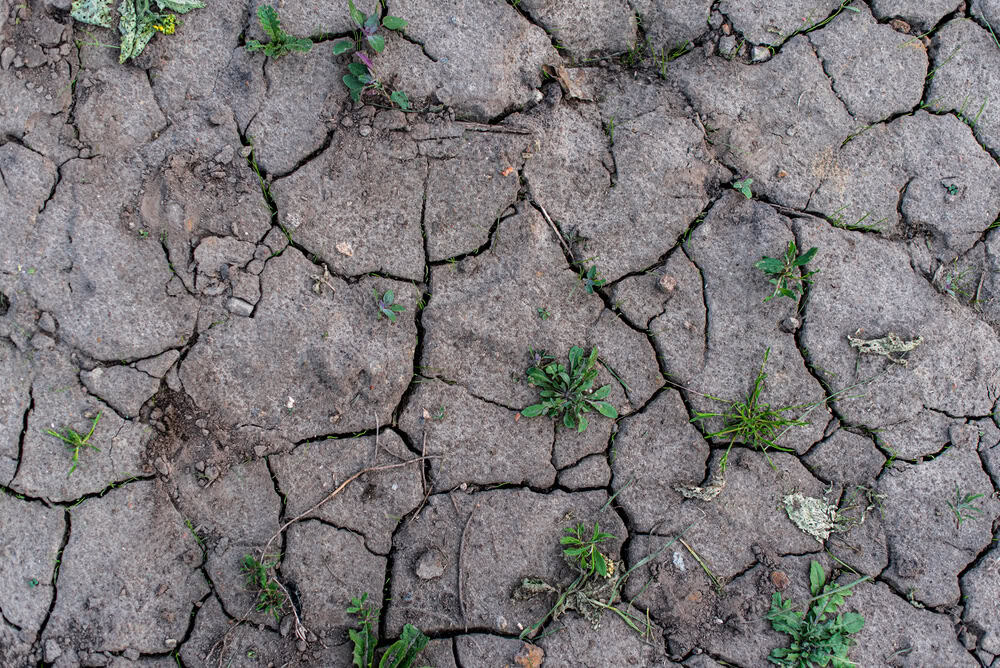
Soil composition plays a critical role in how winter drought affects Texas trees. Much of Tarrant County consists of heavy clay soil, which behaves unpredictably during dry periods.
Clay soil:
- Shrinks as it dries, pulling away from roots
- Creates air gaps that increase root dehydration
- Limits water infiltration when rain does occur
- Becomes compacted, reducing oxygen availability
When clay soil dries out in winter, roots may lose contact with surrounding soil entirely, making it difficult to rehydrate even when moisture returns.
How Winter Drought Damages Tree Roots
Tree roots rely on a thin film of moisture surrounding soil particles to absorb water and nutrients. During winter drought, this film disappears, leaving roots exposed to dry air pockets.
Common root-level effects include:
- Death of fine feeder roots
- Reduced carbohydrate storage
- Slower metabolic recovery in spring
- Weakened root anchoring
These issues directly affect a tree’s ability to support healthy canopy growth later in the year.
Above-Ground Symptoms Linked to Winter Drought
Although winter drought damage begins underground, it eventually becomes visible above ground. Symptoms often appear months later and may include:
- Delayed or uneven bud break
- Smaller or fewer leaves
- Branch dieback, especially at the top of the canopy
- Increased pest activity during warm spells
- Early leaf drop during summer
Because these symptoms appear long after winter, drought stress is frequently misdiagnosed.
Why January Is a High-Risk Month in North Texas
January is one of the most critical months for winter drought in North Texas. While precipitation may occur, it is often followed by:
- Rapid drying winds
- Sudden temperature drops
- Frozen soil that prevents absorption
Warm January days can increase evaporation, while cold nights reduce water availability. This imbalance leaves roots vulnerable during a period when trees should be conserving energy.
The Importance of a Winter Watering Schedule
One of the most effective ways to prevent winter drought stress is following a proper winter watering schedule. Trees do not need frequent watering during dormancy, but they do require deep, infrequent moisture when soil conditions allow.
A professional winter watering strategy considers:
- Soil temperature and freeze risk
- Recent rainfall totals
- Soil type and drainage capacity
- Tree species and maturity
Watering should occur during warmer periods when soil is not frozen, allowing moisture to reach the root zone without runoff.
Why Overwatering Is Also a Risk
While drought is a concern, overwatering during winter can be just as damaging. Excess moisture combined with cold temperatures increases the risk of root rot and soil compaction.
The goal of winter watering is balance. Soil moisture solutions help regulate availability, preventing both saturation and dehydration.
Soil Moisture Solutions for Texas Winters
Professional soil moisture solutions are designed to improve how soil absorbs, holds, and releases water. These treatments are especially valuable during Texas winters, when natural moisture patterns are unpredictable.
Benefits include:
- Improved water penetration in compacted clay
- Increased moisture retention without saturation
- Reduced evaporation during dry spells
- Stabilized soil structure around roots
Proper moisture management protects roots throughout winter and prepares trees for spring growth.
The Benefits of Deep Root Feeding During Winter
Deep root feeding plays a crucial role in protecting trees from winter drought stress. By delivering nutrients and soil conditioners directly into the root zone, this treatment supports root health even when surface soil is dry.
Key benefits include:
- Strengthened root systems below dry surface layers
- Improved nutrient storage during dormancy
- Enhanced microbial activity around roots
- Reduced reliance on shallow feeder roots
Deep root feeding is especially effective when combined with soil moisture solutions as part of a comprehensive winter care plan.
How Winter Drought Impacts Spring and Summer Performance
Trees stressed by winter drought often struggle once the growing season begins. Because roots were unable to store sufficient moisture and nutrients, spring growth may be weak or delayed.
Common long-term effects include:
- Reduced canopy density
- Poor drought tolerance in summer
- Increased susceptibility to heat stress
- Greater likelihood of pest infestations
In North Texas, where summers are extreme, starting the year with compromised roots puts trees at a severe disadvantage.
Commercial Properties and Winter Drought Risk
Commercial landscapes face heightened winter drought risk due to compacted soils, large paved areas, and altered drainage patterns.
Properties such as:
- HOAs and apartment complexes
- Schools and universities
- Medical campuses
- Retail centers and office parks
benefit significantly from proactive winter moisture management. Protecting mature trees preserves property value and reduces long-term maintenance costs.
Why DIY Winter Watering Often Falls Short
While homeowners may attempt to water trees during winter, DIY efforts often miss critical factors such as soil temperature, compaction, and root depth.
Without professional assessment, it is difficult to:
- Determine proper watering depth
- Avoid runoff on clay soils
- Identify existing root stress
- Balance moisture correctly
Professional tree care ensures moisture reaches the areas where it is most needed.
Integrating Winter Drought Prevention into Year-Round Tree Care
Winter drought prevention is most effective when integrated into a comprehensive tree care program. This approach ensures trees are supported during every season.
A complete plan includes:
- Winter soil moisture management and deep root feeding
- Spring nutrient optimization
- Summer drought monitoring
- Fall recovery treatments
This proactive strategy reduces stress accumulation and supports long-term tree health.
Final Thoughts: Preventing the Hidden Damage of Winter Drought
Winter drought is one of the most overlooked threats to Texas trees. While the damage may not be immediately visible, dry soil during winter weakens roots and sets the stage for decline later in the year.
By following a proper winter watering schedule and investing in professional soil moisture solutions and deep root feeding, property owners in North Texas can protect their trees during the most vulnerable months of the year.
Healthy roots are the foundation of strong trees. Addressing winter drought now ensures trees are better prepared to withstand spring growth demands and the intense Texas summer ahead.
Schedule a winter soil moisture evaluation today to protect your trees from hidden drought damage.