

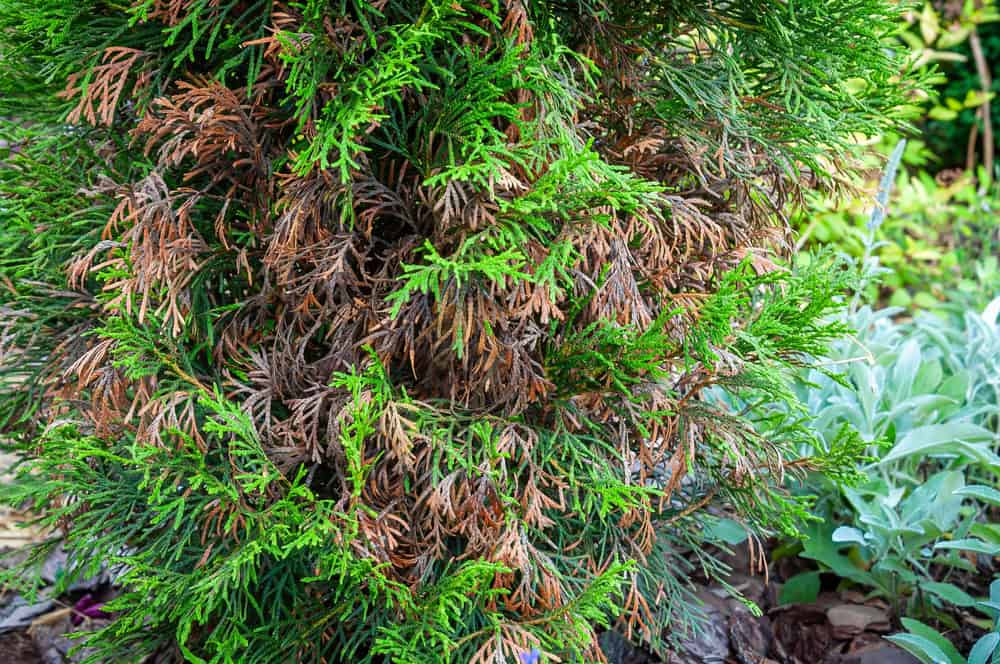
Evergreens are a cornerstone of North Texas landscapes. From boxwoods and hollies to junipers, pines, and arborvitae, these plants provide year-round structure, privacy, and color. Yet each winter, many property owners across Tarrant County notice the same troubling signs: browning needles, scorched foliage, thinning branches, and sudden decline. This condition, commonly referred to as evergreen browning, is one of the most misunderstood winter landscape problems in Texas.
Unlike deciduous trees, evergreens do not go fully dormant. They continue to lose moisture through their foliage year-round, even during cold weather. When winter conditions interfere with water uptake or increase moisture loss, evergreens can suffer rapidly. Understanding why evergreen browning occurs in Texas winters and how to prevent it is essential for protecting both residential and commercial landscapes throughout January and beyond.
Why Evergreen Browning Is Common in Texas Winters
Evergreen browning in Texas is rarely caused by a single factor. Instead, it is usually the result of multiple stressors acting simultaneously. North Texas winters are characterized by:
- Inconsistent rainfall
- Dry, gusty winds
- Sudden temperature swings
- Clay-heavy soils
- Intermittent freezes followed by warm days
These conditions place evergreens in a constant state of stress. While deciduous plants shed their leaves and reduce moisture loss, evergreens continue transpiring, making them far more vulnerable to winter dehydration and tissue damage.
Understanding Winter Burn in Evergreens
Winter burn is one of the most visible forms of evergreen damage in North Texas. It occurs when foliage loses moisture faster than roots can replace it. This imbalance leads to desiccation, browning, and needle drop.
Common contributors to winter burn include:
- Prolonged dry periods
- Frozen or compacted soil
- Strong north winds
- Sudden temperature drops after warm spells
South and west-facing sides of shrubs and trees are often affected first, as they receive the most sun exposure during winter days.
The Role of Soil Moisture in Evergreen Health
Healthy soil moisture levels are the foundation of evergreen survival during winter. Roots must be able to absorb water consistently to offset moisture lost through foliage.
In North Texas, soil moisture challenges are compounded by clay soil, which:
- Dries out and shrinks during drought
- Cracks and pulls away from roots
- Limits infiltration when rainfall does occur
- Becomes compacted over time
When soil moisture drops too low, evergreens experience rapid dehydration, even if temperatures are mild.
Why January Is a Critical Month for Evergreen Care
January is often the most damaging month for evergreens in the DFW area. Cold fronts frequently arrive with dry air, while rainfall may be sporadic or absent for weeks at a time. Even brief freezes can limit root function, especially in compacted soils.
Warm January afternoons may encourage moisture loss through foliage, but cold nights prevent roots from absorbing replacement water. This imbalance accelerates browning and stress.
Signs of Moisture Loss in Evergreens
Early detection of moisture stress allows for corrective action before permanent damage occurs. Common signs include:
- Yellowing or browning needles
- Brittle foliage that snaps easily
- Thinning or sparse growth
- Browning concentrated on one side of the plant
- Increased needle drop
Because symptoms may worsen weeks after the initial stress event, monitoring evergreens throughout winter is essential.
Soil Moisture Solutions for Winter Evergreen Protection
Professional soil moisture solutions are designed to improve how soil absorbs, retains, and releases water. These treatments are particularly effective for evergreen shrubs and trees that rely on consistent moisture year-round.
Benefits include:
- Improved water penetration in clay soils
- Reduced runoff during winter watering
- Enhanced moisture retention without oversaturation
- Stabilized soil structure around root systems
Proper moisture management helps prevent dehydration and reduces the risk of winter burn.
The Importance of Proper Winter Watering
One of the most effective ways to prevent evergreen browning in Texas is maintaining a proper winter watering schedule. While plants require less water during dormancy, evergreens still need deep, periodic watering when conditions allow.
Best practices include:
- Water during warmer days when soil is not frozen
- Apply water slowly to allow deep penetration
- Focus on the root zone, not foliage
- Adjust frequency based on rainfall and soil conditions
Avoid shallow, frequent watering, which encourages surface roots and increases vulnerability.
How Freeze–Thaw Cycles Impact Evergreens
Freeze–thaw cycles exacerbate moisture loss by disrupting soil structure and root contact. As soil freezes and expands, it can damage fine roots. When it thaws, roots may be left exposed to air pockets.
This process:
- Reduces water uptake
- Increases dehydration risk
- Weakens root anchoring
- Compounds existing moisture stress
Evergreens already struggling with low moisture are especially susceptible.
Evergreen Species Commonly Affected in North Texas
Certain evergreen species are more prone to winter browning in the DFW area, including:
- Boxwood
- Holly varieties
- Juniper
- Arborvitae
- Pine and spruce
While these plants are widely used in North Texas landscapes, they require proper winter care to remain healthy.
The Connection Between Winter Stress and Pests
Winter-stressed evergreens are far more attractive to shrub and tree pests. When plants are weakened by dehydration, their natural defenses decline.
Common pests that exploit winter stress include:
- Spider mites
- Scale insects
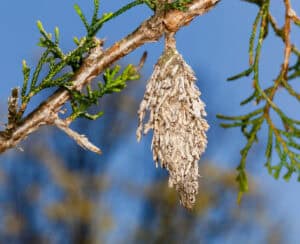
- Bagworms
- Aphids
Many of these pests remain active during mild winter periods or overwinter on stressed plants, causing additional damage in spring.
Why Pest Pressure Increases After Winter Damage
Pests are drawn to weakened tissue and reduced sap flow. Evergreen browning often precedes pest infestations, which accelerate decline once temperatures warm.
Early pest management, combined with moisture correction, reduces long-term damage and recovery time.
Mulching as a Winter Defense Strategy
Mulch is one of the simplest yet most effective tools for protecting evergreens during winter. A proper mulch layer:
- Insulates soil temperature
- Reduces evaporation
- Protects shallow roots
- Improves soil health over time
Mulch should be applied 2–4 inches deep and kept away from direct contact with trunks or stems.
Why DIY Evergreen Care Often Falls Short
While homeowners may attempt to protect evergreens with watering or covers, DIY methods often fail to address underlying soil and moisture issues.
Without professional evaluation, it is difficult to:
- Identify soil compaction
- Determine proper watering depth
- Balance moisture correctly
- Detect early pest activity
Professional tree and shrub care ensures treatments are properly timed and targeted.
Evergreen Care for Commercial Properties
Commercial landscapes face additional challenges during winter, including compacted soils, reflective heat from buildings, and limited root space.
Properties such as:
- HOAs and apartment complexes
- Office parks and retail centers
- Medical campuses
- Schools and churches
benefit greatly from proactive evergreen maintenance programs. Protecting evergreens preserves curb appeal and reduces replacement costs.
Integrating Evergreen Protection Into Year-Round Care
Winter evergreen care is most effective when integrated into a comprehensive landscape management plan.
A strong program includes:
- Winter soil moisture solutions
- Seasonal pest monitoring
- Spring nutrient optimization
- Summer stress management
- Fall recovery treatments
This approach prevents stress accumulation and supports long-term plant health.
Final Thoughts: Protecting Evergreens Through North Texas Winters
Evergreen browning in Texas is not inevitable. With proper winter protection, moisture management, and pest prevention, evergreens can maintain color, density, and vitality year-round.
January is the ideal time to address moisture loss and stress before irreversible damage occurs. Investing in professional soil moisture solutions and proactive shrub and tree care protects your landscape and ensures evergreens remain an asset, not a liability.
Schedule a winter evergreen evaluation today to prevent browning, burn, and moisture loss across your North Texas property.