

Winter irrigation is one of the most misunderstood aspects of tree care in North Texas. Many homeowners assume irrigation systems should be turned off completely once cold weather arrives, while others continue watering as if it were summer. Both approaches can cause serious damage. In Tarrant County, where winters are mild, dry, and unpredictable, improper winter irrigation is a leading cause of tree stress, root damage, and long-term decline.
Trees in North Texas do not stop needing water in winter. Their growth slows, but their roots remain alive and active. When irrigation practices fail to account for soil conditions, temperature swings, and seasonal moisture needs, trees suffer quietly below ground. Understanding the most common winter irrigation mistakes and how to correct them is essential for protecting trees throughout January and beyond.
Why Winter Irrigation Matters in North Texas
Unlike regions with consistent snow cover or frozen ground, North Texas experiences fluctuating winter temperatures. Extended dry spells are common, and rainfall is often sporadic. Cold fronts frequently arrive with dry air and strong winds, accelerating soil moisture loss.
Trees rely on adequate soil moisture to:
- Maintain root hydration
- Support nutrient storage
- Prevent tissue dehydration
- Prepare for spring growth
When winter irrigation is neglected or mismanaged, trees enter the growing season already stressed.
Mistake #1: Turning Irrigation Systems Off Completely
One of the most common winter irrigation mistakes Texas homeowners make is shutting down irrigation systems entirely for months at a time. While irrigation systems should be adjusted for winter, completely depriving trees of supplemental moisture during dry periods can be damaging.
In January, North Texas may go weeks without meaningful rainfall. During these dry stretches, soil moisture levels can drop rapidly, especially in clay soils that shrink as they dry. Trees may experience winter drought stress long before visible symptoms appear.
Mistake #2: Watering on a Summer Schedule
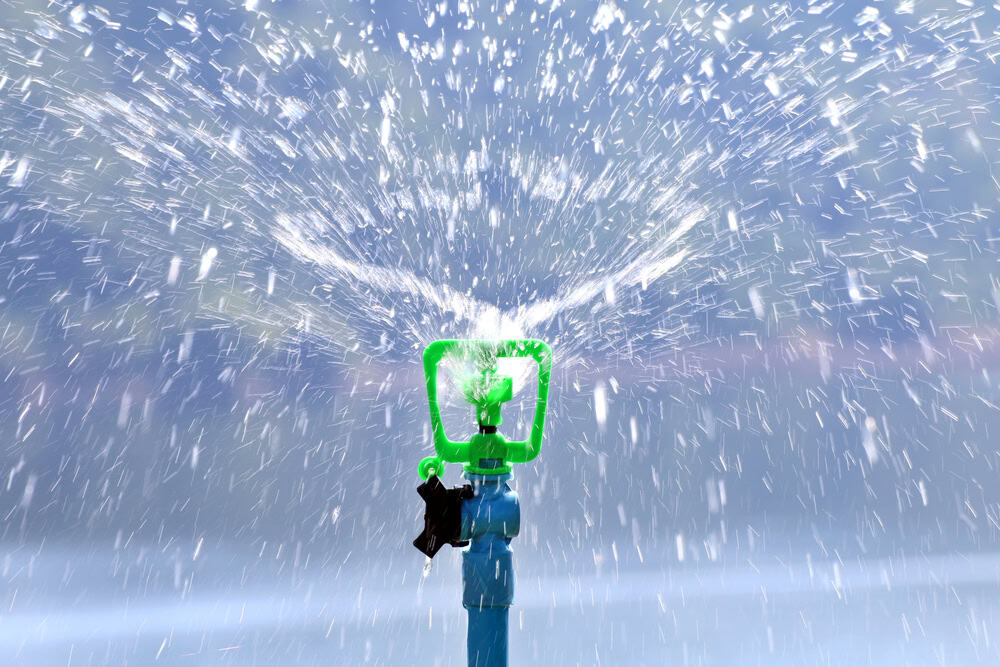
At the opposite extreme, some homeowners continue watering on a summer schedule throughout winter. This can be just as harmful.
Overwatering during cold weather:
- Increases the risk of root rot
- Compacts soil
- Limits oxygen availability
- Amplifies freeze damage when temperatures drop
Winter irrigation must be infrequent, deep, and carefully timed based on weather and soil conditions.
Mistake #3: Ignoring Soil Temperature
Soil temperature plays a critical role in winter irrigation effectiveness. When soil is frozen or near freezing, water cannot be absorbed efficiently by roots.
Watering frozen soil leads to:
- Runoff and wasted water
- Ice formation around roots
- Increased risk of root damage
Proper winter irrigation should occur during warmer periods when soil temperatures allow absorption.
Mistake #4: Shallow Watering
Shallow watering is a year-round issue, but it becomes especially problematic in winter. Light, surface-level watering encourages roots to stay near the soil surface, where they are more vulnerable to cold, drought, and temperature fluctuations.
Trees benefit most from deep watering that reaches the primary root zone. This supports deeper, more resilient root systems.
Mistake #5: Failing to Adjust for Clay Soil
Clay soil dominates much of Tarrant County and presents unique challenges for winter irrigation. Clay absorbs water slowly and holds it tightly, increasing the risk of both drought and saturation.
Without proper management, clay soil can:
- Crack and pull away from roots when dry
- Become compacted when overwatered
- Prevent even moisture distribution
Understanding soil structure is essential for effective winter watering.
How to Water Trees in Winter the Right Way
Proper winter irrigation focuses on maintaining consistent soil moisture without oversaturation. A professional winter watering strategy considers:
- Recent rainfall
- Soil moisture levels
- Temperature trends
- Tree species and maturity
Watering should be done slowly, deeply, and only when conditions are favorable.
The Role of Soil Moisture Solutions
Soil moisture solutions are designed to improve how soil absorbs, retains, and releases water. These treatments are especially valuable during winter when natural moisture patterns are unpredictable.
Benefits include:
- Improved infiltration in compacted soil
- Reduced runoff
- Increased moisture availability during dry spells
- Stabilized soil structure
Proper moisture management helps prevent both drought stress and overwatering damage.
Freeze–Thaw Cycles and Irrigation Timing
Freeze–thaw cycles complicate winter irrigation in North Texas. Watering immediately before a freeze can increase the risk of soil expansion and root damage.
Timing irrigation carefully helps:
- Reduce freeze-related stress
- Maintain root contact with soil
- Prevent ice lens formation
Professional monitoring ensures irrigation schedules adapt to changing conditions.
The Connection Between Winter Irrigation and Tree Health
Trees that receive proper winter irrigation:
- Store nutrients more effectively
- Experience less winter stress
- Recover faster in spring
- Are more resistant to pests and disease
In contrast, trees exposed to irrigation mistakes often show delayed leaf-out, canopy thinning, and increased pest pressure.
Common Tree Species Affected by Winter Irrigation Errors
Many popular North Texas trees are sensitive to improper winter watering, including:
- Live oak
- Red oak
- Cedar elm
- Ash
- Maple
Even drought-tolerant species can suffer when irrigation is mismanaged.
Irrigation Challenges for New vs. Established Trees
Newly planted trees require closer attention during winter, as their root systems are still developing. However, established trees are not immune to irrigation mistakes.
Both benefit from:
- Deep, infrequent watering
- Moisture monitoring
- Soil conditioning
Tailoring irrigation to tree age is critical.
Why DIY Irrigation Adjustments Often Fail
Many irrigation controllers are not designed to adapt automatically to winter conditions. Homeowners may lack the tools or data needed to adjust schedules correctly.
Without professional oversight, it is easy to:
- Water too often
- Miss critical dry periods
- Ignore soil variability
Professional tree care services provide accurate assessments and adjustments.
Integrating Winter Irrigation into Year-Round Tree Care
Winter irrigation should be part of a comprehensive tree care program, not a standalone practice.
An effective plan includes:
- Winter moisture monitoring
- Spring nutrient optimization
- Summer drought management
- Fall recovery treatments
This holistic approach supports long-term tree health.
Commercial Properties and Winter Irrigation Risks
Commercial landscapes face increased irrigation challenges due to compacted soils, large paved areas, and system complexity.
HOAs, apartment complexes, and commercial properties benefit from professional irrigation management to avoid costly tree loss.
Final Thoughts: Correcting Winter Irrigation Mistakes
Winter irrigation mistakes are easy to make but costly to ignore. In North Texas, improper watering during January can weaken trees before the growing season even begins.
By understanding how to water trees in winter correctly and utilizing professional soil moisture solutions, homeowners and property managers can protect their trees from hidden stress and long-term decline.
Proper winter irrigation sets the stage for healthier growth, stronger root systems, and better resilience against Texas heat.
Schedule a winter irrigation evaluation today to ensure your trees receive the care they need this season.