

Late Winter Lawn Diseases: Red Thread, Snow Mold, and Fairy Rings
Late winter in North Texas often feels like a pause between seasons. Lawns appear inactive, growth is minimal, and many property owners assume turf problems are unlikely until warmer weather arrives. In reality, several damaging lawn diseases develop quietly during late winter and early spring. Red thread, snow mold, and fairy rings are three of the most common examples, and all can compromise turf health long before symptoms fully reveal themselves.
Understanding how these lawn diseases form, what conditions encourage them, and how early intervention supports recovery helps property owners protect turf before spring stress increases. Late winter awareness is one of the most effective tools for long term lawn disease prevention in Texas.
Why Lawn Diseases Develop in Late Winter
Late winter creates a unique set of environmental conditions that favor disease development even when turf appears dormant.
Extended Moisture Periods
Rainfall combined with cool temperatures slows evaporation. Prolonged moisture on soil surfaces and within turf thatch layers creates ideal environments for fungal organisms.
Reduced Turf Metabolism
Grass growth slows significantly during cooler months. Reduced metabolic activity limits the turf's ability to recover from stress or suppress disease organisms naturally.
Soil Compaction and Drainage Challenges
Clay based soils common throughout North Texas hold moisture longer. Compaction from winter conditions further restricts drainage, increasing disease pressure.
For a broader overview of turf disease concerns in the region, visit here
Red Thread Lawn Disease
Red thread lawn disease is a cool season fungal issue that often appears during late winter and early spring. While it is more common in certain turf types, it can affect a wide range of lawns under the right conditions.
What Causes Red Thread
Red thread develops when fungal organisms exploit weakened turf. Key contributing factors include:
- Extended leaf wetness
- Low nitrogen availability
- Cool temperatures combined with high humidity
These conditions are frequently present during late winter in Texas.
Early Signs of Red Thread
Red thread symptoms are often subtle at first.
- Irregular patches of pinkish or reddish turf
- Thin, straw colored grass blades
- Fine threadlike structures extending from leaf tips during humid periods
Because turf growth is slow in late winter, affected areas may linger longer than expected.
How Red Thread Affects Lawn Health
While red thread rarely kills turf outright, it significantly weakens grass. Affected areas struggle to green up evenly in spring and become more susceptible to additional disease and pest pressure.
Maintaining balanced soil nutrition plays an important role in reducing red thread severity. Learn more about nutrient support strategies at The Best Fertilization Program
Snow Mold in Texas Lawns
Snow mold is often associated with colder climates, but it does occur in Texas lawns during cool, wet winters. Extended periods of cloud cover, moisture, and mild temperatures allow snow mold fungi to remain active.
Why Snow Mold Appears in North Texas
Unlike regions with persistent snow cover, Texas experiences intermittent cool and wet conditions that still support snow mold development.
Contributing factors include:
- Prolonged soil moisture
- Dense turf growth entering winter
- Limited air movement across lawn surfaces
Identifying Snow Mold Symptoms
Snow mold symptoms often become visible as temperatures begin to rise.
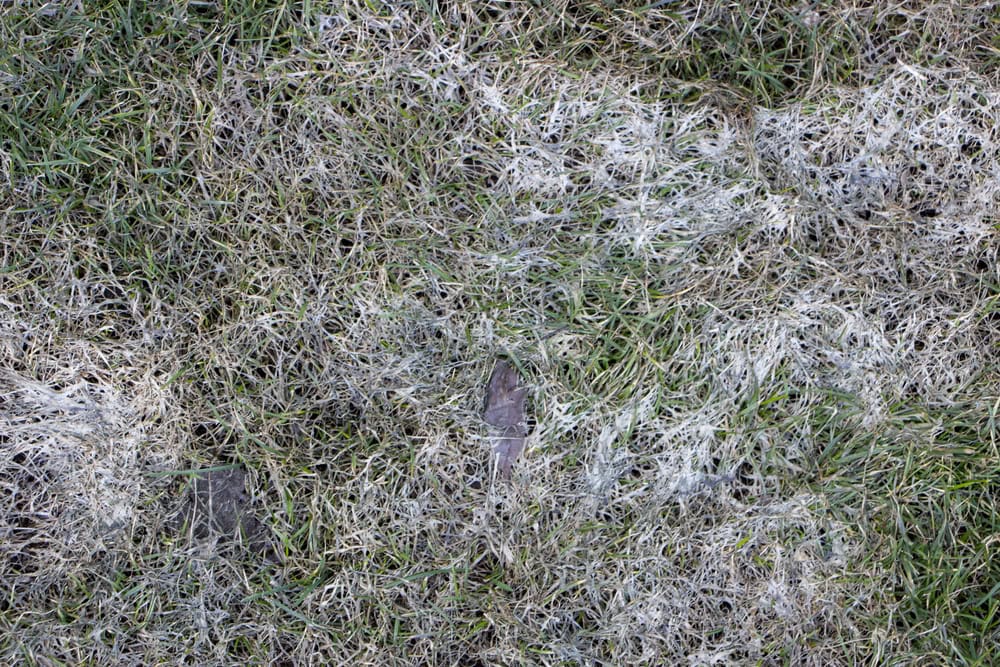
- Circular or irregular patches of matted turf
- Gray, white, or pink fungal residue in severe cases
- Slow recovery once spring growth begins
Snow mold damage can easily be mistaken for winter stress, delaying corrective action.
Long Term Impact of Snow Mold
Left unmanaged, snow mold weakens turf density and creates openings for weeds and pests once spring arrives. Early recognition supports faster recovery and reduces secondary issues.
Fairy Rings Lawn Disease
Fairy rings are among the most visually distinctive lawn diseases. They are caused by soil dwelling fungi that alter soil structure and nutrient availability.
How Fairy Rings Form
Fairy ring fungi feed on organic matter in the soil. As they grow outward, they create rings or arcs that disrupt turf growth patterns.
In North Texas, fairy rings often become more pronounced following wet winter conditions that encourage fungal expansion.
Common Fairy Ring Symptoms
Fairy rings present in several forms.
- Dark green rings caused by excess nitrogen release
- Rings of dead or thinning turf due to hydrophobic soil conditions
- Mushrooms or fungal growth appearing along ring edges
The underlying issue is not surface growth but changes occurring within the soil profile.
Why Fairy Rings Are Difficult to Manage
Fairy rings alter how soil absorbs and retains moisture. Affected areas may repel water, creating drought stress even when surrounding turf appears healthy.
For insights into managing moisture related lawn challenges, visit our moisture management page
Shared Risk Factors Across These Lawn Diseases
Although red thread, snow mold, and fairy rings differ in appearance, they share common risk factors.
Excess Soil Moisture
Poor drainage and prolonged saturation support fungal growth and limit turf resilience.
Nutrient Imbalances
Both deficient and excessive nutrient levels weaken turf defenses.
Soil Compaction
Compacted soils reduce oxygen availability and restrict root function, increasing disease susceptibility.
Limited Airflow
Lawns surrounded by structures or dense landscaping dry more slowly, extending disease favorable conditions.
Early Detection and Monitoring Strategies
Late winter monitoring helps identify disease issues before damage becomes widespread.
- Watch for uneven color changes
- Check for persistent moisture after rainfall
- Note areas with repeated disease history
Documenting problem zones supports targeted management strategies rather than broad, reactive responses.
How Healthy Soil Reduces Lawn Disease Pressure
Soil health plays a central role in lawn disease prevention Texas property owners can rely on.
Improving Soil Structure
Healthy soils allow water to move evenly and oxygen to reach roots.
Supporting Beneficial Microorganisms
Balanced microbial populations naturally compete with disease causing fungi.
Encouraging Strong Root Systems
Robust roots improve nutrient uptake and stress tolerance.
For related soil improvement concepts, see https://treeshurttoo.com/year-end-soil-reset-winter-soil-amendments-texas/
Why Late Winter Action Matters
Addressing lawn disease risks before spring growth begins provides several benefits.
- Faster spring green up
- Reduced disease recurrence
- Lower long term treatment needs
- Improved turf density and appearance
Waiting until symptoms are severe often limits recovery speed and increases overall stress on turf systems.
Professional Lawn Health Assessments
Professional evaluations identify disease risk factors that are not always visible at the surface. Soil moisture patterns, compaction levels, and nutrient balance are all assessed to support customized solutions.
Trusted External Resources on Lawn Diseases
For additional research based information, consult these authoritative sources.
- Texas A and M AgriLife Extension turfgrass disease publications
- USDA turfgrass management resources
These organizations provide science driven insights that complement professional lawn care strategies.
Preparing Your Lawn for a Healthier Spring
Red thread, snow mold, and fairy rings are all signs that environmental conditions are influencing turf health beneath the surface. Late winter awareness, proper moisture management, and soil focused strategies significantly reduce the impact of these lawn diseases.
By recognizing early warning signs and addressing underlying risk factors, Texas property owners can protect their lawns from long term damage and support stronger, more resilient turf as spring approaches.