

There’s nothing quite like the sight of a majestic tree anchoring your landscape, offering shade, beauty, and a sense of permanence. But when once-vibrant leaves begin to fade, branches grow brittle, or the canopy thins out, it’s often a warning sign that your tree may be in serious decline. Catching these issues early is critical. Timely diagnosis and intervention can mean the difference between losing a valuable tree and restoring it to full health.
Revitalizing a dying tree goes beyond aesthetics. Strong, healthy trees contribute to a thriving outdoor environment by improving air quality, providing cooling shade, and creating a natural habitat for birds and beneficial insects. They also increase curb appeal and property value. When paired with professional tree and shrub care, customized lawn care programs, and reliable pest control services, your landscape becomes a balanced ecosystem where every element supports the others.
The good news is that with the right strategies, you can often bring a struggling tree back from the brink. From improving soil conditions and watering habits to managing harmful insects and applying targeted treatments, proactive care can restore vitality and extend the life of your trees.
In this guide, we’ll walk you through seven practical and proven ways to save your tree and breathe new life into your outdoor space, ensuring your entire landscape thrives for years to come
Assess the Signs of a Dying Tree
Before taking any action to revive a dying tree, it's crucial to accurately assess the extent of the damage. Start by closely examining the tree for visible signs of distress. Leaf discoloration is one of the first indicators something might be wrong; yellowing or browning leaves, premature leaf drop, and wilting are red flags. Additionally, inspect the bark for abnormalities such as cracks, splits, or peeling. If you notice areas where bark is falling off or discolored patches that seem unusual, these could be symptoms of underlying issues that may indicate your tree is dying.
Once you've identified possible signs of distress, move on to determining whether the damage is reversible or irreparable. Trees have remarkable resilience but knowing when it's too late can save time and resources. For instance, if more than half of the branches are dead or if there’s significant structural damage to the trunk, recovery may not be feasible. However, minor issues like localized pest infestation or nutrient deficiencies are often manageable with proper care and intervention.
When in doubt about your tree’s condition, consulting a certified arborist can provide valuable insights and guidance to help save your tree. Arborists have specialized knowledge and tools to diagnose problems that might not be apparent to an untrained eye. They can recommend tailored solutions ranging from specific treatments to advice on whether it’s best to remove the tree altogether. This expert opinion can make all the difference in ensuring your efforts lead to a successful revival rather than continued decline.
Proper Watering Techniques Around the Tree
Ensuring consistent watering schedules is crucial for the health of any tree, but it’s especially critical when you’re trying to revive a dying one. Different species have varying water requirements; for instance, a spruce tree needs less frequent but deeper watering compared to a maple tree that requires more regular hydration to help save the tree. Tailoring your watering schedule to both the species and season will ensure that your tree gets the necessary moisture without overdoing it. During dry summer months, consider using a soaker hose or drip irrigation system, which provides deep, even soaking with minimal water waste.
Overly wet or dry soil conditions can further stress an already weakened tree. If you find water pooling around the base of your tree after rain, it might be suffering from poor drainage. To combat this issue, consider amending the soil with sand or compost to improve permeability or raising planting beds if practical. Conversely, if your soil feels perpetually parched and cracked, it’s essential to irrigate more frequently but avoid drowning the roots, this could lead to root rot. Using a moisture meter can help pinpoint just how dry or wet your soil is at various depths.
An often-underestimated ally in managing soil moisture is mulch. Applying organic mulch like wood chips around the base of your tree not only conserves moisture by reducing evaporation rates but also insulates roots from extreme temperatures and inhibits weed growth that competes for nutrients and water. Spread a layer about 3-4 inches thick while keeping it away from directly piling against the trunk to prevent bark rot—think of creating a protective donut shape rather than a volcano mound. Mulch breaks down over time, enriching the soil gradually and improving its overall health, a win-win situation for your struggling tree. Learn more on our ornamental care page.
Soil Health Restoration and Fertilizer
A tree's foundation extends below the surface, deeply intertwining its well-being with the soil it grows in. Conducting soil tests is a fundamental step in diagnosing problems and ensuring your tree has the right environment to thrive. Soil tests reveal critical information about pH levels and nutrient deficiencies that may be affecting your tree's health. For instance, a too-acidic or too-alkaline soil can hamper root function and nutrient absorption, which may ultimately lead to a dead tree. You can obtain a simple soil test kit from gardening stores or consult local extension services for more accurate results.
Enriching the soil by adding organic matter is another effective strategy for revitalizing your tree. Organic compost, decomposed leaves, or well-rotted manure introduces essential nutrients back into the earth, boosting microbial activity which fosters healthy root systems. Regularly mixing these materials into your garden bed not only improves fertility but also enhances soil structure by increasing its moisture-retention capabilities and preventing erosion.
Compacted soil is often overlooked yet profoundly detrimental because it restricts air flow and water penetration to the roots. If you notice your tree’s surroundings feel like hardened clay rather than soft loam, aerating the soil should be on top of your to-do list. Learn about the benefits of total lawn and pest care to improve soil conditions across your landscape.
Pruning Dead and Diseased Branches Off Sick Tree
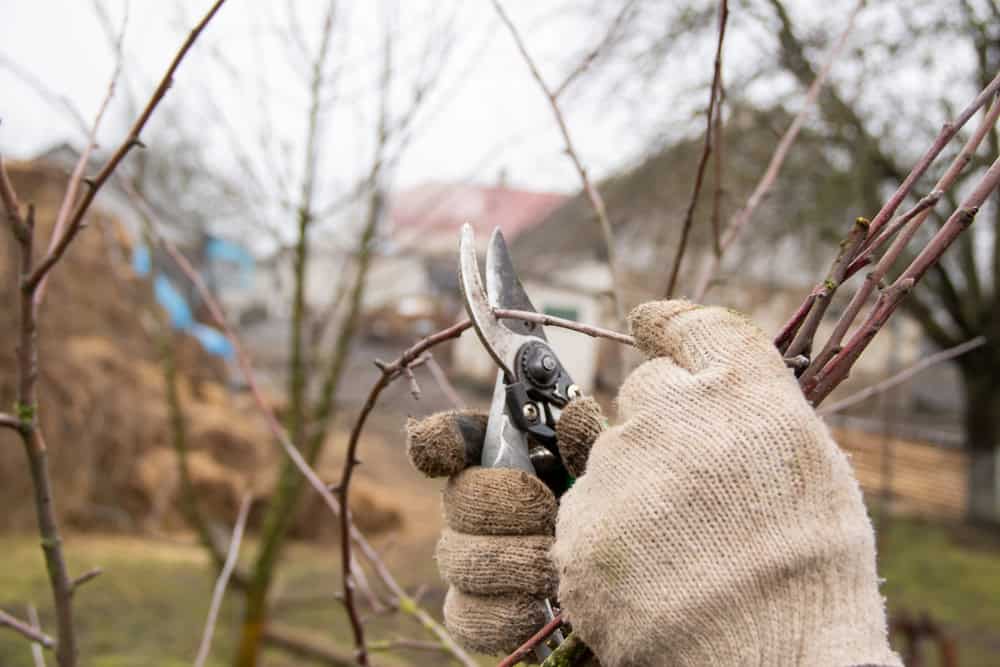
One of the most critical steps in reviving a dying tree is pruning dead or diseased branches to help prevent further decline. Proper pruning techniques involve using clean, sharp tools to make precise cuts just outside the branch collar, the raised area where the branch meets the trunk. This minimizes harm to the tree and promotes faster healing. For instance, if you notice branches with no leaves or foliage during a growth season, it's likely they are dead or diseased and should be removed promptly to help save the tree.
Strategic thinning can encourage new growth, particularly by reducing overcrowded branches that block sunlight and air circulation within the canopy. For example, selectively removing some inner branches allows better light penetration and air flow, which are essential for photosynthesis and preventing fungal diseases. Additionally, thinning out branches helps redirect energy to healthier parts of the tree.
Having the right tools is crucial for effective pruning while ensuring safety for both you and your tree. Essential tools include hand pruners, loppers, and a pruning saw. Be mindful of your footing when working on taller trees; sometimes it’s safer and more practical to consult a professional arborist or invest in tree injections for internal tree health boosts.
Fertilization Strategies To Save A Dying Tree
Selecting the right type of fertilizer for your tree is fundamental in providing the necessary nutrients to revive its health. Different trees have varying nutritional needs. To make an informed choice, it’s wise to conduct a soil test to identify any deficiencies that need addressing.
Timing your fertilization efforts is another key factor in maximizing its benefits. Trees generally respond best to fertilization during their active growing seasons, typically spring and early fall. Applying fertilizer just before heavy rainfall can also help ensure that the nutrients are well distributed into the soil.
Avoid over-fertilization as it can lead to weak growth prone to disease and pest attacks. For a tailored fertilization program, explore our lawn fertilization services which also extend benefits to nearby trees.
Pest Inspection and Control To Help Save Your Dying Tree
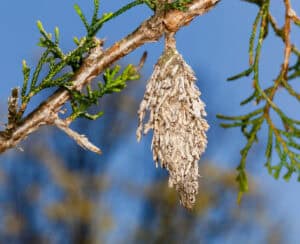
When it comes to revitalizing a dying tree, one cannot overlook the impact of pests. Common culprits like beetles, aphids, and caterpillars can inflict significant damage. Early indicators of pest issues include discolored leaves, sticky residue, or visible holes in the bark.
Natural pest control methods can be both effective and environmentally friendly. Neem oil, beneficial insects, and insecticidal soaps are common options. For more targeted control, consider our mosquito and rodent management services that also help reduce pest presence in tree canopies and mulch zones.
Regular monitoring is key to early pest detection. Maintaining a log of pest activity and treatments will also enable you to anticipate seasonal outbreaks and prepare accordingly.
Disease Management and Tree Care
Managing tree diseases effectively starts with recognizing symptoms like blight, cankers, and mildew. Blight often manifests as browning leaves or sudden dieback, cankers appear as sunken dead areas on branches or trunks, and mildew presents as a white residue on leaves.
Fungicides and natural treatments like neem oil can be effective. If you’re dealing with persistent issues, look into our tree disease treatment options to identify localized problems and select appropriate solutions.
Prevention is always key; regular sanitation, spacing, and choosing resistant species can reduce long-term problems.
A Continued Commitment to Tree Health
Reviving a dying tree is just the beginning. It takes ongoing maintenance to ensure your tree stays healthy and vibrant. Regular watering, soil care, and pest control are all crucial even after the initial revival efforts have been successful.
For comprehensive year-round solutions, check out our Lawn & Ornamental Care Package to keep your property lush and disease-free.
Frequently Asked Questions About Saving a Dying Tree
Can a dying tree be saved?
Many declining trees can recover when the cause is identified early and treated correctly. Trees showing thinning canopy, early leaf drop, or dead branches often respond to watering corrections, soil treatment, and disease or pest control. A professional evaluation tells you whether recovery is realistic.
How do you tell if a tree is dying or already dead?
Scratch a small spot on a twig. Green tissue underneath means the branch is alive, while brown, dry tissue means that section has died. Flexible twigs, intact buds, and healthy bark also point to a living tree. Repeat the test on several branches before deciding.
What are the first signs of a dying tree?
Early warning signs include a thinning canopy, branches with no leaves during the growing season, cracked or peeling bark, mushrooms or fungal growth near the base, and leaves that wilt or discolor out of season. Catching these signs early gives treatment the best chance of success.
Should you fertilize a stressed or dying tree?
Fertilizing a stressed tree without a soil test can push weak growth the tree cannot support. Soil testing comes first, then targeted treatment such as deep root feeding with carbon-based nutrients and beneficial microbes when the root zone needs it.