
Cricket Control for North Texas Homes

The smartest way to protect your trees, lawn, and Home
Locally owned and family operated, proudly serving North Texas. Get your free, no-obligation quote. Or call (972) 521-1552.
Free Quote
Crickets in Your House in Texas
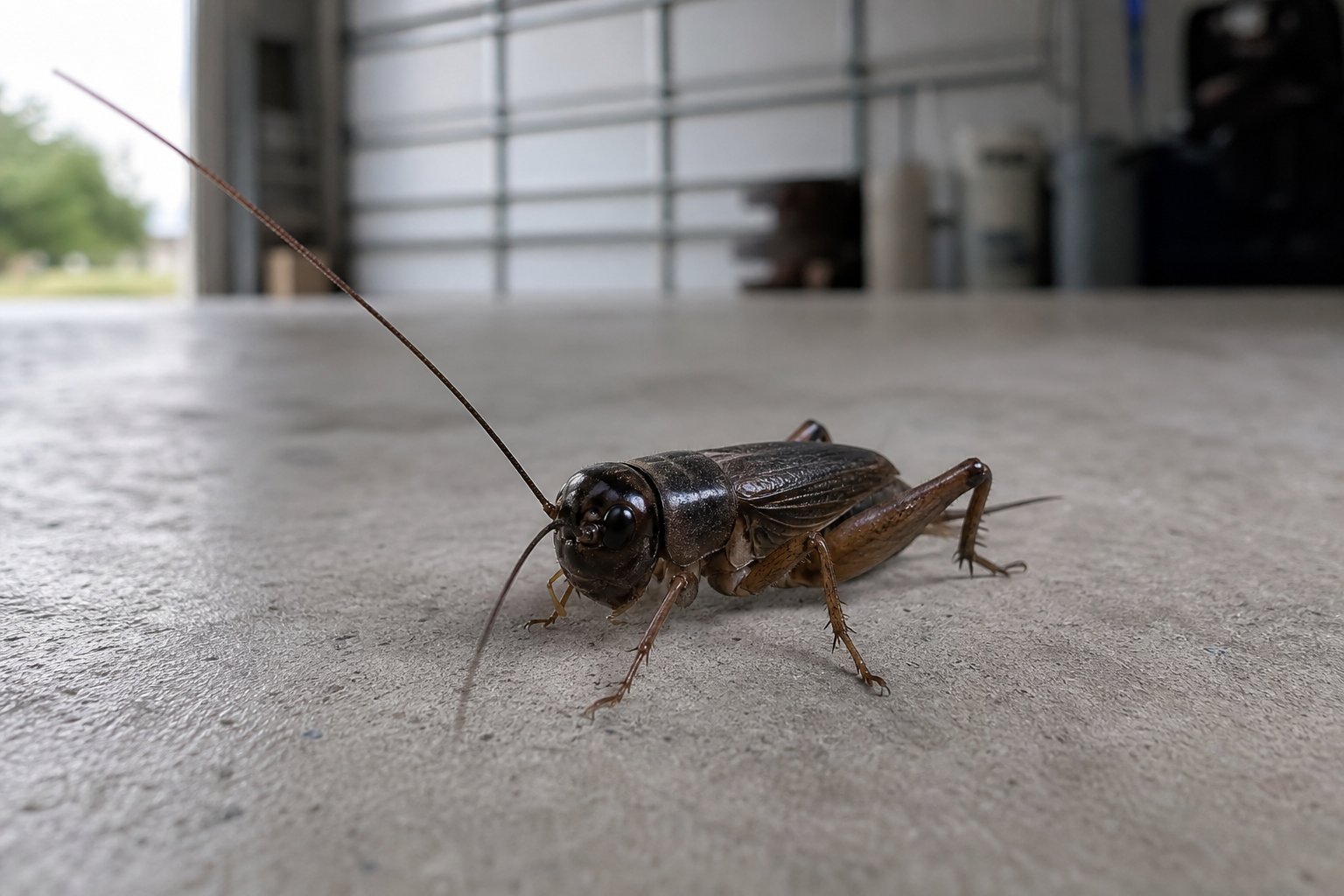
Crickets in the house are a North Texas tradition nobody asked for. Every year, usually in late summer and early fall, field crickets pour out of pastures, medians, and vacant lots across Tarrant County and pile up around porch lights, garage doors, and storefronts. The lucky ones stay outside. The rest slip under doors and into weep holes, and suddenly there is chirping behind the refrigerator at two in the morning that stops the moment you get up to find it.
Trees Hurt Too Inc. treats and prevents cricket problems for homes throughout Fort Worth, Arlington, and the surrounding Tarrant County communities. One stray cricket is a minor annoyance; the seasonal swarms, and the quieter camel crickets that settle into garages and crawl spaces year-round, are worth a real prevention plan. Cricket coverage is part of the basic service on every plan of our quarterly home pest membership, so the barrier is already in place before the fall flights begin.
Why North Texas Gets Cricket Swarms
Field crickets breed through the warm months in grassy, open ground, and our region has plenty of it. Hot, dry summers followed by rain and the first cool fronts of September trigger mass movement as adult crickets seek shelter, food, and light. Mild Tarrant County winters let more crickets survive and start the next generation, and clay soil that cracks in summer drought provides ready-made harborage right up against foundations.
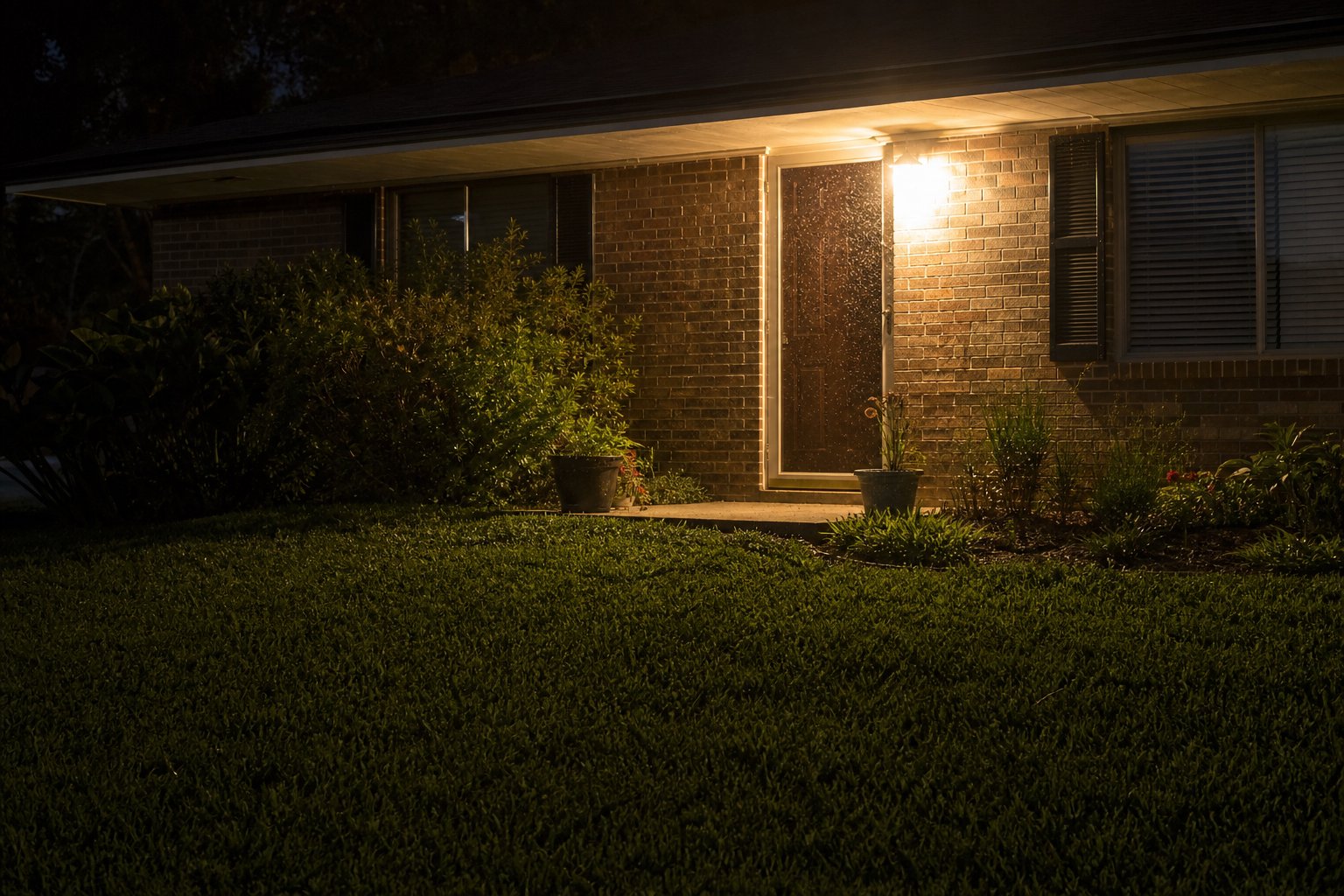
Lights are the great magnet. Bright white porch and landscape lighting draws crickets by the hundreds during flight season, concentrating them exactly where your doors and weep holes are. Two-story entries with tall light fixtures, common across Keller, Mansfield, and North Richland Hills subdivisions, are especially effective cricket collectors.
House crickets and camel crickets follow a different pattern. Camel crickets, the humpbacked, silent jumpers homeowners find in garages and storage rooms, prefer cool, damp, dark spaces and stay indoors once established.
Signs of a Cricket Problem
- Chirping indoors at night, usually from behind appliances, baseboards, or the garage
- Crickets gathered around exterior lights and doors in the evening
- Dead crickets collecting in garages, window wells, and storage areas
- Ragged surface feeding on fabrics, paper, or houseplants during heavy infestations
- Camel crickets jumping in dark corners of garages, closets, and under sinks
Crickets do not bite or spread disease the way roaches do, but heavy infestations can stain surfaces, feed on fabrics and paper, and draw predators. A steady cricket supply is a buffet for spiders and scorpions, so cricket pressure often becomes a spider problem a few weeks later.
Why DIY Cricket Control Falls Short
Swatting the one chirping cricket works, eventually. The problem is the pipeline behind it. Store-bought sprays applied indoors do little about the hundreds staged around the foundation, and glue boards in the garage catch the arrivals without slowing them down. Most homeowners also miss the two biggest levers: exterior lighting and entry points. Without sealing gaps and managing the light that draws crickets to the structure, indoor treatment is just cleanup after the fact.
How Trees Hurt Too Controls Crickets
- Inspection. We identify the species, locate entry points such as door gaps, weep holes, and utility penetrations, and note the lighting and harborage conditions feeding the problem.
- Perimeter treatment. A professional barrier around the foundation, door thresholds, weep holes, and garage perimeter stops crickets before they get inside.
- Harborage treatment. Mulch beds, stone borders, and other cricket staging areas near the structure get targeted attention.
- Interior service on request. Active indoor crickets, including camel crickets in garages and storage areas, are treated at the source.
- Prevention guidance. We point out the door sweeps, sealing opportunities, and lighting adjustments, such as warmer-toned bulbs, that make your home dramatically less attractive during flight season.
Our treatments follow the same science-based, eco-friendly approach we bring to every pest control service, applied with your family, pets, and landscape in mind.
The Fall Cricket Flight, and Why August Is the Deadline
The big cricket year follows a reliable script in Tarrant County. Field crickets breed through spring and summer in open grassy ground, largely unnoticed. A hot, dry August builds enormous numbers in pastures and medians, and then the first September cool front, especially one with rain behind it, flips the switch. Within days, adult crickets move toward structures and lights by the thousands. Businesses with bright signage collect them first, and neighborhoods follow.
The flight lasts several weeks, tapering as sustained cool weather arrives, usually by early November. Homes with a fresh perimeter barrier and sealed thresholds before the front arrives shrug the season off; homes that start reacting in late September spend the next month sweeping up. That timing is the practical argument for quarterly service, which puts the late-summer treatment in place as a matter of routine rather than a scramble.
Camel crickets run on a different calendar entirely. They build up gradually in garages, crawl spaces, and storage rooms through the year and persist all winter, which is why garages deserve attention on every visit rather than once a year.
Crickets and the Rest of the Yard
Cricket pressure rarely travels alone. The same turf and landscape conditions that raise crickets also support the other seasonal invaders we treat, and a heavy cricket year reliably feeds the spider population around porch lights and garage corners a few weeks later. Treating the property as one system, turf, beds, perimeter, and structure together, is how our lawn pest and home pest work reinforce each other, and it is the reason a company that manages lawns and trees reads a cricket problem differently than one that only sprays baseboards.
Cricket Coverage in the Membership
Crickets are included in the basic service on all three membership plans: Pest Package, Pest Package Plus, and Pest Package Premium, starting at $47, $67, and $77 per month. Quarterly visits keep the perimeter barrier fresh year-round, which matters in North Texas because the fall cricket flight is predictable; the homes that stay cricket-free are the ones already protected in August. Free callbacks between visits are included on every plan, so a surprise swarm never costs extra. You can enroll in a pest plan in a few minutes online or by phone.
Frequently Asked Questions: Crickets in North Texas
Why do crickets invade Texas homes every fall?
Late-summer breeding peaks, then early cool fronts and rain push huge numbers of adult field crickets to seek warmth, shelter, and light. Bright lights on homes and businesses concentrate them near entry points, and the invasion runs until sustained cool weather arrives, usually by November.
How do crickets keep getting inside my house?
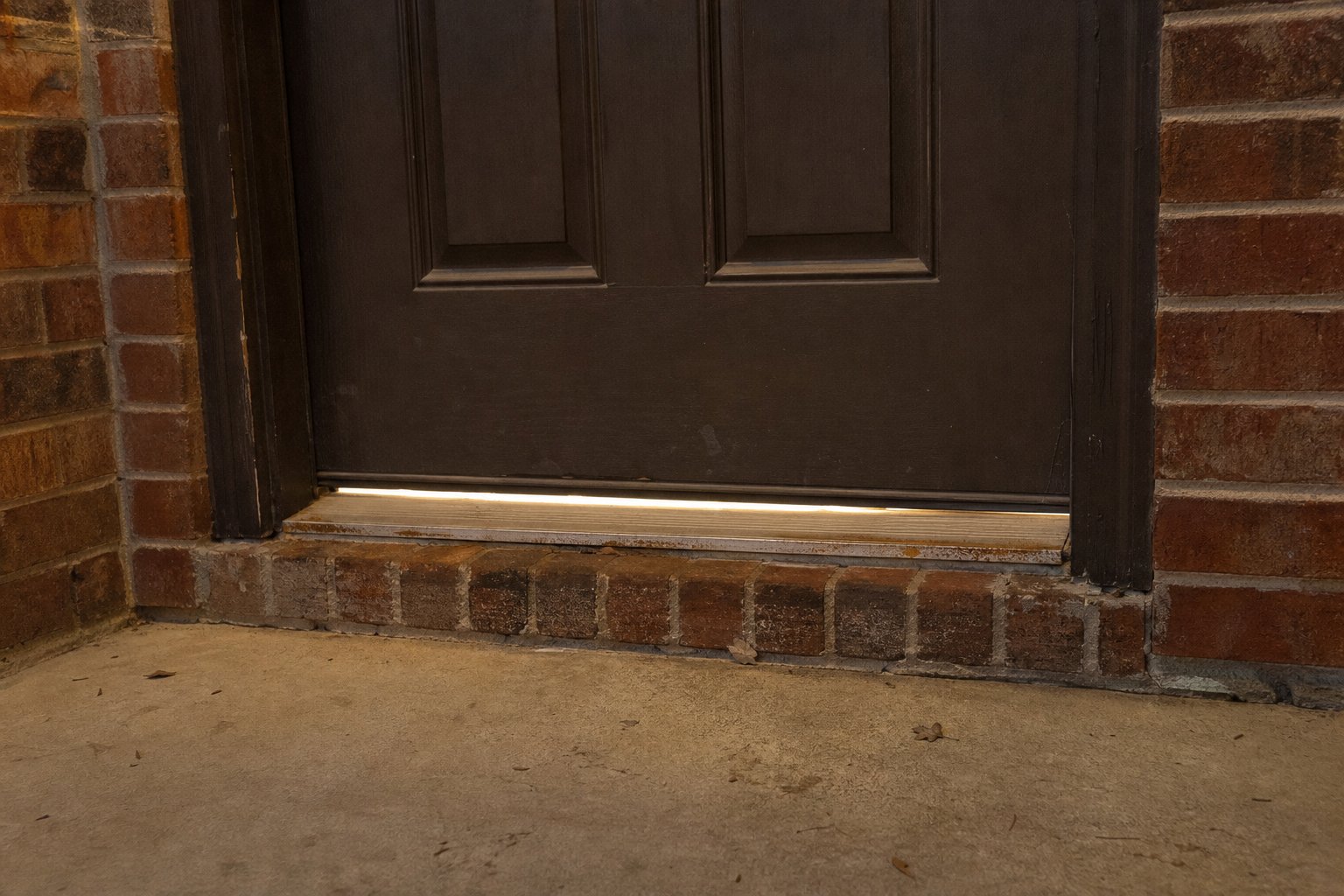
Gaps under doors, unsealed weep holes, garage door edges, and utility penetrations are the main routes. A cricket needs very little space. Sealing and door sweeps close the routes, and a treated perimeter handles the crickets that keep looking.
Are crickets harmful or just annoying?
Mostly annoying. Crickets do not bite people or pets in any meaningful way, but heavy infestations can damage fabrics, paper, and plants, leave stains and droppings, and attract spiders and scorpions that hunt them. The noise alone is reason enough for most households.
Why does the chirping stop when I walk into the room?
Male crickets chirp to attract mates and go silent at vibration, which is why the sound stops the moment you approach. They usually call from tight cover: behind appliances, under baseboards, or inside the garage. Treating harborage areas works far better than hunting individual musicians.
What are the crickets in my garage that never chirp?
Those are camel crickets, sometimes called sprickets for their spider-like look. They are humpbacked, wingless, and silent, and they prefer cool, damp, dark spaces such as garages, crawl spaces, and storage closets. They startle people with erratic jumps but are harmless; ongoing moisture control and perimeter treatment keep them out.
How long does cricket season last in North Texas?
The indoor invasion season typically runs from the first September cool front through late October or early November, with stragglers after warm spells. Outdoor chirping runs far longer, from late spring until frost. Homes protected before Labor Day generally experience the season as background noise rather than an invasion.
Will changing my porch lights really help?
Noticeably, yes. Crickets orient strongly toward bright, cool-white light. Swapping entry and landscape fixtures to warm-toned bulbs, or simply reducing overnight lighting during September and October, cuts the number of crickets staging at your doors, and every other night-flying pest as well.
Helpful Links:
Quiet Nights Start with a Protected Perimeter
Trees Hurt Too Inc. provides cricket control throughout Tarrant County and nearby communities, including Fort Worth, Arlington, Keller, Mansfield, North Richland Hills, Burleson, Grand Prairie, and Irving. Locally owned and family operated, we have served this area for over 28 years. The fall cricket flight comes every year; a treated home barely notices it. Call or text (972) 521-1552 or request your free, no-obligation quote today.