
Silverfish Control in North Texas

The smartest way to protect your trees, lawn, and Home
Locally owned and family operated, proudly serving North Texas. Get your free, no-obligation quote. Or call (972) 521-1552.
Free Quote
Silverfish in Your House in Texas
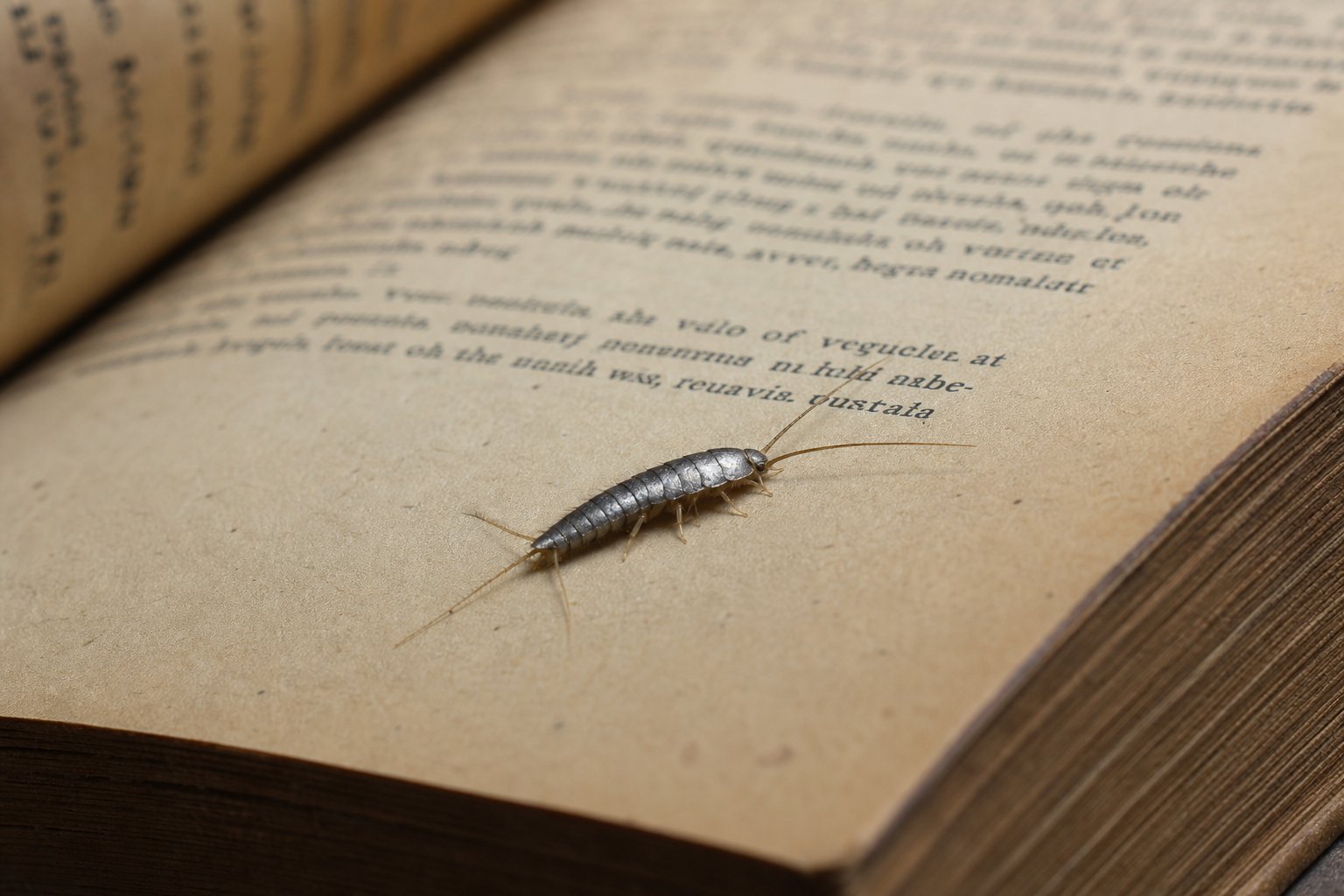
Silverfish are the pest homeowners find in the bathtub at midnight: silvery, carrot-shaped insects that wriggle like fish and vanish the moment the light comes on. They are wingless, fast, and secretive, and by the time you see one on the bathroom floor, a quiet population is usually established in the attic, the closets, or the boxes in the garage. In North Texas homes they can persist for years, feeding slowly on the starches in paper, books, photos, wallpaper paste, fabrics, and pantry goods.
Trees Hurt Too Inc. treats and prevents silverfish infestations in homes throughout Fort Worth, Arlington, and the surrounding Tarrant County communities. Silverfish are also part of the basic service on every plan of our year-round home protection membership, so quarterly visits keep them controlled along with the rest of the common household pests.
Why Silverfish Do Well in North Texas Homes
Silverfish want warmth, humidity, and undisturbed storage, and Tarrant County homes supply all three. Humid springs and long summers keep bathrooms, laundry rooms, and garages in the moisture range silverfish prefer. Attics under Texas sun stay warm most of the year and are full of stored boxes, holiday decorations, and insulation paper facing, an ideal silverfish habitat. Weep holes in brick veneer, gaps under exterior doors, and attic penetrations give them easy access, and once inside they can live for years, surviving long stretches without food.
Their diet is the real problem. Silverfish digest cellulose and starch, which means book bindings, family photos, important documents, wallpaper, linen, cotton, and dry pantry goods like flour and cereal are all on the menu. Damage accumulates slowly and quietly, which is why long-established infestations often show up first as ruined keepsakes in a storage box.
Signs of a Silverfish Problem
- Live silverfish in tubs, sinks, and bathrooms at night
- Irregular scraped or ragged patches on paper, book bindings, and photos
- Small yellowish stains on fabrics and stored linens
- Pepper-like droppings in drawers, bookshelves, and storage boxes
- Shed skins, which are translucent and often collect in dusty corners
Silverfish do not bite or carry disease. Their cost is measured in damaged books, photographs, documents, clothing, and wallpaper, items that are often irreplaceable rather than expensive.
Why DIY Silverfish Control Falls Short
Squashing the one in the tub does nothing about the population in the attic. Silverfish are nocturnal, hide in cracks and insulation, and reproduce steadily in places homeowners rarely disturb. Store-bought sprays reach only exposed surfaces, and traps catch strays without addressing the harborage. The moisture side matters just as much: without correcting the humidity that supports them, silverfish return to the same bathrooms and storage areas no matter how many are removed. Effective control combines habitat treatment, entry-point work, and moisture management, which is more than a can of spray can deliver.
How Trees Hurt Too Controls Silverfish
- Inspection. We confirm silverfish rather than look-alike pests, then trace activity to the harborage areas: attics, closets, storage rooms, and bathroom voids.
- Targeted treatment. Cracks, voids, attic edges, and harborage zones get treated directly with products selected for use in living spaces.
- Perimeter defense. Exterior treatment around weep holes, thresholds, and utility penetrations stops the steady trickle of new arrivals.
- Moisture guidance. We identify the humidity sources, from bathroom ventilation to attic conditions, that keep silverfish comfortable, and recommend practical fixes.
- Quarterly prevention. Ongoing service keeps pressure low so stored items stay protected year-round.
Where Silverfish Hide in a North Texas Home
The attic. Warm year-round, undisturbed, and stocked with cardboard, paper, and insulation facing, the attic is the reservoir that feeds the rest of the house. Most bathroom sightings trace back to an attic population above.
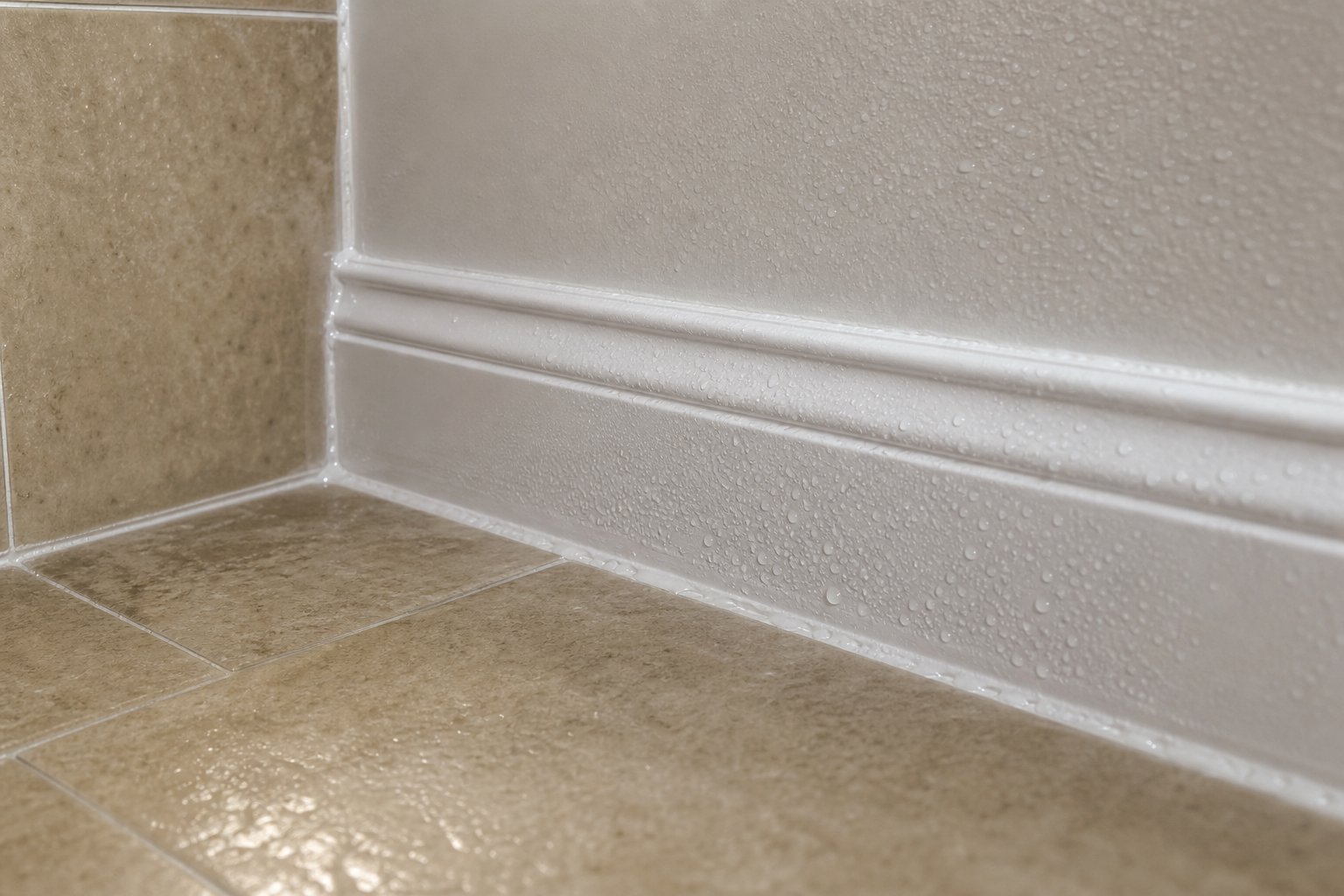
Bathrooms and laundry rooms. Nightly humidity draws foragers down through wall voids and around plumbing penetrations. Tubs, sinks, and the cabinet under the vanity are the classic discovery points.
Closets and bookshelves. Starch in book bindings, photo albums, and natural-fiber clothing makes long-term storage areas a slow buffet. Damage here is usually found long after it happened.
The garage. Boxes on concrete floors wick moisture and combine food, shelter, and dampness in one package. Bottom boxes in a stack are the most common casualty.
Checking these four zones twice a year, and any time you see a silverfish downstairs, gives you an early-warning system that matches how the insect actually moves through a house.
Silverfish or Something Else
Several look-alikes get reported as silverfish in Tarrant County homes. Firebrats are close cousins, mottled gray-brown rather than uniform silver, and they favor genuinely hot spots like water heaters and attics in summer; control measures are the same. Earwigs are darker, with obvious rear pincers, and point to outdoor moisture rather than stored goods; they have their own page. House centipedes are fast, many-legged predators that actually hunt silverfish, so seeing them regularly can itself be a clue that prey insects are established. A photo is enough for us to sort out which one you have, and the distinction changes where treatment gets focused.
Silverfish Coverage in the Membership
Silverfish are included in the basic service on all three plans: Pest Package, Pest Package Plus, and Pest Package Premium, starting at $47, $67, and $77 per month. Every plan includes quarterly service visits, a quarterly inspection, interior service on request, and free callbacks between visits, so a silverfish sighting between visits is covered at no extra charge. The full membership details show what each plan adds beyond the basic service.

Frequently Asked Questions: Silverfish in Texas
Why do I keep finding silverfish in the bathtub?
Silverfish come to bathrooms for moisture, then get trapped by the tub's slick walls, which their legs cannot climb. The tub is a collection point, not the source. The population usually lives in the attic, wall voids, or nearby closets and travels at night.
Are silverfish harmful to people or pets?
No. Silverfish do not bite, sting, or spread disease. The harm is to belongings: books, photographs, documents, wallpaper, fabrics, and pantry starches. Heavy, long-term infestations can also contribute to allergens in dust.
What attracts silverfish to a house?
Humidity, warmth, and starch. Steamy bathrooms, unventilated laundry rooms, warm attics, and cardboard boxes full of paper are ideal. Homes across Fort Worth, Hurst, and Euless offer all of these, which is why silverfish are among the most common pests we find during quarterly inspections.
Do silverfish mean my house has a moisture problem?
Often, yes, at least locally. Persistent silverfish activity points to humidity worth checking: poor bathroom ventilation, an attic that never dries out, or slow leaks under sinks. Addressing the moisture makes every other control measure work better.
How do I protect stored items from silverfish?
Move keepsakes from cardboard to sealed plastic bins, keep storage areas dry and ventilated, and avoid storing paper directly on attic or garage floors. Combined with perimeter and harborage treatment, sealed storage removes both the food supply and the hiding places.
Do silverfish jump or fly?
Neither. Silverfish are wingless and move in a rapid, side-to-side wriggle that looks like swimming, which is where the name comes from. The insects that spring away when startled in a garage are camel crickets, a different pest with a different fix, covered on our cricket control page.
Where do silverfish come from in the first place?
Most infestations start one of two ways. Some silverfish walk in from outside through weep holes, thresholds, and attic penetrations, especially during hot, dry stretches when indoor humidity beats anything outdoors. Others arrive as passengers in cardboard boxes, used books, stored furniture, and moving cartons, which is why a new infestation so often follows a move or an attic reorganization. Checking incoming boxes and keeping the perimeter treated closes both doors.
How long does it take to get rid of silverfish?
Noticeable reduction usually follows the first targeted treatment, but because silverfish are long-lived and hide deep in storage areas, full control of an established population takes consistent follow-up. Quarterly service keeps them from rebuilding once the initial work is done.
Do silverfish get worse in any particular season?
Indoor sightings in North Texas tend to rise in summer, when attic temperatures peak and outdoor conditions dry out, and again during humid spring stretches. The population itself is active year-round in the stable climate of a house, which is why control here is a maintenance rhythm rather than a seasonal event.
Helpful Links:
Protect the Things You Cannot Replace
Trees Hurt Too Inc. provides silverfish control throughout Tarrant County and nearby communities, including Fort Worth, Arlington, Mansfield, Keller, Southlake, Grapevine, Hurst, Euless, Bedford, North Richland Hills, Grand Prairie, and Irving. As a locally owned and family operated company, we have served this area for over 28 years. Silverfish work slowly, but so does the damage, and quiet, steady prevention costs far less than a box of ruined photos and books ever will. Call or text (972) 521-1552 or request your free, no-obligation quote today.