
Earwig Control in North Texas

The smartest way to protect your trees, lawn, and Home
Locally owned and family operated, proudly serving North Texas. Get your free, no-obligation quote. Or call (972) 521-1552.
Free Quote
Earwigs in Your House in Texas
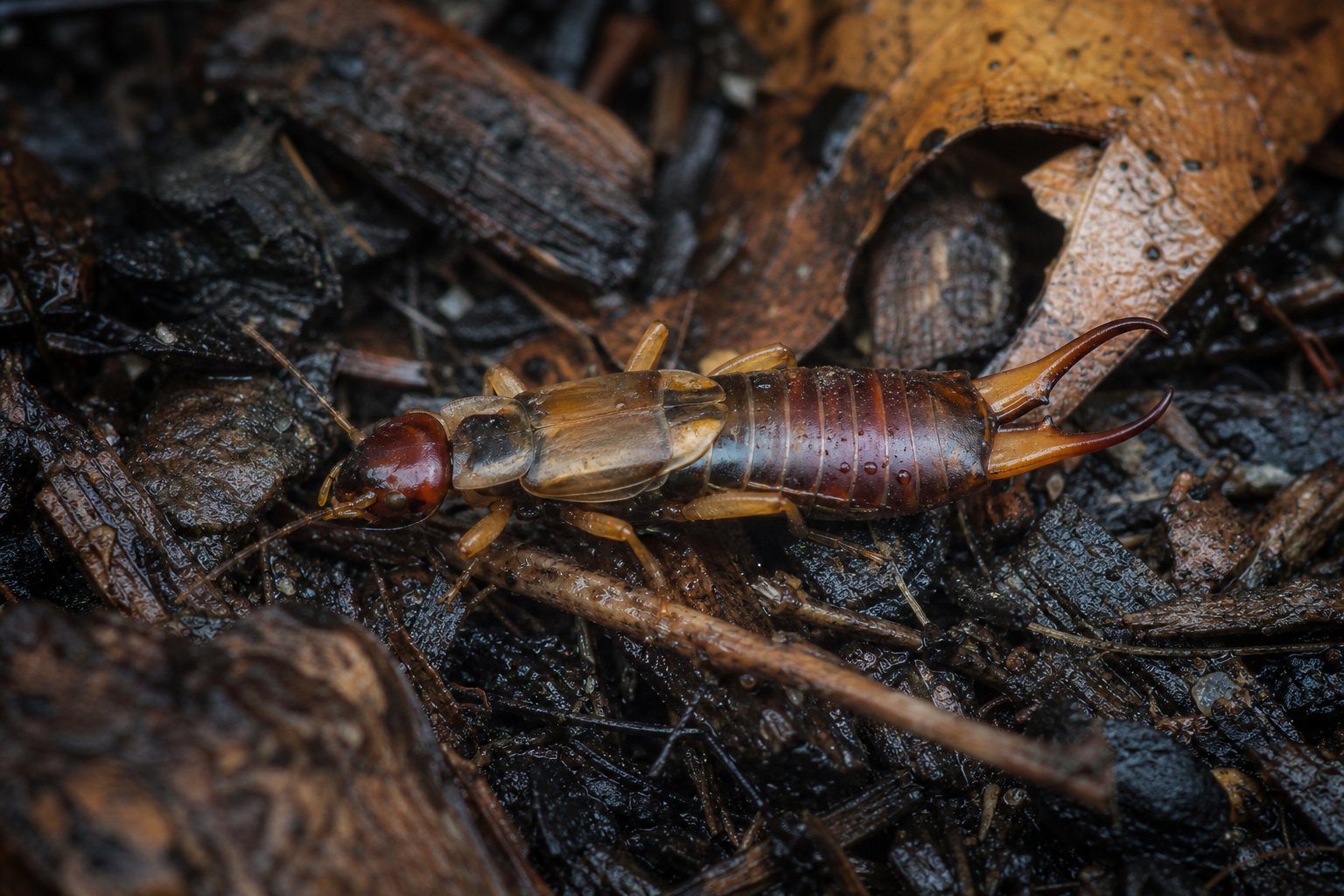
Earwigs earn an outsized reaction for a small insect. The rear pincers look menacing, the old folklore about ears refuses to die, and finding a cluster of them under a doormat or in the bathroom sink starts most homeowners searching for answers. The truth is simpler: earwigs are moisture pests. When they show up inside a North Texas home, they are reporting a damp condition somewhere at the foundation, in the landscape beds, or under the slab-level clutter around the house.
Trees Hurt Too Inc. treats and prevents earwig problems for homes throughout Fort Worth, Arlington, and the surrounding Tarrant County communities. Because earwig pressure is really moisture pressure, our treatment pairs a professional perimeter barrier with practical fixes for the damp harborage that sustains them. Earwigs are covered by the basic service on every plan of our quarterly home pest plan, alongside spiders, roaches, crickets, silverfish, ants, and wasps.
Why Earwigs Show Up Around North Texas Homes
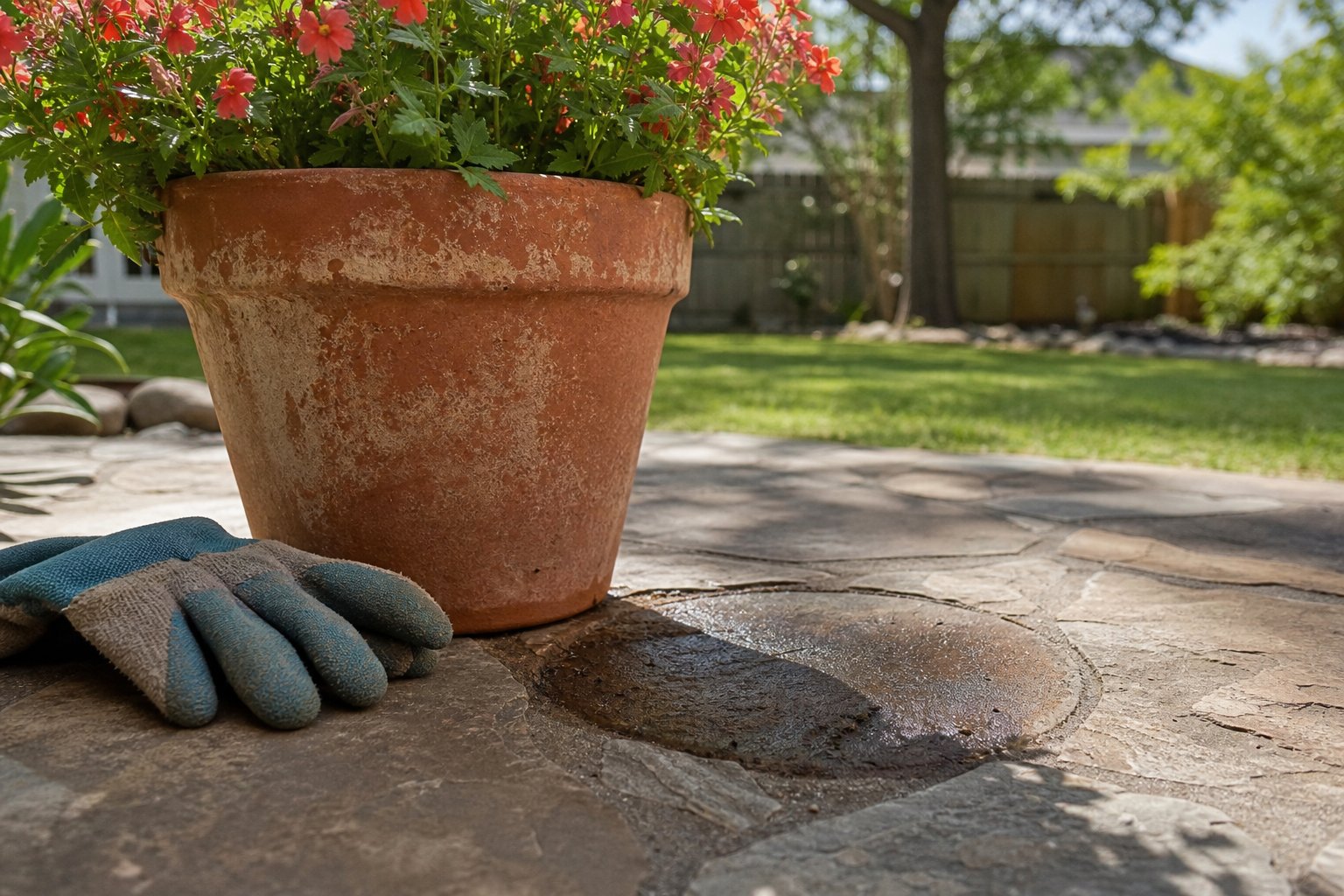
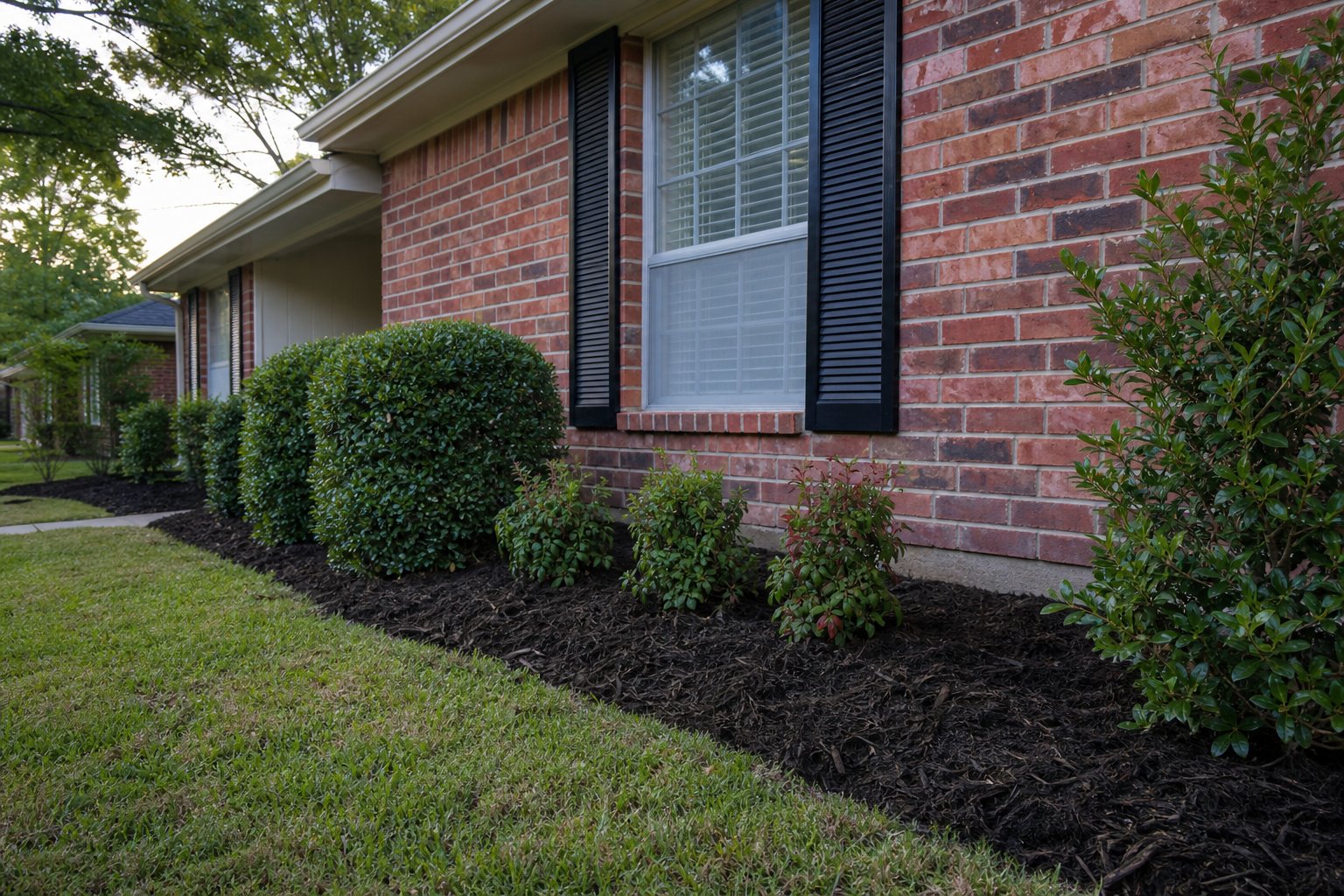
Earwigs need consistent moisture and tight, dark shelter, and the modern Tarrant County landscape provides both. Irrigated flower beds pressed against foundations, thick mulch layers, decorative stone, weed fabric, and container plants all hold the dampness earwigs require. Our clay soil compounds it: water pools and lingers at the surface after irrigation and rain, keeping the top layer of beds moist for days. During hot, dry stretches in July and August, the irrigated strip along the foundation becomes the only comfortable habitat in the yard, concentrating earwigs directly against the house.
From there, entry is easy. Weep holes, door thresholds, expansion joints, and gaps around plumbing give earwigs routes inside, where they turn up in bathrooms, laundry rooms, kitchens, and garages, the rooms with water. Indoor sightings usually spike after heavy rain, when flooded harborage pushes them out of the beds, or during drought, when they follow moisture indoors.
Signs of an Earwig Problem
- Earwigs under doormats, flower pots, stones, and landscape timbers
- Clusters in damp mulch when you turn it over
- Indoor sightings in bathrooms, laundry rooms, and under sinks
- Ragged nighttime feeding on tender seedlings, flowers, and soft fruit
- Activity spikes right after rain or heavy irrigation
Earwigs are harmless to people. The pincers are for defense against other insects and, at worst, deliver a mild nip when handled. They do not crawl into ears, spread disease, or damage structures. In flower beds they are actually mixed company: earwigs feed on aphids and other soft-bodied pests as readily as they nibble petals and seedlings.
Why DIY Earwig Control Falls Short
Indoor sprays remove the earwigs you can see while the population in the beds keeps producing more. Most DIY efforts fail because they treat the symptom indoors instead of the habitat outdoors, and because they leave the moisture equation untouched. Overwatered beds, deep mulch against the slab, and cluttered slab-level storage will out-produce any can of spray. Lasting control means treating where earwigs actually live and drying out the conditions that support them, which takes a property-wide view.
How Trees Hurt Too Controls Earwigs
- Inspection. We locate the harborage: mulch depth, irrigation patterns, drainage, stored items against the slab, and the entry points earwigs are using.
- Perimeter treatment. A targeted barrier along the foundation, thresholds, and weep holes intercepts earwigs before they get inside.
- Harborage treatment. Beds, stone borders, and damp zones near the structure get direct attention where the population actually lives.
- Interior service on request. Active indoor earwigs are treated at the entry rooms: baths, laundries, kitchens, and garages.
- Moisture guidance. We flag the irrigation timing, mulch depth, and drainage issues feeding the problem. Persistent foundation-line moisture may also deserve attention from our moisture management side.
The Earwig Year in North Texas
Winter. Adults overwinter in soil and protected debris, and females tend their eggs in underground chambers, an unusual bit of parenting for an insect. Mild Tarrant County winters mean high survival.
Spring. Nymphs emerge as beds green up and irrigation resumes. Populations build quietly under mulch and stones through April and May, the wet months that set the size of the summer population.
Summer. Heat and drought concentrate earwigs into the irrigated foundation strip, and indoor sightings peak. Storms that flood beds push waves of them toward thresholds and weep holes overnight.
Fall. Activity continues until sustained cool weather, with a final push indoors during the first cold snaps. Adults then settle into overwintering cover, ready to repeat the cycle.
The pattern explains why one-time treatments disappoint. Pressure is generated in the beds every spring; the fix has to be standing when it arrives, which is what quarterly perimeter service provides.
Earwigs in the Garden Versus Earwigs in the House
Outdoors, earwigs are a judgment call. Light populations in beds feed on aphids, mites, and insect eggs, doing modest good alongside their nibbling. Ragged overnight damage to seedlings, dahlias, zinnias, and soft fruit is the sign the balance has tipped, and it usually coincides with overwatering or deep, damp mulch. Indoors, there is no judgment call; earwigs have no business in a bathroom, and every one you see is a message about a moisture route into the house. Our service treats both sides of that line: the outdoor harborage that produces earwigs and the entry points and interior rooms where they end up. Homeowners who garden get straightforward advice on watering and mulch depth rather than a blanket recommendation to treat everything green.
Earwig Coverage in the Membership
Earwigs are part of the basic service on all three plans: Pest Package, Pest Package Plus, and Pest Package Premium, starting at $47, $67, and $77 per month. Quarterly exterior service keeps the barrier fresh through the wet spring and the irrigation-heavy summer, the two seasons that drive earwig pressure in North Texas, and free callbacks cover anything that shows up between visits. When you are ready, you can enroll in year-round protection online or with one phone call.
Frequently Asked Questions: Earwigs in Texas
Do earwigs really crawl into ears?
No. The name comes from centuries-old European folklore, and the myth has outlived every fact-check. Earwigs want damp mulch and dark crevices, not ears. They pose no meaningful risk to people or pets.
Can earwigs pinch, and does it hurt?
An earwig handled roughly may grip with its rear forceps. The pinch is mild, rarely breaks skin, and involves no venom. The forceps exist mainly for defense against other insects and for courtship displays.
Why am I suddenly seeing earwigs in the bathroom?
Bathrooms offer the two things earwigs follow indoors: moisture and dark shelter. Sudden indoor activity usually tracks an outdoor change, heavy rain flooding their harborage, a drought pushing them toward irrigation and plumbing moisture, or fresh mulch installed against the foundation.
Do earwigs damage plants?
Earwigs feed at night on tender growth, flower petals, seedlings, and soft fruit, leaving ragged holes. They also eat aphids and other small pests, so light populations in a bed are tolerable. Damage worth treating usually coincides with heavy populations in over-moist mulch.
What keeps earwigs away from the house?
Drier margins. Water beds in the morning rather than at night, keep mulch a few inches back from the slab and no deeper than needed, move stored boxes and firewood off the ground, and clear leaf litter from bed edges. A treated perimeter finishes the job by intercepting the earwigs that still come looking.
Do earwigs come up through drains?
No. Earwigs found in sinks and tubs walked in overnight seeking moisture and got trapped by the slick surfaces, the same way silverfish do. They do not live in plumbing or septic systems. The finding still matters, because it confirms an open route between the damp outdoors and that room.
Why do I only see earwigs at night?
Earwigs are strongly nocturnal, spending daylight packed into tight, damp crevices and emerging after dark to feed. A flashlight check of beds, doormats, and thresholds an hour after sunset shows the real population level far better than anything visible at noon.
Are earwigs a year-round problem in North Texas?
Activity peaks from spring through early fall. Mild Tarrant County winters let earwigs overwinter successfully in soil and protected debris, so populations return reliably every year, which is why quarterly prevention beats one-off treatment. The wet spring months set the size of each summer population, so protection in place by March pays off through September.
Helpful Links:
Dry Margins, Protected Home
Trees Hurt Too Inc. provides earwig control throughout Tarrant County and nearby communities, including Fort Worth, Arlington, Mansfield, Keller, Colleyville, Grapevine, Southlake, Hurst, Euless, Bedford, and Grand Prairie. Locally owned and family operated, we have served this area for over 28 years. Earwigs are a moisture story, and we read the whole property rather than just the doorstep, from irrigation habits and mulch depth to the thresholds and weep holes they use to get inside. Call or text (972) 521-1552 or request your free, no-obligation quote today.