
German Roach Control in North Texas

The smartest way to protect your trees, lawn, and Home
Locally owned and family operated, proudly serving North Texas. Get your free, no-obligation quote. Or call (972) 521-1552.
Free Quote
German Roach Control in Fort Worth and North Texas
German roaches are the most difficult household roach in North Texas, and they are a different problem from the big outdoor roaches most Tarrant County homeowners see. American and smoky brown roaches wander in from outside; German roaches live, feed, and reproduce inside your home. They settle into kitchens and bathrooms, multiply faster than any other local species, and do not leave on their own. An infestation that starts with a few hitchhikers in a grocery bag or a used appliance can spread through a kitchen in a matter of weeks.
Trees Hurt Too Inc. provides targeted German roach control for homes throughout Fort Worth, Arlington, and the surrounding Tarrant County communities. Our approach relies on inspection, baiting, and scheduled follow-up rather than a single heavy spray, because that is what actually works against this species. German roach service is available as an add-on on all three plans of our membership, so treatment and follow-through happen on a schedule instead of one visit at a time.
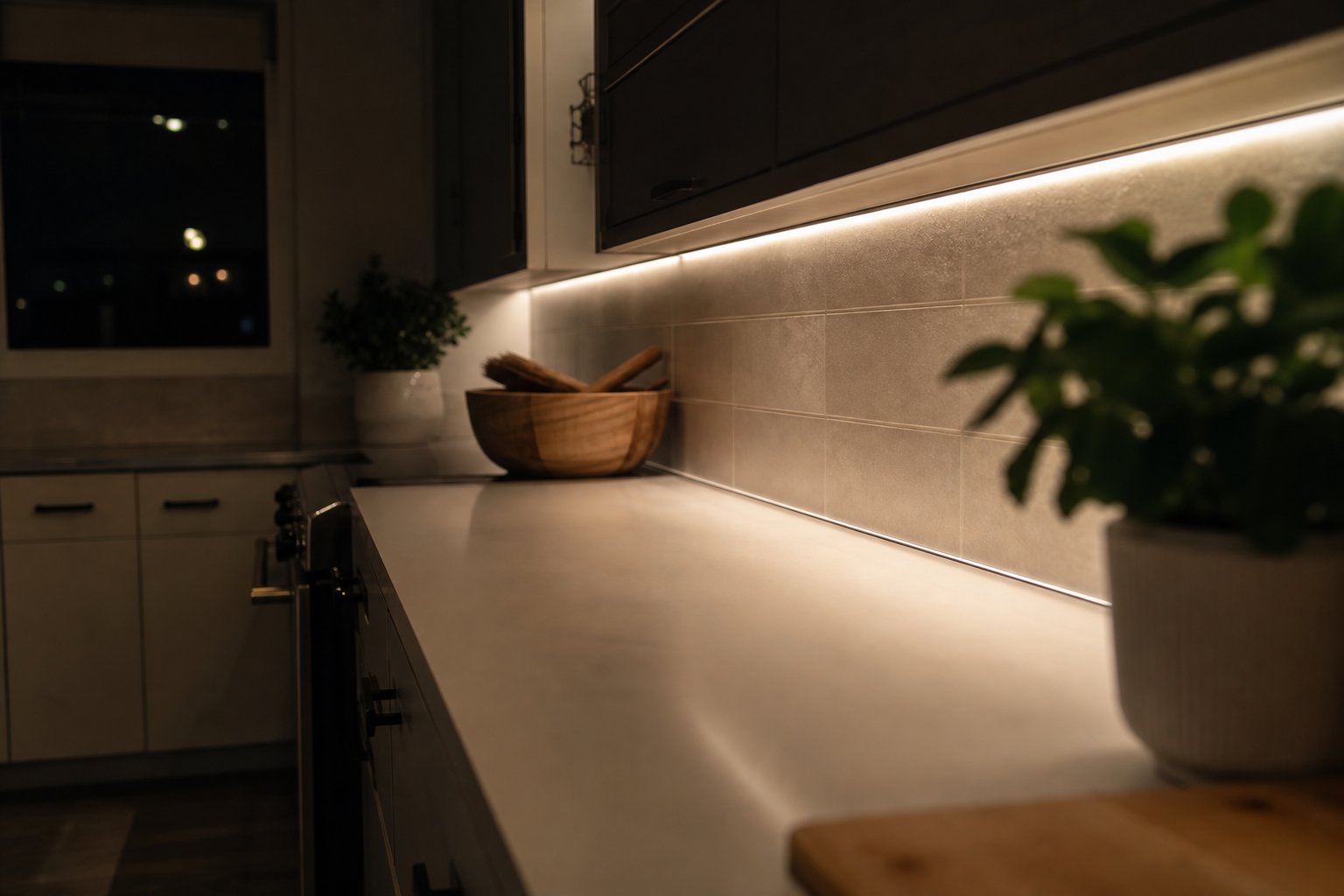
Why German Roaches Are Different
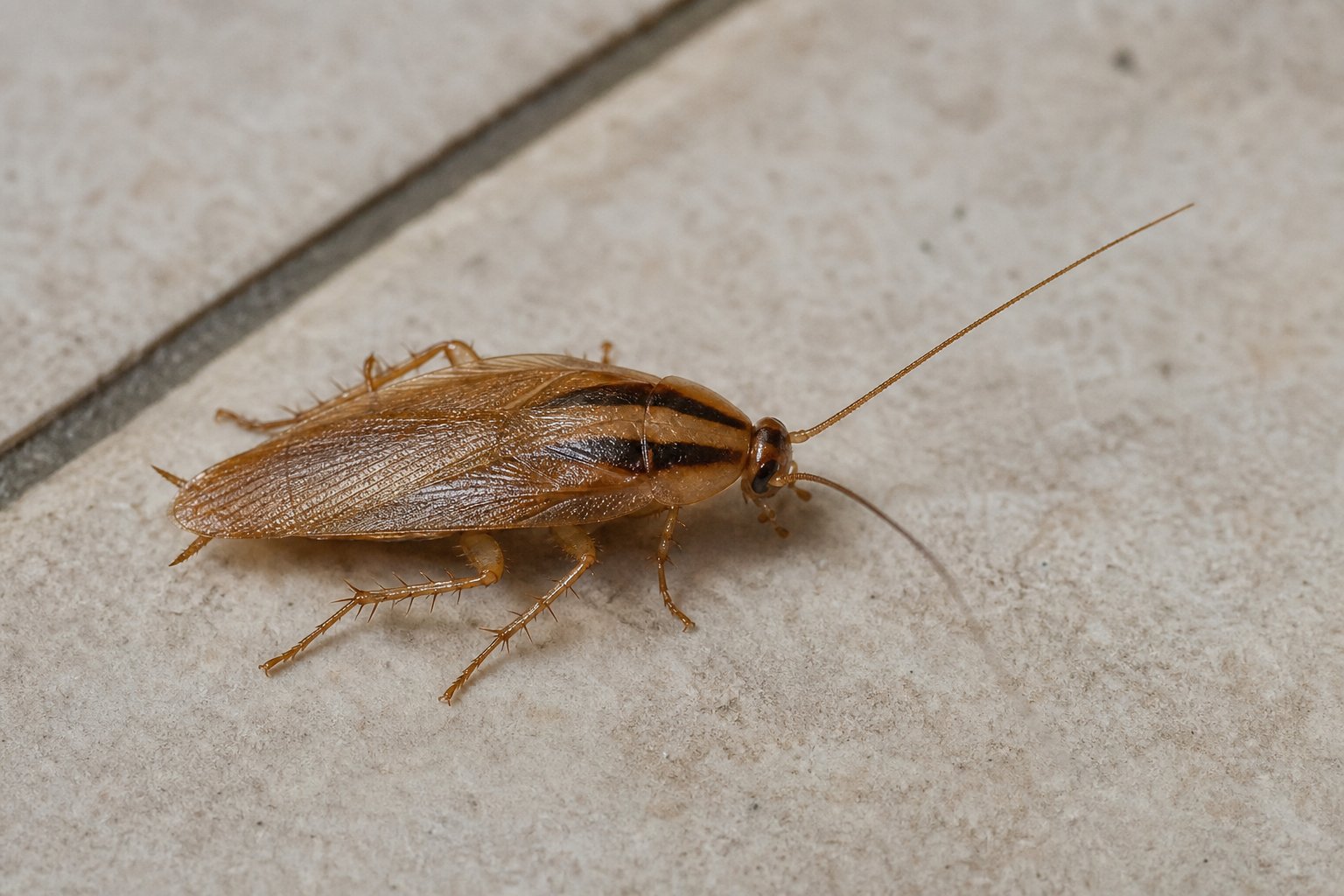
Size is the first clue. German roaches are small, about half an inch long, light brown, with two dark stripes running down the shield behind the head. The roaches most people find in garages and bathrooms after rain are American or smoky brown roaches, which are three to four times larger and live primarily outdoors. Our cockroach identification page covers the outdoor species in detail.
Reproduction is the second difference. A female German roach carries her egg case until just before hatch, protecting it from most surface treatments, and each case holds dozens of nymphs. Generations overlap quickly, which is why a small sighting becomes a large population so fast. German roaches also stay close to food, warmth, and moisture, packing into tight cracks near dishwashers, refrigerator motors, stove voids, and under-sink cabinets where sprays cannot reach them.
North Texas living amplifies the problem. Long air-conditioned seasons keep indoor temperatures in the range German roaches prefer year-round, and our busy housing market means the species moves constantly between homes in moving boxes, appliances, and furniture.
Signs of a German Roach Problem
- Small light-brown roaches in the kitchen or bathroom, especially at night
- Pepper-like droppings in drawers, on hinges, and along cabinet corners
- Tan, purse-shaped egg cases in cracks and behind appliances
- A musty odor in heavily infested cabinets
- Daytime sightings, which signal a large, crowded population
German roaches matter for health, not just comfort. They shed skins and droppings that trigger allergies and asthma, and they move between unsanitary areas and food-preparation surfaces.
Why DIY Treatment Usually Makes It Worse
Over-the-counter foggers and sprays are the most common first move, and the least effective. Repellent sprays scatter German roaches from the kitchen into bedrooms, wall voids, and adjoining rooms, spreading the infestation instead of shrinking it. Foggers rarely penetrate the cracks where roaches actually live, and neither approach touches the protected egg cases, so the population rebounds within weeks. Spray residue can also contaminate bait placements, making later professional treatment harder.
Effective German roach work is methodical: find the harborage, place the right bait in the right spots, remove the pressure points, and return to break the reproduction cycle.
How Trees Hurt Too Treats German Roaches
- Detailed inspection. We locate harborage areas in kitchens, bathrooms, and appliance voids, and gauge the size of the population.
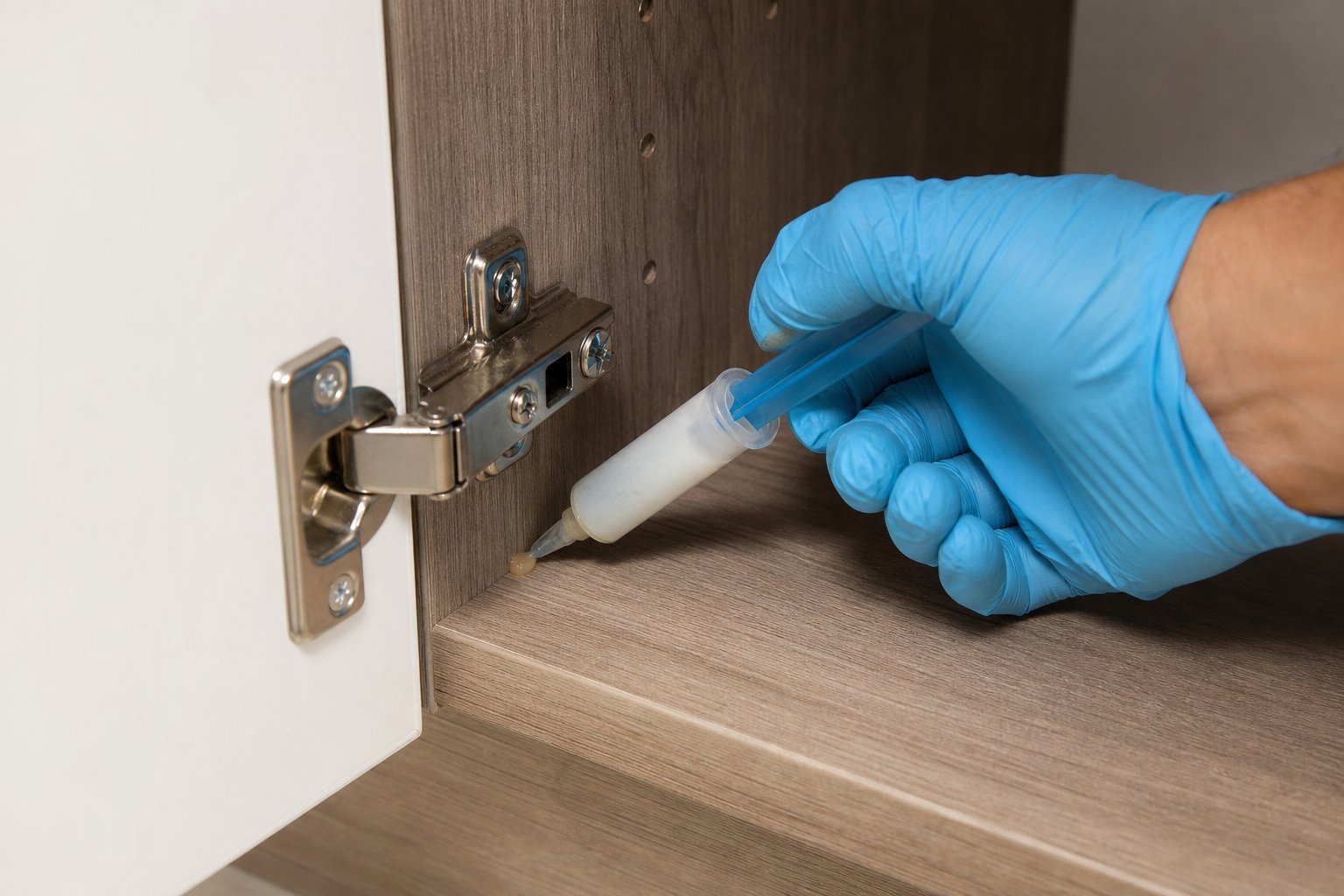
- Targeted baiting. Professional gel baits and insect growth regulators are placed precisely where roaches feed and hide, not broadcast across your counters.
- Crack and void treatment. Harborage points get treated directly, with products chosen for use around families and pets.
- Follow-up visits. Scheduled rechecks catch newly hatched nymphs before they mature, which is the step DIY efforts always miss.
- Prevention guidance. We show you the sanitation and moisture fixes that keep the population from re-establishing.
The goal is complete control of the indoor population, then ongoing protection so a new introduction never gets established again.
What to Expect from Your First German Roach Service
The first visit is the longest, because inspection drives everything else. Your technician will examine the kitchen and bathrooms cabinet by cabinet, pull out what can be pulled out, and check the warm, tight spaces this species prefers: behind the refrigerator, around the dishwasher, under the sink, inside cabinet hinges, and along the stove. Light preparation on your side helps, mainly clearing under-sink cabinets and wiping down food debris so baits face no competition.
Treatment follows the inspection map. Gel bait placements go where activity is confirmed, growth regulator reaches the areas nymphs shelter, and cracks and voids get treated directly. Activity often looks worse for a few days as roaches contact treated zones and move; that is the program working. A follow-up visit is then scheduled against the hatch cycle, because the egg cases present on day one will produce nymphs that must meet fresh bait. Between visits, your job is simple: resist the urge to spray anything over our placements, keep surfaces clean, and note where you see stragglers so the next visit targets them.
Keeping German Roaches from Coming Back
Reinfestation prevention is mostly about the front door, not the kitchen. Inspect grocery bags, cardboard boxes, and secondhand appliances or furniture before they come inside, because that is how this species travels. Fix slow leaks and dry out under-sink cabinets, store pantry staples in sealed containers, and manage pet food bowls overnight. Quarterly service keeps a professional eye on the high-risk zones so a new introduction gets caught at two roaches instead of two hundred.
Membership Coverage for German Roaches
German roach service is one of the add-ons available on all three plans of Oakley's Pest Solutions VIP Membership: Pest Package, Pest Package Plus, and Pest Package Premium, which start at $47, $67, and $77 per month. The basic quarterly service on every plan already covers common roaches along with spiders, crickets, silverfish, earwigs, ants, and wasps; the German roach add-on layers the intensive indoor baiting program on top of that coverage. Members receive free callbacks between visits and a member discount on add-on services. You can enroll in a quarterly pest plan online or by phone.
Frequently Asked Questions: German Roaches
How did German roaches get into my home?
German roaches almost always hitchhike. Grocery bags, cardboard boxes, used appliances, furniture, and even visiting bags and backpacks are the usual routes. Clean homes get them too; once inside, food crumbs, pet bowls, and moisture do the rest.
How do I know they are German roaches and not regular roaches?
Check size and location. German roaches are small, about half an inch, light brown, with two dark stripes behind the head, and they appear in kitchens and bathrooms. The large reddish or dark brown roaches that show up in garages and around drains are outdoor species. Our roach identification guide has photos of each.
How fast do German roaches multiply?
Faster than any other roach in North Texas. Each egg case holds dozens of nymphs, females produce cases continuously, and nymphs mature within weeks under kitchen conditions. This is why early treatment matters so much and why follow-up visits are built into our program.
Are German roaches a health risk?
They can be. German roach droppings and shed skins are well-documented allergy and asthma triggers, particularly for children. The roaches also travel between drains, trash areas, and food surfaces, carrying bacteria as they go.
Why did bombing the house not work?
Foggers push fine droplets onto open surfaces, but German roaches live deep in cracks, hinges, and appliance voids that the fog never reaches. Protected egg cases survive untouched. Most infestations rebound within a few weeks of a fogger, often spread across more rooms than before.
How many visits does German roach control take?
Most infestations need an initial intensive treatment plus one or more follow-ups timed to the hatch cycle. The exact number depends on the population size and how long it has been established. Your technician will lay out the expected schedule after the first inspection.
Do German roaches live outside in Texas?
Not in any meaningful way. German roaches are an indoor species that depends on the stable warmth, moisture, and food of human structures, which separates them from the outdoor roaches that wander in seasonally. This is also why perimeter spraying alone cannot fix a German roach problem; the entire population lives inside, and the work has to happen there.
Is the treatment safe around my kids and pets?
Our program centers on enclosed and precisely placed gel baits and growth regulators applied inside cracks, voids, and hinges, away from food surfaces and out of reach of children and pets. We will walk you through every placement before we make it.
Helpful Links:
Take Back Your Kitchen
Trees Hurt Too Inc. provides German roach control throughout Tarrant County and nearby Dallas County communities, including Fort Worth, Arlington, Grand Prairie, Irving, Duncanville, Oak Cliff (Dallas), Hurst, Euless, and Bedford. Locally owned and family operated, we have served this area for over 28 years. German roaches do not resolve on their own, and every week of delay makes the population larger. Call or text (972) 521-1552 or request your free, no-obligation quote today.