

Shrubs are among the most valuable landscape features for Arlington homeowners, offering structure, texture, and year-round visual appeal. They enhance curb appeal, create natural privacy barriers, and provide essential habitat for birds and beneficial insects. However, the same characteristics that make shrubs desirable also make them vulnerable to unwanted pests. In Arlington’s warm, humid climate, insects such as aphids, scale, spider mites, and bagworms can reproduce rapidly, leading to leaf discoloration, stunted growth, and even plant decline if left untreated.
At Trees Hurt Too, our comprehensive pest control services, tree and shrub care, and tailored lawn care programs are designed to protect your landscape from these common threats. Our licensed technicians begin with a full inspection to identify early signs of pest activity and assess the overall health of your plants. By combining preventive pest treatments with seasonal fertilization and soil management, we help your shrubs build natural resistance and recover from environmental stress.
Our tree and shrub care program emphasizes long-term health through integrated methods; balancing pest control with deep-root feeding, proper irrigation, and improved soil nutrition. When incorporated into your lawn care program, this holistic approach ensures that every part of your landscape, from the turf to the treetops, thrives together.
Whether you’re dealing with an existing pest infestation or looking to prevent one, Trees Hurt Too provides results-driven solutions that enhance plant vitality, preserve your investment, and keep your Arlington property looking beautiful throughout every season. The following guide will go through steps you can take to preserve the beauty and health of your ornamental shrubs.
Understanding Common Shrub Pests in Arlington
Our region’s mix of ornamental plants and warm seasons creates the perfect breeding ground for a variety of shrub pests. Knowing what to look for is the first step toward prevention.
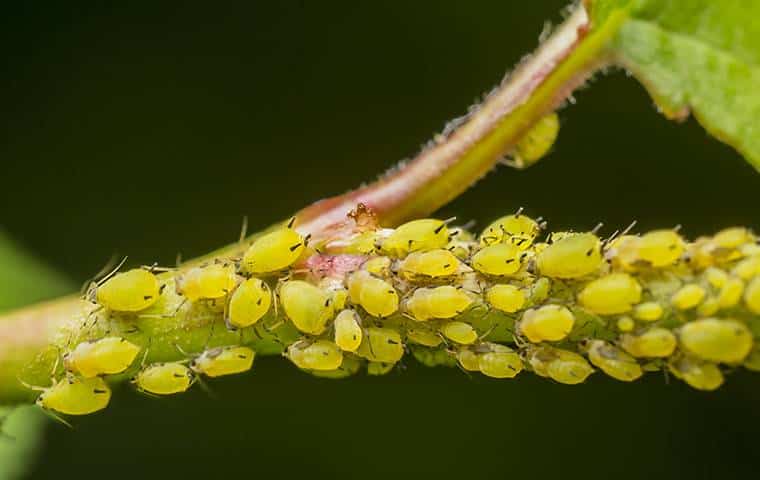
Aphids: These tiny, soft-bodied insects pierce plant tissue and feed on sap, weakening shrubs over time. They excrete sticky honeydew, which can lead to black sooty mold growth on leaves and stems. Populations can explode quickly, especially in spring and early summer.
Scale insects: Scale pests appear as small bumps on stems or leaves. They feed on sap and can cause yellowing, leaf drop, and branch dieback. Their protective coverings make them resistant to many common insecticides, so early intervention is essential.
Spider mites: These nearly microscopic pests cause stippling, bronzing, and eventual leaf loss. Hot, dry conditions favor their rapid reproduction. Look for fine webbing between leaves as a telltale sign.
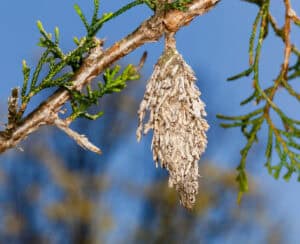
Bagworms: Caterpillars that live inside silk-and-debris cases, bagworms feed heavily on foliage and can defoliate shrubs entirely if left untreated. They are especially common on junipers, arborvitae, and other evergreens.
Other pests such as whiteflies, mealybugs, and caterpillars also appear seasonally. Identifying the pest early ensures you can take the most effective action.
Step 1: Keep Shrubs Healthy to Reduce Pest Risk
The strongest defense against pests is a healthy plant. When shrubs have the right nutrients, water, and environment, they are better able to resist and recover from pest damage.
Soil Care and Nutrition
Healthy soil is the foundation for pest-resistant shrubs. Conduct soil testing to identify deficiencies and pH imbalances. Many Arlington soils are alkaline, which can lock up nutrients, making supplements necessary. Incorporate organic amendments such as compost to improve soil structure and microbial diversity. Our Lawn & Ornamental Package ensures shrubs get the proper balance of nitrogen, phosphorus, and potassium throughout the year.
Proper Watering
Consistent moisture keeps shrubs vigorous but avoid overwatering, which can stress roots and encourage fungal diseases. Deep watering encourages roots to grow downward, making plants less vulnerable to drought and heat stress.
Mulching
A 2–3 inch layer of organic mulch helps regulate soil temperature, retain moisture, and suppress weeds. Keep mulch away from the shrub base to prevent rot and pest harborage.
For total property health, consider our Total Package, which integrates shrub care with lawn and tree health programs.
Step 2: Monitor Regularly for Early Detection
Pests can establish quickly, so regular inspection is critical. Examine shrubs every 2–3 weeks from early spring through late fall.
Look for:
- Discoloration, curling, or wilting leaves
- Sticky residue or mold
- Chewed or skeletonized foliage
- Unusual bumps, webbing, or cases on leaves and stems
Use a hand lens for small pests like spider mites. If you detect early signs, our Pest Control service can address the problem before it spreads.
Step 3: Encourage Beneficial Insects
Beneficial insects such as lady beetles, lacewings, and parasitic wasps feed on common shrub pests. You can support these natural predators by:
- Planting nectar-rich flowers like alyssum, dill, and yarrow nearby
- Avoiding broad-spectrum insecticides that harm beneficial species
- Providing shallow water dishes for hydration
Our Ornamental Care programs are designed to protect beneficial populations while targeting harmful pests.
Step 4: Use Targeted Treatments Only When Needed
Not all infestations require chemical intervention. For minor outbreaks, prune infested branches, spray with a strong jet of water, or use insecticidal soaps. For more severe issues, horticultural oils and neem oil can smother pests and disrupt their life cycles without harming most beneficial insects.
When infestations are heavy or recurring, our team applies precisely timed treatments as part of our Lawn Package to break pest life cycles and protect shrubs. Professional application ensures correct dosage, timing, and safety for people, pets, and plants.
Step 5: Seasonal Shrub Pest Prevention Calendar
Spring: Apply dormant oils before bud break to kill overwintering pests. Fertilize shrubs based on soil test results. Prune to remove dead or infested branches.
Summer: Monitor for bagworms and spider mites, watering consistently to reduce stress.
Fall: Rake and dispose of fallen leaves to eliminate pest shelters. Inspect for scale insects before dormancy.
Winter: Mulch to protect roots from temperature extremes.
Frequently Asked Questions
Q: How can I tell if my shrubs have pests?
A: Look for leaf discoloration, sticky residue, webbing, or visible insects. Our Pest Library can help you identify specific pests.
Q: Do I need chemicals to control pests?
A: Not always. We use cultural and biological controls first, turning to targeted treatments only when necessary.
Q: Can I prevent pests year-round?
A: While prevention is not 100% guaranteed, our Total Package greatly reduces risk and keeps shrubs healthy year-round.
Q: Will beneficial insects really help my shrubs?
A: Yes, predator insects can significantly reduce pest populations without harming your plants.
Q: How often should shrubs be inspected?
A: At least every two weeks during the growing season, more often in warm, humid months.
Bottom Line: By combining proactive care, regular inspections, and timely treatments, you can protect your Arlington shrubs from damaging pests. Trees Hurt Too Inc. offers complete shrub care solutions to keep your landscape healthy, beautiful, and pest-free. Contact us today to schedule your shrub health evaluation.