

Your beautiful trees are the backbone of your property’s landscape in Arlington, TX. They provide shade, enhance curb appeal, and contribute to the overall beauty and serenity of your home. However, just like any living organism, trees face their fair share of challenges. One such challenge is dealing with pest infestations that can wreak havoc on their health and longevity if left untreated. In addition, many tree problems are linked to fungal or bacterial diseases, making early tree disease identification an essential part of long-term tree care.
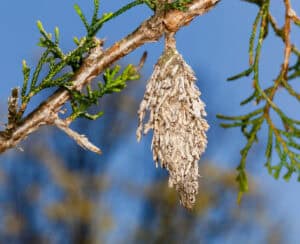
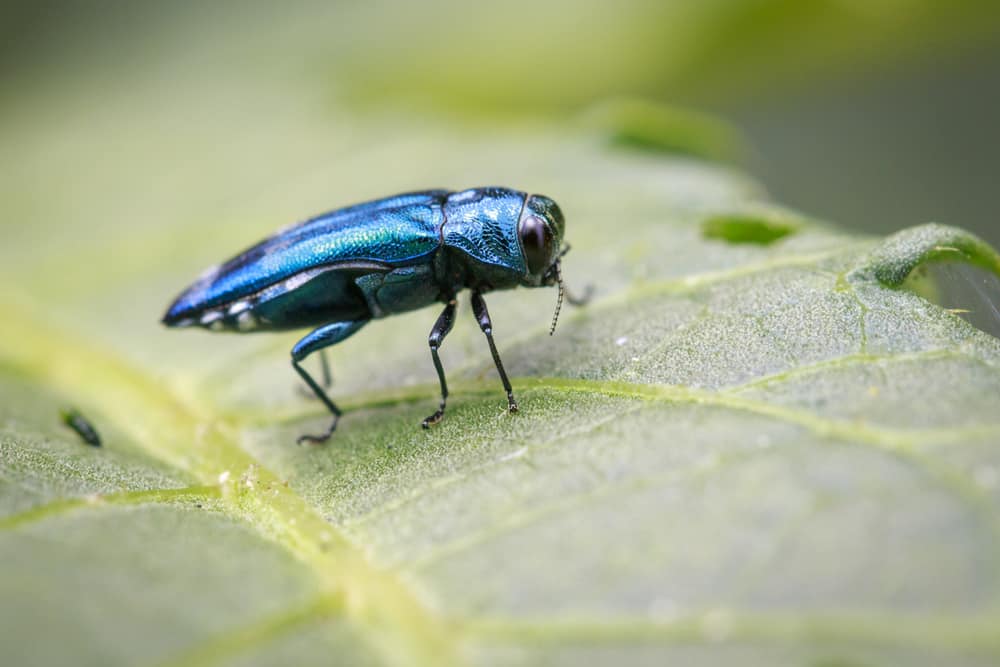
In this article, we will shed light on some common tree pests that afflict the trees in Arlington. From tiny aphids, pesky bagworms, and the infamous emerald ash borer, these destructive tree pests can cause significant damage if not addressed in a timely manner. Understanding how to identify these pests and recognizing the signs of infestation is crucial for protecting your beloved trees from harm. In many cases, professional treatments such as targeted tree injections can stop pests and diseases at their source, restoring tree vitality while minimizing damage to the surrounding landscape.
Signs of Insect Infestation:
- Visual Cues: One of the most obvious signs of pest infestation on trees is the presence of holes or chewed leaves. Pests like caterpillars, borers, and beetles often leave behind distinctive patterns on tree bark as they feed on tree foliage. Take a close look at your tree's leaves and branches to spot any irregularity in their appearance.
- Presence of Egg Masses or Sticky Secretions: Some pests lay their eggs near the surface of leaves or branches, creating visible egg mounds that can range in color, depending on different species. Additionally, certain pests such as aphids and scale insects produce sticky secretions known as honeydew, which can attract ants and promote fungal growth on affected parts so take notice if you see ants crawling around.
- Unusual Discoloration or Wilting: Another sign to watch out for is unusual discoloration or wilting in your tree's leaves or needles. If you notice patches of yellowing, browning, or even purplish hues that are not typical for your tree species during its natural seasonal changes, it may be an indication of a pest infestation actively affecting the health of your trees.
- Visible Pest Activity Under Bark or Near Branches: Finally, inspect the trunk and branches carefully for any signs of visible pest activity such as webbing, tunnels under bark surfaces, larvae feeding beneath loose bark sections (such as those caused by borers), or small clusters moving along twigs (typical among certain invasive insect species). These active manifestations signify ongoing damage to the inner layers vital for water and nutrient transport within trees.
By being vigilant about these visual cues, from chewed leaves and egg masses to discoloration and visible pests, you'll have a better chance at identifying early signs before extensive damage occurs on your beloved trees.
Prevention Measures to Combat Tree Diseases
- Maintaining overall tree health through regular pruning and fertilization: One of the most effective ways to prevent tree pest infestations is by keeping your trees in good health. Regular pruning and attention helps remove dead or damaged branches that may serve as entry points for pests. It also promotes proper airflow and sunlight penetration, which can strengthen the tree's plant health and natural defenses against invaders.
In addition to pruning, providing appropriate fertilization is crucial for maintaining healthy trees. By supplying vital nutrients, you help ensure that your trees have strong immune systems to ward off potential pests. Consulting with a professional can give you valuable insights into when and how to properly prune or fertilize different types of trees on your property.
- Taking preventive steps like inspecting new plant material before planting it on your property: Before adding any new plants or trees to your landscape, it is essential to thoroughly inspect them for signs of pests or diseases already present. Look out for visible damage, unusual discoloration, or excessive sap production on leaves or stems. Insects may also leave behind small eggs, larvae, or webs that are indicators of an infestation.
By being proactive during the selection process and avoiding bringing in infected materials onto your property, you significantly reduce the risk of introducing harmful pests into an otherwise healthy environment.
- Selecting native or resistant tree species less susceptible to pest problems: When choosing new trees for your landscape, consider selecting native species or those known for their resistance to common local pests in Arlington, TX area. Native plants like the ashe juniper, desert willow, or chinquapin oak have evolved alongside local insects over time and often possess natural defense mechanisms against these specific pests.
Resistant tree species tend to be less vulnerable than others; they exhibit qualities such as strong bark texture, repellent chemicals within foliage, hormone-like compounds affecting feeding behavior of insects etc., making them far less attractive targets compared to more susceptible varieties around them.
- Monitoring for early signs of damage through routine inspections: Regularly inspecting your trees is essential for catching pest problems early on. Look for signs such as discolored or distorted leaves, wilting branches, sticky sap secretions, sawdust-like residue at the base of the tree, holes in trunk or branches, or increased insect activity.
Early detection allows you to take immediate action and prevent further spread of infestations. If any suspicious signs are found during your inspection, it is wise to consult with a professional tree service which can accurately identify the pest and recommend suitable treatment options based on their knowledge and expertise. Remember that timely intervention can make all the difference in preserving the health of your trees and protecting your entire landscape from potential pests.
Pest Treatment and Tree Service Options
- Proper watering techniques: One of the first steps in managing tree pest infestations is to ensure that your trees are healthy and adequately watered. Many pests target weakened or stressed trees, so maintaining optimal watering practices can help keep them at bay. Water deeply but infrequently, ensuring that the soil around your trees remains moist without becoming oversaturated. Be mindful not to overwater, as this can create conditions favorable for certain pests.
- Use of organic insecticides targeting specific pests while minimizing harm to beneficial insects: When it comes to treating tree pest infestations, utilizing organic insecticides can be a suitable solution. Unlike chemical pesticides, these products are derived from natural sources and have minimal impact on beneficial insects and other non-target organisms found in the ecosystem surrounding your trees. Various organic insecticides specifically target common tree pests like aphids, spider mites, scales, and borers.
- Consultation with professional arborists for severe cases requiring specialized treatment: In some instances where an infestation has become severe or if you're unsure about how best to treat a particular problem affecting your trees, seeking professional assistance is crucial. A professional tree service possesses expertise in identifying different types of tree pests and their respective control methods based on industry standards, local regulations and the safety of yourself and loved ones in the home.
They will assess the severity of the situation accurately and provide appropriate treatments tailored to your specific needs while considering factors like tree species health conditions alongside environmental impacts.
Proactive Tree Pest Management in Arlington
By taking a proactive approach to tree pest management, homeowners in Arlington, TX, can enjoy the beauty, shade, and value their trees provide for years to come. Understanding the common pests that threaten local trees; such as borers, scale insects, and aphids, is crucial for early detection and effective treatment. Routine monitoring and preventive maintenance should be part of every homeowner’s tree and shrub care plan to identify potential issues before they become costly or irreversible.
A key step in prevention is learning to recognize the early signs of pest infestations. Homeowners should regularly inspect for symptoms such as leaf discoloration, premature leaf drop, wilting branches, or visible insect activity. These warning signs often indicate that pests have begun feeding or nesting within your tree’s canopy or bark. Catching these issues early allows for swift, targeted treatment that protects your landscape investment.
Equally important is the health and resilience of your trees. Healthy trees are naturally more resistant to pests and disease, and that health begins below the surface. Incorporating professional soil moisture solutions; such as deep-root watering systems, soil aeration, and moisture-retaining mulch applications, can help maintain the optimal balance of oxygen and hydration around tree roots. In Arlington’s heavy clay soils, proper water management ensures roots can breathe while still receiving consistent moisture, reducing stress that makes trees vulnerable to insects and disease.
As part of comprehensive tree and shrub care, consistent maintenance practices such as fertilizing with balanced nutrients, and maintaining adequate soil moisture all contribute to a thriving landscape. Seasonal treatments like dormant oil applications or insect-resistant injections may also be recommended, depending on the specific pest pressures in your neighborhood.
When pest issues threaten your trees, don’t wait until visible damage spreads; call on the certified arborists at Trees Hurt Too, Inc. Our experts use advanced diagnostic tools and a deep understanding of local Texas tree species, soil conditions, and pest behavior to deliver long-term protection for your landscape. Whether you’re safeguarding towering oaks, delicate crepe myrtles, or ornamental shrubs, our team designs proactive pest management plans that combine soil health improvement, proper irrigation techniques, and integrated pest control solutions.
Choosing Trees Hurt Too means investing in your property’s long-term vitality. Our full service lawn and ornamental packages provide complete care for your entire landscape; from pest prevention and fertilization to disease management and seasonal monitoring. By pairing expert insight with customized soil moisture solutions and year-round tree and shrub care, Arlington homeowners can enjoy lush, pest-free properties that thrive through every season. Contact us today to schedule your professional evaluation and see how our holistic approach protects the beauty and value of your landscape.