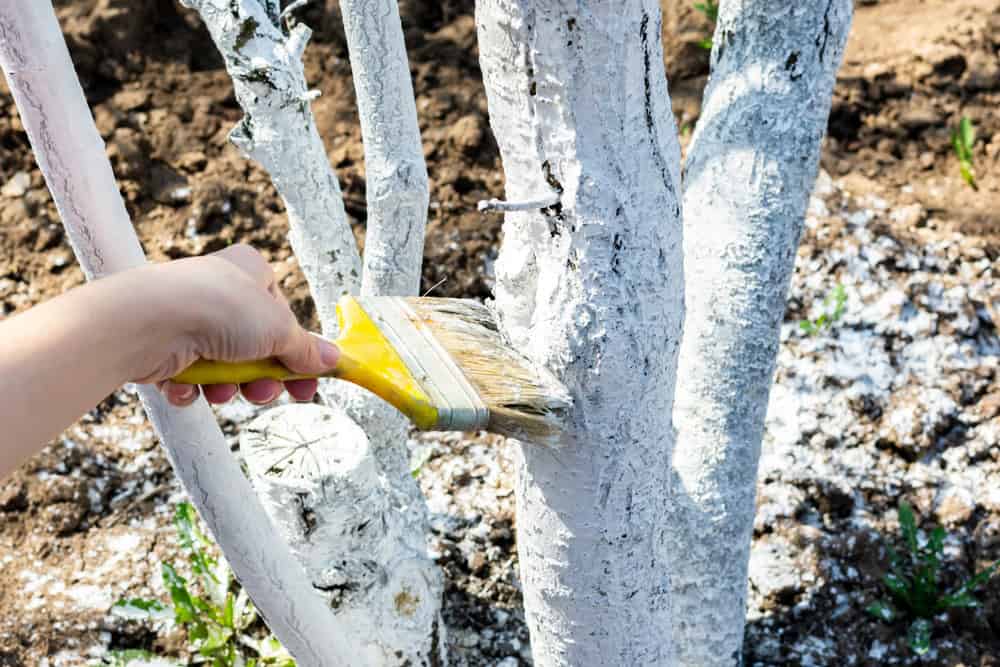
Sunscald and Bark Damage Trees DFW
As May arrives in the Dallas-Fort Worth area, homeowners begin to enjoy warmer weather, longer days, and thriving landscapes. But while your yard may look healthy …


Stay informed about lawn care, tree care and pest related issues in your area. Get your free, no-obligation quote. Or call (972) 521-1552.
Free Quote
As May arrives in the Dallas-Fort Worth area, homeowners begin to enjoy warmer weather, longer days, and thriving landscapes. But while your yard may look healthy …
If you've noticed leaves scattered across your lawn in May, you're not alone. Many homeowners in the DFW area become concerned when healthy looking trees suddenly …
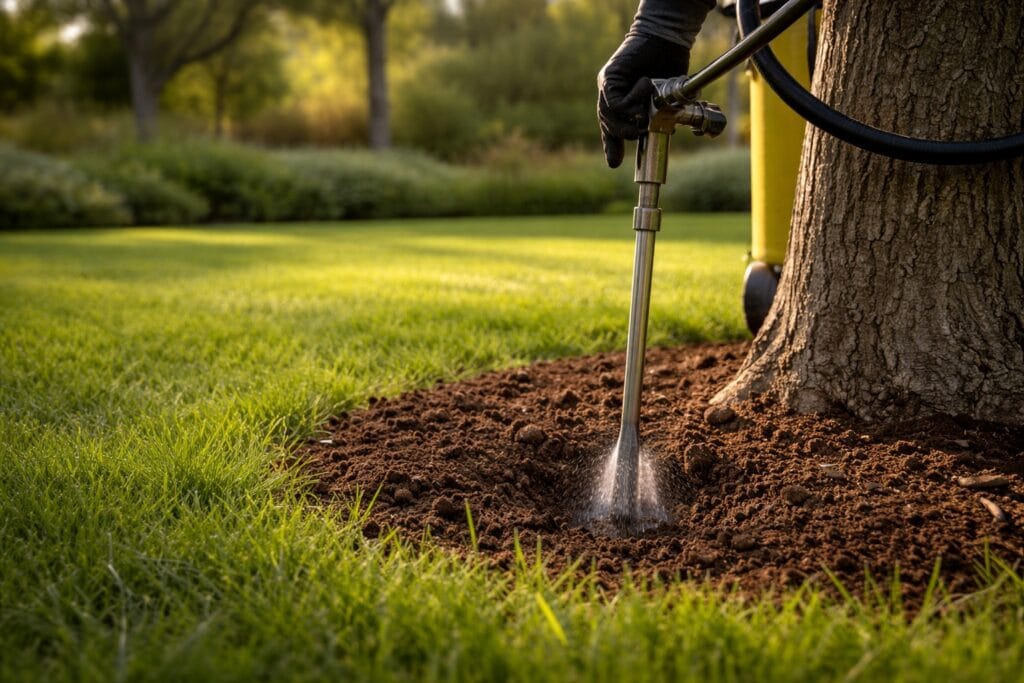
Spring is one of the most important times of year for managing tree health across North Texas. As trees transition out of their winter dormancy, they …
Text area …
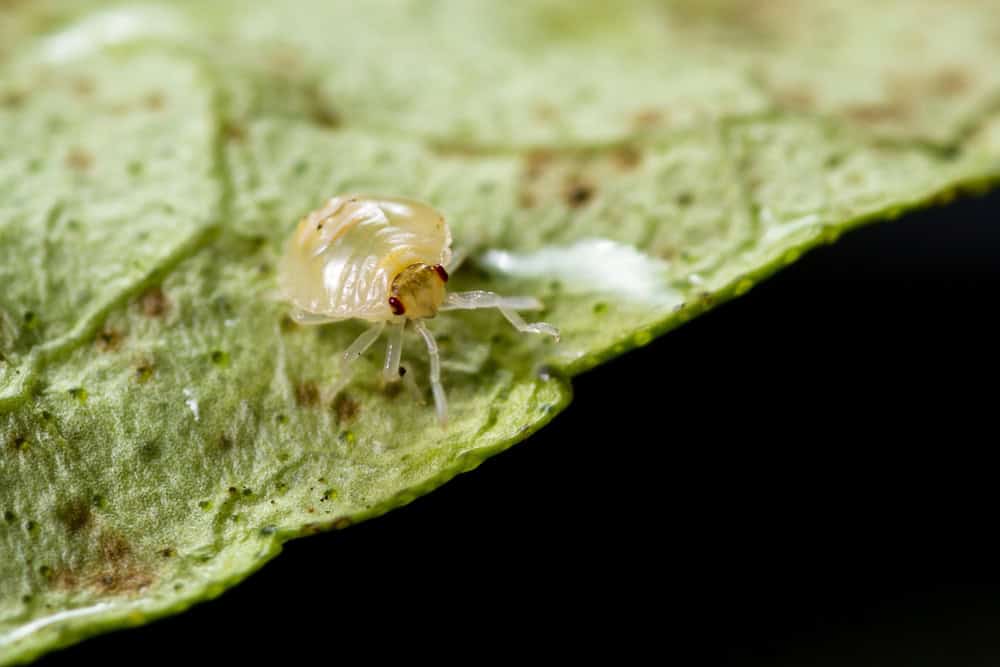
Spider mites are one of the most common and damaging shrub and tree pests Texas homeowners face during the summer months. These microscopic pests thrive in …
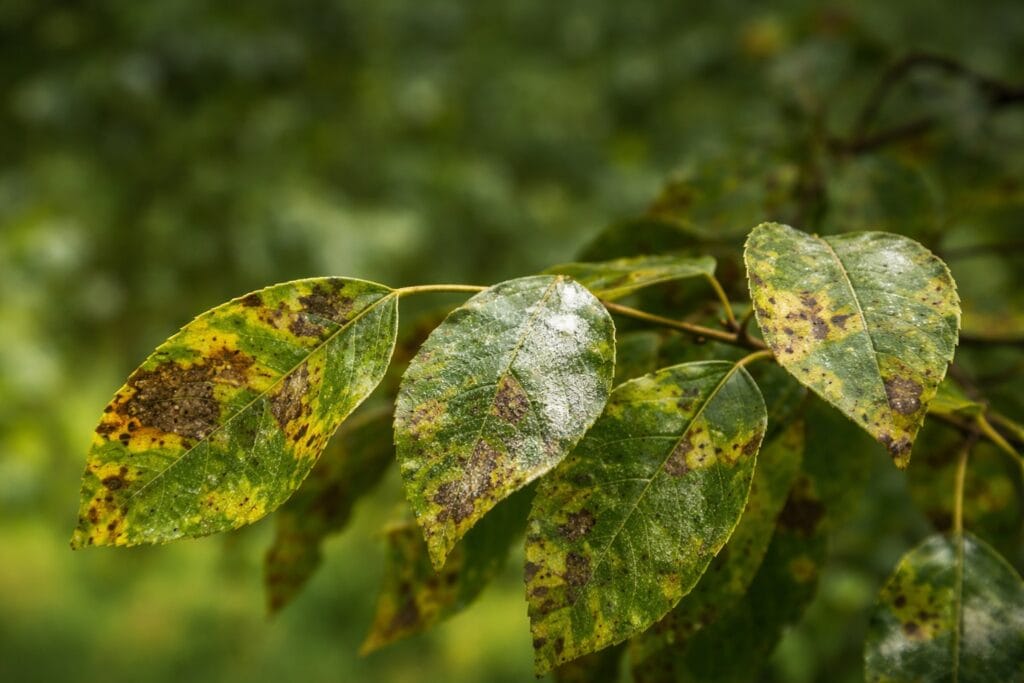
Every spring across the Dallas-Fort Worth metroplex, homeowners and property managers start noticing unusual symptoms and signs on trees and shrubs. Leaves may develop dark spotting …
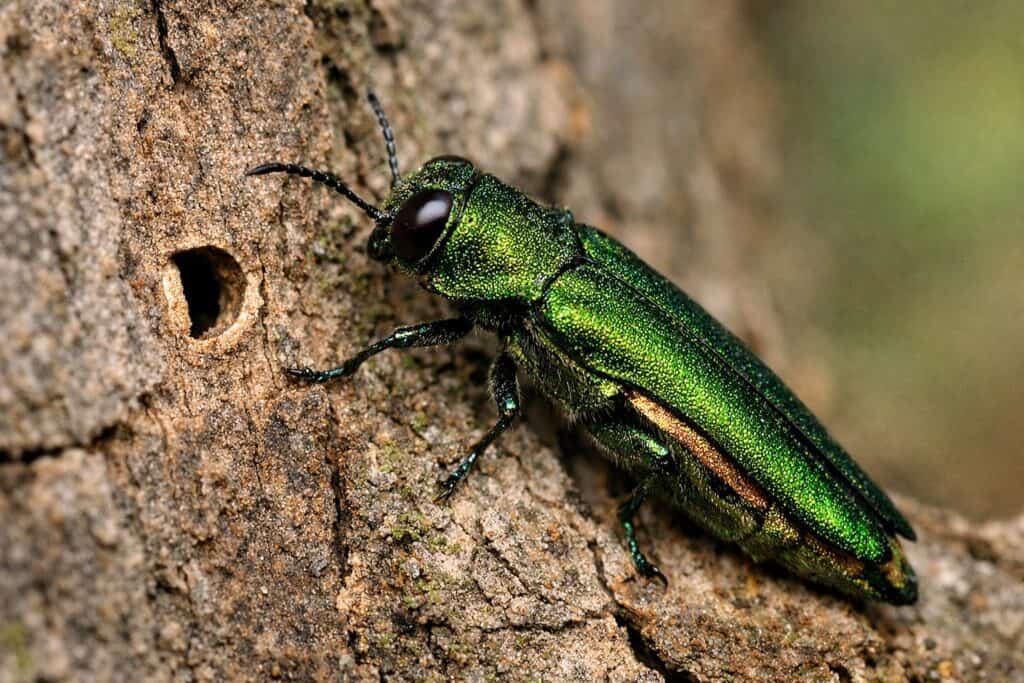
Wood boring insects regularly affect landscaped trees across North Texas, especially in areas where trees experience environmental stresses from heat, compacted clay soil, and changing growing …
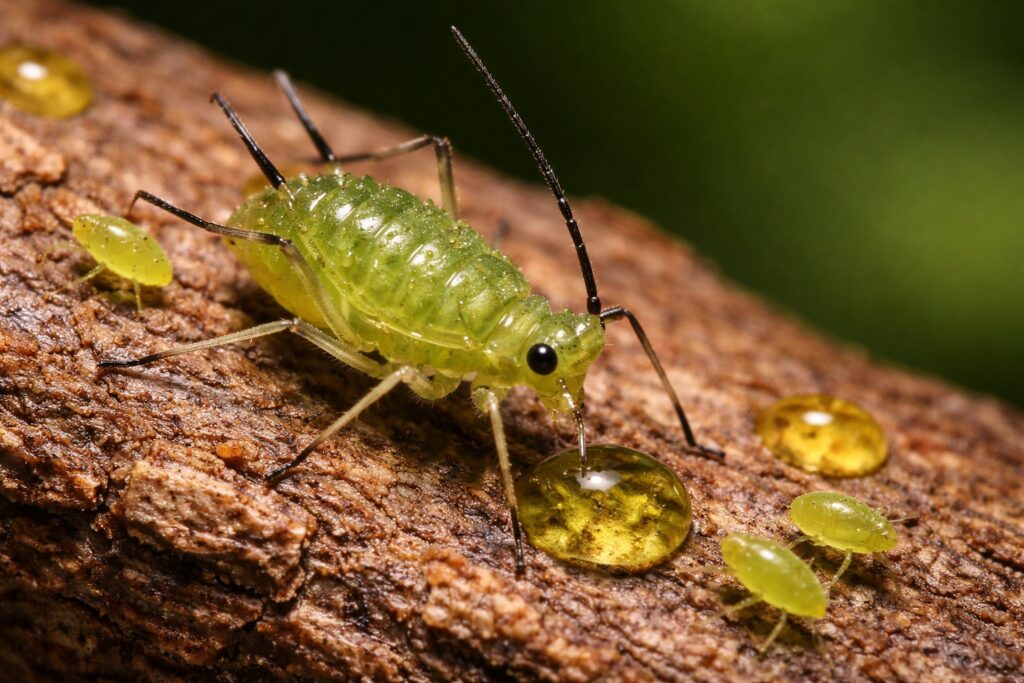
Every spring across the Dallas-Fort Worth metroplex, homeowners and property managers start noticing a sticky residue forming on cars, patio furniture, and walkways beneath their trees …

When it comes to maintaining healthy, beautiful trees in Arlington, deep root feeding is one of the most effective tools in your landscape care arsenal. This …
Spring in North Texas can feel absolutely unpredictable. One week your landscape looks bare and dormant, and the next your entire neighborhood is filled with vibrant …
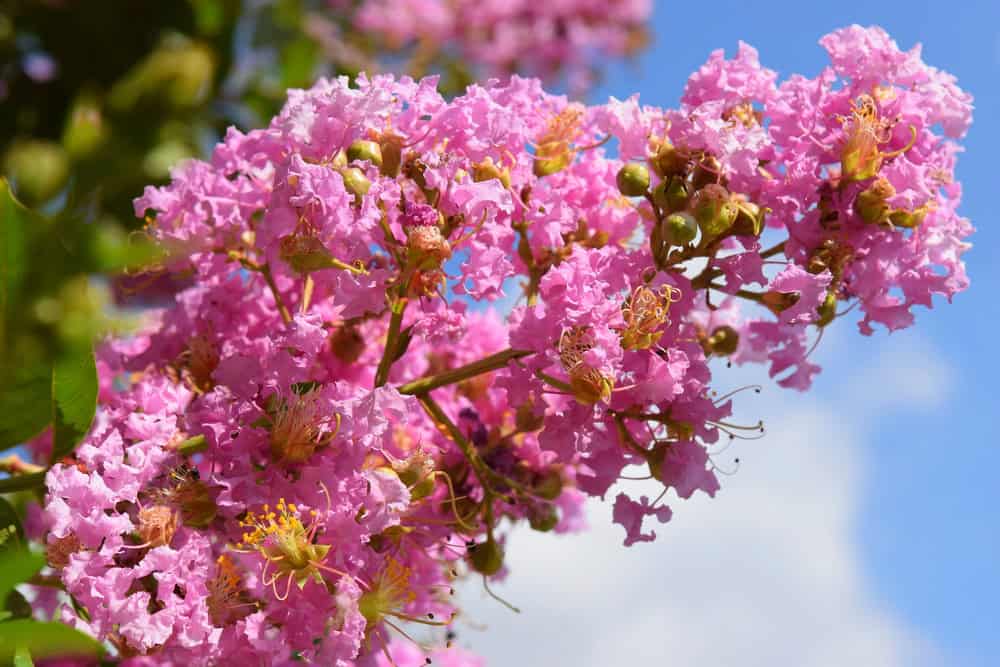
Healthy ornamental shrubs are the foundation of a vibrant North Texas landscaped yard. As winter fades and temperatures begin to rise, spring becomes the most important …
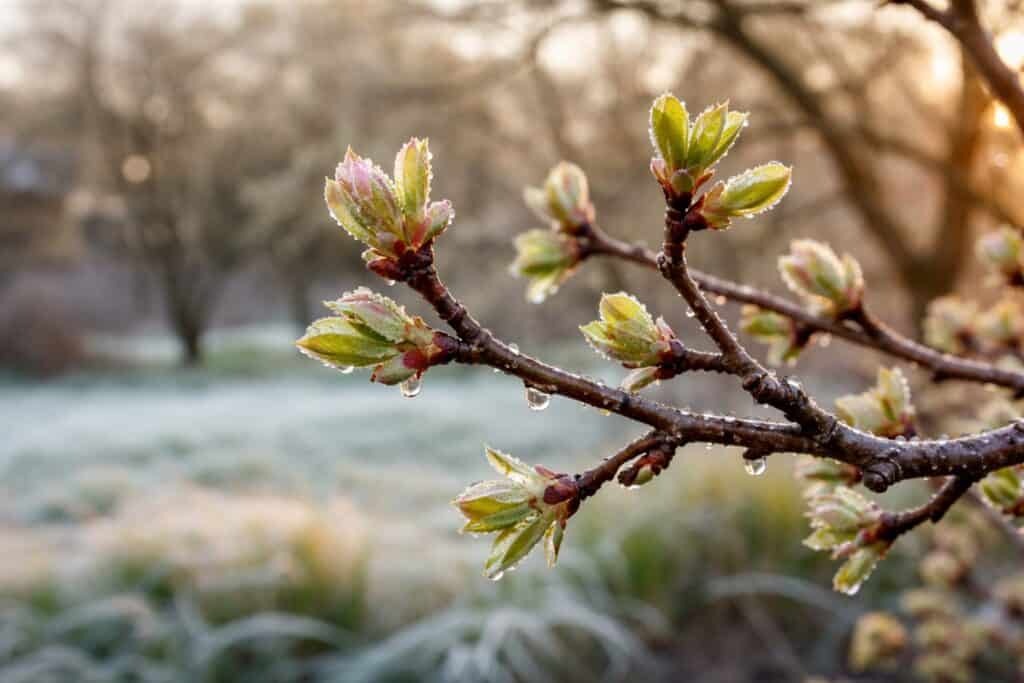
False spring in Texas is becoming increasingly common, and North Texas landscapes are feeling the effects. A sudden stretch of warm winter weather can trick trees …
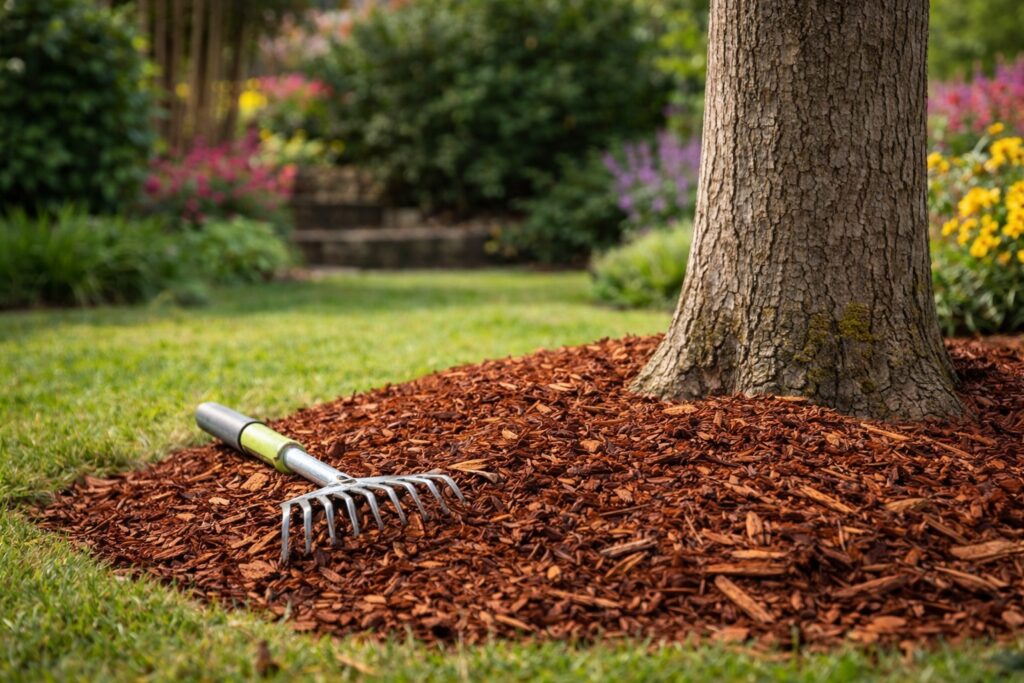
Spring in the Dallas-Fort Worth area brings fresh growth, warmer temperatures, and the urge to refresh landscapes with new mulch. Mulching is one of the best …

As winter fades and temperatures begin to climb across the DFW metroplex, trees and shrubs enter one of their most vulnerable periods of the year. Buds …
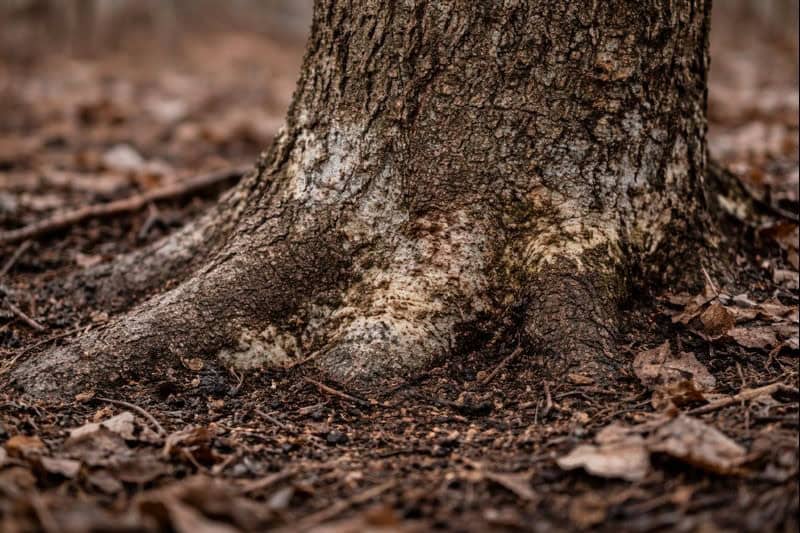
February often feels like a quiet month for landscapes across North Texas. Trees appear dormant, lawns show minimal activity, and many property owners assume disease risks …
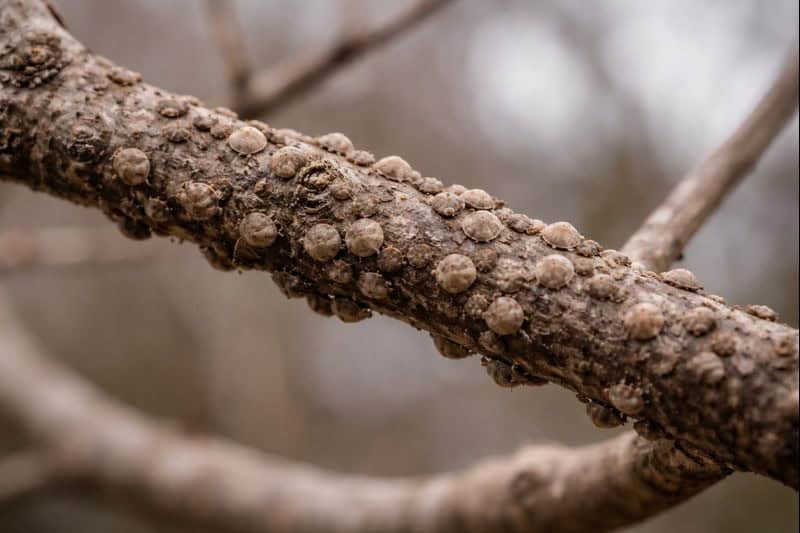
Late winter in North Texas often gives property owners a false sense of security. Trees appear quiet, shrubs show little growth, and insect activity seems minimal …
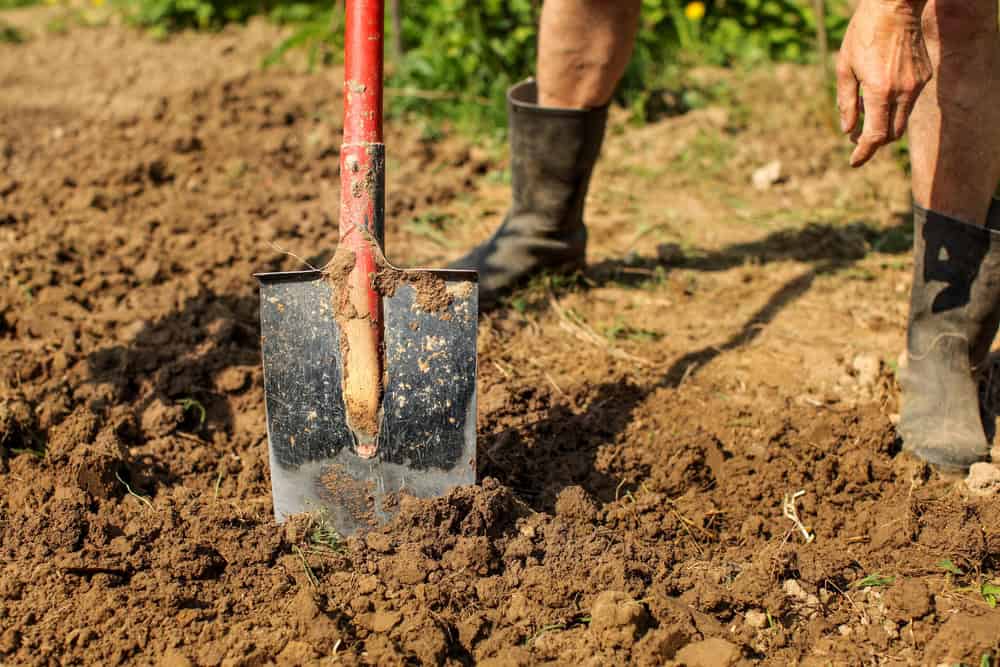
Clay soil is one of the defining characteristics of North Texas landscapes. While it provides certain nutrient advantages, clay soil also presents unique challenges that directly …
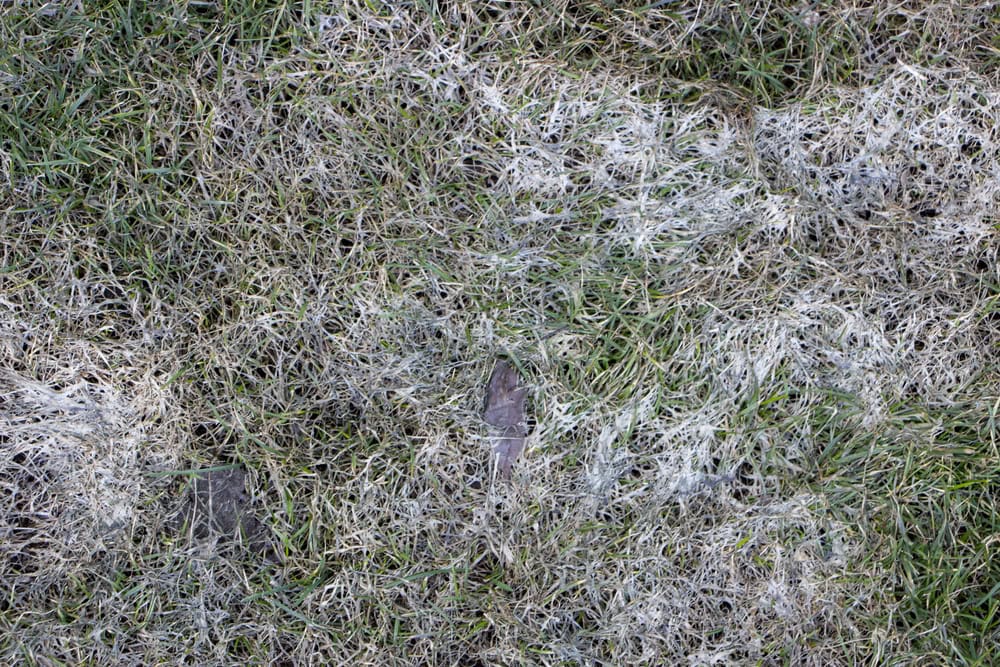
Late winter in North Texas often feels like a pause between seasons. Lawns appear inactive, growth is minimal, and many property owners assume turf problems are …

As the Texas growing season winds down, your trees have endured months of intense sun, dry spells, and sudden storms. While lawns often receive attention before …
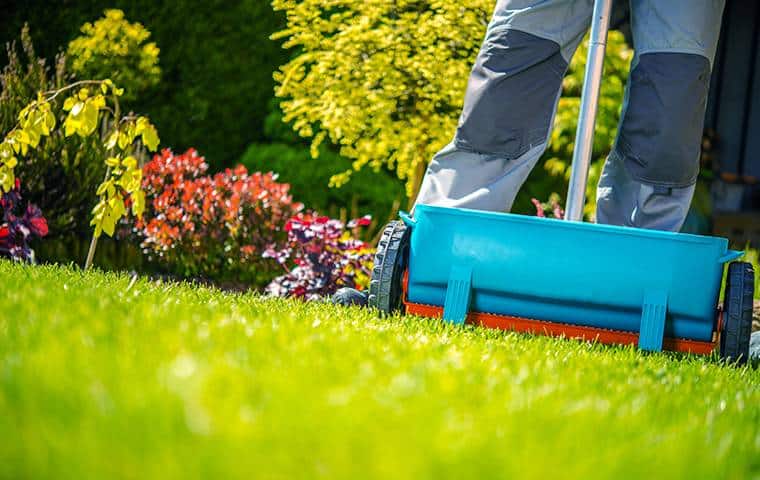
Although fall is usually the season when homeowners begin scaling back on lawn care in Arlington because the grass requires less attention as the active growing …
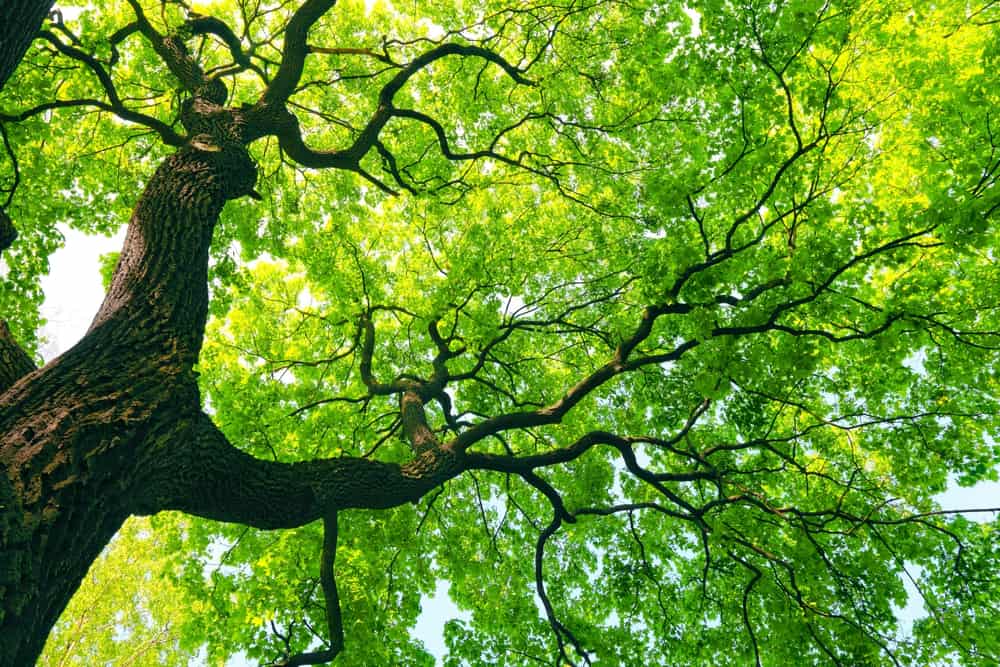
In Arlington, maintaining healthy trees goes far beyond curb appeal; it’s a crucial investment in your property’s value, environmental health, and overall comfort during those long …
Landscaping your home’s lawn requires more than routine upkeep; it takes knowledge, strategy, and consistent care. From proper mowing techniques to smart watering schedules and balanced …
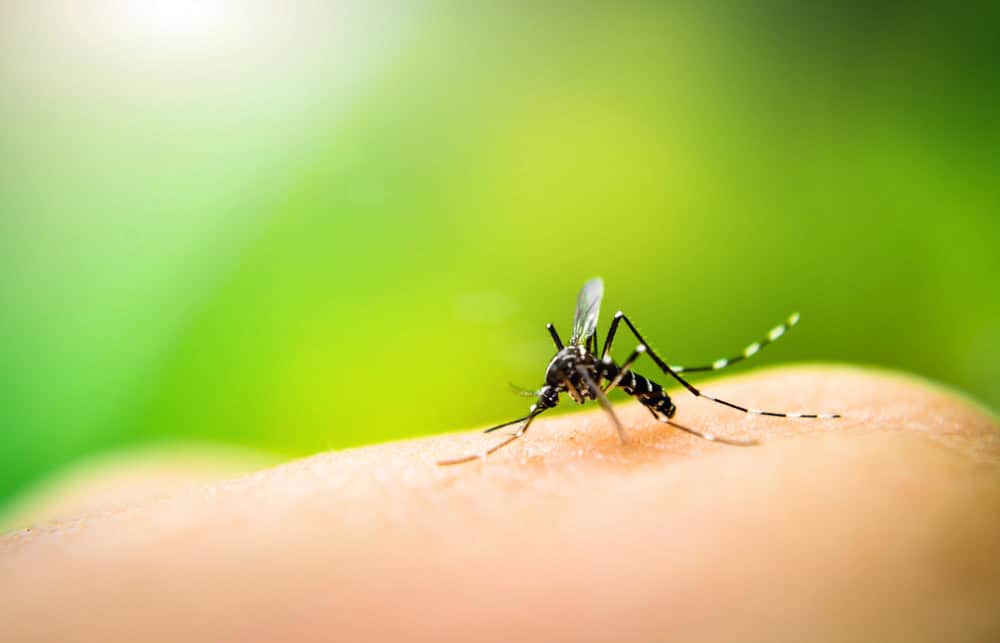
When warm weather settles into North Texas, mosquitoes quickly become one of the most persistent outdoor nuisances for homeowners and businesses alike. These biting insects aren’t …
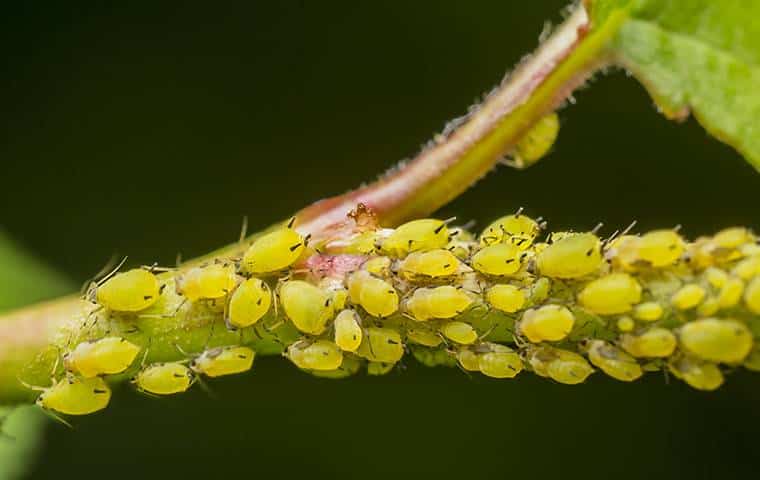
Shrubs are among the most valuable landscape features for Arlington homeowners, offering structure, texture, and year-round visual appeal. They enhance curb appeal, create natural privacy barriers …
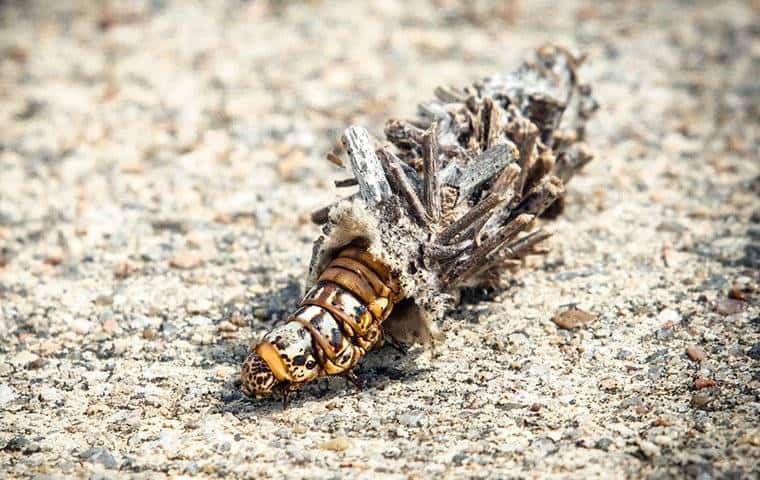
Humans aren’t the only ones who struggle with damaging and dangerous pests; your trees and shrubs face constant threats, too. Although they possess natural defense mechanisms …
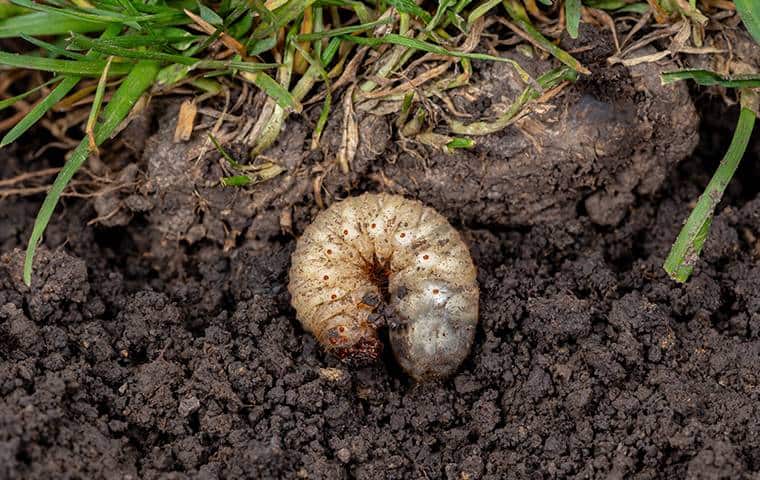
Keeping your lawn green and healthy year-round can feel like a full-time job. Between fertilization, irrigation, and seasonal upkeep, many homeowners invest significant time and money …

There’s nothing quite like enjoying a soft, green lawn. Whether it’s stretching out on the grass during a sunny afternoon or watching kids and pets play …

The Emerald Ash Borer (Agrilus planipennis) is an invasive beetle native to Asia that has become one of the most destructive tree pests in North America …
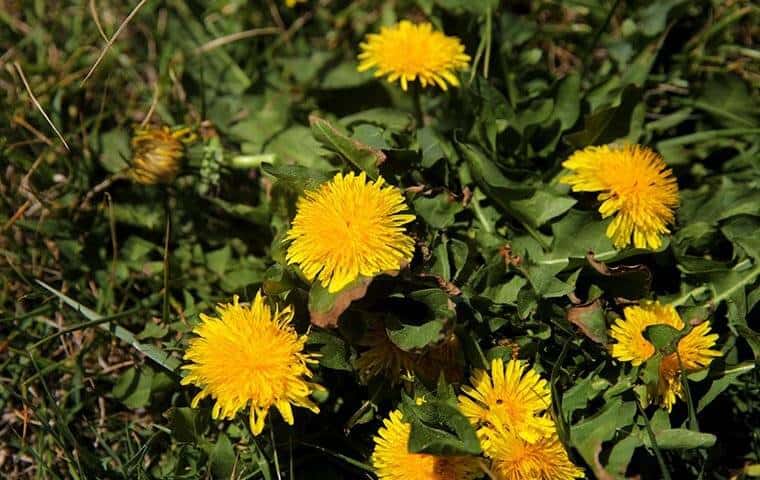
Weeds do more than spoil the appearance of your yard; they aggressively compete with grass for vital water, nutrients, and sunlight, often leaving behind thin, patchy …
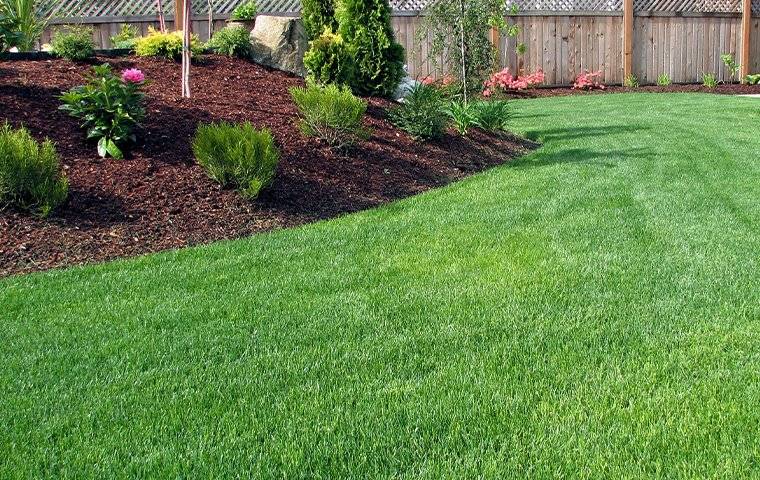
A lush, green lawn in Arlington, TX doesn’t happen by chance. With our region’s unpredictable weather patterns, dense clay-heavy soil, and scorching summer heat, your grass …
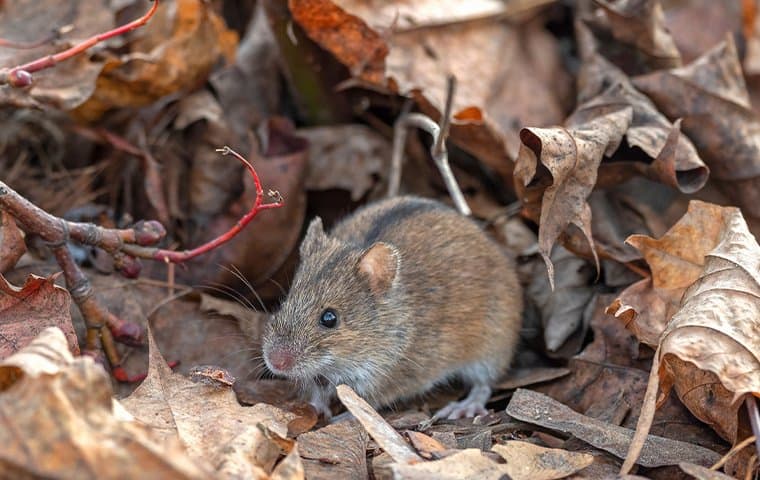
Rodents are more than just an annoyance; they can cause serious property damage, contaminate food and water sources, and spread harmful diseases like hantavirus and salmonella …
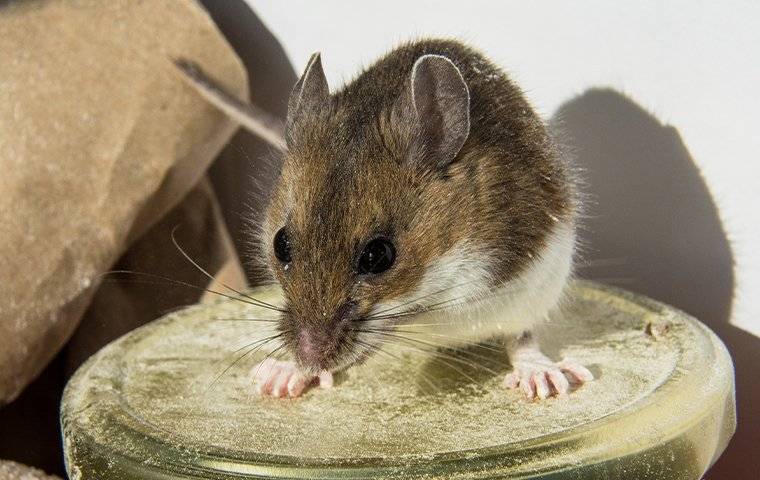
Rodents aren’t just a nuisance; they pose a serious health and safety risk for homeowners throughout Arlington, TX. Mice, rats, and other rodents can transmit dangerous …
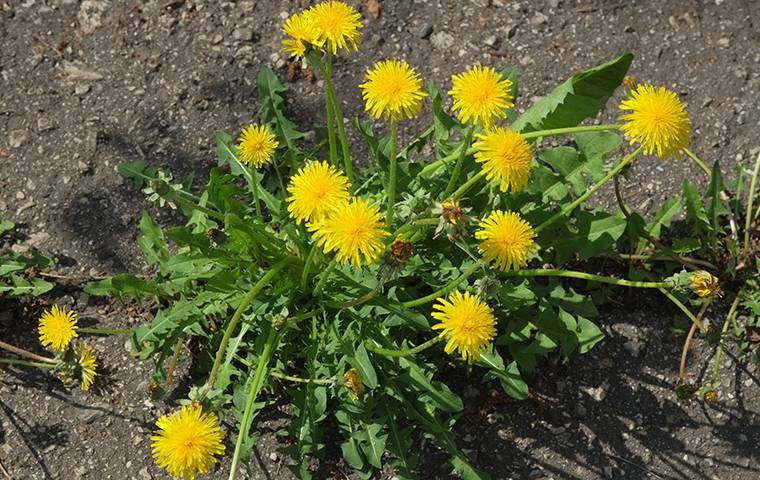
No one likes having an ugly or overrun yard. Unfortunately, countless issues can make your turf look patchy, weak, and unhealthy. One of the most persistent …
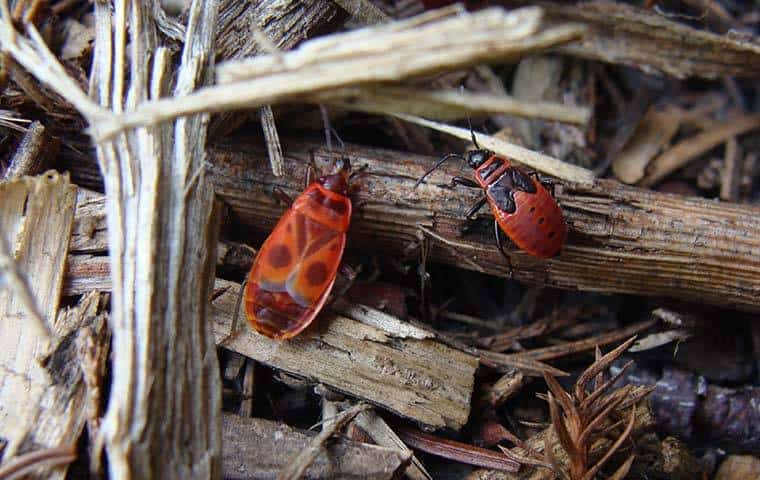
Chinch bugs are one of the biggest threats to lawns in Arlington, TX. These tiny but highly destructive insects thrive in the hot, dry conditions of …
Did you know that recent studies show a well-maintained landscape can boost your home’s property value by more than 20%? A lush, green lawn and thriving …
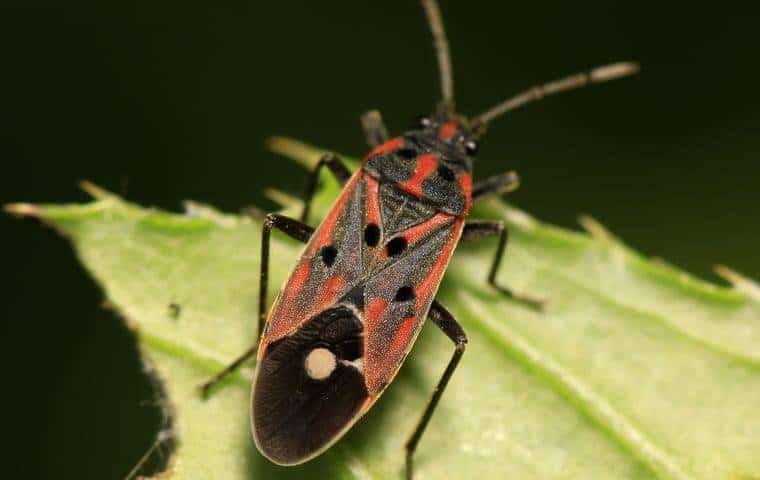
Chinch bugs are one of the most destructive lawn pests in North Texas, especially during the hot, dry months. These tiny insects feed on grass by …
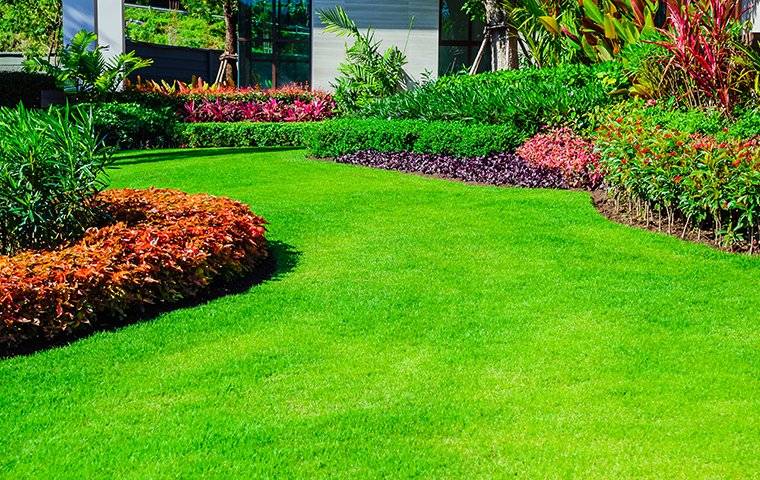
Caring for your lawn is much more involved than simply mowing it every week. A truly healthy lawn requires a deep understanding of turf health, soil …
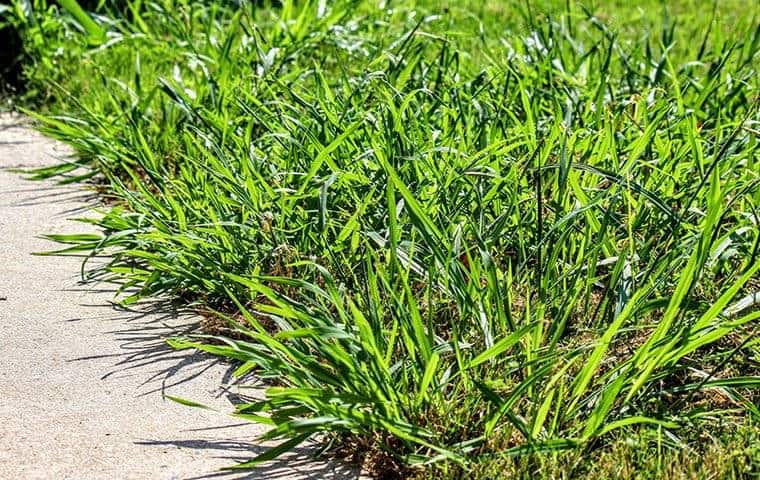
Arlington’s unique climate makes weed control a year-round responsibility rather than just a seasonal chore. With mild winters, hot summers, and unpredictable transitional seasons, weeds have …

Seeing your once-vibrant shrubs decline can be frustrating and disheartening. If you’re noticing browning leaves, thinning branches, or sudden dieback on your property in Arlington, TX …
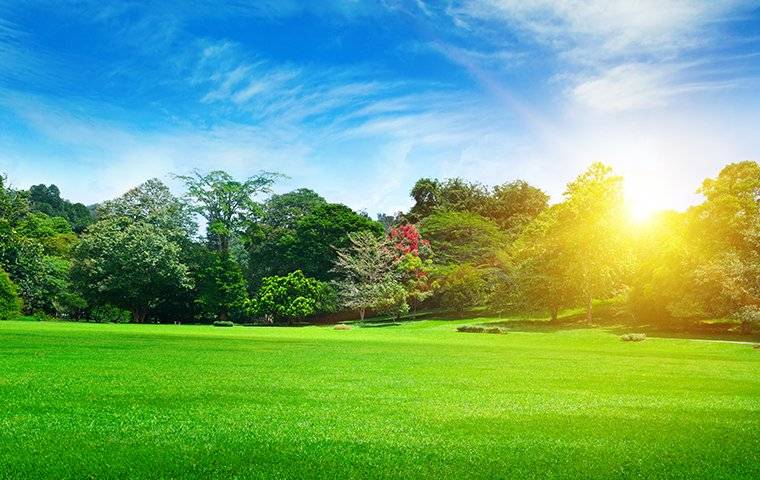
Arlington’s soil and weather can be tough on trees. Between scorching summers, clay-heavy soils, seasonal droughts, and urban stress, your trees may not be getting the …
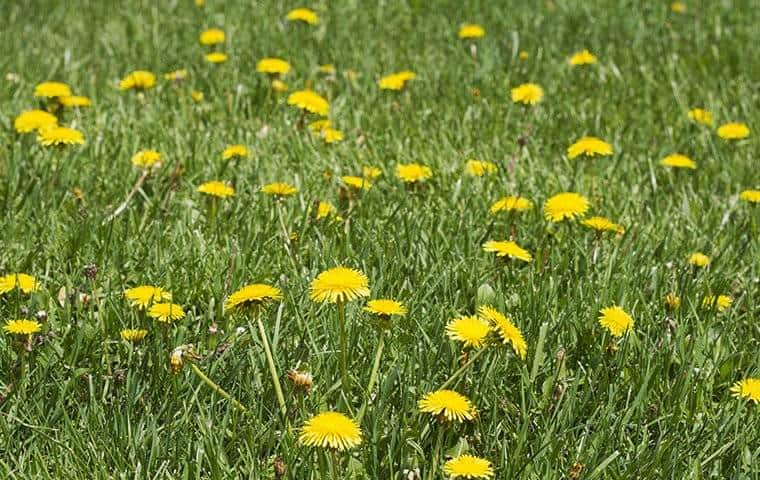
Weed control is an essential part of maintaining any lawn, but it’s especially critical in Arlington, where the hot, humid climate creates ideal conditions for weeds …
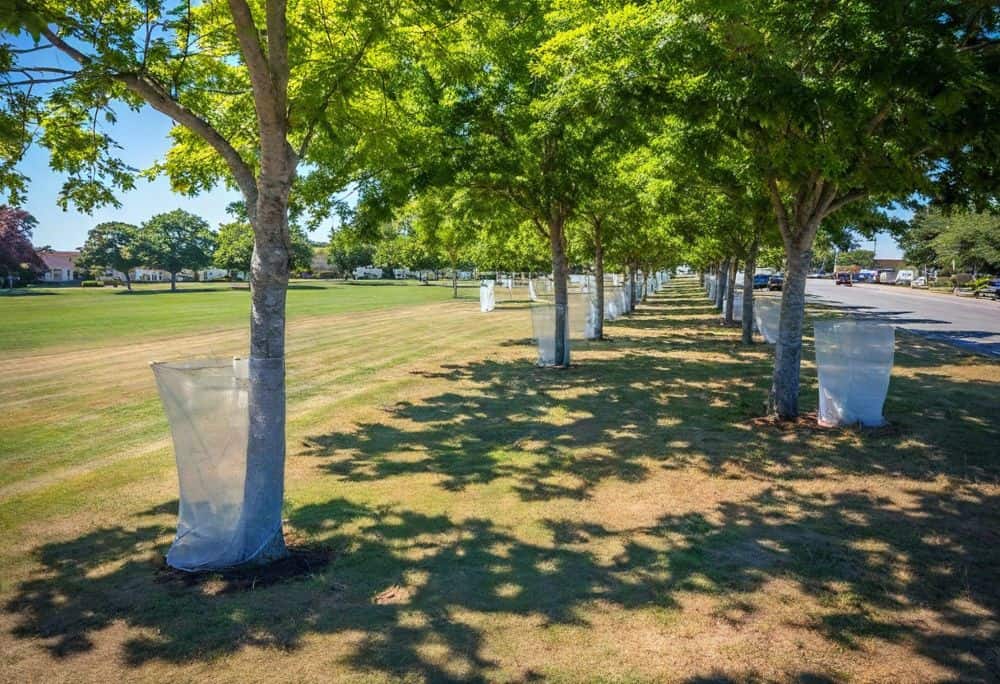
In the hot, humid climate of North Texas, insect activity ramps up significantly in summer. That means your trees, from sprawling oaks to ornamental crape myrtles …
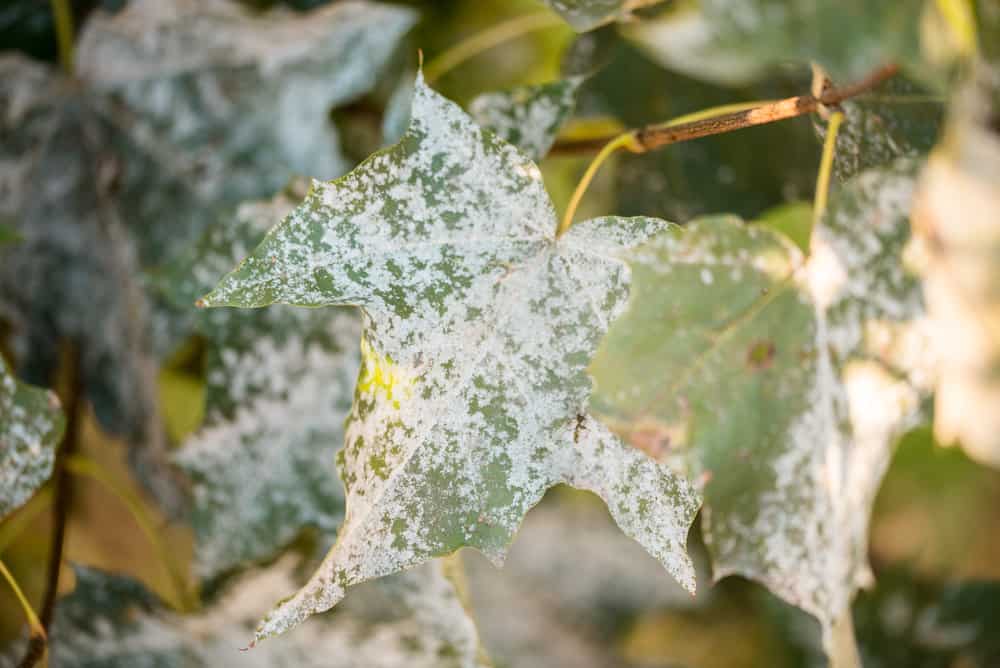
Fungal diseases are among the most common and destructive threats to trees in North Texas. The region’s hot summers, heavy clay soils, and periods of humidity …
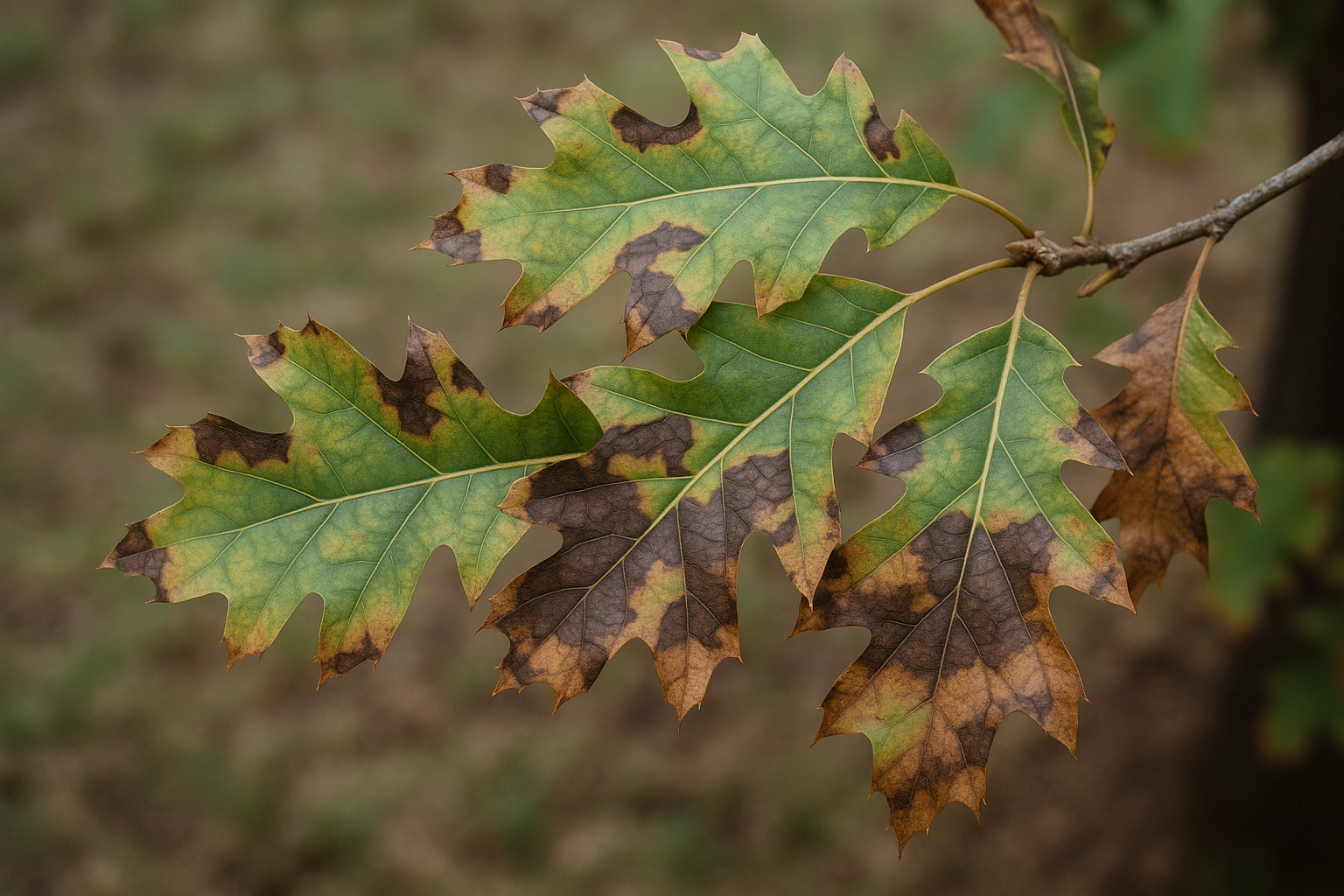
Oak wilt is one of the most destructive and fast-moving tree diseases in Texas, and North Texas homeowners need to be especially vigilant. Unlike some fungal …
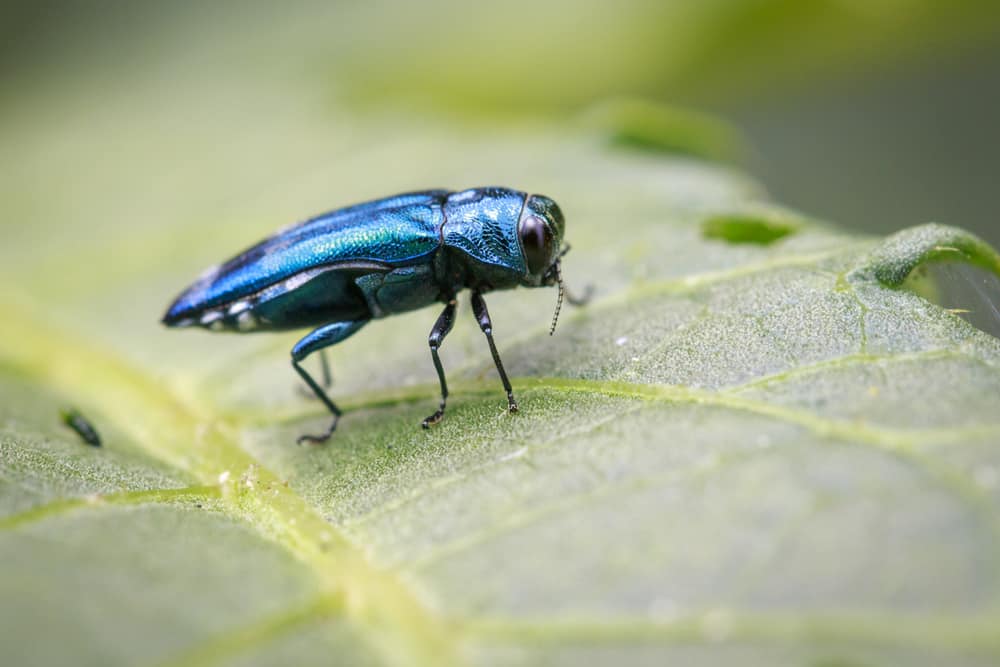
Your beautiful trees are the backbone of your property’s landscape in Arlington, TX. They provide shade, enhance curb appeal, and contribute to the overall beauty and …
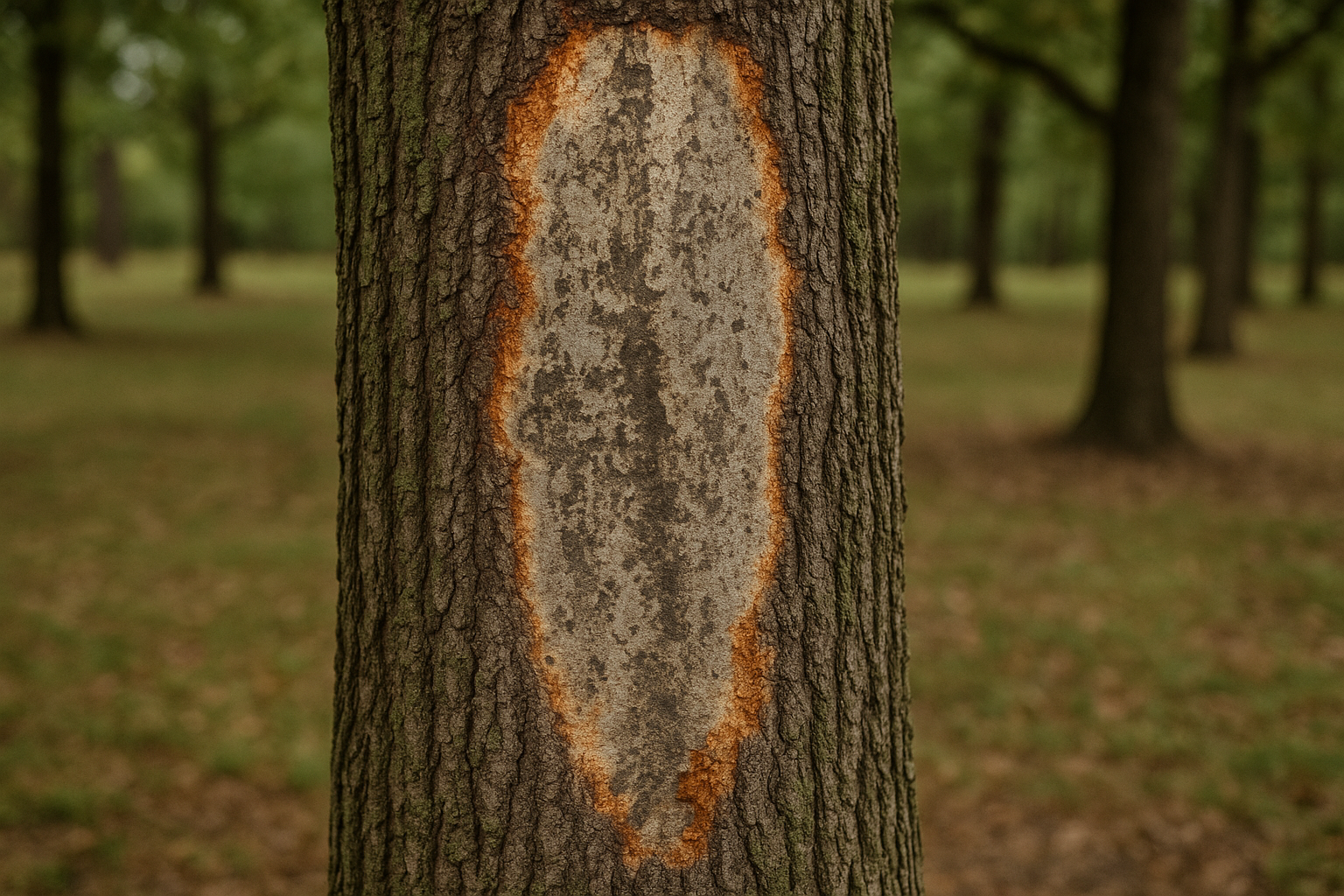
Hypoxylon canker is a devastating fungal disease that preys on stressed and weakened trees, thriving in the hot, drought-prone environment of North Texas. Unlike some pathogens …
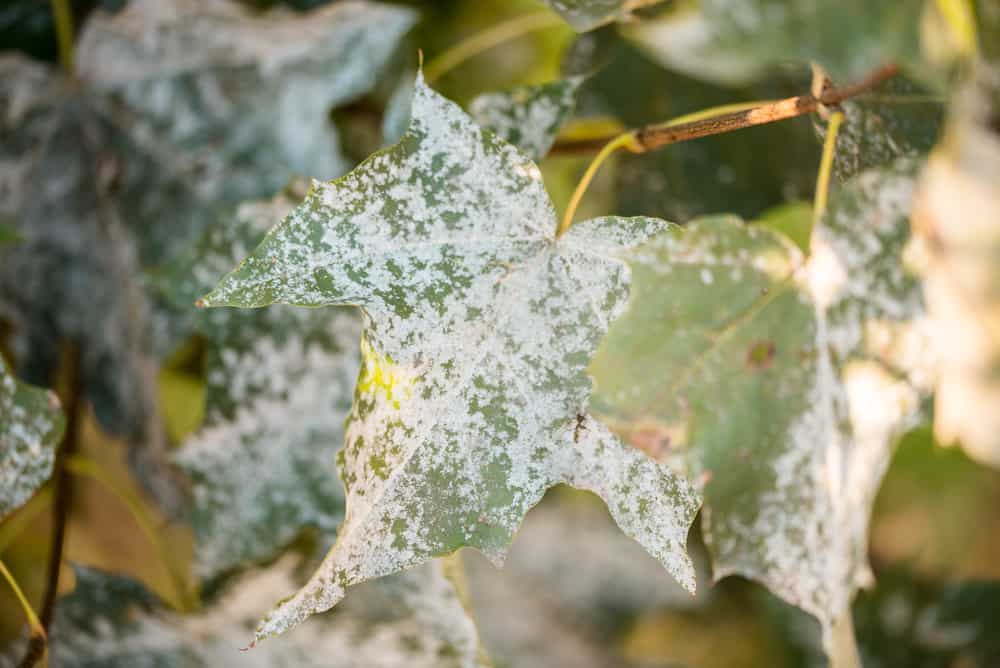
North Texas homeowners often notice brown, black, or discolored patches on their trees’ leaves during the growing season, especially after periods of wet spring weather. While …
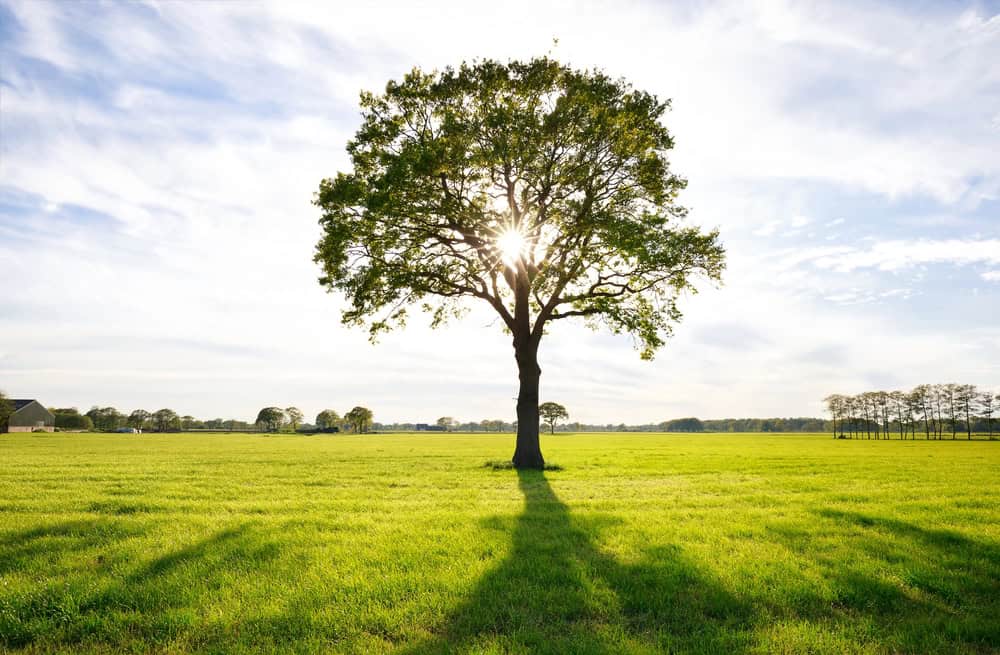
Trees are among the most valuable assets in any North Texas landscape, offering beauty, shade, and lasting value. But as summer sets in, rising temperatures, prolonged …
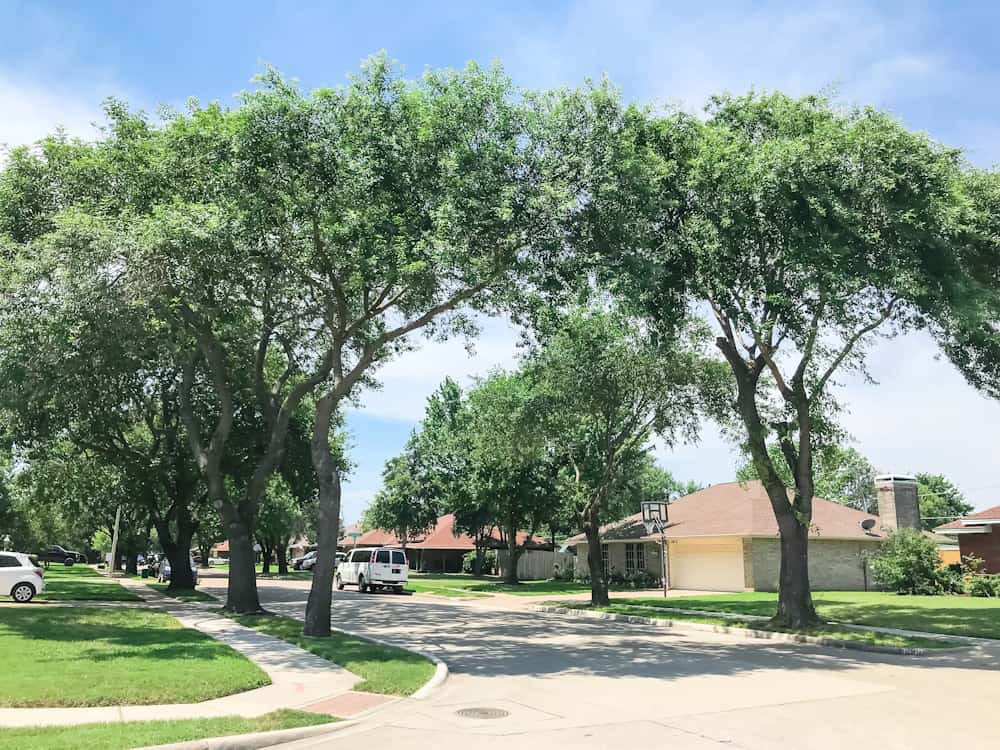
In the heart of Texas, where prairies stretch wide and woodlands weave into the horizon, stands a silent guardian that embodies both resilience and legacy, the …
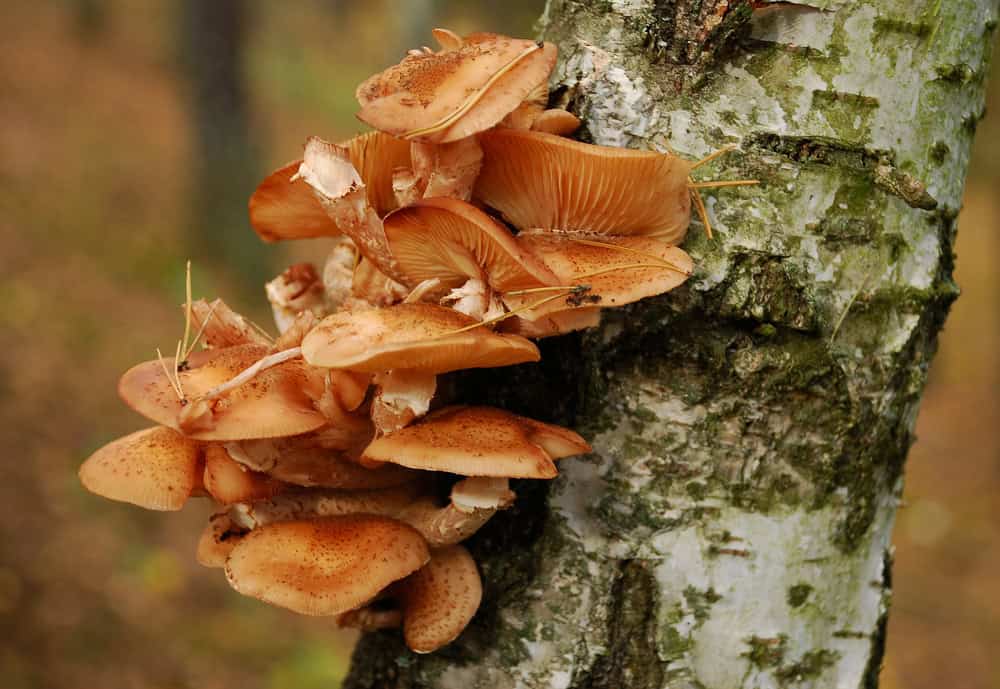
Texas’s diverse landscape and climate create the perfect environment for fungal growth. While certain fungi provide benefits to trees and surrounding ecosystems, others can quickly become …
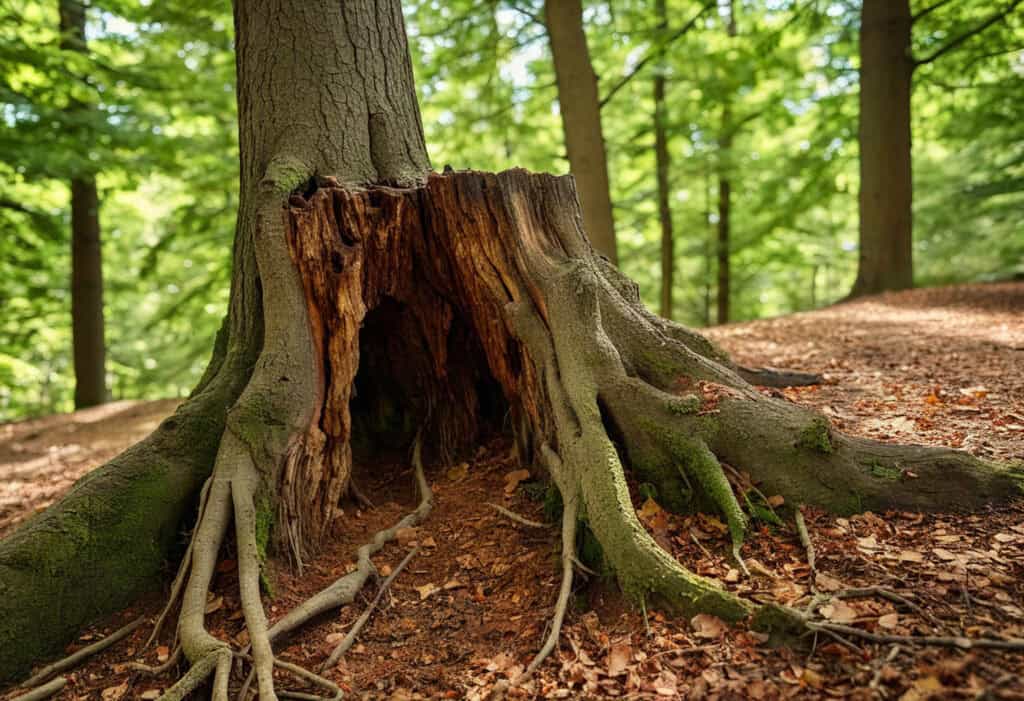
Clay-heavy soils are common across North Texas. While they’re rich in nutrients, they also trap and hold water for long periods. After heavy rains followed by …
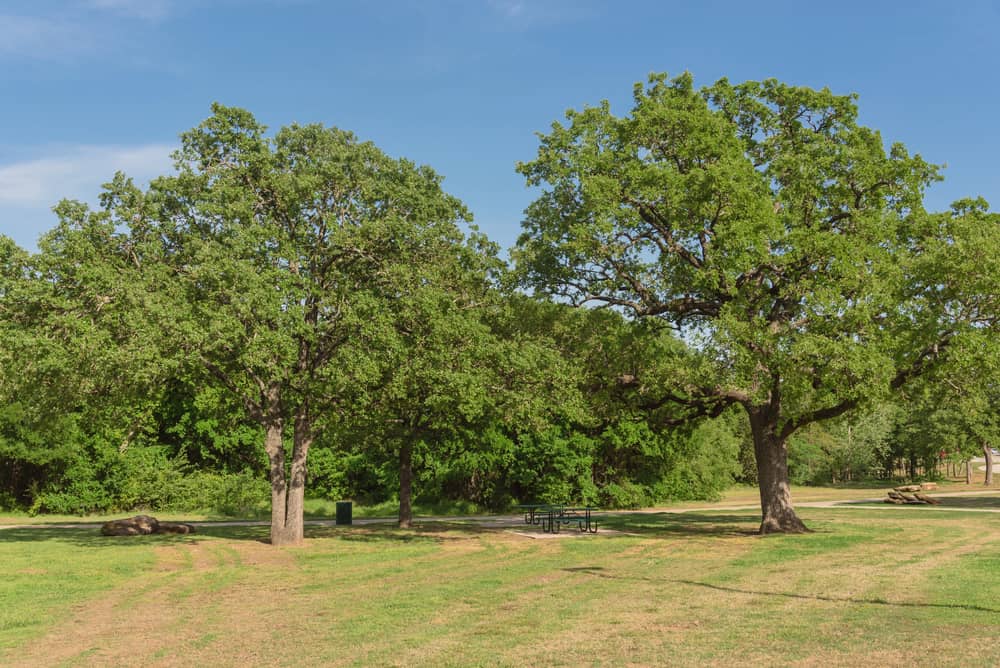
In the sprawling landscapes of Tarrant County, trees stand tall as guardians of beauty and providers of much-needed shade. These giants give us far more than …
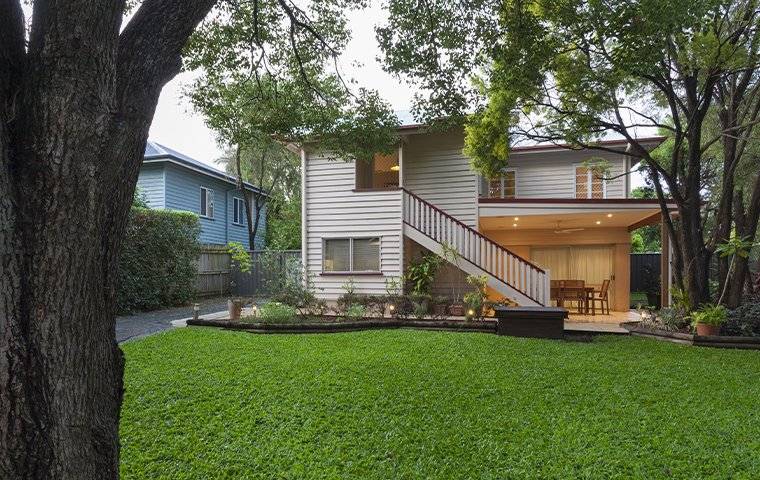
Trees in Arlington, TX face a wide range of environmental challenges, from scorching summer heat and prolonged drought to compacted soils, urban stress, and aggressive regional …

Tree diseases in North Texas often become far more severe when pests enter the picture. Insects that feed on bark, leaves, and roots don’t just cause …
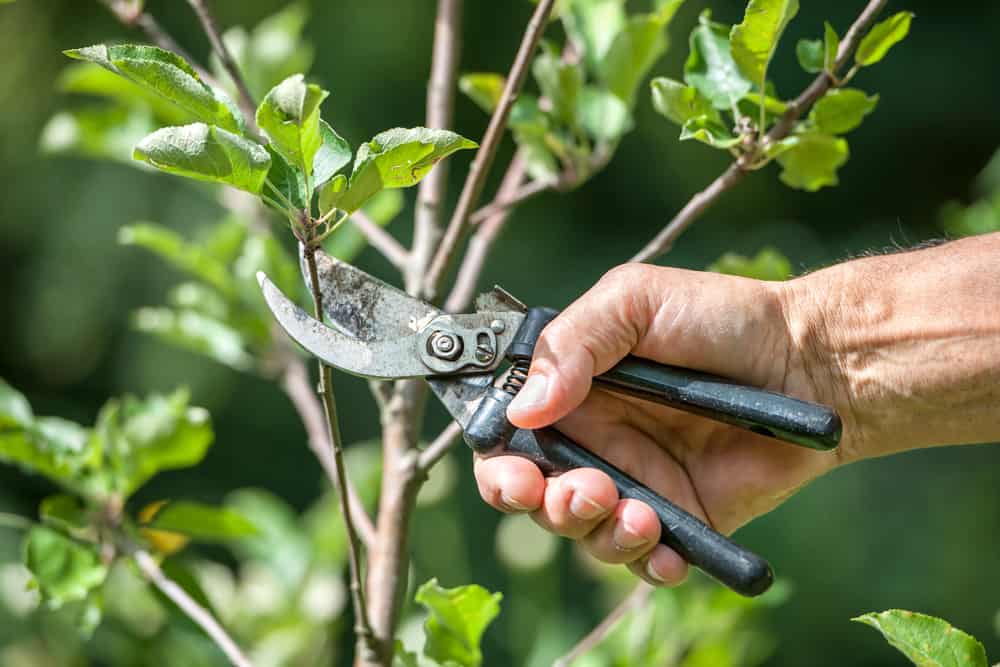
As homeowners and gardeners, it’s important to remember that proper tree care goes far beyond planting and watering. One of the most overlooked but essential practices …

When summer arrives in North Texas, schools and campuses often transform into lively summer campgrounds filled with laughter, learning, and outdoor activities. From shaded playgrounds to …
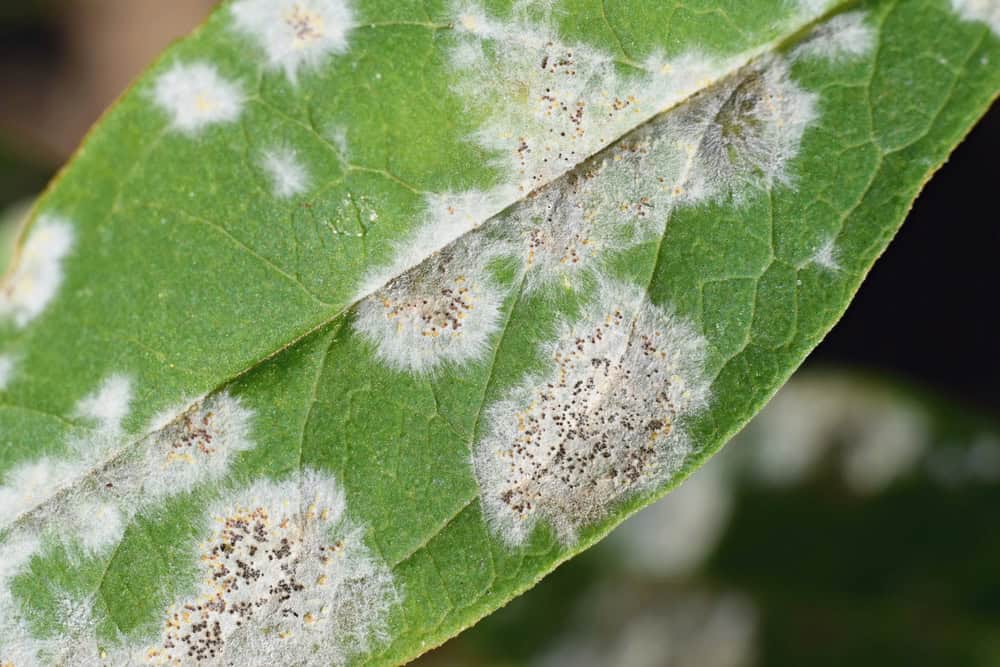
Powdery mildew is one of the most common, and most frustrating, fungal diseases affecting ornamental shrubs and trees in North Texas. Our warm temperatures, high humidity …
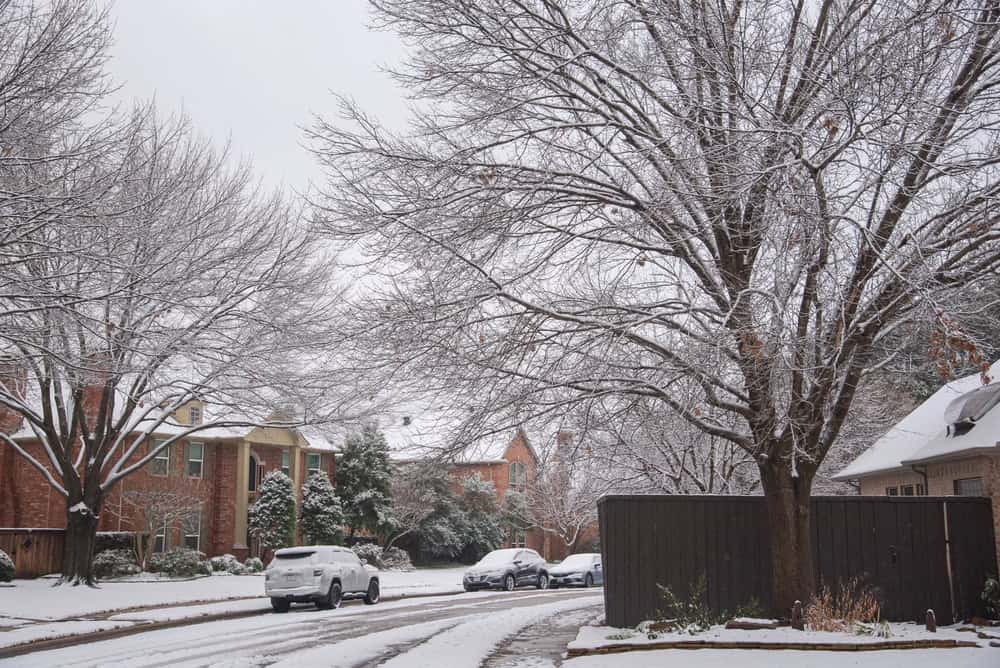
Winter in North Texas rarely behaves like winter anywhere else. Just as trees begin settling into dormancy after the first few cold fronts, an unexpected warm …
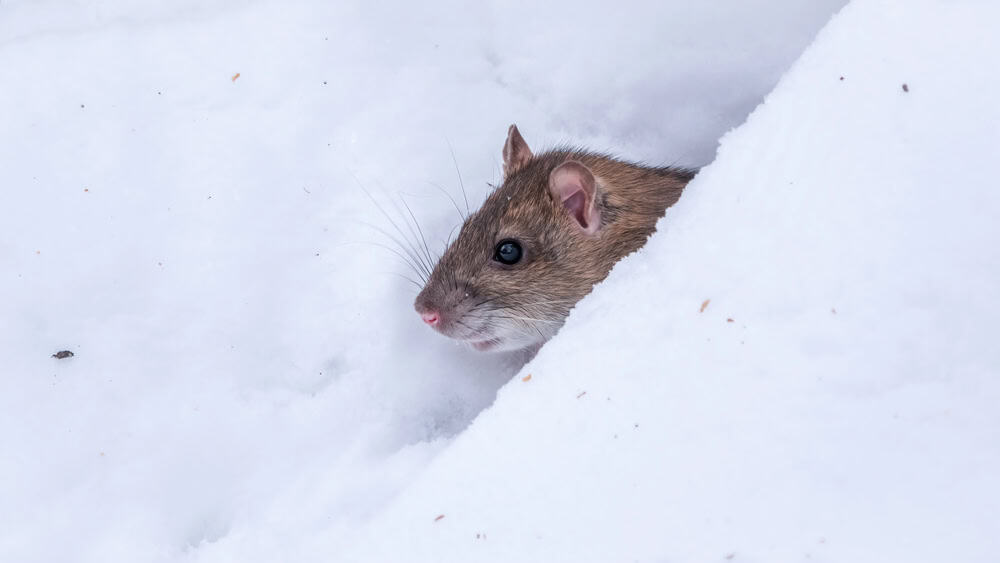
December may feel quiet above ground, but below the surface of your landscape, winter rodents are busier than ever, and far more destructive than most homeowners …

When winter temperatures swing up and down in North Texas, your landscape faces more than just chilly mornings and dry air. These dramatic temperature swings trigger …
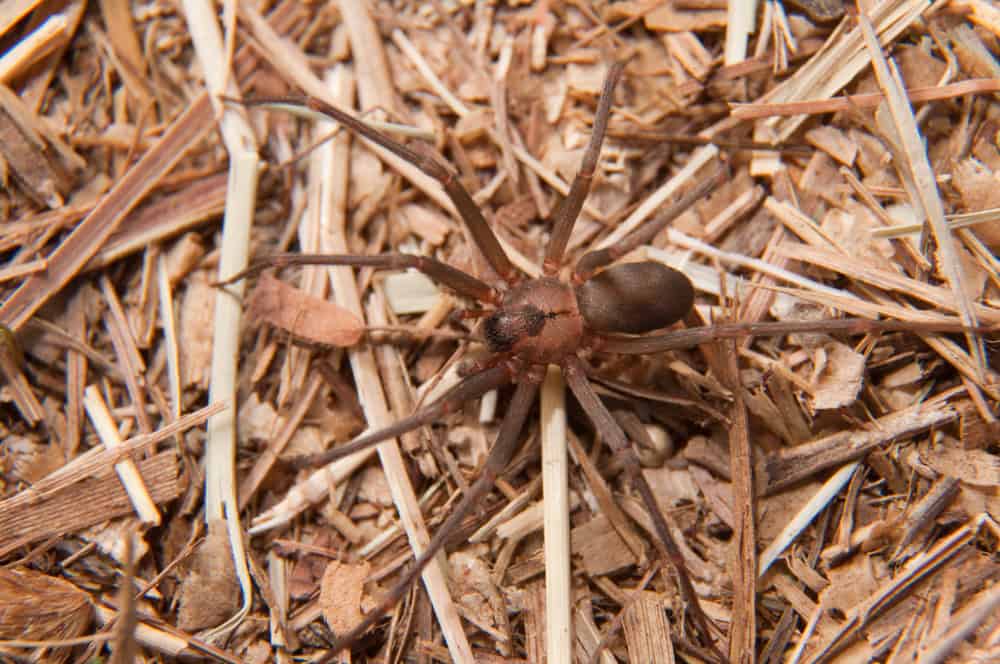
North Texas has one of the most diverse ranges of spider species in the southern region, and homeowners frequently encounter them around structures, gardens, landscape beds …
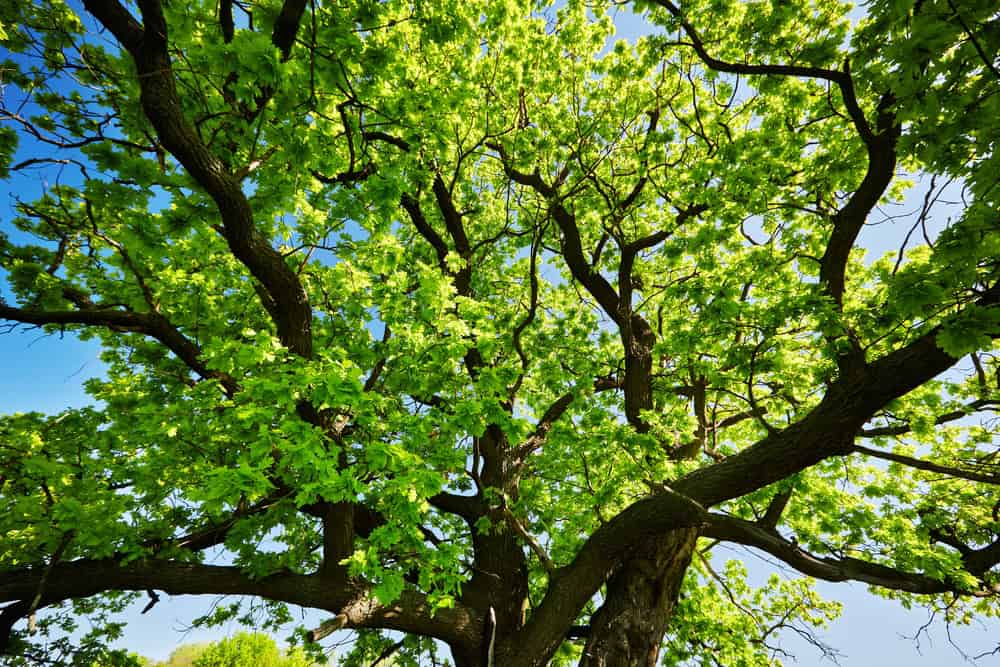
Texas is home to a rich diversity of oak trees, including the red oak and the lacey oak, each playing a vital role in the state’s …

Winter irrigation is one of the most misunderstood aspects of tree care in North Texas. Many homeowners assume irrigation systems should be turned off completely once …
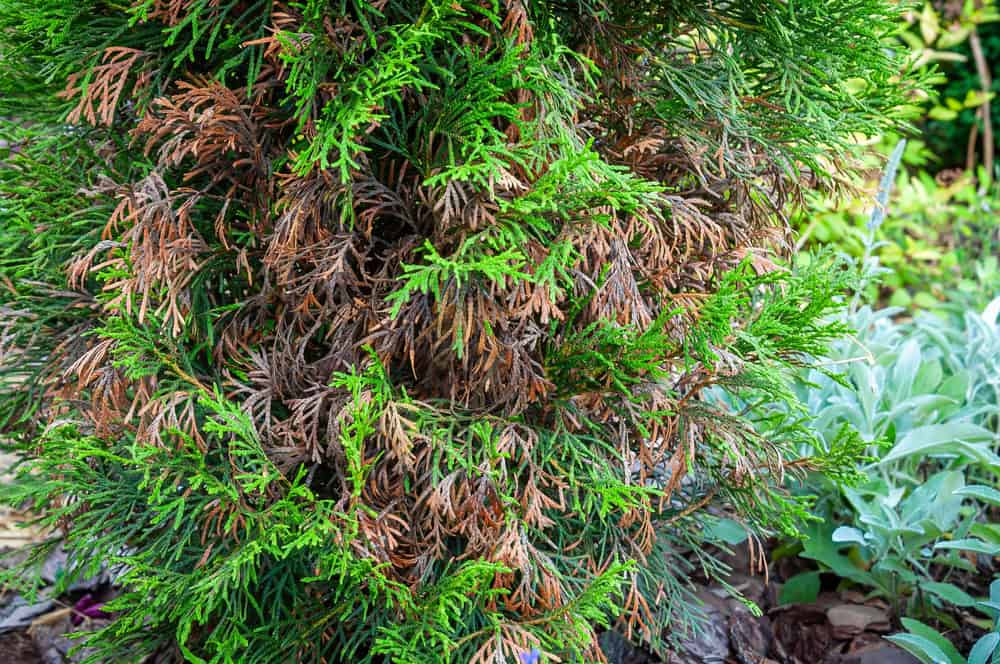
Evergreens are a cornerstone of North Texas landscapes. From boxwoods and hollies to junipers, pines, and arborvitae, these plants provide year-round structure, privacy, and color. Yet …
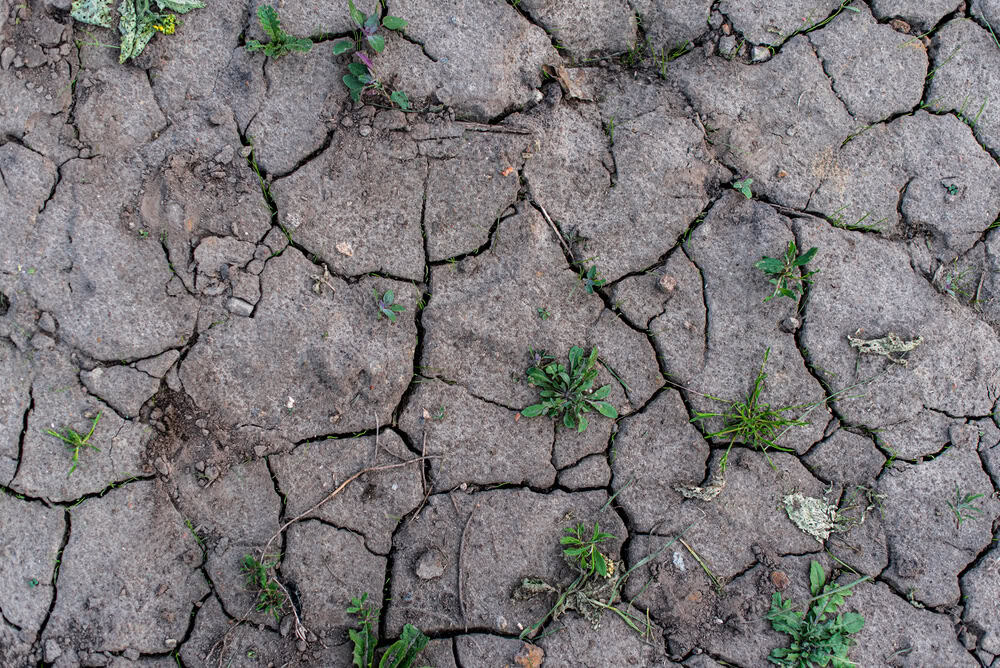
When most North Texas property owners think about winter tree damage, freezing temperatures and ice storms usually come to mind. What often goes unnoticed is a …
Winter in North Texas is unpredictable. One week brings mild sunshine and 70-degree afternoons, and the next delivers freezing rain, hard freezes, or sudden temperature drops …

Texas landscapes face intense weather extremes: scorching heat, prolonged drought, sudden freezes, and dense clay soils that compact year after year. While most homeowners focus on …
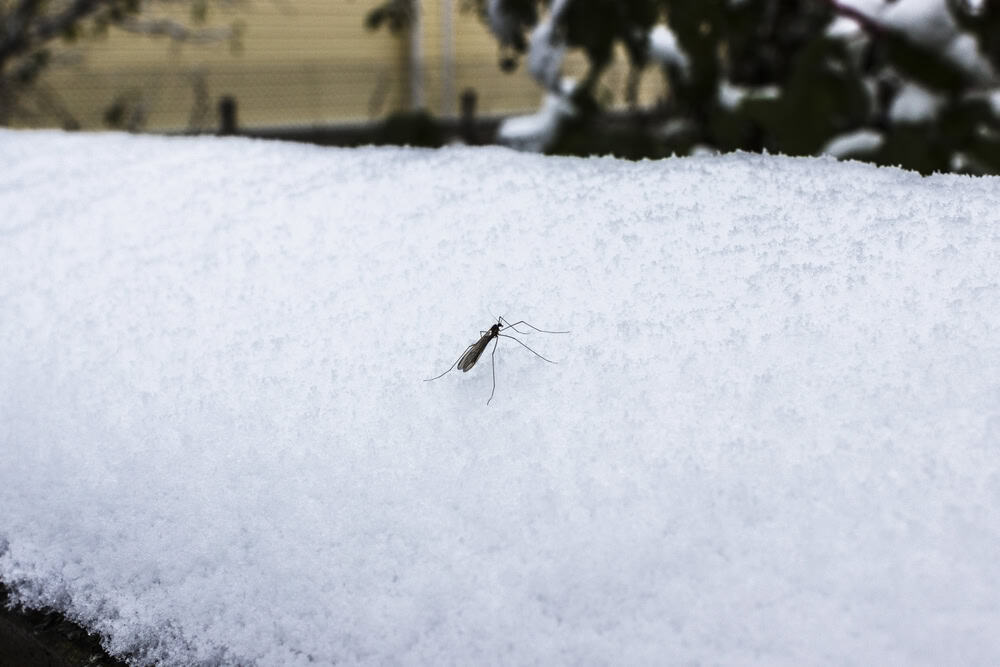
Cold weather brings a welcome break from buzzing mosquitoes, aggressive fire ants, and other warm-season pests but that doesn’t mean they’ve disappeared. In Tarrant County, winter …
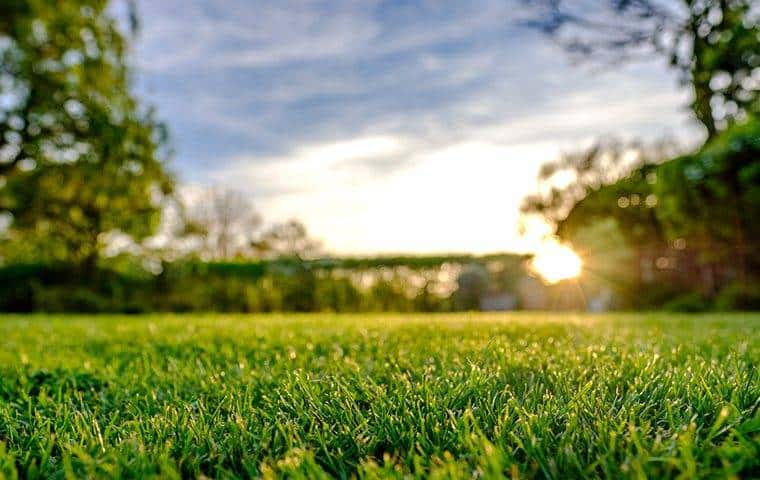
Nothing gives a home that finishing polish and maximum curb appeal like a beautifully landscaped yard with lush, green grass. Not only is a well-maintained lawn …
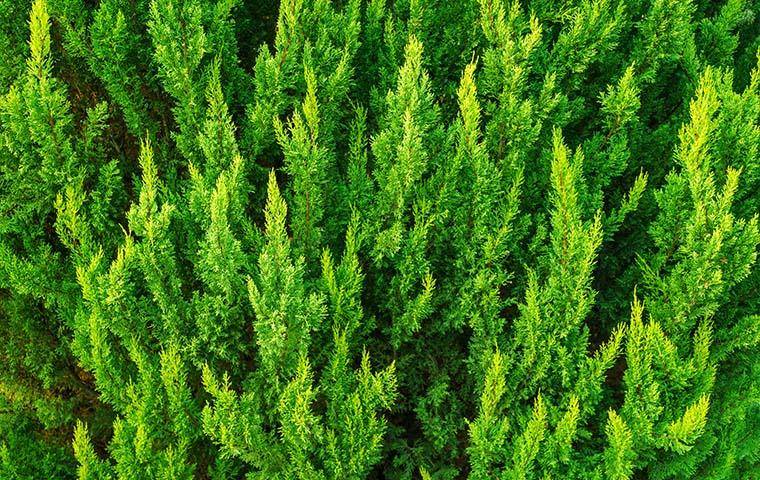
Spring in Texas is a beautiful time of year. We’re excited to get outside and enjoy the fresh air and sunshine. Shrubs and trees thrive this …

Fertilizing your shrubs and trees at the right time can dramatically improve their health, resilience, and appearance. In Arlington, TX, spring and fall are the ideal …
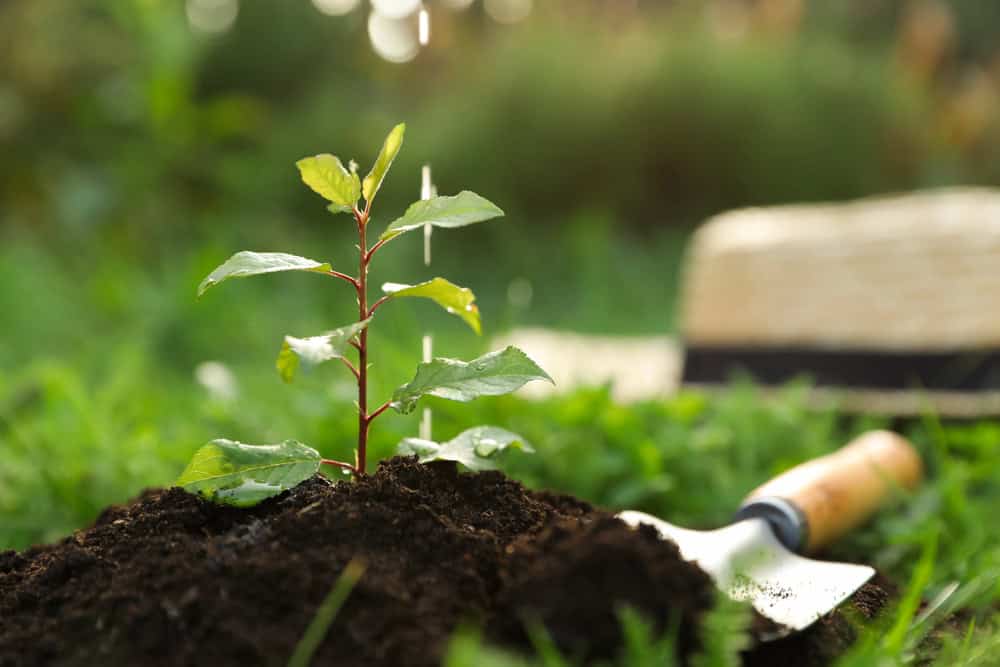
In the world of commercial landscaping, timing is everything. And when it comes to planting trees, especially large, canopy-building varieties like oaks or elms, fall is …
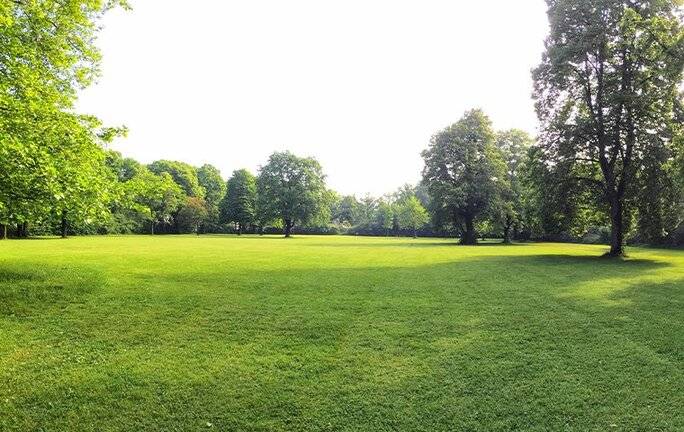
Many Arlington homeowners take pride in the appearance of their property’s landscaping. For them, a well-kept yard is more than just a weekend project; it’s a …
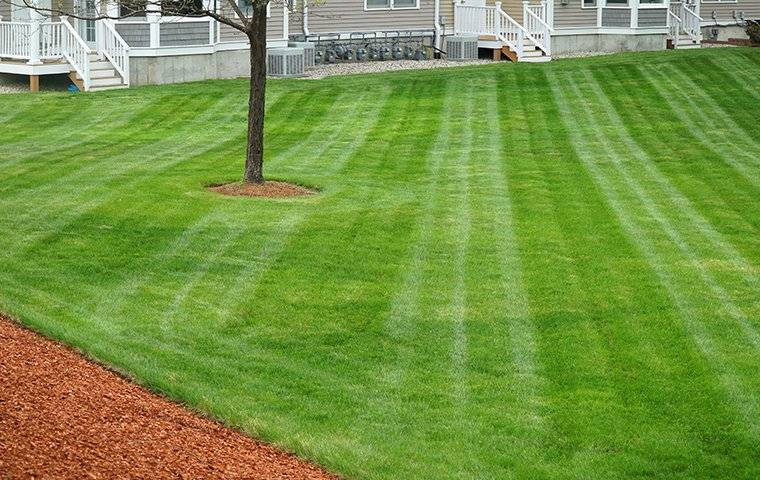
People have always been passionate about different pursuits. Some devote their entire lives to traditional crafts like blacksmithing, leatherworking, or woodworking, trades that take patience and …
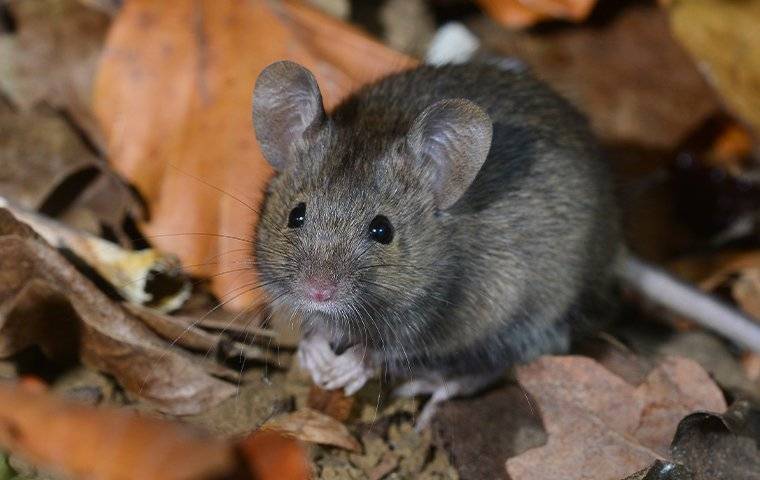
Rodents are more than just an occasional nuisance in Arlington; they present serious risks to both your health and your home’s structural integrity. Mice, rats, and …
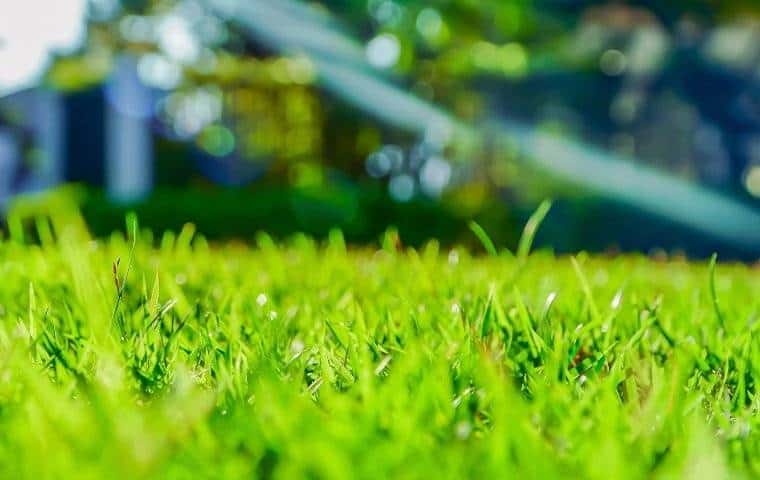
A healthy lawn requires a customized approach that extends much further than mowing and pulling weeds from time to time. Dead spots, excessive moisture, and pest …
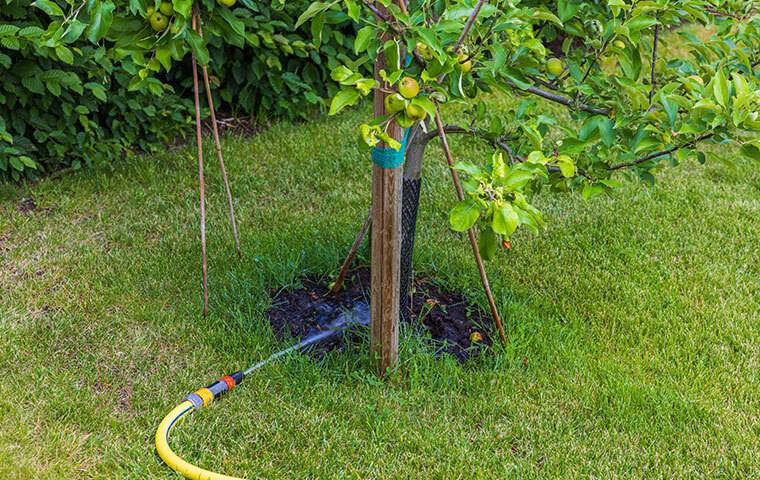
Fruit trees are a beautiful and rewarding addition to any Arlington, TX landscape. Whether you’re growing apples, peaches, pears, or plums, these trees provide both aesthetic …

Grubs may be small, but their impact on your landscape can be massive. These pests feed on the root systems of your grass, trees, and shrubs …

As winter approaches and temperatures continue to drop, homeowners face more than just the chill in the air. The colder months bring a new challenge: pests …
There are few pests that have the ability to send shivers down people's spines as spiders do. It's hard to ignore spiders if you see them …
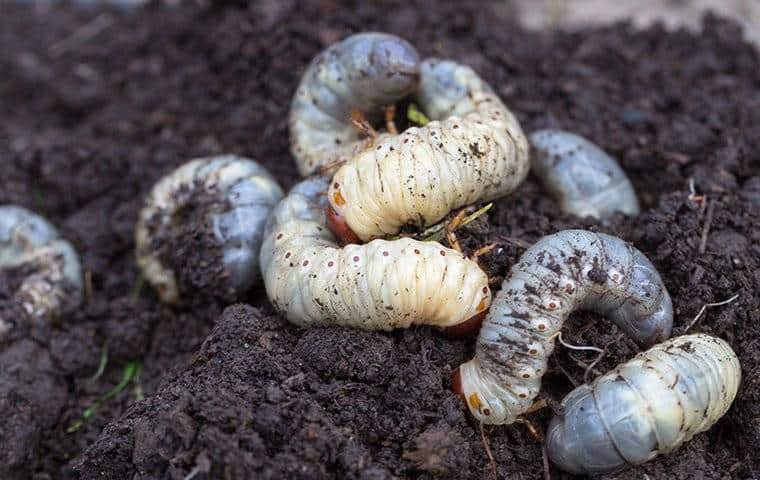
If you’ve ever noticed patches of brown or dead grass in your yard, you might be dealing with lawn grubs. The immature stage of the scarab …
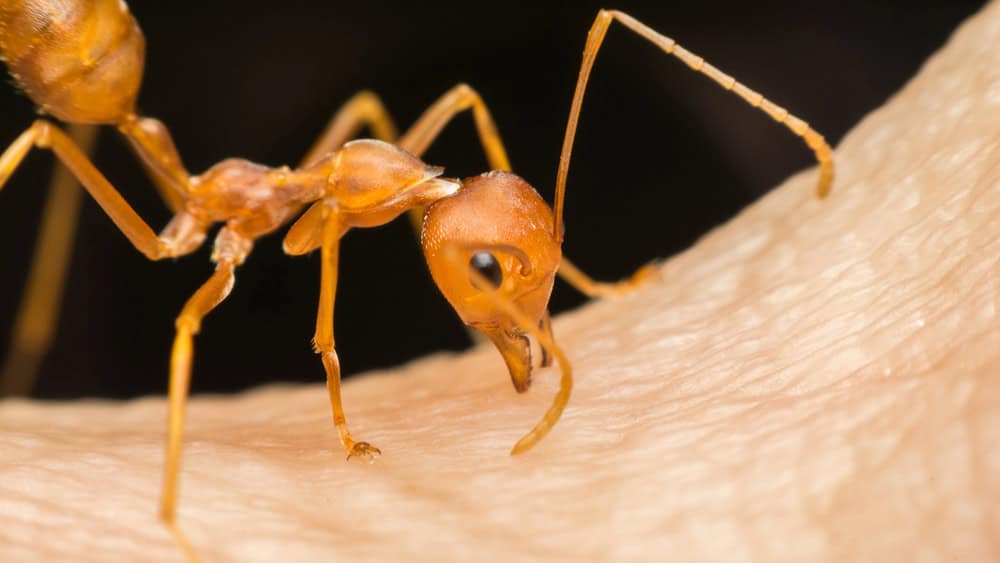
Fire ants are a constant problem in North Texas, thriving in sunny lawns, garden beds, and open soil. Their painful stings, aggressive colonies, and ability to …
Nothing beats a beautifully curated Arlington lawn. Not only is a lush, green front yard in front of each house a sight for sore eyes after …

Fall is one of the most effective times of year to strengthen your trees and shrubs, especially in the demanding climate of North Texas. Root inoculation …
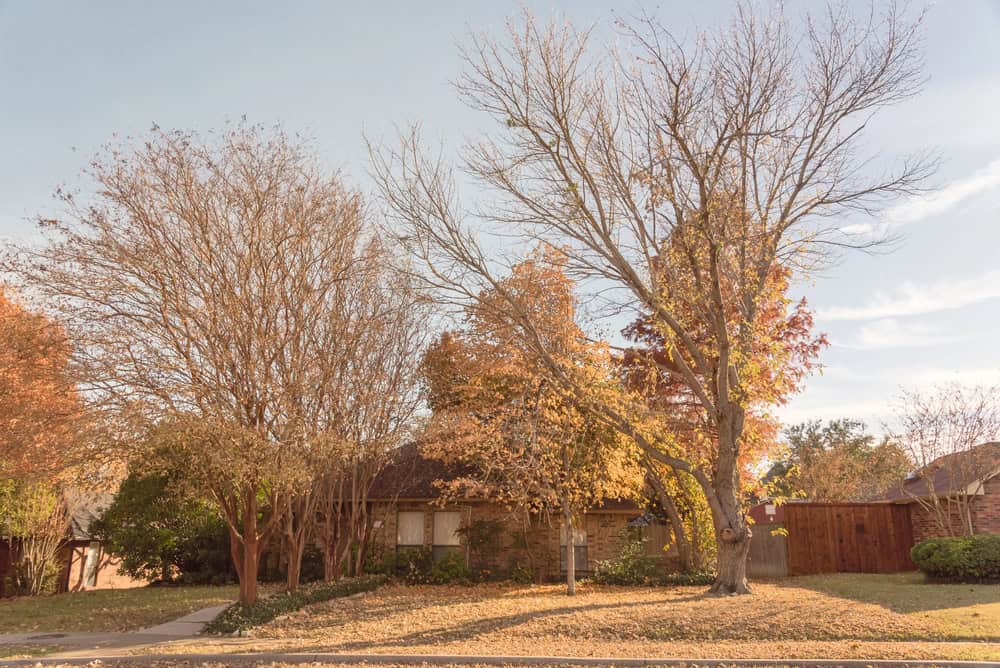
Dormant oil sprays are one of the best-kept secrets in plant health care, providing powerful protection for trees and shrubs against destructive pests and diseases. Applied …
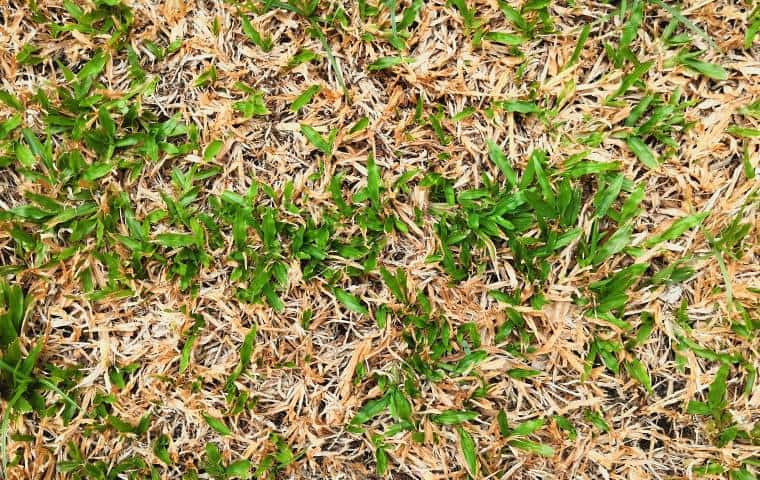
A lush, green, vibrant lawn is the crown jewel of any home, especially in Arlington. But did you know that the same factors that make your …

Tree girdling is one of the most widespread yet overlooked threats to commercial landscapes across Texas. Often called a “silent killer,” this condition slowly strangles trees …
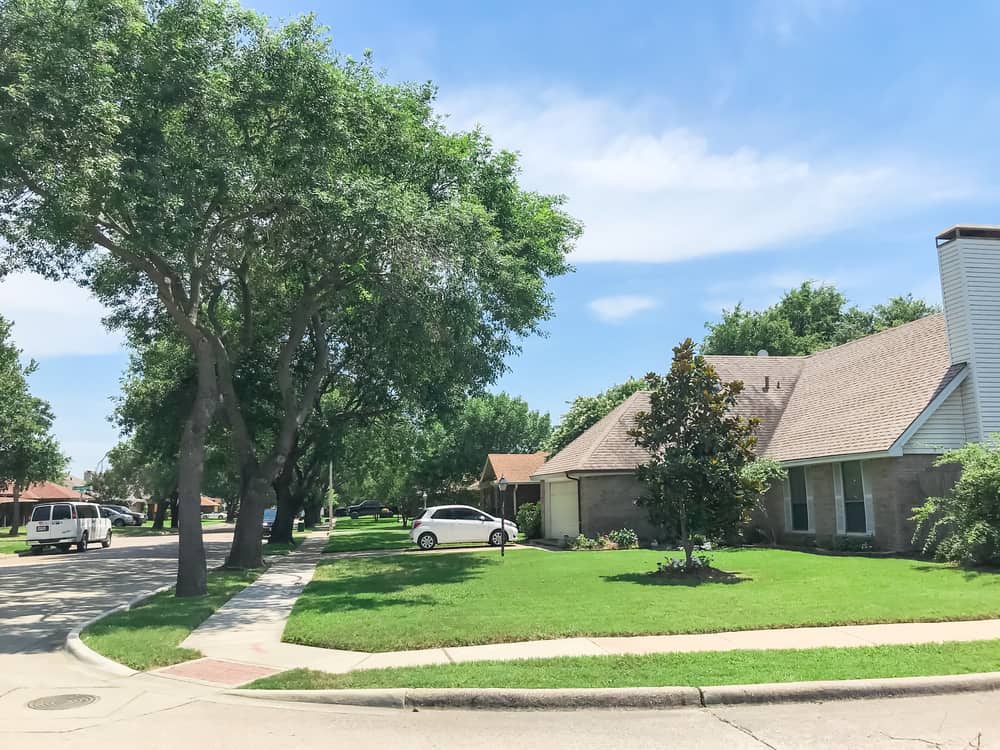
When it comes to creating a vibrant and inviting outdoor landscape in Arlington, Texas, planting the right trees can make all the difference. Not only does …

Texas landscapes are known for their extremely challenging clay-heavy soils. While clay holds nutrients well, its dense structure also traps water, creating ideal conditions for fungal …
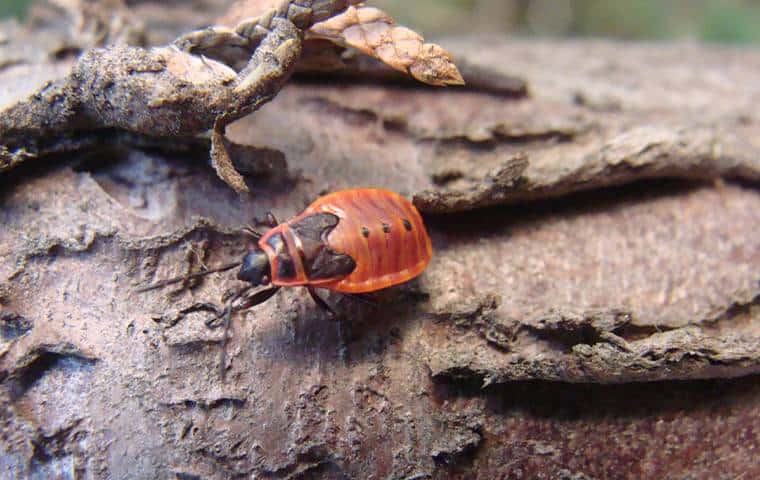
Arlington’s warm climate and long growing seasons create ideal conditions for chinch bugs to thrive. These tiny, fast-moving insects feed on the sap of grass blades …
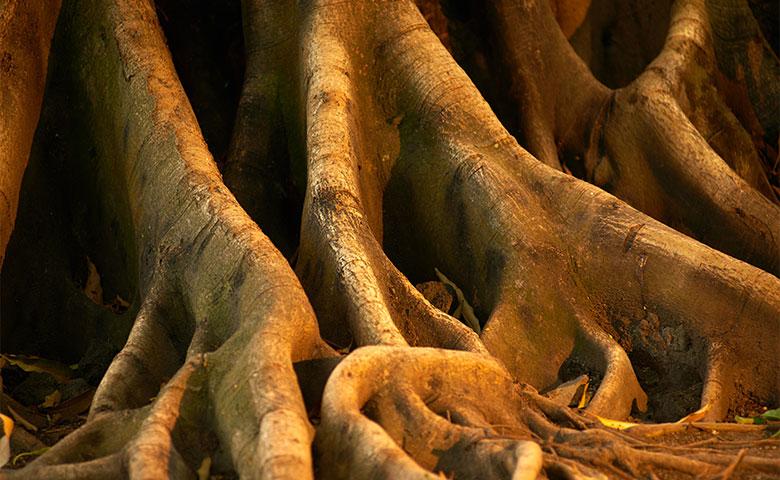
Arlington homeowners value their trees not only for the shade and curb appeal they provide but also for the sense of permanence and beauty they bring …
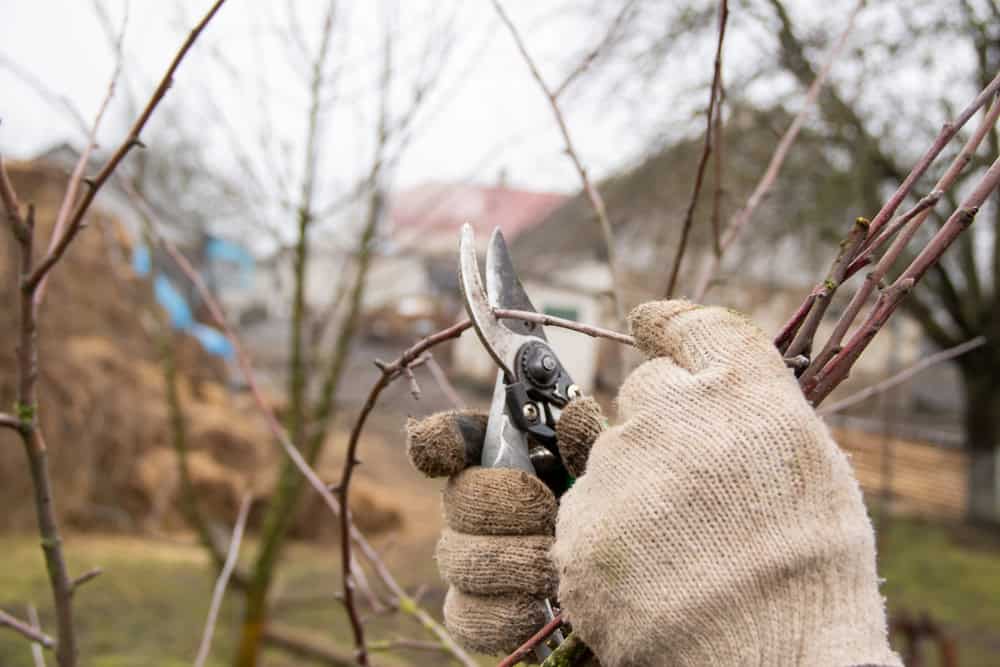
There’s nothing quite like the sight of a majestic tree anchoring your landscape, offering shade, beauty, and a sense of permanence. But when once-vibrant leaves begin …

Commercial properties in North Texas; from apartment complexes to schools, HOA communities, retail centers, and municipal parks, rely on mature, healthy trees. They provide more than …
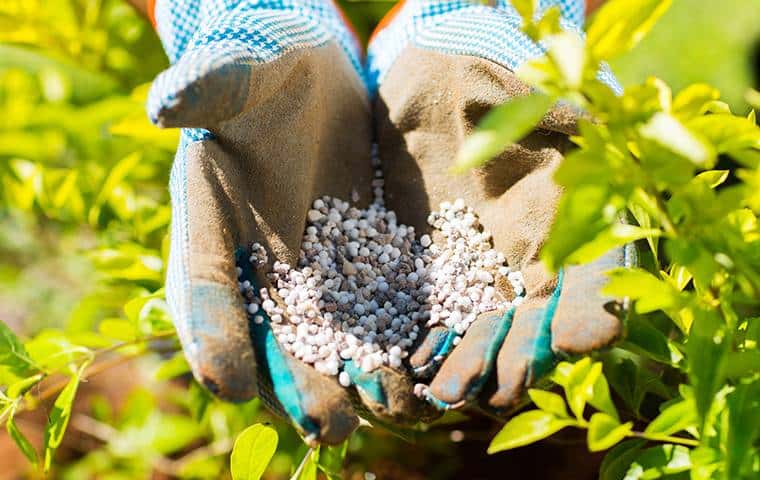
If it’s the middle of the summer and the leaves on the trees around your Arlington property are starting to change color or fall off, something …
Stay informed about lawn care, tree care and pest related issues in your area!
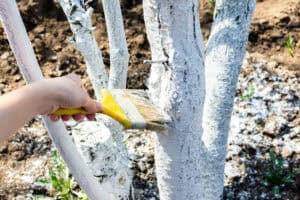
Protect Your Trees from Sunscald and Bark Damage As May arrives in the Dallas-Fort Worth area, homeowners begin to enjoy …
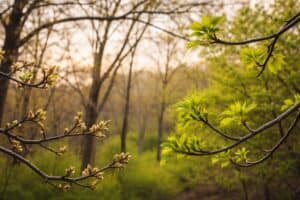
Why Trees Drop Leaves in May in the Dallas-Fort Worth Area If you’ve noticed leaves scattered across your lawn in …
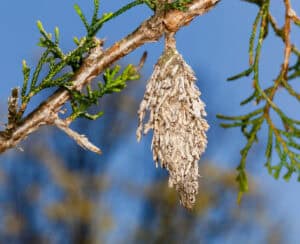
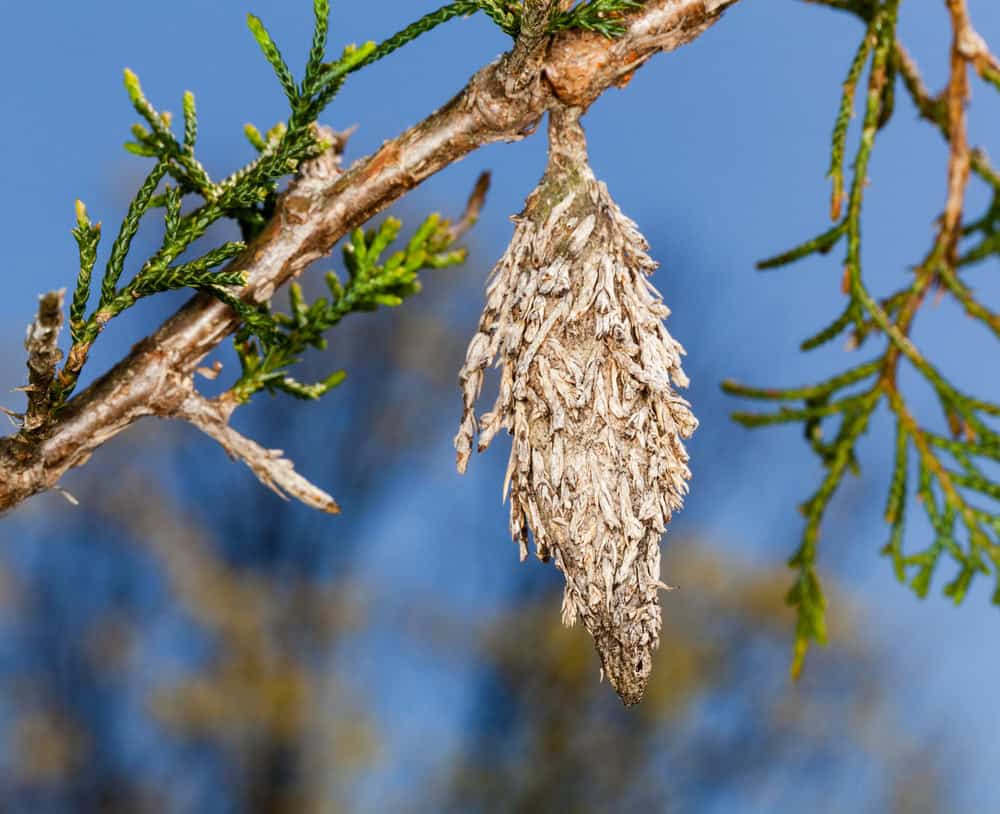
Identify and control bagworms before they damage your North Texas trees and shrubs this season.