

Cold weather brings a welcome break from buzzing mosquitoes, aggressive fire ants, and other warm-season pests but that doesn’t mean they’ve disappeared. In Tarrant County, winter is mild enough that most insects remain very much alive beneath the surface. Temperature swings, brief warm fronts, and the region’s heavy clay soils all create ideal conditions for pests to wait out the cold season.
Despite popular belief, most pests do not die in winter. Instead, they slow their metabolism, burrow deeper into soil, shelter inside bark or mulch, or move into structures where warmth and moisture are readily available. Some species even produce natural antifreeze proteins to survive freezing temperatures.
Understanding which insects and rodents remain active, and which ones are simply hiding, helps homeowners take proactive steps to protect lawns, ornamental shrubs, and trees. Winter is one of the most important times to monitor landscapes, because what happens now heavily influences the severity of spring infestations. By recognizing the myths, identifying true winter behaviors, and keeping an eye on overwintering pests, Tarrant County residents can reduce damage and protect their outdoor spaces long before the first warm spell of the year.
Why Winter Pest Myths Persist
Living in a region with intense summers can make winter feel pest-free, especially after the first hard freeze. But North Texas doesn’t stay consistently cold long enough to kill most insect populations. Instead, pests shift into survival mode and because that activity is less visible, homeowners assume they’ve disappeared.
Myths persist because:
People see fewer insects outdoors. Cold snaps slow insect metabolism, making them far less active on the surface. Even a brief drop into the 20s can temporarily suppress visible activity.
Many pests enter concealed overwintering phases. Insects such as aphids, scale, fire ants, and even termites simply relocate into protected zones. They survive inside mulch layers, tree bark, soil pockets, leaf litter, and structural voids.
Activity shifts from lawns to structures, mulch beds, and tree canopies. Pests don’t stop feeding: they just move where conditions are more stable. Rodents, termites, overwintering egg masses, and cold-hardy insects remain active out of sight.
Pest behavior becomes less noticeable, but not nonexistent. Reduced movement, smaller colonies, and slower feeding patterns create a false sense of security for homeowners.
Warm fronts trigger unpredictable activity. Winter in Tarrant County often includes sudden 60–70°F days. These brief warm-ups interrupt dormancy and can cause pests to emerge temporarily before retreating again.
The result? Homeowners assume pests "die off" when in reality they’re adapting, hiding, and preparing for spring. Winter becomes a quiet rebuilding period that often leads to early-season infestations once temperatures rise.
Do Pests Really Die in Winter?
The short answer: rarely.
North Texas winters simply aren’t harsh enough or long enough to eliminate most pest populations. While a hard freeze may temporarily reduce surface activity, the insects themselves continue surviving just beneath the cold layer. Most species have evolved effective overwintering strategies that protect them from freezing temperatures.
Winter in North Texas allows many insects to survive by:
Overwintering in soil or leaf litter: Soil provides natural insulation, especially in clay-heavy regions like Tarrant County. Temperatures just a few inches below the surface remain significantly warmer than the air.
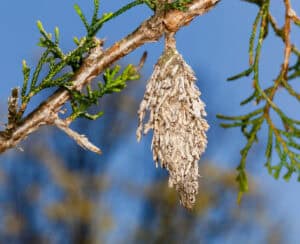
Hiding inside bark, mulch, and thatch layers: Mulch beds and bark crevices shield pests from wind and cold while preserving moisture. Scale insects, aphids, and mites often stay attached to twigs and branches in a dormant state.
Burrowing under foundations and patios: Fire ants, termites, and invasive roaches use structural warmth and soil pockets around foundations to stay protected.
Moving indoors for warmth and food: Rodents, cockroaches, and ants frequently migrate into attics, garages, wall voids, and storage areas during December and January.
Some insects even produce natural antifreeze compounds that prevent ice crystals from forming inside their bodies.
In other words, winter doesn’t wipe pests out: it simply pushes them into shelters where activity is hidden from view. This is why infestations can appear to “explode” in early spring: populations were quietly building all winter long.
Let’s break down the most common winter misconceptions and what really happens.
Common Winter Pest Myths Debunked
Myth 1: "A Hard Freeze Kills Mosquitoes"
Not in Texas.
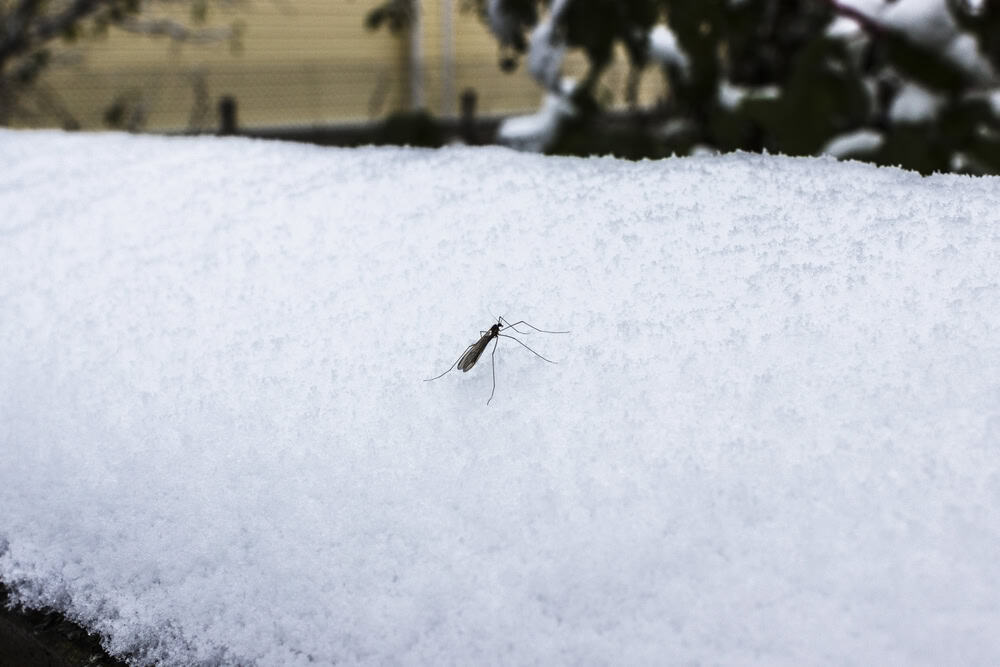
Mosquitoes are far more coldtolerant than most homeowners realize. While adult activity slows dramatically in winter, their eggs remain fully viable.
Reality:
- Mosquito eggs survive freezing temperatures and multiple freeze–thaw cycles.
- Many Texas species lay coldhardy eggs that remain dormant until spring rain triggers hatching.
- Standing water like birdbaths, gutters, planter saucers, still contributes to spring outbreaks.
- A warm winter weekend can briefly bring adults out of hiding.
Winter doesn’t eliminate mosquitoes; it simply delays them.
Myth 2: "Fire Ants Die When the Temperature Drops"
Fire ants actually move deeper into the soil, creating insulated chambers.
Reality:
- Colonies remain active underground.
- Warm winter days bring ants back to the surface.
- Untreated mounds grow rapidly in spring.
Myth 3: "Termites Stop Eating in Winter"
In Tarrant County’s clay-heavy soil, subterranean termites stay warm below the frost line.
Reality:
- Termite colonies feed year-round.
- Winter activity occurs deeper in the soil and inside structures.
- Warm days can send workers back into landscape beds.
If you see mud tubes in December, activity is still ongoing.
Myth 4: "Rodents Only Invade Homes in Fall"
While fall brings initial activity, winter keeps rodents extremely active.
Reality:
- Rats and mice continue nesting in mulch beds, HVAC voids, attics, and garages.
- Food scarcity increases chewing, tunneling, and root damage.
- Rodents pose risk to trees by stripping bark and feeding on roots.
See our Rodents page for prevention and treatment.
Myth 5: "Insects Can’t Survive Freezing Temperatures"
Many Texas pests produce antifreeze-like proteins that protect them from freezing.
Reality:
- Aphids, mites, and whiteflies overwinter on evergreens.
- Scale insects hide under protective shells.
- Cockroaches survive inside walls and crawlspaces.
This means landscapes need winter monitoring, not relaxation.
Pests That Remain Active in North Texas During Winter
Winter doesn’t eliminate pests: it simply changes how and where they operate. Many insects and rodents shift from high-visibility activity to hidden survival patterns that allow them to rebound quickly once temperatures rise. In a climate like Tarrant County, where freezes are brief and warm spells are common, several key pests remain active throughout the season.
1. Aphids and Scale Insects
These soft-bodied insects and protective-shelled pests thrive on evergreens and woody ornamentals. They don’t disappear in winter, they simply slow down and shelter on plant stems and leaves.
Common overwintering hosts include:
- Hollies
- Photinias
- Magnolias
- Live oaks and red oaks
Winter activity may be subtle, but their feeding can still cause:
- Sticky honeydew on leaves
- Sooty mold development
- Curling or distortion of new growth in early spring
Dormant-season treatments are especially effective against these pests because colonies are exposed and less mobile.
2. Spider Mites
Spider mites remain one of North Texas’ most persistent winter pests. While their activity slows in cold weather, they quickly surge during warm winter afternoons.
They commonly remain active on:
- Junipers
- Arborvitae
- Lantana during warm spells
Dusty, dry winter conditions can intensify mite activity, leading to:
- Stippling or bronzing on evergreen foliage
- Premature needle drop
Mites are tiny and easily overlooked, making winter inspections vital.
3. Grubs
Grubs burrow deep into soil layers to escape cold temperatures. While they move more slowly in winter, they remain alive and continue feeding at reduced rates.
Key points:
- Deep soil pockets stay warm enough for survival.
- Grubs re-emerge near the surface in early spring.
- Winter survival leads to turf thinning and root damage by March.
Preventive grub treatments in late summer or fall help minimize winter populations.
4. Fire Ants
Fire ants never truly go dormant: they simply move deeper into their mounds.
Winter behavior:
- Colonies stay active in insulated soil chambers.
- Warm spells trigger quick surface activity.
- Winter consolidation makes mounds easier to target with professional treatments.
Rapid rebound in spring is common when mounds are not treated during colder months.
5. Rodents
Winter is peak rodent activity season in North Texas. As food sources decline and temperatures fluctuate, rodents move closer to structures and protected landscapes.
Increased nesting activity occurs around:
- Mulch beds (ideal for burrowing and cover)
- Air conditioning units (warmth and shelter)
- Garages, attics, and storage areas (food access)
Rodents can:
- Chew irrigation lines
- Strip bark from young trees
- Tunnel directly through root zones
Proactive winter monitoring helps reduce costly landscape and structural damage.
6. Termites
Subterranean termites remain active all winter long thanks to North Texas’ clay soil, which retains warmth below the frost line.
Winter termite habits:
- Colonies stay insulated underground.
- Feeding continues inside soil layers, stumps, or structural wood.
- Warm days can trigger foraging into mulch beds, foundations, and flowerbeds.
Even in January, visible mud tubes are a sign of ongoing activity, not past damage.
Winter pests don’t disappear: they adapt. Understanding these behaviors helps homeowners protect their landscapes and prepare for early-season outbreaks.
Winter Pest Pressure on North Texas Landscapes
Even when pests seem inactive, winter is one of the most influential seasons for shaping the health of landscapes in Tarrant County. Cold snaps, warm fronts, and moisture fluctuations create ideal conditions for pests to overwinter unnoticed. Because these insects and rodents continue feeding, nesting, or multiplying beneath the surface, winter often becomes the silent setup period for spring infestations.
Many homeowners assume winter offers a break from pest pressure, but the opposite is often true. Hidden activity during December, January, and February allows pests to establish themselves without interruption, making early spring explosions far more likely.
Hidden winter activity can lead to:
• Early aphid blooms in February: Overwintering eggs and small colonies can expand rapidly with the first warm spell, coating new growth with honeydew and causing leaf distortion.
• Scale damage on hollies and magnolias: Scale insects remain attached all winter, feeding slowly but steadily. By spring, heavy infestations may cause yellowing, leaf drop, and branch decline.
• Grub-related turf thinning in March: Grubs continue feeding on turf roots in the warmer soil layers. By early spring, lawns may show patchy thinning or increased wildlife digging.
• Fire ant expansion before summer: Winter consolidation keeps colonies concentrated and protected. As soil warms, untreated colonies can rapidly spread and form satellite mounds.
• Spider mite outbreaks as temperatures rise: Mild winter days allow mites to stay active. By April, damage often appears suddenly, especially on junipers, arborvitae, and drought-stressed plants.
Winter doesn’t eliminate pest risk, it amplifies it. Proper monitoring and prevention during the colder months helps disrupt pest cycles, reduce population growth, and protect landscapes from costly treatments once spring arrives.
How Homeowners Can Reduce Winter Pest Pressure
Winter pest prevention isn’t about eliminating insects: it’s about reducing the conditions that allow them to survive and multiply. With North Texas’ unpredictable winter climate, taking a proactive approach helps protect trees, shrubs, and turf before spring populations explode. A few targeted steps now can significantly lower the risk of infestations later.
1. Maintain Clean Landscape Beds
Debris buildup becomes prime real estate for overwintering pests. Dense layers of organic material trap warmth and moisture, giving insects and rodents ideal hiding places.
Remove:
- Leaf litter and fallen foliage
- Acorns and seed debris
- Excess mulch or thick thatch layers
Keeping beds clean reduces the sheltered pockets where grubs, aphids, mites, and rodents settle during winter.
2. Inspect Evergreens Regularly
Evergreen shrubs: especially hollies, magnolias, and junipers, remain active hosts for winter pests.
Look for:
- Sticky residue (honeydew), a sign of aphids or scale
- Sooty mold growing on leaves or stems
- Tiny moving insects on the underside of foliage
- Yellowing, bronzing, or thinning areas of plant tissue
Early detection helps prevent small winter populations from becoming full infestations by February.
3. Keep Mulch 3–6 Inches Away From Trunks
Mulch is beneficial, but too much, or mulch placed directly against trunks, can create pest harborage.
Proper mulch spacing helps:
- Reduce rodent nesting at the base of trees and shrubs
- Prevent moisture buildup that attracts insects
- Improve air circulation around root flares
This simple adjustment dramatically lowers winter pest activity around ornamentals.
4. Improve Soil and Bed Drainage
Wet, compacted soil creates ideal environments for root-feeding insects, fungal pathogens, and opportunistic rodents.
Improving drainage can involve:
- Adding soil amendments to break up clay
- Correcting low spots around foundations or beds
- Ensuring gutters and downspouts aren’t flooding planting areas
Healthy, well-drained soil keeps pests from settling in during winter dormancy
5. Schedule a Professional Winter Inspection
Winter is the best time for an expert to identify hidden problems. With foliage thinner and pest activity more concentrated, professionals can detect issues homeowners often miss.
ISA-certified arborists can spot early signs of:
- Scale insects clustering on stems and branches
- Termite shelter tubes near foundations or mulch beds
- Mite activity on evergreens and shrubs
- Rodent tunneling or bark damage
A winter inspection sets the stage for a healthier, more resilient landscape going into spring.
When to Call a Professional
Winter is often when hidden pest issues first reveal themselves, and the earlier they’re addressed, the easier, and less expensive they are to resolve. Because many winter pests operate beneath the surface or within plant canopies, subtle signs can quickly escalate into major spring infestations if left untreated.
You should call a professional if you notice any of the following warning signs:
• Sticky residue on plants: A sign of aphids or scale insects feeding and producing honeydew.
• Chewed bark or soil tunneling: Indicates rodent activity or underground insect movement around roots.
• Ant mounds near foundations: Fire ants remain active through winter and may begin expanding early.
• Discoloration on evergreens: Yellowing, bronzing, or thinning can point to mites, scale, or environmental stress.
• Unusual insect clusters: Overwintering pests may gather in protected areas before spreading in spring.
When these symptoms appear, it’s time for expert support, not guesswork.
What Professional Pest Control Teams Can Do
Hiring experienced tree and pest specialists during winter ensures hidden issues are identified early and addressed properly.
Professionals can:
- Identify overwintering sites for insects and rodents that homeowners often miss
- Apply targeted dormant-season treatments for scale, aphids, and other insects when they are most vulnerable
- Protect ornamental shrubs, evergreens, and young trees from winter stress and pest damage
- Build a customized prevention plan that stops early spring outbreaks before they begin
Exploring our Pest Library or Tree and Shrub Pest Control page provides even more detailed guidance on identifying and treating winter and early spring pest issues.
Preparing for Spring: Why Winter Pest Management Matters
While spring is when most homeowners begin noticing pests, the real groundwork for pest pressure is set during the winter months. December through February offer a strategic window to break pest cycles before populations rebound with warmer temperatures. Because so many insects and rodents overwinter in soil, mulch, and plant canopies, winter is the ideal time to interrupt their survival patterns.
Proactive winter management helps:
• Reduce early-season outbreaks: Treating pests while they are dormant or consolidated makes it easier to prevent the explosive population growth that often occurs in February and March.
• Protect young trees and shrubs: Newly planted landscapes are highly vulnerable to winter feeding from rodents, scale insects, and mites. Winter care helps safeguard their developing root systems and branches.
• Prevent nutrient loss from pest feeding: Even low-level winter feeding can sap energy from trees and shrubs, leaving them weakened when spring growth begins.
• Strengthen plant health before spring growth: Addressing pests early ensures plants can put their energy into new foliage, blooms, and root development rather than recovering from damage.
• Lower long-term pest control costs: Winter treatments are often more effective and require fewer follow-up applications, reducing overall spending on pest suppression throughout the year.
Healthy spring landscapes begin with smart winter pest prevention. By taking action now, homeowners can significantly reduce the risk of sudden infestations, promote strong spring growth, and maintain resilient outdoor environments all year long.
Winter Pests Final Thoughts
Winter may feel quiet, but the pests in North Texas are far from gone, they’re simply hidden. While many homeowners assume cold weather provides a natural break, the reality is that winter is one of the most important seasons for protecting your landscape. Overwintering insects, rodents, and soil-dwelling pests use this time to regroup, conserve energy, and position themselves for rapid population growth as soon as temperatures rise.
By taking proactive steps now: monitoring evergreens, clearing beds, improving drainage, and addressing early signs of pest activity, you can dramatically reduce the risk of spring infestations. Healthy, vibrant spring landscapes don’t happen by accident. They start with smart winter pest management and early-season planning.
If you want peace of mind going into spring, now is the time to act.
Protect Your Landscape Before Spring Arrives
Trees Hurt Too Inc. offers comprehensive winter pest inspections, dormant-season treatments, and year-round support designed specifically for North Texas climates and soil conditions. Our ISAcertified arborists know exactly where pests hide during winter and how to stop them before they become costly problems.
Whether you’re concerned about scale, mites, termites, fire ants, or rodent activity, our team can:
- Identify hidden overwintering sites
- Target pests when they’re most vulnerable
- Protect your ornamentals, turf, and young trees
- Build a customized prevention plan for spring
Don’t wait for pests to surface. Protect your landscape now and ensure a healthier, stronger, more resilient property this spring. Contact Trees Hurt Too Inc. today to schedule your winter inspection.