

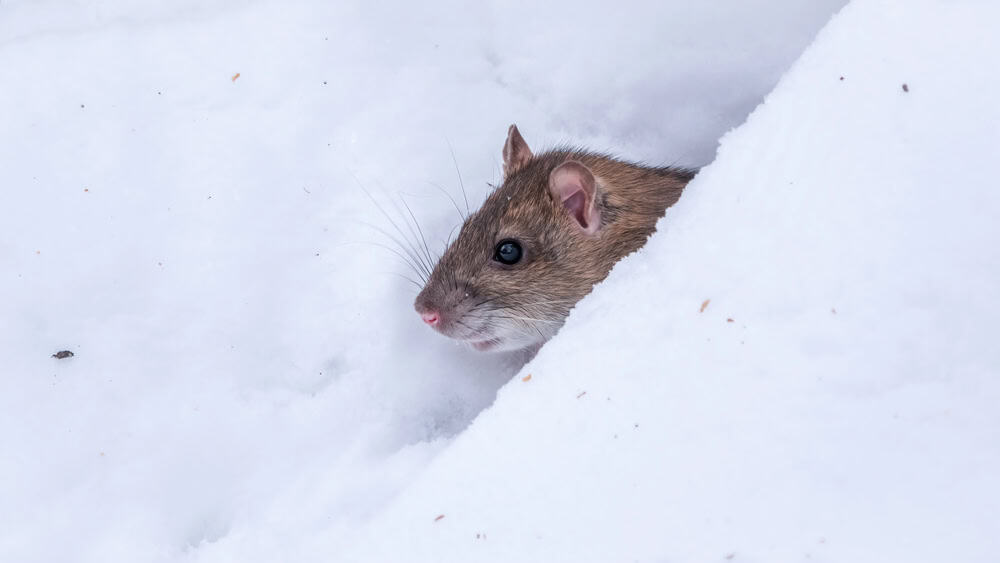
December may feel quiet above ground, but below the surface of your landscape, winter rodents are busier than ever, and far more destructive than most homeowners realize. As the first real cold fronts settle into North Texas, these pests rapidly shift from their fall foraging routines into full winter survival mode. This transition leads to an abrupt spike in rodent movement across residential and commercial properties throughout Tarrant County. As temperatures drop across North Texas, especially in Tarrant County, rats, mice, and voles begin seeking warmth, food, and shelter. They quickly gravitate toward landscapes because mulch beds and plant root systems naturally trap warmth, creating pockets of insulation that stay several degrees warmer than surrounding air. Even small daytonight temperature shifts are enough to send rodents searching for these protected microenvironments.
What many homeowners don’t realize is that their mulch beds, root zones, and ornamental shrubs become highrisk areas for winter nesting and feeding. Once rodents move into these areas, they begin tunneling through loose soil, stripping bark, chewing feeder roots, and damaging irrigation components: all activities that often go unnoticed until plants show stress months later.
Understanding how winter rodents behave and why December triggers increased activity is the key to protecting your trees and landscape investments. By recognizing these earlyseason patterns, property owners can take proactive steps to prevent root damage, shrub dieback, and longterm landscape decline before rodent activity peaks in late winter.
Why Rodent Activity Spikes in December
While summer pests may slow down in cooler weather, winter rodents in Texas shift into intense survival mode. December marks the turning point when temperatures dip consistently enough to force rodents out of open areas and into protected landscapes. In North Texas, where warm afternoons can be followed by sudden nighttime freezes, rodents respond quickly to these fluctuations, searching for stable environments where they can safely nest and feed.
The combination of inconsistent temperatures, shrinking natural food sources, and the availability of warm, insulated landscape features makes December one of the most active months for rodent movement across Tarrant County properties.
Cooler Temperatures Drive Rodents Underground
North Texas winters rarely bring prolonged freezes, but even short cold snaps send rodents scrambling for protected ground-level habitats. Mulch beds, loose soil, groundcovers, and the root zones of established trees trap warmth and hold moisture, creating ideal microclimates for nesting.
Rodents are drawn to:
- Warm soil around tree roots, especially where irrigation lines create additional heat
- Thick mulch layers that act like natural insulation
- Dense shrubs that block wind and predators
- Landscape beds near foundations, where building heat radiates into the soil
Even a few degrees of added warmth can be the difference between survival and exposure, making these locations prime winter shelters.
Decreasing Natural Food Sources
By December, nature’s buffet has been dramatically reduced. Seeds, acorns, berries, and insects that were plentiful during fall become scarce. As a result, rodents shift their diets toward readily available landscape materials.
Rodents begin feeding on:
- Tender feeder roots of trees and ornamental plants
- Bark and stem tissue from young or stressed trees
- Newly planted shrubs that have not fully hardened off for winter
- Dripirrigated beds that stay moist and warm, supporting root growth, creating appealing feeding sites
This shift in diet makes trees and ornamental beds especially vulnerable during the early winter season, often leading to damage that doesn’t show until spring.
Increased ShelterSeeking Behavior
Shelter is a top priority for rodents during December. Cold winds, predators, and inconsistent temperatures drive them to search for thick, insulated environments where they can safely nest and raise winter litters.
Landscapes with heavy vegetation or deep mulch provide excellent cover, especially in properties that have not been winter-prepped.
Common hiding spots include:
- Mulch beds (particularly those with deep layers that trap heat)
- Leaf piles and organic debris left over from fall
- Stacked firewood or lumber stored along fences or walls
- Dense shrubs, evergreen hedges, or untrimmed foundation plantings
- Areas near irrigation systems, where warmth and moisture accumulate
Once rodents establish a shelter site in December, they often remain throughout winter, increasing the risk of root damage, bark gnawing, and long-term plant stress.
Mulch Beds: A Winter Hotspot for Rodents
When discussing rodents in mulch beds, December is peak season. As the first sustained cold fronts reach North Texas, mulch becomes one of the most attractive hiding spots for rats, mice, and voles. Mulch acts as a natural insulator, holding warmth in the soil and locking in moisture—two elements that are critical for rodent survival during winter. In Tarrant County landscapes, where temperature swings are common, mulch beds often stay significantly warmer than surrounding turf or open ground, making them ideal winter shelters.
Why Mulch Beds Attract Rodents
Rodents gravitate toward mulch for several reasons, especially when December brings colder nights and reduced food availability.
Mulch beds offer:
- Stable ground temperatures that prevent freezing and allow rodents to stay active
- Protection from predators thanks to thick material that conceals movement
- Easy burrowing conditions where rodents can quickly tunnel or expand preexisting pathways
- Consistent moisture retention, which supports root growth and provides softer soil for nesting
While mulch offers undeniable benefits for plant health, excessive mulch depth or neglected beds unintentionally create perfect rodent habitats. Beds with more than 3 inches of mulch, compacted leaf litter, or dense shrubs nearby are especially highrisk.
Common Signs of Rodent Activity in Mulch Beds
Before significant plant damage occurs, rodents typically leave behind early indicators. Homeowners who monitor their beds during winter are far more likely to catch rodent issues before spring dieback appears.
Look for:
- Tunnels or small entrances in mulch, often near tree bases or shrubs
- Chewed stems near ground level, where rodents feed on tender bark
- Damaged young shrubs, especially those recently installed
- Disturbed soil or burrow holes along drip lines or walkway edges
- Gnaw marks on bark or irrigation drip lines, often caused by rodents seeking moisture or sharpening teeth
If these signs appear, early intervention is essential to prevent long-term root damage and widespread nesting throughout your landscape.
How Winter Rodents Damage Trees and Shrubs
Rodents target trees and shrubs for both food and shelter, and winter is the season when their feeding behavior becomes most aggressive. Even mature trees can experience stress from gnawing, root loss, and tunnel disruption underneath the soil.
Root Damage
Voles and other burrowing rodents chew through feeder roots during winter, when underground plant structures are vulnerable and less active. This can lead to:
- Reduced nutrient uptake, weakening the tree heading into spring
- Spring dieback, especially in young or recently transplanted trees
- Increased drought stress, common in North Texas clay soils
- Greater susceptibility to fungal diseases, including root rot and wilt pathogens
Because this damage occurs underground, most homeowners don’t recognize the problem until the plant begins to decline months later.
Bark Chewing and Girdling
Rodents often chew the bark around the base of young trees, especially those with thin or tender bark. In severe cases, this chewing can form a complete ring, called girdling, around the trunk.
When this happens:
- Nutrient flow is disrupted
- The tree becomes structurally unstable
- Permanent decline or total loss can occur
This type of damage is most common during December and January, when rodents are searching aggressively for food.
Nest Building in Shrubs
Evergreen shrubs: especially yaupon holly, boxwood, and juniper, are common winter nesting sites. Their dense canopies offer excellent protection from wind, predators, and temperature swings.
Rodents may:
- Build nests deep within the canopy
- Chew stems and interior branches
- Damage root systems while tunneling beneath shrubs
- Create runways through surrounding mulch beds
When nests are built near foundations, fences, or storage areas, rodent populations can quickly spread to structures, increasing both landscape and home-related risks.
Landscape Rodent Prevention Strategies for December
Reducing rodent activity in winter begins with seasonal landscape preparation. December is the ideal time to make adjustments because rodents are actively searching for winter nesting sites. Small improvements to mulch depth, vegetation management, and food source control can dramatically lower the chances of rodents settling into your beds for the season.
1. Start With Proper Mulch Management
Mulch is essential for plant health, but when applied incorrectly, it becomes a magnet for rodents. Winter is the most critical time to revisit mulch depth and distribution.
Best practices include:
- Maintain mulch at 2–3 inches deep to support plants without creating tunneling habitats
- Keep mulch pulled back from trunks by 3–6 inches to prevent bark moisture issues and discourage burrowing
- Avoid piling mulch directly against foundations, walls, or fences, which creates warm, protected runways
Proper mulch management reduces hiding spots, limits heat retention, and discourages rodents from forming underground tunnel networks.
2. Reduce Excess Vegetation Around Trees
Overgrown beds become rodent highways, allowing pests to move from one area to another without being exposed to predators.
For December prep:
- Prune shrubs to increase airflow and limit hiding spaces
- Remove fall leaf buildup to reduce nesting material
- Cut back perennials and groundcovers that have become dense or matted
Rodents thrive in thick, shaded environments so thinning beds disrupts their movement and discourages settlement.
3. Improve Soil and Bed Drainage
Moist soil retains warmth more effectively than dry soil, making it especially appealing to rodents during winter.
Improving drainage helps reduce burrowing by:
- Preventing warm, moist soil pockets
- Reducing root-softening conditions that attract feeding
- Minimizing frost heaving that exposes fresh soil for rodents to exploit
If beds stay wet for long periods after a rain, consider adding soil amendments or checking irrigation lines for leaks.
4. Secure Food Sources
December’s natural food decline pushes rodents toward human-provided food sources, many of which are unintentionally scattered throughout the landscape.
Remove or protect:
- Fallen acorns and fruit, which draw rodents directly into tree root zones
- Bird seed from feeders, a top attractant during winter scarcity
- Pet food stored outdoors, including bags kept in garages or sheds
Eliminating these food sources steers rodents away from ornamental beds and reduces the likelihood of nesting.
5. Inspect Mulch Beds Regularly
Weekly winter inspections are one of the most effective prevention strategies. Rodent activity is easier to detect early in the season before burrows become complex.
Look for:
- Tunnels or raised pathways beneath mulch
- Droppings near shrubs or tree bases
- Disturbed mulch that exposes bare soil
- Area depressions or soft soil, often caused by underground burrowing
These early signs should prompt immediate action to prevent long-term damage.
6. Protect Young Trees
Young and newly planted trees are especially vulnerable because their bark is thin and their root systems are not fully established.
Protecting them may include:
- Installing plastic or mesh tree guards around lower trunks
- Using hardware cloth buried a few inches into the soil to prevent root-zone damage
- Checking guards regularly for chewing or displacement
Preventing gnaw damage now keeps young trees from suffering spring dieback.
7. Manage Irrigation for Winter
Warm, moist soil is a significant attractant for rodents during December. Irrigation systems that run too frequently create ideal conditions for feeding and burrowing.
Winter irrigation best practices:
- Reduce watering frequency to match seasonal plant needs
- Shut down unnecessary drip zones in dormant beds
- Check for leaks that may be warming soil or saturating mulch
By keeping soil appropriately dry and cool during winter, you make your property far less appealing to rodents seeking warmth and moisture.
When to Call Professionals for Winter Rodent Issues
Winter rodent activity can escalate quickly, and once rodents establish nests in mulch beds or begin feeding on tree roots, the damage often goes deeper than most homeowners can see. While early signs may appear minor, rodents can compromise root systems, weaken shrubs, and create long-term soil disruption that affects plant health well into spring. When tunneling, shrub decline, or repeated activity becomes noticeable, it's time to bring in trained professionals.
Professional arborists and pest specialists understand the unique behavior of winter rodents in North Texas landscapes. They can identify subtle activity that is easy to overlook, assess how far rodents have tunneled beneath your beds, and implement treatments designed specifically for our region’s soil and climate.
What Professional Rodent Management Can Provide
Through comprehensive rodent management programs, experts can:
- Identify burrowing patterns across mulch, turf, and root zones to determine the extent of activity
- Apply targeted treatments that eliminate rodents effectively without harming desirable plants or soil structure
- Protect root zones and ornamental shrubs with habitat modification, strategic barriers, and selective deterrents
- Reduce long-term damage to your trees by preventing further root loss and stabilizing soil conditions
- Evaluate irrigation, mulching, and bed placement to correct landscape conditions that may be attracting rodents
- Recommend long-term landscape adjustments to discourage future burrowing and protect plant health
Because rodents often operate entirely underground, professional inspections ensure that problems are fully addressed—not just the symptoms visible at the surface.
For more information about rodent control, visit our pest library
To strengthen plant health and reduce rodent susceptibility, explore our Tree and Shrub Care services, which support root recovery, soil health, and year-round plant resilience.
Why December Rodent Prevention Matters for North Texas Landscapes
Winter rodent activity doesn’t fade on its own. If rodents establish nests in December, they typically remain through early spring, feeding on roots and stems during the entire dormant season.
By acting early, you can:
- Reduce plant stress
- Prevent winter dieback
- Avoid costly spring replacements
- Protect young trees and shrubs
- Maintain healthier soil and landscape structure
Early prevention saves time, money, and plant life.
Winter is the most critical season for rodent prevention in North Texas. If you’re noticing tunneling, shrub damage, or unusual winter dieback, now is the time to act. Protect your property by addressing rodent activity before spring growth begins.
Contact Trees Hurt Too for winter landscape inspections, treatment solutions, and seasonal tree and shrub care programs tailored to Tarrant County conditions.