

Winter in North Texas rarely behaves like winter anywhere else. Just as trees begin settling into dormancy after the first few cold fronts, an unexpected warm spell can sweep in, sending temperatures soaring into the 70s or even low 80s. While the mild weather may feel pleasant, these sudden warm-ups can trigger significant stress for your landscape, especially your trees.
Understanding how a winter warm spell in Texas affects tree dormancy is crucial for preventing long-term damage, avoiding premature bud break, and keeping your landscape healthy through unpredictable weather patterns.
Why Dormancy Matters for North Texas Trees
Dormancy is a natural survival mechanism that allows trees to slow their metabolic processes, conserve stored energy, and protect sensitive tissues from freeze damage. During this phase, growth pauses, water movement decreases, and the tree focuses entirely on winter survival. In many regions, consistent cold keeps trees in a predictable dormant cycle.
But in North Texas, consistency is rarely part of the equation.
Trees here rely on steady cooling periods, known as chilling hours, to maintain stable dormancy. These hours help regulate hormonal shifts, prevent premature bud activity, and trigger the right timing for spring growth. However, the Fort Worth–Dallas region frequently experiences dramatic temperature swings: a hard freeze followed by a sunny 78-degree afternoon just days later.
These sudden warm spells send confusing signals, interrupting the tree’s internal rhythms:
- Hormone signals shift prematurely, telling the tree it’s time to wake up.
- Buds start to swell long before winter is over, becoming highly vulnerable to the next freeze.
- Water uptake increases even though soils may still be cold, compacted, or extremely dry from fall drought.
- Stored energy begins to be used months too early, reducing reserves needed for spring growth and recovery.
This instability significantly increases dormant break risk: especially for young trees, flowering species sensitive to temperature cues, and any tree already stressed by drought, pests, or fungal disease.
How Winter Warm Spells Trigger Dormant Break Risk
Sudden winter warm-ups disrupt the biological signals that keep trees safely dormant through cold weather. When temperatures rise sharply in early December, trees receive mixed cues that can cause premature growth activity, depleted energy reserves, and higher vulnerability to freeze damage. Here’s how each factor contributes to dormant break risk in North Texas.
1. Premature Bud Swelling
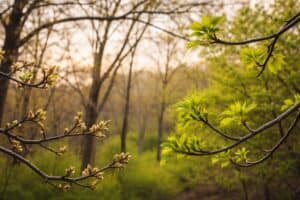
Warm temperatures can trick your trees into thinking spring has arrived. Even just two or three days of unseasonably warm weather can jump-start internal hormonal processes that begin pushing buds out of dormancy.
Once buds begin to swell, they become extremely fragile. These tender tissues have little tolerance for returning cold fronts, which are almost guaranteed in North Texas.
Even a mild freeze after bud swelling can:
- Kill new growth before it fully develops
- Cause leaf drop or delayed leaf-out in spring
- Reduce flowering and fruiting on ornamental and fruiting trees
- Lead to long-term limb dieback, especially in young or stressed trees
Because warm spells are typically followed by hard freezes in our region, early bud swell is one of the most dangerous consequences of winter heat waves.
2. Energy Loss During a Critical Time
Trees store carbohydrates during fall to survive winter and power the explosive growth that occurs in early spring. These reserves act like a fuel tank, supplying energy for healing, leaf production, and root activity.
When a warm spell hits, trees may prematurely activate growth processes, burning through their stored energy months too early. This early consumption doesn’t provide any real benefit because the cold inevitably returns.
Once temperatures drop again, affected trees may not have the energy needed to:
- Reflush leaves after freeze damage
- Heal frost-cracked bark or branch wounds
- Resist pests such as borers that target weakened trees
- Push normal spring growth
This can lead to thin canopies, slow leaf-out, stunted growth, and long-term health decline.
3. Increased Moisture Demand in Dry Soil
North Texas often experiences winter dry spells, especially after dry fall seasons. When temperatures spike during a warm spell, transpiration increases, trees start moving water upward and outward as if it were spring.
But winter soil conditions aren’t usually ready to support that demand.
Cold, compacted, or moisture-depleted soils cannot replenish water quickly enough, leading to:
- Root dehydration
- Reduced cold hardiness (dry trees freeze faster)
- Higher susceptibility to fungal infections like root rot and canker diseases
This combination weakens the tree right before another cold front arrives, increasing the likelihood of winter injury.
4. Hard Freeze Damage After a False Start
The biggest threat of all comes from the sequence itself: a warm spell followed by a sudden late-December or early-January cold snap.
Freeze-thaw cycles stress trees in ways they cannot quickly adapt to.
A warm spell followed by a hard freeze can:
- Crack bark as tissues rapidly expand and contract
- Injure or kill cambium layers responsible for nutrient transport
- Destroy early buds and new tissues
- Stress root systems unable to absorb adequate moisture
- Increase susceptibility to long-term decline, pests, and diseases
Warm spells don’t just confuse trees: they set them up for winter injury. And because North Texas weather patterns frequently shift from warm to freezing in just 24–48 hours, these risks compound quickly for local landscapes.
Trees Most at Risk During a Winter Warm Spell in Texas
Not all trees respond the same way to sudden temperature swings. Some species have builtin tolerance to fluctuating conditions, but many trees common in North Texas landscapes are far more vulnerable to warmcold cycles. Understanding which trees face the highest risk helps homeowners prioritize protection and monitoring during December warm spells.
Flowering Trees
Flowering ornamentals are especially sensitive to temperature cues. These species often begin preparing for spring early, making them highly susceptible to premature bud swelling.
Common atrisk species include:
- Pear (Bradford and hybrid varieties): Known for early budding and structural weakness, making freeze damage more severe.
- Redbud: One of the first trees to bloom in spring; warm spells can trigger extremely early bud activity.
- Mexican plum: Highly responsive to warm temperatures and prone to losing early flower buds during return freezes.
- Ornamental cherry and peach: These trees require consistent chilling hours; temperature swings easily disrupt normal blooming cycles.
For flowering trees, even a few warm days can cause buds to swell and ultimately fail, reducing spring color and weakening overall canopy growth.
Evergreens
While evergreens retain foliage yearround, they are not immune to winter warm spells. Instead of bud issues, they suffer from internal moisture imbalance and decreased cold hardiness.
Evergreens at highest risk:
- Live oak: Stays active longer into winter and begins root activity early during warm periods.
- Yaupon holly: Sensitive to sudden moisture changes; warm spells can trigger water loss and leaf discoloration.
- Red oak (especially if stressed): Red oaks experiencing drought, compaction, or pest pressure may struggle to manage rapid temperature shifts.
Evergreens often show stress later, sometimes weeks or months after the weather event, making proactive care essential.
Young or Newly Planted Trees
Trees planted within the last three years are far less stable during winter warm spells because they:
- Have shallow, undeveloped root systems
- Struggle to regulate water usage
- Lack stored carbohydrates needed to handle stress
Warm spells cause them to burn through energy reserves quickly, leading to dieback, slow spring growth, or even complete failure if another freeze follows.
Trees Recovering From Stress or Disease
Any tree that battled environmental or biological stress during the growing season is at higher risk for winter warmspell damage.
This includes trees recovering from:
- Drought stress (very common across North Texas)
- Borer or scale infestations
- Root damage from construction or heavy equipment
- Nutrient deficiencies
- Fungal diseases like canker, root rot, or leaf spot
Because these trees already have reduced energy reserves and impaired defense systems, fluctuating temperatures make recovery more difficult. Warm spells can push weakened trees into early growth, only for the next freeze to cause even deeper decline.
How to Protect Your Trees During December Warm Spells
Even though you can’t control the weather, there are many effective steps you can take to minimize the impact of sudden winter warm-ups on your trees. December warm spells are increasingly common in North Texas, and proactive care can significantly reduce dormant break risk, moisture stress, and freeze damage. Here’s how to protect your landscape during these unpredictable temperature swings.
1. Continue Winter Watering
Warm spells rapidly increase transpiration: the process by which trees release water through their leaves, buds, and bark. When temperatures rise into the 60s or 70s, trees begin moving moisture again, even if the soil is still cool or dry.
To prevent dehydration:
- Water deeply every 2–4 weeks during dry winter periods.
- Only water when temperatures are above freezing.
- Prioritize recently planted trees, evergreens, and species known for early bud activity.
Deep watering keeps root systems hydrated and helps trees maintain cold hardiness when temperatures drop again.
Learn more about proper winter watering here with our soil moisture solutions
2. Maintain Mulch Around Tree Bases
Mulch plays a critical role during winter warm spells. It helps stabilize soil temperatures during sudden warm-ups and slows the rate at which soil moisture evaporates.
Apply mulch properly by using:
- 2–3 inches of high-quality mulch
- A 3–4 foot radius around the tree’s base
- A visible gap around the trunk to prevent moisture buildup and decay
Mulch acts like insulation which keeps temperatures steady when the weather quickly swings from warm to freezing.
3. Avoid Winter Fertilization
Warm spells often make landscapes feel spring-like, causing homeowners to consider fertilizing early. But fertilization during winter is one of the most common causes of premature growth.
Why it matters:
- Nitrogen stimulates new foliage and bud growth.
- Tender new tissues cannot survive the next freeze.
- Fertilizing in winter can lead to spring dieback and slow canopy recovery.
Always wait until after the last freeze window, usually late February to early March in North Texas, before applying fertilizer.
4. Monitor for Early Bud Swell
Premature bud swelling is one of the earliest signs that a warm spell has disrupted dormancy. Pay close attention to:
- Buds that appear enlarged or shiny
- Softening bud scales
- Tiny leaf or flower formations inside exposed buds
If you notice early budding:
- Document changes with photos to track progression
- Inspect branches for cracking or stress from freeze-thaw cycles
- Prepare for spring corrective pruning to remove damaged tissues
Catching early bud activity allows for timely intervention if the next freeze causes injury.
5. Protect Vulnerable Young Trees
Young and newly planted trees are the first to react to warm spells and the most likely to suffer long-term damage.
Protect them by:
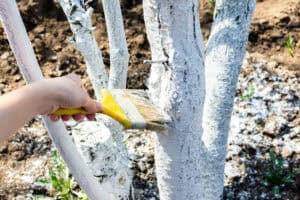
- Wrapping trunks with breathable tree wrap to prevent winter sunscald
- Increasing mulch depth slightly (while keeping mulch off the trunk)
- Maintaining steady soil moisture to prevent dehydration
- Using temporary shade cloths on especially warm days for sensitive species
Young trees do not have the stored energy or established roots needed to handle sudden temperature shifts without help.
6. Schedule a Professional Winter Health Check
A warm spell creates the ideal window for a mid-winter assessment, especially if your trees have shown signs of stress in the past.
Certified arborists can:
- Identify early bud swelling or dormancy disruption
- Detect early freeze injury before symptoms worsen
- Evaluate root moisture levels and soil compaction
- Recommend protective treatments like anti-desiccant sprays or aeration
- Address pests such as scale or borers that may become active during warm periods
A winter checkup is one of the most effective tools for preventing long-term decline after a warm spell.
What Happens If a Hard Freeze Follows a Warm Spell Follows a Warm Spell?
In North Texas, it almost always does.
When temperatures swing from 78°F to 22°F overnight, trees can’t adjust quickly enough. The following problems may appear within days or weeks:
- Blackened or mushy buds
- Bark splits on the south or southwest side
- Drooping evergreen foliage
- Delayed leaf-out in spring
- Increased susceptibility to borers (especially stressed oaks)
If you notice early signs of decline, review this resource on borer risks
Early intervention can save the tree.
Preparing Your Landscape for an Unpredictable Winter
North Texas winters are becoming increasingly unpredictable. Instead of steady cold, our region now faces dramatic swings: warm spells in December, sudden hard freezes in January, and extended dry periods that mimic latesummer drought conditions. These fluctuations place enormous stress on both young and mature trees, making preparation essential for preventing long-term damage.
Protecting your landscape from a winter warm spell Texas scenario requires a combination of proactive homeowner care and expert arborist support. By making small adjustments now, you can help your trees maintain dormancy, avoid premature growth, and stay resilient during the next temperature drop.
What Homeowners Can Do
Simple winter habits can significantly boost your trees’ ability to handle warm spells and freeze-thaw patterns.
Keep soil moisture consistent.
Dry soil is one of the top contributors to winter tree damage. When warm spells hit, trees demand more water but frozen or depleted soil can’t supply it. Deep watering every 2–4 weeks during dry spells helps:
- Maintain cold hardiness
- Prevent root desiccation
- Support stable moisture levels during temperature swings
Maintain mulch insulation.
Mulch is your landscape’s natural defense against erratic weather. It keeps soil temperatures steady and prevents sudden moisture loss.
Mulching benefits include:
- Reduced risk of root dehydration during warm periods
- Protection against deep freezes after warm spells
- Improved moisture retention for young trees
Monitor tree canopies after warm episodes.
A warm spell followed by a cold snap can create delayed symptoms. After each warm episode, look for:
- Swollen buds
- Early leaf emergence
- Bark cracking
- Drooping evergreen foliage
Early detection can prevent larger issues once colder temperatures return.
Avoid unnecessary pruning or fertilization.
Both pruning and fertilization stimulate growth: something trees should not be doing before winter is over.
Hold off on:
- Structural pruning
- Fertilizing with nitrogen
- Removing live branches unless damaged
These activities can trigger early bud activity during a warm spell.
Schedule professional monitoring.
A mid-winter tree inspection is one of the most effective ways to prevent weather-related decline. Arborists can identify risks that homeowners often miss, especially following December warm spells.
What Trees Hurt Too Inc. Can Do
Trees Hurt Too Inc. provides specialized winter care tailored to the unique weather challenges of Tarrant County and surrounding service areas. Our certified arborists use science-backed treatments designed to strengthen trees before and after warm spells.
Soil Moisture Solutions
We evaluate soil conditions, hydration levels, and compaction to ensure roots receive consistent moisture, even during dry, warm winter weeks.
Winter Root Support Treatments
These treatments help stabilize root systems, improve nutrient uptake, and protect young or stressed trees from rapid temperature swings.
Pest and Disease Monitoring
Warm spells often awaken pests such as scale insects, borers, and aphids far earlier than expected. We monitor for:
- Early pest activity
- Fungal risks triggered by fluctuating moisture levels
- Signs of stress or decline caused by warm-cold cycles
Seasonal Tree Health Assessments
Our team conducts winter wellness checks to:
- Identify premature bud break
- Evaluate freeze injury
- Measure soil moisture balance
- Recommend corrective or preventive treatments
Full Service Lawn and Ornamental Packages
Our comprehensive care programs combine winter tree health strategies with ongoing landscape support. These packages ensure your entire property: trees, shrubs, turf, and ornamentals, remains resilient through:
- Unpredictable warm spells
- Dry winter weather
- Sudden freezes
- Seasonal pest pressure
With proactive planning and expert support, your landscape can remain strong, stable, and ready for healthy spring growth, no matter what North Texas winter throws at it.
FAQ: Winter Warm Spells & Tree Dormancy
How common are December warm spells in Texas?
December warm spells are extremely common in North Texas. According to long-term climate data from the National Weather Service, our region experiences multiple warm surges each winter, often pushing temperatures into the 60s, 70s, or even low 80s. These events have become increasingly frequent over the past decade due to shifting climate patterns, making winter warm-ups one of the most predictable unpredictable aspects of Texas weather.
Can warm spells permanently damage trees?
Yes. While a single warm spell may not cause immediate visible damage, the combined effects can lead to long-term decline.
Warm spells can trigger:
- Premature bud break, leaving new tissues vulnerable to the next freeze
- Freeze injury when temperatures drop suddenly afterward
- Root dehydration from increased moisture demand
- Reduced spring growth due to depleted energy reserves
Repeated warm spells followed by cold snaps are especially dangerous, often resulting in weakened canopies, branch dieback, and increased susceptibility to pests like borers.
How do I know if my tree broke dormancy too early?
Signs of early dormancy break can be subtle at first, so it’s important to monitor trees closely during and after warm spells. Look for:
- Swelling or shiny buds that appear larger than normal
- Early leafing or the appearance of tiny leaf tips
- Unusual sap flow or sticky residue on branches
- Softened bud scales that open prematurely
- Flower buds forming too early on ornamental trees
If you notice any of these signs, especially in December or early January, there is a high risk of freeze injury once temperatures drop again.
Should I water during a warm spell?
Yes, if the soil is dry and temperatures remain above freezing. Warm spells cause trees to increase water movement, which can quickly dry out roots in the already low-moisture soils of North Texas winters.
Proper watering during a warm spell helps:
- Maintain cold hardiness
- Prevent root desiccation
- Reduce stress before the next freeze
Water deeply but infrequently, ensuring the soil has time to absorb moisture and regulate temperature.
Protecting Your Trees Through a North Texas Winter
A winter warm spell may feel like a welcome break from the cold, but for your trees, it can trigger confusion, stress, and long-term damage. Understanding how temperature swings affect dormancy, and taking steps to support your landscape, will help your trees stay strong until spring.
If you notice early budding, bark splitting, or signs of stress during a warm spell, don’t wait. Schedule a winter tree health inspection with Trees Hurt Too Inc. Our certified arborists serve homeowners across Tarrant County and surrounding service areas, providing sciencebased care designed for unpredictable North Texas weather.