

Powdery mildew is one of the most common, and most frustrating, fungal diseases affecting ornamental shrubs and trees in North Texas. Our warm temperatures, high humidity, dense plantings, and inconsistent rainfall create ideal conditions for this fungus to spread quickly across residential and commercial landscapes. While powdery mildew rarely kills a plant, it can significantly weaken shrubs, reduce growth, and create long-term stress that attracts pests and other diseases.
Below, we’ll explore what powdery mildew actually is, which shrubs it targets most in North Texas, how it spreads, effective treatment options, and when to bring in professionals like Trees Hurt Too Inc. to protect your landscape.
What Is Powdery Mildew?
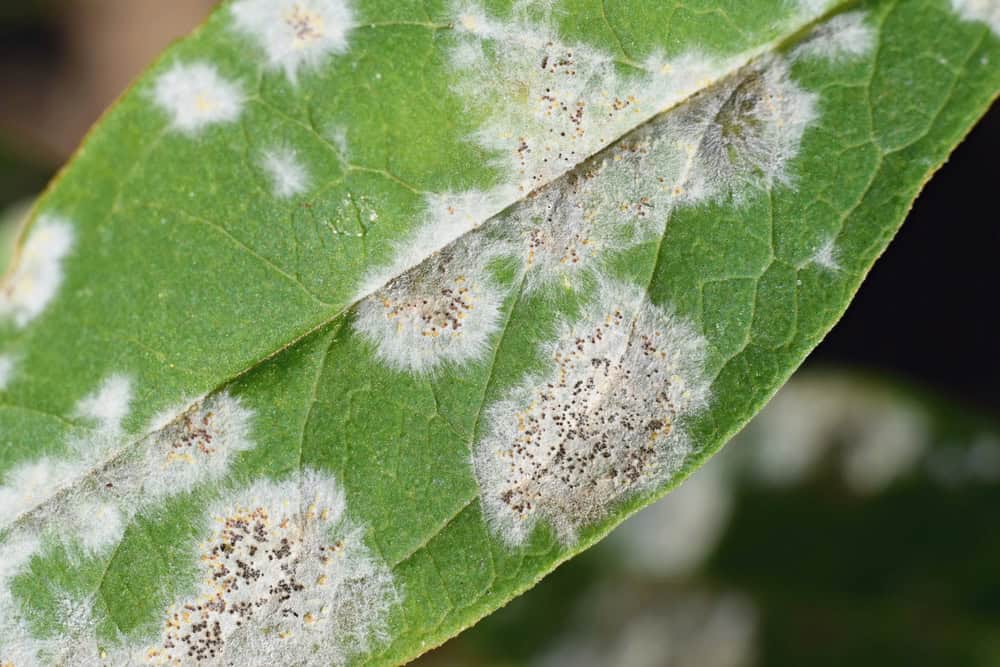
Powdery mildew is one of the most widespread and easily identifiable fungal diseases affecting ornamental shrubs, trees, and groundcovers in North Texas. Unlike many fungi that invade plant tissues internally, powdery mildew fungi live and feed primarily on the surface of leaves, stems, buds, and even flower petals. This is why the disease produces the distinctive white, talc-like residue that looks as if the plant has been dusted with flour.
Powdery mildew fungi belong to a large group of pathogens, each specialized to attack certain plant species. While they don’t typically kill the host plant outright, they weaken it over time by interfering with photosynthesis, draining nutrients, and stressing new growth.
Common Symptoms:
- White or gray powder-like patches on leaves, stems, or buds
- Curled, twisted, or warped leaves, especially on new growth
- Distorted or stunted shoots, resulting in uneven shrub structure
- Premature leaf drop, particularly during warm, humid periods
- Reduced flowering or smaller-than-normal blooms
- Slow or stunted overall growth as the plant directs energy toward defense instead of development
One of the most surprising things about powdery mildew is that it doesn't need standing water or overly moist soil to spread. Many types of fungus thrive when leaves remain wet for long periods, but powdery mildew behaves differently. It can establish itself in dry conditions as long as humidity is high, airflow is poor, and temperatures stay within a warm-to-mild range: a set of conditions that occur frequently in North Texas during spring and fall.
Because the spores are lightweight and airborne, they can travel across yards and neighborhoods with ease, making early detection and proactive treatment especially important.
Shrubs Most Affected by Powdery Mildew in North Texas
While powdery mildew can affect a wide range of ornamental plants, certain shrubs in North Texas tend to experience more severe or frequent outbreaks. This usually comes down to the plant’s natural growth form, leaf texture, and preferred light conditions. Dense foliage, shaded environments, and humid pockets created by tight plantings all make these shrubs prime targets.
Below are the shrubs most commonly affected and why they’re susceptible.
Highly Susceptible Shrubs:
Crape Myrtles
Crape myrtles are among the most frequently affected ornamentals in North Texas. Powdery mildew thrives on their soft, new spring growth and can spread rapidly on trees planted in locations that receive partial shade or are crowded by surrounding vegetation. In severe cases, the disease can delay blooming or reduce flower clusters altogether.
Ligustrum (Privet)
Ligustrum varieties develop powdery mildew quickly during periods of high humidity. Their dense foliage traps moisture, creating ideal conditions for spores to settle and multiply. Infected Ligustrum may show heavy white patches that cover entire sections of the shrub, especially in early summer.
Euonymus
Euonymus is so prone to powdery mildew that it’s often considered one of the first “indicator plants” for the disease in North Texas. Even small shifts in humidity can trigger outbreaks. The fungus frequently appears on new leaves, causing them to discolor, curl, or distort as the infection spreads.
Rose Bushes
Hybrid teas, floribundas, and climbing roses are all vulnerable. Powdery mildew on roses can severely disrupt blooming cycles by attacking developing buds and deforming young growth. Left untreated, it can reduce flower production for an entire season.
Oakleaf Hydrangeas
These hydrangeas are beloved for their large, textured leaves but those same broad surfaces hold humidity and shade, making them particularly susceptible. Powdery mildew often appears on the undersides of leaves first, eventually spreading across the entire shrub.
Ninebark & Viburnum
Both shrubs experience frequent issues when planted too closely together or near fences, foundations, or other structures that restrict airflow. Their multi-branching growth habit can trap humid air pockets, giving powdery mildew an easy place to thrive.
How Powdery Mildew Spreads
Understanding how powdery mildew spreads is essential for preventing recurring outbreaks across your landscape. Unlike many fungal diseases that rely on constant moisture or persist in soggy conditions, powdery mildew behaves differently. Its spores are lightweight, adaptable, and capable of traveling long distances, even without wet surfaces. This makes the disease particularly challenging to manage in climates like North Texas.
Powdery mildew fungi reproduce through spores called conidia, which form on the surface of infected leaves. These spores detach easily and disperse through the air, landing on nearby plants and quickly establishing new infection sites.
Key Factors That Contribute to Outbreaks:
Humidity
High humidity allows powdery mildew spores to germinate on leaf surfaces. Even in dry weather, humidity levels can spike during the morning and evening hours, creating ideal conditions for the fungus to thrive.
Poor Air Circulation
When shrubs are planted too closely together, pruned infrequently, or surrounded by fences or structures, the air becomes stagnant. This trapped moisture creates a microclimate where powdery mildew spreads rapidly from leaf to leaf.
Shade
Shady or partially shaded areas provide the cool, moist environment that powdery mildew favors. Shrubs planted under large trees, next to buildings, or in narrow side yards are especially at risk.
Warm Days & Cool Nights
This temperature fluctuation, common in North Texas during spring and fall, creates nightly dew and morning humidity that help spores germinate. Warm daytime temperatures then accelerate fungal growth.
Overhead Watering
Sprinklers that wet the foliage can unintentionally contribute to powdery mildew outbreaks. Wet leaves combined with insufficient airflow create the perfect landing zone for airborne spores.
How Fast Does It Spread?
Because powdery mildew spores are airborne, they can move quickly between plants, even those several feet apart. A small infection that starts on one shrub can spread across an entire property within days under the right environmental conditions.
Spores may also:
- Spread through wind and breezes
- Move with insects that land on infected leaves
- Transfer from plant to plant during pruning or gardening
This ease of movement is why early detection and timely treatment are crucial for protecting your landscape.
How to Get Rid of Powdery Mildew
Treating powdery mildew early is the key to preventing long-term stress and keeping your ornamental shrubs healthy, vibrant, and resistant to future outbreaks. Because this fungus spreads quickly and thrives in common North Texas conditions, taking a proactive and thorough approach is the most effective way to control it.
Below are the most reliable strategies for eliminating powdery mildew and restoring the health of your landscape.
1. Improve Airflow
Good airflow is one of the strongest defenses against powdery mildew. The fungus thrives in stagnant, humid environments, so increasing circulation makes it far more difficult for spores to settle and germinate.
How to improve airflow:
- Trim or thin out overcrowded branches to open the canopy
- Space new shrubs properly to prevent foliage overlap
- Avoid planting dense hedges in tight corridors or shaded corners
- Raise the canopy of nearby trees if they’re trapping moisture around shrubs
These adjustments help reduce humidity around foliage, break up microclimates, and make your plants less inviting to fungal spores.
2. Water at the Base, Not Overhead
Powdery mildew doesn’t require standing water to thrive, but moisture on leaves can dramatically increase disease spread. Overhead sprinklers often leave leaves wet for hours, creating ideal infection conditions, especially when combined with warm evenings and low airflow.
Better watering methods include:
- Drip irrigation systems
- Soaker hoses
- Hand-watering directly at the root zone
Keeping the foliage dry significantly reduces the risk of powdery mildew spreading from plant to plant.
3. Prune Infected Areas
Pruning is one of the quickest ways to reduce active fungal presence. Removing contaminated leaves and stems limits the number of spores available to spread and makes fungicide treatments more effective.
When pruning infected shrubs:
- Use clean, sanitized pruners to avoid spreading spores
- Remove heavily infected leaves or branches
- Dispose of infected material in sealed bags. Don't compost
- Wash or sanitize tools between shrubs
Proper pruning not only manages existing disease but also improves airflow for future prevention.
4. Use Fungicide Treatments
For widespread or recurring infections, fungicides are often the most effective treatment option. While homeowners can purchase some products over the counter, professional-grade treatments provide more consistent, longer-lasting results.
Common professional treatment methods include:
- Systemic fungicides that circulate through the plant’s tissues, protecting new growth
- Preventative fungicide sprays applied during high-risk seasons (spring and fall)
- Repeated seasonal treatments for shrubs with chronic powdery mildew issues
Not all fungicides work on every species of powdery mildew, which is why identifying the infected plant and fungal type matters.
5. Strengthen the Plant’s Overall Health
Healthy shrubs are far better equipped to resist fungal infections. Strengthening plant vigor helps them recover faster and reduces the likelihood of future outbreaks.
Ways to support plant health include:
- Fertilization tailored to soil needs
- Adjusting watering routines to prevent under- or over-watering
- Using mulch correctly to maintain soil moisture without trapping humidity
- Correcting compacted or nutrient-poor soils
Improving overall plant health not only combats powdery mildew but also reduces susceptibility to pests, heat damage, and other diseases.
When to Call a Professional
Powdery mildew may seem like a minor cosmetic issue at first, but recurring infections can cause significant long-term stress to your shrubs and trees. When left untreated, or treated only with short-term DIY solutions, the fungus can weaken plants season after season, making them more susceptible to insects, heat damage, and other diseases common in North Texas. Because powdery mildew spreads easily across landscapes, a small outbreak can quickly turn into a larger, more persistent problem.
If you’re noticing powdery mildew every spring, if it keeps returning despite storebought treatments, or if entire shrubs become covered in white residue, it’s an indication that the underlying environmental conditions need professional assessment.
A professional arborist can:
- Identify the specific fungus type to ensure the correct treatment plan
- Provide targeted fungicide applications that work faster and last longer than DIY solutions
- Evaluate plant spacing and airflow to identify environmental causes of reinfection
- Recommend diseaseresistant varieties when replacements or new landscape additions are needed
- Improve soil and moisture conditions so plants become more resilient overall
- Diagnose secondary issues, such as pest activity or nutrient deficiencies, that often accompany powdery mildew
Powdery mildew is most effectively controlled when treated from multiple angles: plant health, environment, moisture, and fungus management. Professional arborists understand how these factors work together and can create a tailored plan that addresses both the infection and the conditions that allow it to thrive.
By taking a comprehensive approach, experts help break the cycle of yearly reinfection and restore the long-term health and beauty of your shrubs and ornamental trees.
Protect Your Landscape With Expert Shrub & Tree Care
Powdery mildew spreads fast in North Texas, and once it takes hold, it can affect multiple shrubs and trees across your property. Instead of fighting a recurring problem each year, let the specialists at Trees Hurt Too Inc. protect your landscape with professional diagnostics, targeted treatments, and proactive tree and shrub care.
Our team provides safe, effective fungal control solutions tailored to North Texas conditions, ensuring your ornamental shrubs stay healthy and vibrant.
Ready to eliminate powdery mildew for good? Contact Trees Hurt Too today to schedule a consultation and get expert shrub and tree care that keeps your landscape thriving all year long!