
Rodent Monitoring & Exclusion Services

The smartest way to protect your trees, lawn, and Home
Locally owned and family operated, proudly serving North Texas. Get your free, no-obligation quote. Or call (972) 521-1552.
Free Quote
Rodent Exclusion in Fort Worth and Tarrant County
Rodent control that only sets traps is a subscription to the same problem. Traps remove the mice or rats currently inside; they do nothing about the opening those rodents used, the scent trail they left for the next family, or the tree limb still resting on the roof. Exclusion is the other half of real rodent work: finding the entry points, sealing the ground-level ones with materials rodents cannot gnaw through, pointing out the ones up high so you can have them repaired, and then monitoring to confirm the home stays clear.
Trees Hurt Too Inc. provides rodent monitoring and exclusion for homes throughout Fort Worth, Arlington, and the surrounding Tarrant County communities. We treat the rodents, close the doors they used, and keep watch afterward, which is the difference between clearing an attic and protecting it. Rodent monitoring is available as an add-on on the Pest Package plan of our Pest Package membership, and mice and rats are included outright on the Plus and Premium plans.
Our exclusion work covers ground-level openings: weep holes, foundation cracks, gaps at pipe, AC, and cable penetrations, garage door corners, and crawl-space vents, for mice and rats. We inspect the attic and treat there when needed, but we do not climb roofs or do carpentry; openings up high are pointed out so you can have them repaired. We do not handle squirrels, raccoons, possums, skunks, or other wildlife.
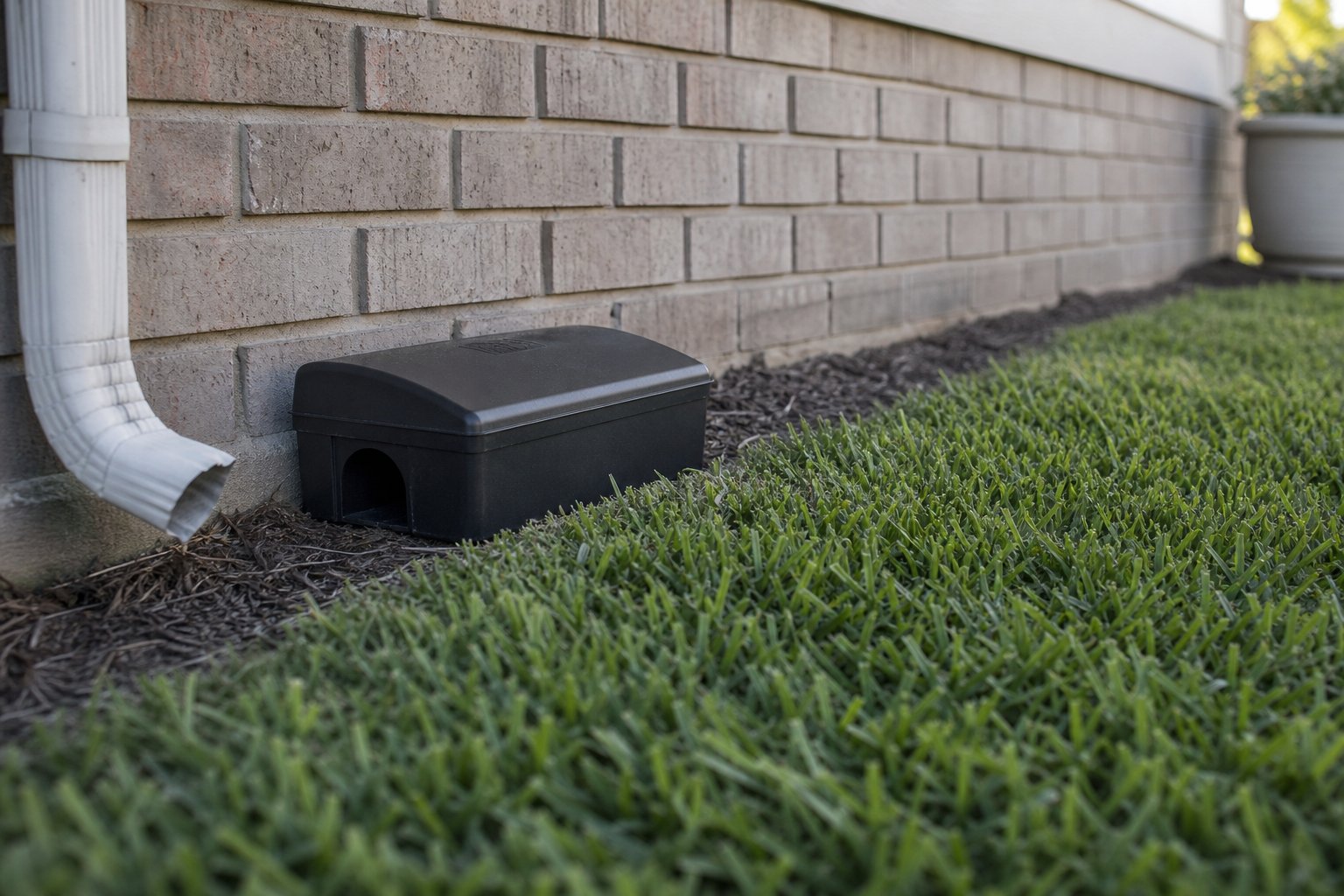
Why North Texas Homes Keep Getting Rodents
Roof rats are the headline rodent in Tarrant County, and the neighborhoods we love are built for them. Mature live oaks, dense fence lines, and overhead utility lines form elevated highways from yard to yard, and a single limb touching the roof is a bridge onto your home. Mild winters keep rodents active and breeding most of the year, while summer heat and drought push them toward the food, water, and shade around irrigated properties.
The structure itself offers more openings than most homeowners expect: weep holes in brick veneer, gaps where rooflines meet, unscreened attic and soffit vents, garage door corners, and the penetrations where plumbing, gas, and cable enter the wall. Mice need a gap the size of a dime; rats need a quarter, and both can widen a smaller gap by gnawing. Sealing one hole while leaving five is why so many rodent problems come back. We seal the ground-level openings ourselves; roofline and vent gaps are pointed out so you can have them repaired.
Signs You Need Exclusion, Not Just Traps
- Rodent activity that returns weeks or months after a previous round of trapping
- Noises in the attic each fall, like clockwork, as outdoor populations move in
- Greasy rub marks around a gap at the roofline or a weep hole
- Gnawed soffit screens, garage door seals, or vent covers
- Droppings in the same locations after every cleanup
Recurring activity means the structure has open doors. Identification also matters before any sealing happens; our mice vs. rats guide shows how droppings, sounds, and gnaw marks reveal which rodent you have, because entry points and equipment differ by species.
Why DIY Exclusion Falls Short
Steel wool in a weep hole and expanding foam in a pipe gap are the usual homeowner moves, and rodents defeat both. Foam gnaws open in a night, loose steel wool gets pulled out, and blocking weep holes improperly traps moisture inside brick walls. The bigger issue is coverage: exclusion only works when every entry point is found and sealed, including the ones two stories up at the roofline. Missing one gap means the whole effort protects nothing. That is why the visit produces a complete list: we seal the ground-level gaps with gnaw-proof materials, point out the roofline items so you can have them repaired, and monitoring afterward verifies nothing got missed.
How Our Rodent Monitoring and Exclusion Works
- Full-property inspection. We walk the home at ground level, checking weep holes, garage seals, foundation gaps, crawl-space vents, and utility penetrations, check the attic for droppings and nesting, and look up for the limbs, roofline gaps, and vents roof rats use. We also check the yard for the tree and fence routes rodents travel.
- Removal first. Any rodents currently inside are removed with placements sized and positioned for the species, safely away from children and pets.
- Ground-level sealing. Entry points at the foundation, utility penetrations, garage door corners, and crawl-space vents are closed with rodent-rated materials that preserve brick weep function while shutting out mice and rats. Roofline, soffit, and attic openings are pointed out so you can have them repaired; we do not climb roofs or do carpentry.
- Attic treatment. If the attic shows activity, placements go in up there as well, sized to the species and kept away from stored items.
- Monitoring. Stations and inspection points around the structure tell us whether pressure is building outside, and quarterly checks confirm the seal is holding.
- Landscape review. As tree health professionals, we flag limbs and vegetation giving roof rats access. We do not trim or remove trees, but we tell you exactly what needs attention and why.
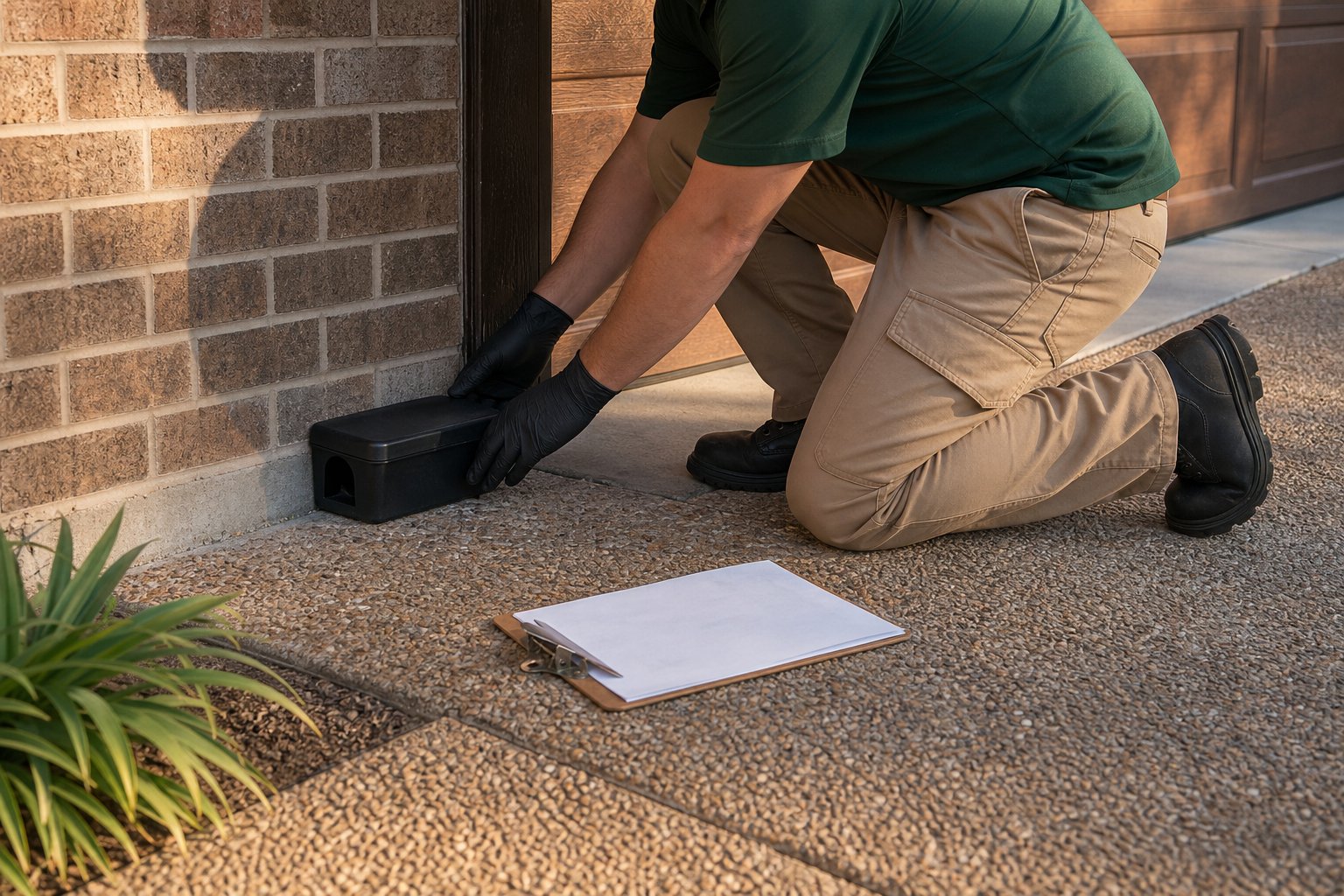
The North Texas Rodent Calendar
Late summer and fall. The first cool fronts push outdoor rodent populations toward structures, and attic entries spike from September through November. This is the season exclusion work pays for itself; a home sealed in August never hosts the October move-in.
Winter. Established indoor populations breed in heated comfort while food outside is scarce. Activity noises are most noticeable now, and gnawing damage accumulates fastest.
Spring. Populations disperse as outdoor food returns, which fools homeowners into thinking a problem resolved itself. The entry points remain, and so does the scent marking that advertises them to the next rodent.
Summer. Heat and drought drive rodents toward irrigated yards, pet water, and shaded structures. Monitoring stations show the outdoor pressure building weeks before it reaches the house.
The calendar is why monitoring is a year-round service rather than a fall project. Every season generates its own pressure; the constant is a sealed, watched structure.
What an Exclusion Visit Looks Like
The visit starts at the slab, works around the foundation, then looks up. Your technician documents every opening found, walks you through the list with photos where helpful, and explains which gaps are active, which are vulnerable, and what material each one needs. Sealing work at ground level uses rodent-rated hardware: breathable covers for weep holes, and metal-backed closures at utility gaps and foundation cracks where gnawing pressure is likely. Anything at the roofline is pointed out so you can have it repaired. Monitoring placements go in last, positioned along the routes rodents actually travel rather than scattered by habit. You end the visit knowing exactly what was found, what was closed, and what to watch between services.
Rodent Coverage in the Membership
Rodent monitoring is an add-on available on the Pest Package plan, which starts at $47 per month, and base-plan members can also add full mice and rat treatment coverage as a separate add-on. Homeowners who want mice and rats covered as part of the plan itself can review the membership plans: Pest Package Plus, starting at $67 per month, and Pest Package Premium, starting at $77 per month, both include mice and rat coverage along with the full basic service. Every plan carries quarterly service visits, a quarterly inspection, and free callbacks between visits, and members receive a discount on add-on services.
Frequently Asked Questions: Rodent Exclusion
What is rodent exclusion exactly?
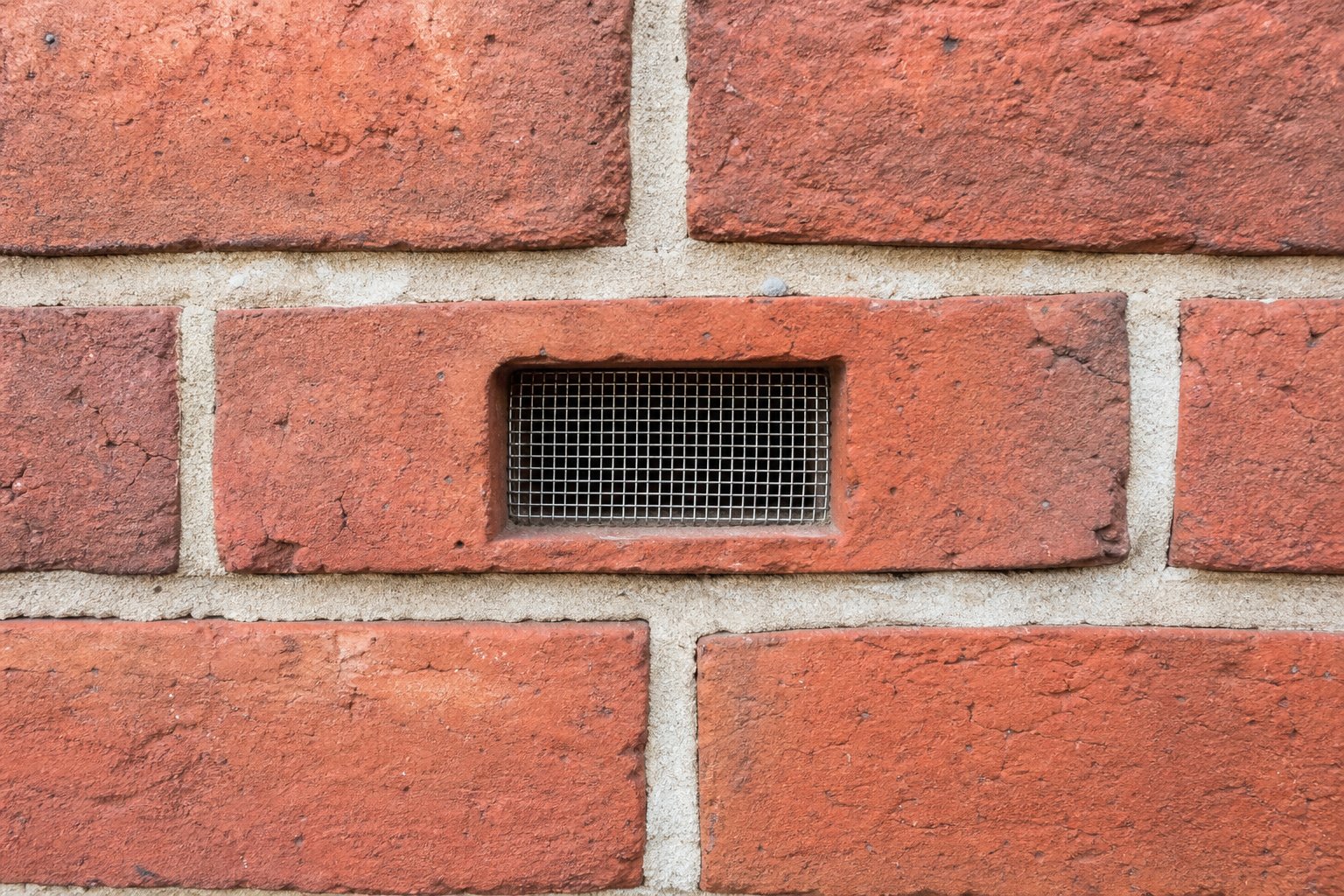
Exclusion is the practice of physically sealing a building against rodent entry: closing gaps at the roofline, screening vents, protecting weep holes with breathable covers, and sealing utility penetrations with gnaw-resistant materials. Paired with removal and monitoring, it addresses the cause of infestations rather than the symptom. Our exclusion service covers the ground-level portion, foundation gaps, weep holes, garage door corners, crawl-space vents, and utility penetrations, for mice and rats.
How is monitoring different from trapping?
Trapping reacts to rodents already inside. Monitoring watches for pressure before it becomes entry: stations and inspection points around the exterior show activity trends, and quarterly checks confirm the exclusion work is intact. The goal is a problem you never notice because it never gets in.
Will sealing weep holes hurt my brick walls?
Blocking weep holes solid would, which is why we never do it. Weep holes exist to drain and ventilate the wall cavity. Our weep-hole covers maintain airflow and drainage while keeping mice, rats, and other pests out.
Do I need my trees trimmed before exclusion will work?
Limbs touching or overhanging the roof give roof rats a bridge past ground-level defenses, so roof access matters. We will identify exactly which limbs are providing access as part of the inspection. Trees Hurt Too does not do trimming or removal, so there is no upsell behind the advice; it is simply part of reading the property honestly. Roofline gaps those limbs lead to are pointed out so you can have them repaired.
How long does exclusion work last?
Quality materials last for years, but homes move, settle, and weather, and North Texas clay soil keeps foundations and rooflines shifting. That is why monitoring matters: quarterly checks catch new gaps and fresh pressure early, while they are still easy to address.
Do you seal openings in the roof or attic?
No. We seal ground-level entry points and we inspect and treat the attic, but roofline, soffit, and attic repairs are carpentry, which we don’t do. We point out every opening we find so you can have them repaired.
Do you handle squirrels, raccoons, possums, or other wildlife?
No. Our rodent service is for mice and rats only. Squirrels, raccoons, possums, and skunks are wildlife, which we do not handle; if the signs point that way we will tell you, and we can point you toward a wildlife control operator.
Are the removal methods safe for my pets?
Yes. Placements go inside stations or in areas pets and children cannot reach, and we walk you through every location before work begins. Our approach follows the same family-first standard as the rest of our pest control services.
Rodents are gone. Do I still need the service?
An empty attic in a neighborhood full of roof rats is a vacancy, not a victory. Outdoor populations test structures continuously, especially each fall, and scent trails left by previous occupants advertise the route to newcomers. Monitoring keeps the protection current so the quiet attic stays that way.
Helpful Links:
Close the Doors for Good
Trees Hurt Too Inc. provides rodent monitoring and exclusion throughout Tarrant County and nearby communities, including Fort Worth, Arlington, Mansfield, Keller, Southlake, Grapevine, Colleyville, North Richland Hills, Hurst, Euless, Bedford, Burleson, Grand Prairie, and Irving. Locally owned and family operated, we have served this area for over 28 years. Trapping ends a rodent problem; exclusion and monitoring prevent the next one, and prevention is always the cheaper half of that equation. Call or text (972) 521-1552 or request your free, no-obligation quote today.