

Sunscald and Bark Damage Trees DFW
Protect Your Trees from Sunscald and Bark Damage As May arrives in the Dallas-Fort Worth area, homeowners begin to enjoy …


Locally owned and family operated, proudly serving North Texas. Get your free, no-obligation quote. Or call (972) 521-1552.
Free QuoteFall webworms are a fixture of the North Texas summer and fall landscape, with their large silken webs appearing on the branch tips of pecans, persimmons, sycamores, and scores of other tree species from midsummer through October. The webs are visually alarming, often growing to several feet in diameter as the season progresses, and the sight of brown dead foliage enclosed in silk is enough to prompt urgent calls even when the actual threat to the tree is relatively modest. Understanding when webworm pressure genuinely warrants professional treatment and when natural tolerance is sufficient is exactly the kind of judgment that requires a certified arborist with North Texas field experience. Trees Hurt Too, Inc. evaluates webworm infestations throughout the DFW area, assesses the actual impact on tree health in the context of any other stressors present, and provides targeted treatment when the situation warrants it.
"Webworms are one of those pests where I spend as much time helping people understand what not to do as what to do. Do not burn the nests. That approach damages the bark and branch tissue beneath the web and creates real fire risk. The other thing I see regularly is people spending money on treatment for late-season webworm infestations on large established trees that are not in any real danger. The evaluation determines whether you are dealing with a cosmetic annoyance or a genuine health threat, and that distinction matters for making the right decision." Ken, ISA Certified Arborist Tx-3265-A | Owner, Trees Hurt Too, Inc.
We provide free on-site evaluations throughout North Texas. Call (972) 521-1552 if you see large silken webs on your trees, or visit our Tree Health Care and Arborist Services page.
Fall webworms, Hyphantria cunea, are native North American caterpillars that overwinter as pupae in bark crevices and soil and emerge as adult moths in spring and early summer. North Texas's warm climate allows two or more generations per year, meaning webworm pressure can persist from midsummer through October in some years. Adult female moths lay egg masses on the underside of leaves, and the newly hatched caterpillars immediately begin constructing a communal silken web over the surrounding foliage. The colony feeds, grows, and expands the web through the season. Mature caterpillars leave the web to pupate in bark or soil and begin the next generation.
Fall webworms time their feeding to the latter portion of the growing season when trees have already completed most of their annual growth and nutrient production. Deciduous trees that lose foliage in fall can tolerate late-season defoliation better than spring defoliation because the energy production season is largely complete. This is why large, healthy, established trees in North Texas often sustain repeated webworm infestations without measurable long-term decline, despite the alarming appearance of the webs.
Oakley says...
No charge. No obligation. An ISA Certified Arborist visits your property and gives you honest answers before recommending anything.
For a complete visual guide visit our shrub and tree pest control page.
Bacillus thuringiensis kurstaki (Btk) is a biological insecticide highly effective against young actively feeding webworm larvae when the application contacts them during feeding. Applications work best against early-instar larvae before webs become large and the caterpillars are mature. Btk is selective for caterpillars and has minimal impact on beneficial insects including pollinators when used correctly.
For larger infestations or advanced colonies where Btk is less effective, our certified arborist selects appropriate contact insecticides that penetrate the web to reach the feeding colony. Application volume and pressure must be sufficient to contact the caterpillars through the silken web structure.
Early-season removal of small accessible nests on smaller trees is effective when the colony is young and the nest size is manageable. Removed nests should be destroyed away from the tree. Burning nests is strongly discouraged as it damages the tree and creates fire risk.
Trees with robust root zone health tolerate webworm feeding pressure more effectively than stressed trees. Our deep root feeding program supports the overall tree vigor that helps North Texas trees maintain tolerance to late-season pest pressure.
We diagnose and treat webworm infestations throughout the DFW metroplex. Pecan webworms are common throughout communities where pecans are planted including Mansfield, Burleson, Midlothian, and Fort Worth. General webworm infestations occur throughout all communities in Tarrant County and Dallas County.
Your Tree Cannot Wait
Early diagnosis is the difference between saving and losing a tree. Call our ISA Certified Arborist directly for same-week evaluations throughout the DFW area.
(972) 521-1552Free on-site evaluation • No obligation • Honest answers
Fall webworms are caterpillars that construct large silken webs at branch tips and feed on enclosed foliage from midsummer through fall. They are rarely fatal to established healthy trees because they feed late in the season when most growth is complete. However, heavy infestations on already-stressed trees or young trees can cause serious cumulative damage.
Large, loosely constructed silken webs at the outer tips of branches, often brown and containing frass and eaten foliage inside. Webs start small and expand through the season. Multiple nests may appear on the same tree. For a visual guide visit our shrub and tree pest control page.
Fall webworms appear in summer and fall, build nests at branch tips enclosing foliage, and feed inside the web. Eastern tent caterpillars appear in early spring, build tents in branch crotches, and leave the tent to feed on surrounding foliage. They are distinct species with different timing and behavior.
Pecans, persimmons, sycamores, oaks, walnuts, and sweet gums are most commonly infested. Pecan trees are particularly frequently affected throughout DFW wherever pecans are grown.
Treatment options include Btk biological insecticide applications against young larvae, targeted insecticide sprays for larger infestations, and physical removal of small early-season nests. Treatment is most effective early in the infestation against young colonies. Our certified arborist evaluates whether treatment is warranted based on infestation level and tree health status.
No. Burning webworm nests damages the bark and branch tissue beneath the web and creates fire risk. Physical removal of small accessible nests or professional insecticide treatment are the recommended approaches.
Yes. Trees Hurt Too provides completely free on-site tree evaluations throughout the DFW area with no obligation. Call (972) 521-1552 or request your evaluation through our contact page.
Trees Hurt Too provides ISA Certified Arborist webworm diagnosis and treatment throughout North Texas. View our complete service area or call (972) 521-1552. For additional information on webworm research visit the Texas A&M AgriLife Extension.
Protect Your Trees Year-Round
Our certified arborist-supervised annual programs include:
On-site evaluation and custom program quote
Get My Custom Program QuoteNo contracts • Cancel anytime
Stay informed about lawn care, tree care and pest related issues in your area!
Protect Your Trees from Sunscald and Bark Damage As May arrives in the Dallas-Fort Worth area, homeowners begin to enjoy …
Why Trees Drop Leaves in May in the Dallas-Fort Worth Area If you’ve noticed leaves scattered across your lawn in …
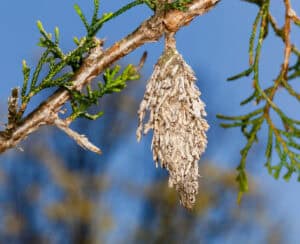
Identify and control bagworms before they damage your North Texas trees and shrubs this season.