

Sunscald and Bark Damage Trees DFW
Protect Your Trees from Sunscald and Bark Damage As May arrives in the Dallas-Fort Worth area, homeowners begin to enjoy …


Locally owned and family operated, proudly serving North Texas. Get your free, no-obligation quote. Or call (972) 521-1552.
Free QuoteWood-boring beetles are among the most destructive tree pests in North Texas, and one of the most difficult to detect before significant damage has been done. Because boring beetles spend most of their destructive life stage feeding inside the wood and bark of host trees, the most visible symptoms of infestation, yellowing canopy, thinning foliage, and branch dieback, are often the same symptoms caused by oak wilt, root rot, and drought stress. By the time exit holes, frass, and feeding galleries confirm a beetle infestation, the insects have frequently been feeding for an entire season or more. Trees Hurt Too, Inc. provides ISA Certified Arborist diagnosis that distinguishes between the beetle species active in North Texas and selects the appropriate systemic treatment before infestation advances to the point where recovery is no longer possible.
"Borers are the hidden threat in North Texas tree care. Every other major condition we deal with, oak wilt, hypoxylon canker, root rot, shows its damage on the outside of the tree before it kills the tree. Borers are doing their damage invisibly for weeks or months before anything visible appears. And by the time the canopy is showing serious decline from borer damage, you are often looking at a tree that has lost significant structural integrity inside. Early detection through professional evaluation is the only way to get ahead of this." Ken, ISA Certified Arborist Tx-3265-A | Owner, Trees Hurt Too, Inc.
We provide free on-site evaluations throughout North Texas. Call (972) 521-1552 if you see exit holes, sawdust-like frass, pitch tubes, or progressive canopy decline, or visit our Tree Health Care and Arborist Services page.
The emerald ash borer, Agrilus planipennis, is an invasive metallic green beetle from Asia that has been confirmed in Texas and continues expanding its range. It is the most lethal tree pest ever introduced to North America, having killed hundreds of millions of ash trees in North America since its arrival. All ash species including the green ash widely planted throughout DFW as a street and shade tree are susceptible. Larvae feed beneath the bark in the cambial layer, disrupting water and nutrient transport. Untreated ash trees in infested areas have a very high mortality rate within two to four years. Preventive systemic insecticide treatment is the most effective protection strategy.
Ips engraver beetles and related bark beetles target pines and stressed conifers in North Texas. They attack trees that are already weakened by drought, lightning, wind damage, or root injury, mass-attacking by producing pheromones that attract additional beetles once an initial infestation establishes. Bark beetles construct characteristic galleries beneath the bark that girdle the tree and disrupt water movement. Pitch tubes of hardened resin are visible entry attempt sites where healthy trees successfully repelled attacks.
Multiple flatheaded borer and roundheaded borer species including the two-lined chestnut borer attack stressed hardwood trees throughout North Texas. These species target oaks, pecans, sycamores, and many other hardwoods, boring through the cambial layer and creating the serpentine galleries that disrupt vascular function. The two-lined chestnut borer is a significant secondary pest of drought-stressed oaks across the DFW area.
The pecan weevil, Curculio caryae, is the most serious direct pest of pecan trees in Texas, damaging both the nuts and the tree itself through larval feeding. It is widespread throughout DFW wherever pecan trees are grown.
The single most important factor in borer vulnerability is tree stress. Healthy trees defend themselves through resin and sap pressure that can physically expel boring adults and eggs from entry wounds. Drought-stressed trees in North Texas's clay soils that cannot maintain adequate internal water pressure lose this defense entirely. During drought years across the DFW area, borer infestations increase dramatically in direct proportion to the regional tree stress level. Our deep root feeding program and moisture management program that maintain tree health and vigor are the most important borer prevention investments available.
Oakley says...
No charge. No obligation. An ISA Certified Arborist visits your property and gives you honest answers before recommending anything.
For a complete visual guide to beetle damage and other North Texas tree pests visit our shrub and tree pest control page.
Our microinjection technology delivers systemic insecticide directly into the tree's vascular system, where it circulates through the wood and bark tissue where boring beetles feed and develop. This approach provides internal protection that surface sprays cannot reach and lasts up to two years from a single treatment. Systemic injection is especially effective for emerald ash borer prevention and for active infestations of vascular-feeding borers. Learn more at our tree injections page.
Systemic insecticides applied as root zone soil drenches are absorbed through the root system and distributed throughout the tree's vascular tissue. This method is particularly effective for emerald ash borer protection and provides a complement to injection approaches in comprehensive borer management programs.
Contact insecticide applications to the bark surface provide protection against adult beetles during their landing and entry period. Most effective when applied preventively before the adult flight season, bark surface treatments reduce the rate of new infestation by killing adults before they can bore through the bark.
Preventing borer infestation through maintaining tree vigor is the most important long-term strategy. Our deep root feeding program, moisture management program, and annual certified arborist monitoring work together to keep North Texas trees above the stress threshold where borer vulnerability increases dramatically. Visit our sick tree treatment page and our tree doctor page for more detail on our evaluation process.
Your Tree Cannot Wait
Early diagnosis is the difference between saving and losing a tree. Call our ISA Certified Arborist directly for same-week evaluations throughout the DFW area.
(972) 521-1552Free on-site evaluation • No obligation • Honest answers
We diagnose and treat beetle and borer infestations throughout the DFW metroplex. Ash tree borer evaluations are especially critical throughout all communities in Tarrant County and Dallas County where green ash is widely planted as a street and shade tree. Oak borer evaluations are important across all communities wherever stressed oaks are present. Call (972) 521-1552 to schedule your free evaluation anywhere in our service area.
The most destructive beetles in North Texas include the emerald ash borer, Ips engraver bark beetles, flatheaded and roundheaded borers attacking hardwoods, the two-lined chestnut borer targeting stressed oaks, and the pecan weevil. Each requires different diagnosis and treatment approaches from a certified arborist.
Signs include exit holes in bark, sawdust-like frass at the tree base or in bark crevices, pitch tubes on pines and conifers, serpentine galleries beneath bark, progressive top-down canopy decline, and woodpecker feeding activity. For a visual guide visit our shrub and tree pest control page.
Yes. The emerald ash borer can kill untreated ash trees within two to four years. Bark beetles can kill weakened pines rapidly. Borers in general cause far greater damage to stressed trees than to healthy well-maintained ones. Early detection and treatment are critical.
Yes. The emerald ash borer has been confirmed in Texas and threatens all ash trees throughout the DFW area. Preventive systemic insecticide treatment is the most effective protection for ash trees in the region. Contact us immediately if you have ash trees on your property.
Healthy trees defend themselves through resin and sap pressure that expels boring beetles from entry wounds. Drought-stressed trees lose this defense. North Texas's clay soil stress and extreme summer heat make regional trees particularly vulnerable to borer attack during drought years. Deep root feeding and moisture management are the most important borer prevention investments available.
Treatment includes systemic insecticide injection into the vascular system for internal protection lasting up to two years, soil drench systemic applications absorbed through roots, and bark surface sprays for adult beetle contact. Our certified arborist selects the appropriate combination based on the species and infestation level. Learn more at our tree injections page.
Yes. Trees Hurt Too provides completely free on-site tree evaluations throughout the DFW area with no obligation. Call (972) 521-1552 or request your evaluation through our contact page.
Trees Hurt Too provides ISA Certified Arborist beetle and borer diagnosis and treatment throughout North Texas. View our complete service area or call (972) 521-1552. For additional information on borer research visit the Texas A&M AgriLife Extension.
Protect Your Trees Year-Round
Our certified arborist-supervised annual programs include:
On-site evaluation and custom program quote
Get My Custom Program QuoteNo contracts • Cancel anytime
Stay informed about lawn care, tree care and pest related issues in your area!
Protect Your Trees from Sunscald and Bark Damage As May arrives in the Dallas-Fort Worth area, homeowners begin to enjoy …
Why Trees Drop Leaves in May in the Dallas-Fort Worth Area If you’ve noticed leaves scattered across your lawn in …
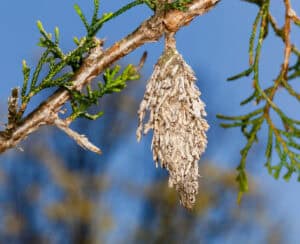
Identify and control bagworms before they damage your North Texas trees and shrubs this season.