

Texas’s diverse landscape and climate create the perfect environment for fungal growth. While certain fungi provide benefits to trees and surrounding ecosystems, others can quickly become destructive, threatening even the most mature and established trees if left untreated. Early tree disease identification is critical, as catching symptoms in their earliest stages can mean the difference between saving or losing a valuable tree. In this comprehensive guide, we’ll explore the most common types of Texas tree fungus, key symptoms to watch for, and proven strategies for both treatment and prevention.
With modern solutions like targeted tree injections, property owners can address fungal infections precisely at the source, strengthening trees from within while reducing the need for broad chemical applications. By understanding the balance between harmful and beneficial fungi, you’ll be better equipped to take a proactive approach to preserving the health, beauty, and longevity of your Texas trees.
What is Tree Fungus?
Tree fungus refers to a broad category of fungal organisms that thrive on trees, feeding on organic materials such as bark, roots, and leaves. In Texas, fluctuating weather patterns; ranging from periods of heavy rainfall to extended droughts, create ideal conditions for fungal growth. High humidity, compacted soils, and improper watering practices often allow harmful fungi to take hold and spread rapidly.
While some fungi are beneficial decomposers that help recycle nutrients back into the soil, many species are aggressive pathogens capable of causing serious tree diseases in Texas. These harmful fungi weaken trees by breaking down living tissues and disrupting essential systems that transport water and nutrients. Over time, infected trees may experience canopy thinning, dieback, or even complete structural failure.
Tree fungi reproduce by releasing microscopic spores that travel through the air, water, or via insects. Once these spores find a vulnerable point; such as a wound, cracked bark, or decaying root, they germinate and begin colonizing the host. When trees are already stressed by poor irrigation or compacted soils, their natural defenses are reduced, allowing the fungus to spread more easily. Integrating proper tree and shrub care practices, including professional pruning and seasonal inspections, helps prevent these infections before they can cause serious damage.
For property owners across North Texas, maintaining balanced soil conditions is key to prevention. Overwatering, poor drainage, and prolonged dry spells can all encourage fungal growth. Implementing professional soil moisture solutions, such as deep root watering or soil aeration, can restore balance, strengthen root systems, and improve a tree’s ability to resist pathogens.
Common Harmful Tree Fungi in Texas
- Oak Wilt (Ceratocystis fagacearum): Rapidly kills red oaks and can spread through root grafts or insect activity.
- Hypoxylon Canker: Targets stressed or drought-weakened trees, causing bark decay and branch dieback.
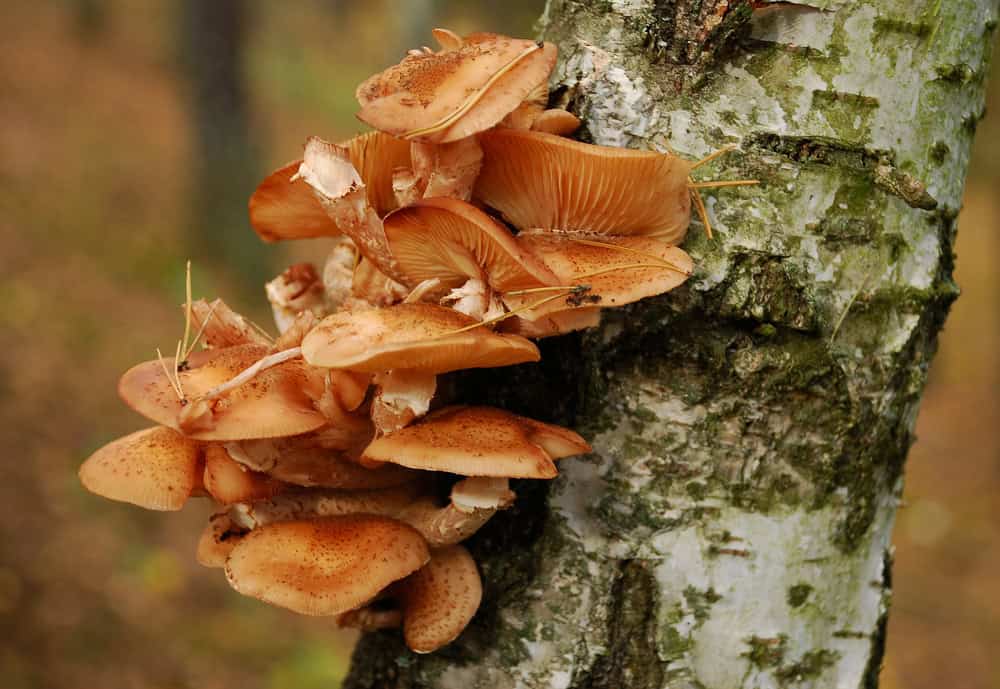
- Armillaria Root Rot (Honey Fungus): Attacks root systems underground, spreading from tree to tree through soil contact.
- Ganoderma (Shelf Fungus): Appears as a woody, shelf-like growth on trunks or stumps, causing severe internal decay.
These fungal diseases often progress silently, showing few symptoms until advanced stages of infection. Regular inspections, early diagnosis, and timely intervention from certified arborists can mean the difference between saving a tree and losing it entirely.
Tree Fungus and Ecosystem Health
Not all fungi are harmful to trees: many are essential allies in maintaining healthy ecosystems. In fact, fungi are some of the most important organisms in the natural world, quietly sustaining forests and landscapes from beneath the surface. Beneficial species decompose fallen leaves, branches, and organic debris, transforming them into nutrients that nourish surrounding plants. This natural recycling process fuels new growth, improves soil structure, and supports the diverse web of life that depends on healthy trees.
A particularly vital relationship between fungi and trees is the mycorrhizal association. These microscopic fungi attach to tree roots, extending their reach far beyond what roots alone could achieve. Through this network, fungi help trees absorb essential nutrients such as phosphorus and nitrogen while also improving water uptake, especially valuable in the drought-prone regions of Texas. In return, the trees provide the fungi with sugars produced through photosynthesis, creating a mutually beneficial exchange that strengthens both partners.
Even more fascinating is how these fungal networks link trees together underground. Research has shown that mycorrhizal fungi can form vast, interconnected webs that facilitate communication and nutrient sharing between trees of different species. In this way, older, established trees can “support” younger or stressed neighbors by sharing resources through these hidden fungal highways. This underground collaboration contributes to the overall resilience and stability of entire ecosystems.
In both natural forests and managed urban landscapes, beneficial fungi are indispensable to nutrient cycling and biodiversity. By breaking down organic matter, they release nutrients in forms that plants can easily absorb, enriching the soil and encouraging the growth of beneficial microorganisms. These interactions promote stronger root systems, enhance drought resistance, and help trees better withstand disease and environmental stress.
However, when human activity disrupts this delicate balance, the beneficial role of fungi can diminish. Compacted soils from heavy foot traffic or construction, excessive fertilizer applications, and the routine removal of organic debris like fallen leaves can strip the soil of the materials beneficial fungi depend on. In many Texas urban and suburban areas, overuse of pesticides or fungicides can further weaken these vital relationships, inadvertently creating an environment where harmful, parasitic fungi can take hold.
Promoting ecosystem health means nurturing these beneficial fungal communities rather than eliminating them. Allowing a natural layer of leaf litter to remain, reducing chemical inputs, and maintaining soil aeration can all help restore a balanced, living soil environment. In doing so, property owners support not only the health of individual trees but the entire living network that sustains their landscapes for generations to come.
Discover our Ornamental Care Program for a balanced soil ecosystem
How to Recognize Tree Fungus
Early detection is one of the most important steps in managing tree fungus, particularly in the unpredictable climate of Texas. Because many fungal infections begin beneath the surface or inside the wood, visible signs often appear only after the fungus has already spread internally. Regular inspections and familiarity with early warning symptoms can help you intervene before significant damage occurs.
Common warning signs of tree fungus include:
- Wilting or yellowing leaves out of season: When trees lose their vibrant color or start to wilt prematurely, it may indicate a disruption in nutrient or water flow caused by fungal blockage within the vascular system.
- Mushroom growth near roots or on bark: The presence of mushrooms, shelf fungi, or conks is one of the most visible signs of fungal activity. These fruiting bodies are the reproductive structures of the fungus, often appearing after internal decay has begun.
- Peeling, cracking, or dark streaks on bark: Bark irregularities suggest that the protective outer layer is being compromised. Discoloration or cracking can signal fungal penetration or internal rot beneath the surface.
- Visible rot or cavities: Soft, spongy, or hollow areas on trunks or major limbs often indicate that the heartwood has been invaded and is breaking down. Left unchecked, this can lead to structural instability.
- Premature leaf drop: If leaves begin to fall long before seasonal changes occur, it can be a sign of fungal stress or infection affecting root or vascular systems.
- Unusual swelling (galls or cankers): Bulging or sunken patches on the trunk or branches typically form as the tree attempts to isolate the fungal infection. These deformities may expand over time if the infection persists.
Other subtle indicators can include sappy exudates (sticky, oozing sap from cracks), musty or decaying odors, or brittle bark that flakes away easily. Some fungi, such as oak wilt, may spread invisibly through interconnected root systems or via insect vectors like sap-feeding beetles, making early recognition even more critical.
For homeowners and property managers, close observation is key. Use a flashlight and magnifying glass to inspect shaded or hard-to-see areas on the trunk, around the base, and along larger branches. These tools can help you spot fungal threads, small fruiting bodies, or discoloration that might otherwise go unnoticed.
It’s also wise to document your observations. Keeping a visual log, either with photos or written notes, can help track subtle changes in bark texture, leaf color, or branch vitality over time. Comparing these notes seasonally can reveal slow but progressive fungal activity that might escape casual notice.
Texas’s seasonal humidity peaks in spring and fall, making these the most critical times to conduct thorough inspections. By establishing a consistent monitoring routine, you can catch early signs of fungal infection before it leads to severe decay or tree loss.
Impact on Tree Health and Landscape
Unchecked fungal infections can cause devastating consequences for both individual trees and the larger landscape around them. Once a fungus establishes itself within a tree’s vascular or root system, it begins to disrupt essential life processes: limiting the tree’s ability to absorb water, transport nutrients, and maintain structural strength. Over time, this internal decline can result in weakened limbs, extensive decay, and ultimately, tree death.
The impact extends far beyond the loss of a single tree. When fungal infections go unnoticed or untreated, they can quickly spread throughout a property or neighborhood, especially in densely planted landscapes. Spores carried by wind, rain, or insects can infect nearby trees, creating a chain reaction that compromises entire rows of shade or ornamental trees.
Infected trees can also cause multiple secondary issues, including:
- Disease transmission: Pathogens like oak wilt or Armillaria root rot spread easily through shared root systems or contaminated soil, putting healthy trees at risk.
- Safety hazards: Decaying limbs or hollow trunks can collapse without warning, posing serious risks to people, vehicles, and nearby structures.
- Reduced property value: Mature, healthy trees add significant curb appeal and shade value. The loss of even a few large trees can dramatically affect both aesthetics and resale potential.
- Landscape disruption: Diseased trees may need to be removed before planned landscaping projects can continue, forcing design changes and unexpected expenses.
- Increased fire risk: Dead or decaying trees, especially during Texas’s hot, dry summers, create natural fuel sources that can intensify fire hazards on both residential and commercial properties.
Some Texas-specific fungal diseases, such as Hypoxylon Canker, progress with alarming speed. A tree that appears healthy one month may exhibit rapid canopy thinning and bark loss the next, and in many cases, these infections are fatal. Once structural decay begins, even professional treatments may not be enough to save the tree, leaving removal as the only safe option.
The financial and environmental costs of fungal damage can be substantial. Emergency removals, stump grinding, replanting, and the loss of valuable shade often represent thousands of dollars in unplanned expenses. On a community scale; such as in city parks, schools, or HOA-managed properties, these losses can multiply, straining budgets and diminishing public green spaces.
By contrast, investing in routine tree health inspections and proactive disease prevention is far more cost-effective in the long run. Regular monitoring allows early detection, giving property owners time to apply targeted treatments or improve growing conditions before the infection spreads. Beyond saving money, this preventive approach helps preserve the beauty, safety, and ecological value of Texas landscapes for years to come.
Protect your trees with our Total Lawn & Pest Protection Package
Hypoxylon Canker: A Top Concern
Among the most destructive tree fungi in Texas is Hypoxylon Canker. It tends to strike trees under stress from drought, heat, or soil compaction. Once infected, the bark becomes dry and brittle, eventually flaking off to reveal a charcoal-gray fungal mat beneath.
This fungus affects many hardwood species including oak, elm, pecan, sycamore, and hickory. It's often present in the environment and becomes problematic only when trees are vulnerable. Unfortunately, there is no chemical cure, so prevention is the best strategy.
Symptoms of Hypoxylon Canker:
- Sparse foliage
- Dead branches or crown dieback
- Exposed inner wood or fungal mats
- Rapid canopy decline
Management Strategies:
- Improve soil health with organic mulching
- Avoid tree wounding or compacting soil near roots
- Schedule preventive deep root feeding
- Remove infected limbs promptly
- Avoid excessive fertilization, which may stress trees further
Explore our Deep Root Feeding Service for long-term fungal resistance
Best Practices for Preventing Tree Fungus in Texas
While not every fungus can be prevented, smart cultural practices significantly reduce infection risk:
- Water deeply but infrequently to avoid moisture stress.
- Mulch properly to regulate soil temperature and moisture.
- Avoid mechanical injuries from mowers or tools.
- Prune only during dormancy to prevent fungal spore entry.
- Sterilize pruning tools after each use.
- Fertilize thoughtfully to improve resilience.
You should also avoid planting tree species in areas with poor drainage or compacted soils. Use organic compost to build fungal-friendly soil and maintain appropriate spacing between trees to allow airflow. Hiring a certified arborist for seasonal inspections can identify stressors before fungi take hold.
Common Tree Fungus Species in Texas
Texas’s native tree population hosts a variety of fungi—some benign, others aggressive. Here are several notable species:
| Fungal Species | Host Tree(s) | Notes |
|---|---|---|
| Oak Wilt | Red & Live Oaks | Fast spreading, deadly |
| Hypoxylon Canker | All hardwoods | Triggered by drought |
| Armillaria (Honey Fungus) | Pines, Oaks | Root rot and underground spread |
| Ganoderma | Deciduous Trees | Shelf-like growth, causes inner decay |
| Polyporus squamosus | Elms, Maples | Chicken-of-the-woods; decay agent |
Additional species like Sooty Mold, Anthracnose, and Leaf Spot Fungi are also common in Texas landscapes. These often present on leaves and may impact ornamental or shade trees.
Myths and Misunderstandings
There are many myths surrounding fungal growth in trees:
- Myth: All fungi are bad.
- Fact: Some support nutrient cycling and tree health.
- Myth: Fungi grow only on dead trees.
- Fact: Many fungi target live, stressed trees.
- Myth: One mushroom means the tree is doomed.
- Fact: Some mushrooms are harmless surface growths.
- Myth: You can always treat fungus with chemicals.
- Fact: Many fungal infections require cultural or structural interventions.
Educating yourself and working with local experts is essential. Accurate fungal identification ensures that you take the right course of action.
When to Call a Professional
Fungal tree issues in Texas should never be taken lightly. What starts as minor leaf spots or discoloration can quickly escalate into widespread decay or canopy loss if left untreated. When you notice persistent symptoms such as wilting leaves, dark streaks under the bark, or dieback in branches, it’s time to call in a certified arborist.
Professional intervention ensures that problems are accurately identified and properly treated before they threaten the health of your entire landscape.
Partnering with a trusted local expert can:
- Save healthy trees before irreversible damage occurs
- Prevent the spread of disease to neighboring properties
- Reduce the risk and cost of large tree removals
- Enhance curb appeal, safety, and long-term property value
- Ensure accurate diagnosis through lab testing or expert inspection
At Trees Hurt Too, our certified arborists provide more than just one-time treatments, we offer full service lawn and ornamental packages that include year-round monitoring, soil health management, and preventive care. These comprehensive programs are designed to strengthen your trees and landscape as a whole, keeping your property vibrant and resilient through every season.
Schedule a consultation with our tree experts today and protect your Texas trees before small issues become major problems.
Frequently Asked Questions About Texas Tree Fungus
What causes tree fungus in Texas?
Tree fungus in Texas is primarily caused by high humidity, poor soil drainage, tree injuries, and stress from drought or compacted soil. Spores spread through air, water, and insects, taking hold in favorable environments.
Can I treat tree fungus myself?
Some surface-level fungi can be managed with proper watering, pruning, and fungicidal treatments. However, invasive or internal fungal infections like Hypoxylon Canker or Oak Wilt require professional diagnosis and treatment.
What are the most common signs of a fungal tree infection?
Look for mushroom growth on the bark or soil, peeling bark, discoloration of leaves, early leaf drop, galls, and dieback. A musty smell and visible rot are also indicators.
Are all mushrooms growing on my tree harmful?
No. Many mushrooms are harmless saprophytes that feed on dead material. However, some indicate internal rot or disease. It's best to consult a professional if you're unsure.
Is oak wilt contagious to other trees?
Yes. Oak wilt can spread through root grafts or beetle transmission to nearby oaks, especially red oaks. Timely removal and trenching may be needed to prevent its spread.
How often should I inspect my trees for fungus?
Seasonal inspections, particularly in spring and fall, are recommended. After storms or droughts, additional checks are a good idea.
What trees are most at risk in North Texas?
Red oaks, live oaks, elms, pecans, sycamores, and some pines are commonly affected by fungal infections in Texas. Trees under stress are particularly vulnerable.
Should I remove a tree if it has fungus?
Not always. Removal depends on the extent and type of infection. Early-stage issues can often be treated. However, advanced decay, safety risks, or incurable infections may require removal.
By recognizing the signs of common tree diseases in TX and understanding the role fungi play in Texas ecosystems, homeowners and property managers can better protect their landscapes. From prevention to treatment, Trees Hurt Too Inc. provides the expertise needed to preserve your trees and maintain a healthy yard year-round.