

Texas is Home to a Rich Diversity of Oak Trees
Texas is home to a rich diversity of oak trees, including the red oak and the lacey oak, each playing a vital role in the state’s ecosystems. These majestic trees provide much-needed shade, support local wildlife, and enhance the beauty of both residential and commercial landscapes. For homeowners and landscapers, understanding the unique characteristics of different oak varieties is invaluable. In addition to choosing the right species, proper tree disease identification is essential to protecting these trees from threats that can compromise their health and longevity. Early detection paired with treatments such as targeted tree injections can preserve the strength and beauty of your oaks for generations to come.
Selecting the right oak tree can elevate your property’s natural appeal while also promoting ecological health. By exploring the many species available, you can find the one best suited to your soil conditions, landscape design, and personal preferences. Whether you are planting for shade, wildlife habitat, or aesthetic value, making informed choices, supported by proactive care and effective disease management, ensures your trees thrive. Discover how seven thriving oak varieties are transforming Texas landscapes and learn how to select the perfect addition for your yard or project.
Live Oak: Quercus fusiformis & Quercus virginiana
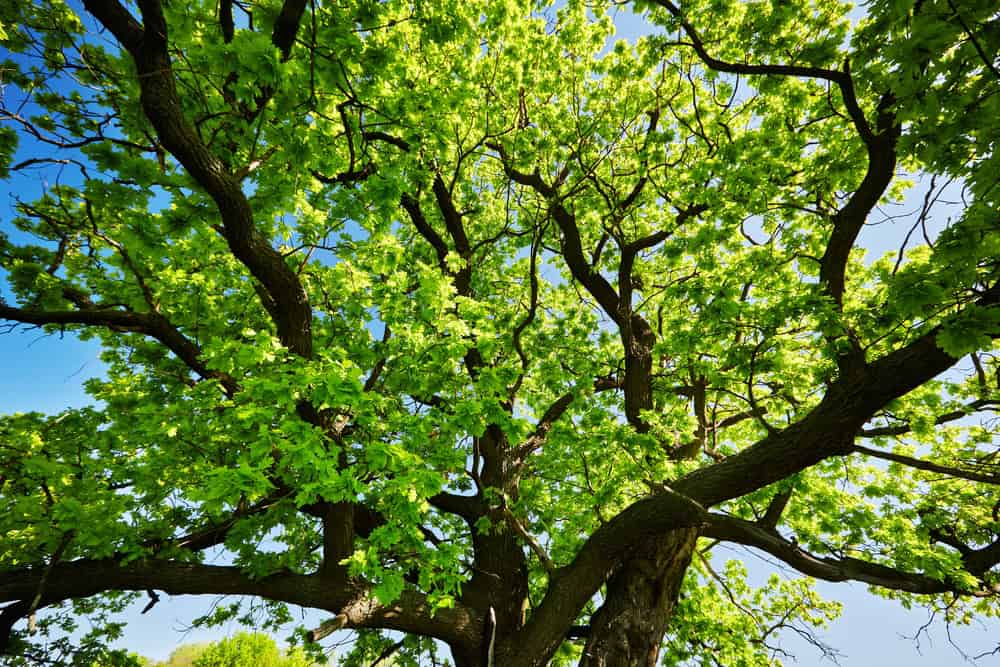
The Live Oak is a star among Texas tree species, known for its sprawling canopy that can spread over 80 feet across. This wide reach provides excellent shade, making it ideal for large residential yards and urban landscapes alike. Homeowners seeking natural cooling during the hot summer months benefit from this tree’s ability to lower surrounding temperatures significantly. The broad branches create an inviting outdoor space, perfect for family gatherings or quiet moments in nature.
Durability sets the Live Oak apart, not only in its beauty but also in its resilience. This species tolerates various soil conditions and drought, making it well suited for Texas’s diverse climatic zones. Its robust structure enables it to withstand storms and strong winds, adding a layer of security to properties. With proper care, a Live Oak can thrive for centuries and enhance the landscape long term.
Additionally, Live Oaks provide crucial support for local wildlife. Their expansive canopy offers nesting sites for birds and shelter for smaller mammals, and their acorns serve as a dependable food source in fall. To keep your trees in peak condition, explore our tree injections and ornamental care services.
Features:
- Evergreen or semi-evergreen foliage
- Broad, sprawling canopy providing excellent shade
- Long lifespan, often living for centuries
Benefits:
- Exceptional drought tolerance once established
- Supports diverse wildlife, including birds and squirrels
Care Tips:
- Plant in full sun with well-drained soil
- Avoid overwatering to prevent root rot
- Prune only in late winter to reduce oak wilt risk
Red Oak: Quercus shumardii & Quercus texana
Texas Red Oak stands out for its beautiful fall foliage, showcasing stunning shades of red and orange, a feature that attracts attention like that of the common oak. This annual transformation makes it a striking addition to Texas landscapes. Homeowners can enjoy the changing colors throughout autumn while providing an eye-catching focal point in their yards. The vibrant display attracts attention and enhances the overall appeal of any garden or green space.
This oak species thrives in various soil types, demonstrating impressive adaptability to Houston's diverse climates and terrains. From sandy soils to clay-rich environments, Texas Red Oaks establish themselves rapidly and grow robustly. Their resilience to different conditions allows landscapers to successfully integrate them into numerous designs without the hassle of extensive soil preparation.
Moreover, Texas Red Oak is highly beneficial for local wildlife, particularly local bird populations. The acorns produced by this tree serve as a vital food source for many species throughout the winter months. Birdwatchers and nature enthusiasts will find joy in observing a variety of avian visitors attracted to these trees. By choosing this oak for your landscape, you not only enhance your property but also contribute positively to the surrounding ecosystem. Learn how our pest control and lawn pests services can help support a balanced environment around your Red Oaks.
Features:
- Deciduous with brilliant red fall foliage
- Upright growth form, ideal for urban and residential areas
- Fast-growing compared to other oaks
Benefits:
- Adaptable to various soil types
- Strong wood structure, resistant to storm damage
Care Tips:
- Plant in areas with good drainage
- Water regularly during establishment
- Fertilize in early spring for optimal growth
Northern Red Oak: Quercus rubra
Northern red oak, known scientifically as Quercus rubra, is a remarkable addition to any Texas landscape. This tree grows rapidly and can establish itself quickly in various planting sites, much like the resilient Mexican oak. Its fast growth rate allows homeowners and landscapers to create shaded areas without the long wait typically associated with slower-growing species. Moreover, the northern red oak's resilience enables it to thrive even in challenging urban environments, similar to the robust characteristics of the Texas oak.
One of the significant advantages of the northern red oak is its proven ability to tolerate urban pollution. Many cities in Texas experience air quality issues due to traffic and industrial activities. The northern red oak withstands these conditions well while providing benefits such as reduced carbon dioxide levels and improved air quality for inhabitants. Planting this tree can contribute positively to urban ecology by helping mitigate environmental impacts.
The strength of the wood produced by Northern red oaks further enhances their appeal. Valued for its durability, this hardwood finds extensive use in furniture making, flooring, and cabinetry. Homeowners looking for a sustainable option will appreciate that when cared for properly, these trees can yield quality timber while enriching their landscapes visually and environmentally.
In summary, the northern red oak presents an excellent choice for both beauty and practical landscaping needs in Texas. Its rapid growth, pollution tolerance, and high-quality wood make it a valuable asset for any property owner looking to enhance their outdoor space sustainably. Consider pairing it with our total lawn & pest protection package for long-term tree and turf support.
Features:
- Deciduous with striking red and orange fall foliage
- Upright, space-efficient growth habit
- Fast-growing compared to other oaks
Benefits:
- Adaptable to a wide range of soil types
- Provides seasonal color and shade
- Strong wood resistant to storm damage
Care Tips:
- Water regularly during establishment
- Fertilize in early spring for optimal growth
- Plant in well-draining soil with good sunlight
Chinkapin Oak: Quercus muehlenbergii
Chinkapin Oak, scientifically known as Quercus muehlenbergii, thrives in environments that pose challenges for many plants. It adapts well to dry conditions and rocky soils, making it an excellent choice for homeowners with less-than-ideal landscaping situations. This oak variety often finds its place in upland forests and open areas across Texas. Its adaptability enables it to flourish even where water may be limited, allowing it to play a significant role in improving soil quality and preventing erosion.
One of the notable features of the Chinkapin Oak is its production of acorns, which supports wildlife and enhances the local ecosystem, much like the acorns of the post oak. These acorns serve as a critical food source for various local animals including squirrels, deer, and numerous bird species. Their nutritional value enhances the ecosystem's health by supporting diverse wildlife populations.
In addition to its ecological contributions, the Chinkapin Oak offers remarkable aesthetic appeal with its unique leaf structure. The leaves are characterized by their deep lobes and glossy green appearance during the growing season, turning an attractive golden-yellow in autumn. Such seasonal changes enhance any landscape design while offering striking visuals throughout the year. Landscapers looking to add character and resilience would benefit from incorporating this oak into their designs. Support its soil conditions with our moisture management treatment plans.
Features:
- Deciduous with deeply lobed, glossy green leaves
- Adapts to dry, rocky soils
- Produces wildlife-attracting acorns
Benefits:
- Enhances soil quality and prevents erosion
- Supports diverse wildlife
- Attractive golden-yellow fall color
Care Tips:
- Plant in full sun to partial shade
- Provide well-drained soil
- Minimal watering after establishment
Bur Oak: Quercus macrocarpa
The Bur Oak stands out for its impressive size and unique features, particularly its large acorns, which serve as a vital food source for various wildlife species. These acorns can attract an array of animals, including squirrels, deer, and numerous bird species.
Once established, the Bur Oak exhibits remarkable drought resistance. This adaptability makes it an ideal choice for Texas homeowners looking to conserve water without sacrificing beauty. Its deep roots allow it to access moisture stored deeper in the soil during dry spells. This feature is especially beneficial in regions where rainfall may be sporadic or insufficient throughout the year.
In addition to its ecological benefits, the Bur Oak plays a crucial role in creating diverse habitats within landscapes. Its broad canopy provides ample shade and shelter for understory plants and animals alike. Consequently, planting this oak variety fosters a thriving ecosystem that attracts beneficial insects and birds while deterring pests harmful to gardens and lawns. Learn more about supporting mature trees with our tree and shrub care services.
Overall, Bur Oaks bring both beauty and functionality to Texas landscapes. They add character with their rugged bark and grand stature while supporting wildlife populations vital to maintaining healthy ecosystems. Choosing this oak variety will not only elevate your outdoor space but contribute positively to local environmental efforts.
Features:
- Large stature with broad canopy
- Produces the largest acorns among North American oaks
- Rugged, deeply furrowed bark
Benefits:
- Creates extensive shade
- Attracts and supports wildlife
- Thrives in diverse Texas climates
Care Tips:
- Plant in full sun with deep, fertile soil
- Allow ample space for canopy and roots
- Water regularly until established
Learn about our Tree Care Services for all Texas oak varieties
Post Oak: Quercus stellata
Post Oaks are rugged Texas natives, thriving in sandy or rocky soils where other trees may fail. They are slow-growing but incredibly resilient, with thick trunks and a distinctive, weathered appearance. They require minimal care once established and are highly drought tolerant.
Post Oaks are ideal for low-maintenance landscapes and provide food and shelter for local wildlife. Their roots are sensitive to disturbance, so it’s important to choose planting locations carefully.
Features:
- Slow-growing with a sturdy trunk
- Native to Texas and drought tolerant
- Unique, rugged appearance
Benefits:
- Excellent for low-maintenance landscapes
- Provides food and shelter for wildlife
- Thrives in poor soil conditions
Care Tips:
- Avoid disturbing roots
- Plant in well-drained sandy or rocky soil
- Minimal watering after establishment
Blackjack Oak: Quercus marilandica
Blackjack Oaks are small to medium-sized trees with leathery leaves and dark, rugged bark. They flourish in dry, sandy, or rocky soils, often in areas where more delicate trees cannot survive. Their smaller stature makes them suitable for rustic or natural landscapes.
These hardy oaks are easy to care for and require minimal maintenance once established. They add a distinctive character to a property and support local ecosystems by providing food and shelter for wildlife.
Features:
- Small to medium size with leathery leaves
- Dark bark and rugged form
- Grows in poor soil conditions
Benefits:
- Low maintenance once established
- Provides habitat and food for wildlife
- Adds character to rustic landscapes
Care Tips:
- Plant in dry, well-drained sites
- Minimal pruning needed
- Water sparingly after establishment
Learn about our Tree Care Services for all Texas oak varieties
White Oak: Quercus alba
The White Oak is a smart choice for homeowners and landscapers in Texas due to its impressive longevity and high-quality timber, much like the revered Texas oak tree. With a lifespan that can exceed 300 years, this tree offers an enduring presence in any landscape, paralleling the longevity of the shumard oak. Its strong wood is not only prized in construction but also recognized for its use in furniture making and barrel production, similar to the valued timber of the red oak tree. This versatility can add economic value to property while enhancing the beauty of outdoor spaces.
One of the notable ecological benefits of the White Oak is its role in supporting diverse insect populations. The tree's foliage serves as a food source for many caterpillars, which attract birds and other wildlife. In turn, these insects create a favorable environment for larger animals by providing essential nutrients within the local ecosystem. Homeowners will find that planting a White Oak not only beautifies their property but fosters biodiversity, enhancing the overall health of their gardens.
The White Oak thrives best in well-drained soil conditions; however, it demonstrates remarkable adaptability by tolerating some moisture. This trait allows it to fit well within various landscaping designs; whether positioned near water features or integrated into drier areas of a yard, including the adaptable lacey oak. Its impressive canopy provides ample shade during warm Texas summers, making it perfect for outdoor living spaces or shaded play areas.
When selecting trees for your landscape, consider incorporating the White Oak alongside other native species to promote diversity and resilience. This variety opens opportunities to create dynamic environments with varying heights and textures while supporting local wildlife habitats effectively. Embrace the many advantages of the White Oak as you enhance your Texas landscape with a native treasure that stands the test of time. Our full-service lawn & ornamental package offers the year-round care your trees deserve.
Features:
- Deciduous with light gray bark and rounded leaves
- Produces sweet acorns favored by wildlife
Benefits:
- Long-lived and disease-resistant
- Thrives in acidic to neutral soils
Care Tips:
- Plant in full sun with room to grow
- Avoid compacted soils to encourage deep rooting
- Mulch to retain soil moisture and protect roots
Preventing Oak Wilt and Other Diseases
Oak wilt is one of the most serious threats to Texas oaks, especially red oaks and live oaks. Prevention measures include:
- Pruning only during dormant months
- Sterilizing pruning tools between cuts
- Using wound sealants when necessary
Read more about our Tree Injections for disease prevention
Frequently Asked Questions
Which Oak Tree Grows Fastest in Texas?
The Shumard Red Oak is widely recognized as one of the fastest developing oak species in Texas. Under favorable soil, moisture and sunlight conditions, it commonly adds 2–3 feet of height each year. Homeowners appreciate it not only for this rapid growth but also for its strong structure, vibrant red fall color and impressive adaptability.
Shumard Red Oaks tolerate a wide range of soil types found throughout North and Central Texas, including slightly alkaline clay soils that challenge many other hardwoods. With consistent hydration during the establishment period, this species develops a deep root system capable of supporting long-term health and steady upward growth. Its ability to thrive in both urban and rural environments makes it a frequent choice for people who want noticeable growth within the first several years of planting.
When paired with proper soil preparation, adequate spacing and long-term care, Shumard Red Oaks become reliable, fast-growing shade providers suitable for landscapes, parks and large open areas.
Which Oak is Best for Shade?
For broad, dependable shade in Texas landscapes, Live Oaks stand at the top of the list. Their wide, sweeping canopies stretch horizontally, covering large portions of lawn or outdoor living areas. Mature Live Oaks often create a natural protective umbrella effect, moderating temperatures beneath the canopy and providing comfort during hot summer months.
Their dense evergreen foliage offers year-round coverage, unlike many deciduous species that lose leaves seasonally. This makes Live Oaks particularly valuable for residential and commercial properties where consistent shade is desired. Additionally, they are exceptionally long-lived, capable of thriving for generations with minimal structural issues when established properly.
Texas environments suit them well thanks to their high drought tolerance, soil adaptability and resilience under heat stress. Whether planted as a single feature tree or in clusters along property lines, Live Oaks remain one of the most dependable choices for maximum shade.
How Can I Protect My Oak from Oak Wilt?
Oak Wilt is one of the most serious threats to oak species in Texas, and prevention is the most effective strategy. One of the most important steps is to avoid any activity that creates fresh openings on branches during active growing seasons, especially in late spring and early summer. Openings created during this time can attract insects that transport fungal spores to healthy trees.
What is the most common oak tree in Texas?
Live oak is the most widely planted and recognized oak across Texas, prized for its spreading canopy and long life. Post oak dominates many native woodlands, including large parts of Tarrant County, where it grows naturally in sandy and rocky soils.
How do I tell what kind of oak tree I have?
Leaf shape is the fastest clue. Rounded lobes point to the white oak group, while pointed lobes with bristle tips indicate red oaks. Acorn size, bark texture, and growth habit narrow it further. Our arborists can identify your oaks during a free on-site evaluation.
Homeowners should also watch closely for signs of stress such as leaf dulling, unusual bronzing, early leaf drop or progressive canopy thinning. Early detection is essential because Oak Wilt progresses quickly once established.
Additional ways to reduce risk include:
- Preventing unnecessary surface wounds on trunks and limbs.
- Keeping root zones healthy by avoiding soil compaction and maintaining proper hydration.
- Separating susceptible species from infected areas when possible.
- Consulting a certified specialist if symptoms appear, as Oak Wilt management requires very specific evaluation and treatment methods.
Proactive monitoring and careful seasonal timing of any work involving branches are vital to protecting valuable oaks across Texas landscapes.
Final Thoughts
Selecting the right oak variety can dramatically elevate the beauty, health, and longevity of your Texas landscape. When choosing the ideal tree, consider your property’s microclimate, available space, and long-term goals for shade and aesthetics. Each oak species, from the hardy Live Oak to the fast-growing Shumard Oak, offers unique advantages that align with Texas’s diverse soil and weather conditions. These trees not only add timeless character but also provide valuable shade, habitat for wildlife, and natural cooling benefits that enhance any outdoor space.
To keep your oaks thriving year after year, trust the professionals at Trees Hurt Too. Our full service lawn and ornamental packages are designed to deliver complete care for your landscape, from soil health and fertilization to disease prevention and pest control. Whether you’re planting new oaks or maintaining mature specimens, our certified team has the expertise to protect your investment and preserve your property’s natural beauty. Contact Trees Hurt Too today to schedule an evaluation and discover why homeowners across our service areas rely on us for all their tree-related services.