

Sunscald and Bark Damage Trees DFW
Protect Your Trees from Sunscald and Bark Damage As May arrives in the Dallas-Fort Worth area, homeowners begin to enjoy …


Locally owned and family operated, proudly serving North Texas. Get your free, no-obligation quote. Or call (972) 521-1552.
Free QuoteProper root zone mulching is one of the highest-value and most consistently underutilized tree health practices available to North Texas homeowners. In a region where Blackland Prairie clay soils bake in summer heat to temperatures that can exceed 140 degrees Fahrenheit at the surface, where summer drought stresses tree root systems for months at a time, and where urban development has compacted soil around established trees for decades, a correctly applied organic mulch layer addresses multiple critical stress factors simultaneously. At the same time, incorrectly applied mulch, piled against tree trunks in the volcano style seen throughout DFW neighborhoods, is one of the most common sources of chronic bark damage and structural tree health problems in the region. Trees Hurt Too, Inc. provides ISA Certified Arborist guidance on proper root zone mulching as part of our comprehensive tree health care approach throughout Tarrant County and the DFW area.
"Mulch is one of those practices where doing it right costs the same as doing it wrong, but the outcomes are completely different. Two to four inches of organic wood chip mulch correctly applied out to the drip line with a proper gap around the trunk is one of the most effective things you can do for a North Texas tree. The same volume of mulch piled up against the trunk in the volcano style is actively damaging that tree every single day. When I see the volcano mounds on established trees in residential neighborhoods I know those trees have been dealing with chronic bark stress that has nothing to do with disease or pests." Ken, ISA Certified Arborist Tx-3265-A | Owner, Trees Hurt Too, Inc.
We provide free on-site evaluations throughout Tarrant County. Call (972) 521-1552 to schedule your evaluation or visit our Tree Health Care and Arborist Services page.
The benefits of proper root zone mulching directly address the specific stress factors that challenge trees in the North Texas environment.
During North Texas summers, bare soil surface temperatures routinely reach extreme levels that create significant thermal stress at the root zone. A properly applied organic mulch layer insulates the soil surface and can reduce root zone soil temperatures by 10 to 20 degrees Fahrenheit compared to bare exposed soil. This temperature moderation makes a measurable difference in the thermal stress experienced by feeder roots and helps maintain root zone conditions where normal root function continues despite above-ground heat extremes.
North Texas drought periods can extend for weeks or months, creating severe root zone moisture deficits in trees that lack mulch protection. Organic mulch significantly slows the evaporation of soil moisture between irrigation or rain events, extending the period between watering requirements and reducing the severity of drought stress at the root level. This moisture retention benefit is especially valuable during the extended summer dry periods that are a routine feature of the North Texas climate.
In established residential landscapes, foot traffic over the root zone area is a primary driver of the soil compaction that limits root zone oxygen and nutrient access over time. Organic mulch distributes the impact of foot traffic over a wider surface area and prevents the direct clay surface compaction that accumulates over years of residential use. This compaction prevention is one of the most underappreciated long-term benefits of maintaining consistent root zone mulch around established trees. For more on how compaction affects tree health visit our tree root zone aeration page.
As organic mulch decomposes it feeds the beneficial microbial communities and mycorrhizal fungi that are essential for nutrient cycling and soil structure. Urban soils in Tarrant County are largely depleted of the biological activity that native soils support. Consistent organic mulch application gradually rebuilds this biology, improving the long-term nutrient availability and soil structure around tree root zones. This biological benefit compounds over multiple years of consistent mulch application and complements our deep root feeding program which directly inoculates the root zone with beneficial mycorrhizal fungi.
Turf grass and weeds growing within the tree's root zone compete directly with tree roots for water and nutrients. A properly applied mulch layer suppresses this competition and reserves the root zone resources for the tree. Eliminating turf competition within the root zone has been shown to significantly improve tree growth rates in urban environments.
Oakley says...
No charge. No obligation. An ISA Certified Arborist visits your property and gives you honest answers before recommending anything.
The most important rule in mulch application is maintaining a six-inch gap between the mulch and the trunk base. Mulch in contact with the bark creates the chronically moist conditions that promote fungal bark diseases, provide habitat for bark-boring insects and rodents, and can cause girdling roots and stem rot that structurally compromise the tree over time. This gap must be maintained every time mulch is refreshed.
Volcano mulching, piling mulch against the trunk in a cone or mound shape, is one of the most common and most damaging tree care practices in residential landscapes throughout DFW. Trees with volcano mulch show elevated rates of bark disease, stem rot, rodent damage, and chronic structural decline. The damage accumulates invisibly for years before it manifests as visible tree health problems. Correcting volcano mulch by pulling it back from the trunk and adding a proper gap immediately begins allowing the trunk flare area to dry and recover.
The ideal mulch depth for established trees in North Texas is two to four inches. Less than two inches provides insufficient moisture retention and temperature moderation benefit. More than four inches creates anaerobic conditions that promote root rot and can prevent adequate oxygen exchange at the root level. When applying new mulch over existing decomposed material, maintaining this total depth including the existing layer is the target.
Mulch coverage should extend from the trunk gap outward to the drip line of the tree, which represents the outer extent of the root zone. In practice, extending mulch as far toward the drip line as possible in residential landscapes provides more benefit than limiting mulch to a small ring immediately around the trunk. The most critical zone for moisture retention and temperature moderation is the area within two to three feet of the trunk, but coverage extending outward provides additional benefit.
Proper root zone mulching is a foundational disease prevention practice in North Texas tree care. Trees with properly mulched root zones show measurably better resistance to the major disease and pest conditions affecting DFW trees.
For more detail on how root zone health connects to disease resistance visit our tree disease treatment page and our hypoxylon canker treatment page.
Your Tree Cannot Wait
Early diagnosis is the difference between saving and losing a tree. Call our ISA Certified Arborist directly for same-week evaluations throughout the DFW area.
(972) 521-1552Free on-site evaluation • No obligation • Honest answers
Our ISA Certified Arborist provides root zone mulching assessment and guidance throughout the DFW metroplex as part of every tree health evaluation. Proper mulch application guidance is especially important in established neighborhoods throughout Tarrant County where volcano mulching has been common practice for years. Key communities include Fort Worth, Keller, Southlake, Colleyville, and Arlington. Call (972) 521-1552 to schedule your free evaluation.
Proper root zone mulching moderates extreme summer soil temperatures, retains moisture during drought, prevents compaction from foot traffic, improves soil biology as it decomposes, and suppresses weed competition. Each of these benefits directly addresses the major stress factors that make North Texas tree health so challenging in clay soils and extreme summer conditions.
Two to four inches is the ideal depth for North Texas trees. Less than two inches provides insufficient benefit. More than four inches creates anaerobic conditions harmful to roots. Mulch should extend from a six-inch gap at the trunk outward toward the drip line as far as practical.
Volcano mulching piles mulch against the trunk in a cone shape. This keeps bark chronically moist, promotes fungal bark diseases, provides habitat for damaging insects and rodents, and can cause girdling roots and stem rot. Correcting volcano mulch by establishing a proper trunk gap is one of the most important steps for trees currently receiving this treatment.
Organic arborist wood chip mulch or shredded hardwood mulch are the best choices. They decompose slowly while improving soil biology and providing all temperature, moisture, and compaction benefits. Avoid rubber mulch which provides no soil biology benefit and fine cypress mulch which can compact and repel water.
A properly applied mulch layer can reduce root zone soil temperatures by 10 to 20 degrees Fahrenheit compared to bare soil during peak summer heat, and significantly slows moisture evaporation between rain and irrigation events. These combined benefits meaningfully reduce the thermal and drought stress that North Texas trees experience at the root level during summer.
Refreshing mulch annually maintains the optimal depth as existing material decomposes. Add new mulch on top of existing decomposed material rather than removing it, since the decomposed layer is actively improving soil biology. Maintain the trunk gap each time.
Yes. Our certified arborist assesses current mulch conditions and provides proper application guidance as part of every tree health evaluation. Call (972) 521-1552 or request your evaluation through our contact page.
Trees Hurt Too provides ISA Certified Arborist tree root zone mulching guidance throughout Tarrant County and the DFW metroplex. View our complete service area or call (972) 521-1552. For additional information on tree mulching research visit the Texas A&M AgriLife Extension.
Protect Your Trees Year-Round
Our certified arborist-supervised annual programs include:
On-site evaluation and custom program quote
Get My Custom Program QuoteNo contracts • Cancel anytime
Stay informed about lawn care, tree care and pest related issues in your area!
Protect Your Trees from Sunscald and Bark Damage As May arrives in the Dallas-Fort Worth area, homeowners begin to enjoy …
Why Trees Drop Leaves in May in the Dallas-Fort Worth Area If you’ve noticed leaves scattered across your lawn in …
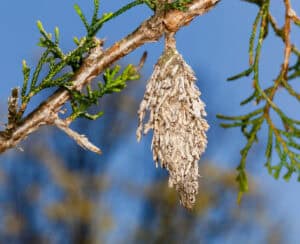
Identify and control bagworms before they damage your North Texas trees and shrubs this season.