
Summer Pest Pressure in North Texas Homes

The smartest way to protect your trees, lawn, and Home
Locally owned and family operated, proudly serving North Texas. Get your free, no-obligation quote. Or call (972) 521-1552.
Free Quote
Summer Pests in North Texas Homes
Summer is the peak of the pest year in North Texas. Roaches, crickets, spiders, mosquitoes, and fire ants all reach their highest activity as the heat sets in, and the same triple-digit stretches that stress lawns and trees push pests straight toward the one reliable source of shade, moisture, and food in the neighborhood: your home. Understanding how heat changes pest behavior is the key to staying ahead of it.
Trees Hurt Too Inc. is locally owned and family operated, serving Fort Worth and surrounding Tarrant County for over 28 years. From Arlington and Grand Prairie to Keller, Southlake, and North Richland Hills, we see the same summer pattern every year, and our quarterly service is timed to meet it. This page covers the pests that dominate a North Texas summer, why the heat drives them indoors, and how an ongoing protection plan keeps your home comfortable straight through August.

Heat Changes How Pests Behave
Pests respond to summer the same way people do: they look for water and cooler shelter. When the topsoil dries out and daytime highs hold in the upper 90s, insects that normally live in the landscape start migrating toward foundations, garages, and any gap that leads inside.
Tarrant County's clay soil makes this pattern stronger. As clay dries, it shrinks and cracks, opening gaps along foundations and pulling away from slabs. Those cracks give roaches, crickets, and ants a protected highway right up to the house, and the slight moisture that lingers under a slab becomes some of the most attractive habitat on the block. Neighborhoods with mature trees and irrigated lawns, common across Fort Worth, Colleyville, and Hurst, concentrate that moisture even further.
Evening irrigation, condensation lines, pet water bowls, and shaded mulch beds all become gathering points. Summer pest control is largely moisture management: treat where pests travel, and reduce the water and harborage that pull them in.
The Usual Suspects of a North Texas Summer
Five pests account for most summer service calls across Tarrant County. Each one is responding to heat in its own way.
Roaches Seeking Moisture
American and smokybrown roaches thrive outdoors in summer, living in mulch, wood piles, sewers, and tree hollows. As conditions dry out, they move toward kitchens, bathrooms, and water heaters. Our cockroach guide covers the species North Texas homeowners encounter most. Exterior perimeter treatment intercepts roaches at the foundation before they find a way in, which matters most during the driest weeks of summer.
Crickets Around Foundations
Cricket numbers build through the summer and often surge dramatically in late summer, when field crickets gather by the hundreds around porch lights, garage doors, and brightly lit entryways. Once inside, they are noisy, persistent, and attractive prey for spiders. Our page on cricket control for North Texas homes explains the seasonal cycle and the treatment approach that works.
Spiders Following the Food
Spider activity climbs in summer for a simple reason: their prey is everywhere. Webs multiply around eaves, light fixtures, and shrubs, and hunting spiders follow crickets and roaches indoors. Controlling the insects spiders feed on is the most effective way to bring spider numbers down, which is why perimeter service reduces both at once.
Mosquitoes After Every Rain
Summer thunderstorms leave standing water in gutters, planters, and low spots, and warm, humid air lets mosquito populations rebound within days. Consistent management through the season, rather than one-off efforts, is what keeps a backyard usable in July. Our In2Care mosquito control service targets mosquitoes at both the larval and adult stages and is included in our Premium membership tier.
Fire Ants in the Yard
Fire ant mounds spread across North Texas lawns through the warm months, especially after rain briefly softens the clay. Mounds near patios, play areas, and garden beds turn the yard into a hazard for kids and pets. Yard treatment with fire ant control is part of our Pest Package Plus and Premium plans, so the lawn gets the same scheduled attention as the house.
A Season That Rewards Consistency
Summer pest pressure in North Texas does not arrive as a single wave; it builds week after week from June into September. One-time treatments fade right as the pressure peaks. Quarterly service keeps the exterior barrier refreshed through the hottest stretch, and free callbacks mean that any flare-up between visits gets handled at no extra charge.
Our membership covers the full summer lineup. The base Pest Package, starting at $47 per month, includes roaches, crickets, spiders, ants, wasps, silverfish, and earwigs, with exterior perimeter treatment every quarter and interior service on request. Plus, starting at $67 per month, adds yard treatment with fire ant control plus mice and rat coverage. Premium, starting at $77 per month, adds mosquito control and flea and tick service, the two add-ons summer households ask for most. You can compare membership plans and pricing and enroll before the next heat wave arrives.

What a Summer Service Visit Covers
A summer visit from Trees Hurt Too Inc. focuses on the pressure points heat creates. Your technician treats the full exterior perimeter and gives particular attention to the places summer pests actually use:
- Foundation cracks and weep holes opened up by shrinking clay soil
- Door thresholds, garage door corners, and utility penetrations that crickets and roaches travel after dark
- Eaves, light fixtures, and covered porches where spiders concentrate their webs
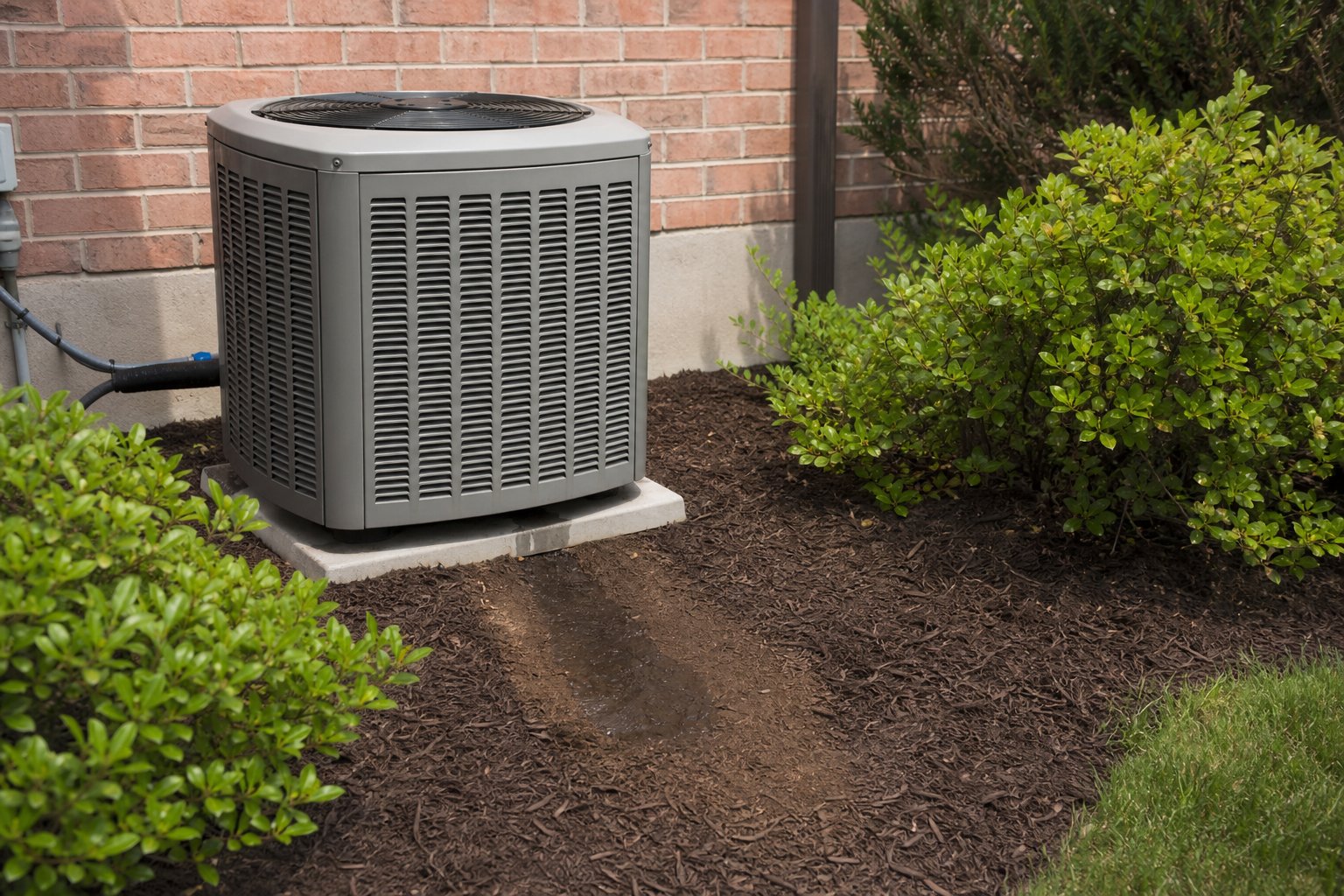
- Irrigated beds, drip lines, and AC condensation zones that draw moisture-seeking pests
- The yard itself on Plus and Premium plans, including fire ant treatment
Interior service is available on request with every plan at no extra charge, and each visit doubles as an inspection, so new activity gets caught while it is still small. In a season where conditions change with every heat wave and every storm, that regular set of trained eyes on the property is worth as much as the treatment itself.
Summer Habits That Keep Pests Out
A few practical habits make professional treatment work even harder during the hottest months:
- Water the lawn in the early morning so surfaces dry by evening
- Empty standing water within 2–3 days of every storm
- Switch porch lights to warm-toned bulbs, which draw fewer crickets and the spiders that follow them
- Keep garage doors closed at dusk, when crickets and roaches are most active
- Seal gaps under doors and around utility penetrations before the late-summer cricket surge
- Keep mulch a few inches back from the slab and store firewood away from the house
Seasonal timing matters as much as technique. Our month-by-month North Texas pest calendar shows exactly when each summer pest peaks so you know what is coming next.
Frequently Asked Questions: Summer Pests in North Texas
1. Why do I see more roaches inside during the hottest weeks?
Extended heat and drought dry out the outdoor harborage roaches prefer, so they follow moisture indoors through weep holes, door gaps, and plumbing penetrations. Exterior treatment at the foundation line intercepts them before they get inside.
2. When do crickets get so bad in North Texas?
Cricket numbers build all summer and typically surge in late summer, when field crickets swarm around lights on storefronts, porches, and garages. Treating the perimeter and adjusting outdoor lighting before that surge keeps most of them outside.
3. Do fire ants get worse after summer rain?
Rain softens dry clay and prompts fire ants to rebuild and relocate mounds, which is why fresh mounds seem to appear overnight after a storm. Scheduled yard treatment through our Plus and Premium plans manages colonies rather than just knocking down visible mounds.
4. Can mosquitoes really be managed in a Texas summer?
Yes. The combination of removing standing water and running In2Care traps, which target larvae and adult mosquitoes at the same time, brings populations down noticeably and keeps them down when serviced consistently through the season.
5. Does the summer heat slow pests down at all?
Extreme afternoon heat pushes many pests to shift activity to early morning and evening, and it drives them toward shaded, moist, protected areas. Activity does not stop; it concentrates, usually closer to your house.
6. Is quarterly service enough during peak summer?
For most homes, yes, because each visit refreshes the exterior barrier ahead of the next seasonal wave. When something flares up between visits, membership includes free callbacks, so a technician returns at no added cost.
7. Which membership tier fits summer problems best?
Households dealing mainly with roaches, crickets, and spiders are well covered by the base Pest Package. Yards with fire ant mounds fit Plus. Families who want mosquito and flea and tick coverage folded in should look at Premium.
8. Do summer pests go away on their own in the fall?
They relocate rather than disappear. As nights cool, the summer population starts looking for winter shelter, and unsealed homes are the first stop. Our fall pest-proofing guide covers how to close that door before the handoff happens.
Helpful Links:
Take Back Your Summer
Trees Hurt Too Inc. has served Fort Worth and surrounding Tarrant County for over 28 years, and summer is when scheduled protection proves its worth. Your home and yard can stay comfortable straight through the hottest months.
Call: (972) 521-1552 | Text: (972) 521-1552 or request your free, no-obligation quote today.