
North Texas Home Pest Calendar: Month by Month

The smartest way to protect your trees, lawn, and Home
Locally owned and family operated, proudly serving North Texas. Get your free, no-obligation quote. Or call (972) 521-1552.
Free Quote
The North Texas Pest Season Calendar
North Texas has a pest season that never fully closes. Mild winters, hot summers, and clay soil that swings between soaked and cracked keep some pests active around Tarrant County homes in every month of the year. The pests change, but the pressure never drops to zero, which is why the most useful question is not whether pests are active, but which ones are active right now.
This calendar answers that question month by month. Trees Hurt Too Inc. is locally owned and family operated, serving Fort Worth and surrounding Tarrant County for over 28 years, and this schedule reflects what our technicians see on real service routes in Arlington, Mansfield, Keller, Grapevine, and across the Mid-Cities every year. Use it to know what is coming, what to check around your own home, and when each pest page on our site matters most. A quarterly pest membership puts a quarterly service visit in each of the four seasons below, so the treatment schedule matches this calendar automatically.

Winter: January and February
Winter pest activity in North Texas happens mostly indoors, where heated wall voids, attics, and cabinets stay comfortable no matter what the weather does outside.
January
January belongs to the pests that moved in during fall. Mice and rats are at their most noticeable now, scratching in attics at night and leaving droppings in garages and pantries. German roaches thrive in warm kitchens and bathrooms year-round and often surge after holiday cooking and grocery traffic. Silverfish work quietly through stored boxes, books, and closets. Cold snaps outside concentrate all of this activity indoors, which makes January a productive month for interior service.
February
February is the quiet month that rewards preparation. Rodent activity continues indoors, and the first warm afternoons stir ants and overwintered insects briefly out of cover. This is also the last calm window before subterranean termites begin their spring swarms, which makes it the smart month to put preventive termite protection in place. Treatment installed in February is standing guard when swarm season opens.
Spring: March Through May
Spring is the wake-up call. Warming soil and spring rain restart nearly every pest cycle at once, and the populations that get established now define how difficult summer will be. Our full guide to spring pest control for North Texas homes covers this season in depth.
March
March brings the first big wave of ant activity as colonies expand and rain pushes foragers toward foundations and kitchens. Overwintered wasp queens emerge and begin scouting nest sites under eaves and porch ceilings, the ideal moment for wasp control because nests are still small or not yet built. Termite swarmers can appear on warm days after rain, so keep an eye on windowsills for shed wings.
April
April is when mosquitoes ramp up in earnest, breeding in every rain-filled container and low spot. Carpenter ants become active in moisture-damaged wood around eaves, decks, and fences, and winged carpenter ant swarmers may show up indoors. Fleas and ticks pick up alongside pet activity in warming yards. Termite swarm season continues through the month.
May
May closes out spring with heavy outdoor pressure. Mosquito populations climb with every storm, which is when our In2Care mosquito control service earns its place in the yard. Chinch bugs begin building in sunny patches of St. Augustine lawns. Earwigs flourish in damp mulch beds and slip indoors under door thresholds. Soft, moist soil also means peak tunneling from moles; our mole services page covers the signs.
Summer: June Through August
Summer concentrates pests around the house as heat dries out the landscape. Shade, moisture, and food all sit inside your foundation line, and pests know it. The full picture is on our summer pest pressure guide.
June
June opens the peak season. Crickets begin massing around porch lights and garage doors in the evenings. Spiders multiply wherever their insect prey concentrates, webbing up eaves and light fixtures. Fire ant mounds spread across lawns after late spring rain, and mosquitoes hold steady wherever standing water lingers.
July
July heat drives moisture-seeking pests indoors. American and smokybrown roaches move from dried-out mulch and wood piles toward kitchens, bathrooms, and water heaters. Chinch bug damage shows up as spreading yellow patches in full-sun lawns. Cracked clay soil opens travel routes along foundations, and evening irrigation becomes the neighborhood watering hole for every pest on this page.
August
August is the crescendo. Field cricket numbers surge around lights, spiders follow them indoors, and roach pressure stays high until the heat breaks. Late-summer travel season also makes this the month to check luggage and secondhand furniture for bed bugs before they ride home with you. Fire ants rebuild mounds fast after any August storm.
Fall: September Through November
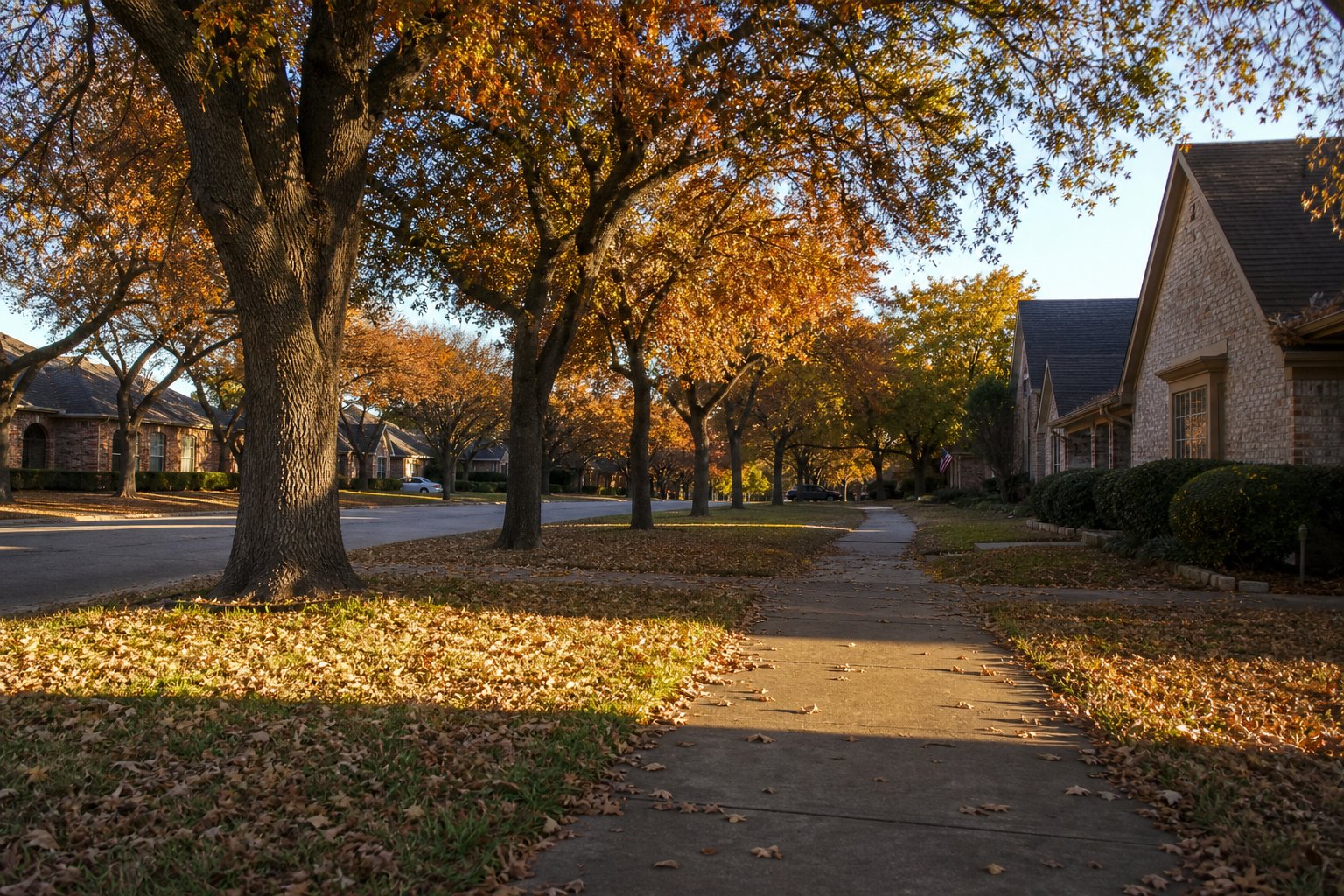
Fall reverses the flow. As nights cool, the year's outdoor pest population starts looking for a warm place to spend winter, and homes that are not sealed and treated become the destination. Our fall pest-proofing guide covers the full checklist.
September
September belongs to wasps and yellow jackets, whose colonies reach maximum size just as their food sources thin out, making them their most persistent around patios and trash cans. Our wasp, hornet, and yellow jacket identification guide helps you tell the species apart. Flea and tick activity stays strong through warm fall days, and crickets continue their late surge.
October
October is exclusion month. Rodents begin probing garage door corners, weep holes, and attic vents as nighttime temperatures drop, and the work done now decides how quiet your winter will be. Our rodent monitoring and exclusion service seals the ground-level entry points, points out any attic-vent gaps so you can have them repaired, and sets monitoring before the push peaks. Overwintering insects, including wasp queens, silverfish, and earwigs, start slipping into wall voids and soffits.
November
November brings the first freezes, and rodent pressure hits its stride. Identifying your visitor matters because mice, roof rats, and Norway rats each require a different response; our guide to mice versus rats in North Texas breaks down the signs. Spiders and roaches settle into garages and storage areas, and the last warm afternoons produce brief flurries of ant and mosquito activity.
December
December
December looks calm from the yard, but indoor ecosystems are fully active: rodents nesting in attics, German roaches in warm kitchens, silverfish in holiday storage boxes coming down from the attic. Unpacking decorations is a natural moment to check stored boxes for droppings, gnaw marks, and insect activity. For help identifying anything you find, our pest library covers every common North Texas home pest in one place.
How to Use This Calendar
The pattern across all twelve months is simple: pest pressure in North Texas rotates, it never stops. Each season hands off to the next, ants to mosquitoes to crickets to rodents, and the homes that stay pest-free are the ones protected on a schedule rather than treated after each wave lands.
That is exactly how our quarterly service is built. One visit in each season refreshes the exterior barrier right before that season's wave arrives, interior treatment is available whenever you request it, and free callbacks cover anything that pops up in between. A season by season protection plan starts at $47 per month, with Plus at $67 per month adding yard treatment, fire ants, and mice and rat coverage, and Premium at $77 per month adding mosquito, flea and tick, and carpenter ant service. Enroll once, and this entire calendar becomes our job instead of yours.
Frequently Asked Questions: The North Texas Pest Season
1. Is there any month with no pest activity in North Texas?
No. Mild winters keep rodents, German roaches, and silverfish active indoors even in January, and any warm winter afternoon can briefly wake outdoor pests. Activity shifts location and species through the year, but it never reaches zero.
2. What is the worst month for pests in Tarrant County?
Late summer generally brings the heaviest combined pressure, when crickets surge, roaches move indoors, spiders follow both, and fire ants and mosquitoes stay strong outside. Fall rodent season is the other peak that catches homeowners off guard.
3. When do termites swarm in North Texas?
Subterranean termite swarms typically happen in spring, most often on warm, humid days after rain. Shed wings on windowsills are the sign homeowners notice most, and prevention placed before swarm season offers the best protection.
4. When should I start mosquito control?
Early spring, before populations climb. Mosquitoes ramp up as temperatures rise and every rain adds breeding sites, so starting treatment ahead of the curve keeps the summer population far lower than reacting in June.
5. When do rodents become a problem for homes?
Rodent pressure on homes builds through October and November as nights cool, and it stays high all winter. Exclusion and monitoring work done in early fall, before the first freeze, prevents most of it.
6. How does quarterly service line up with this calendar?
Each quarterly visit lands in a different season: one ahead of the spring wake-up, one during summer peak, one for the fall rodent push, and one covering winter's indoor activity. Free callbacks between visits handle anything the calendar throws in early or late.
Helpful Links:
- Spring Pest Control for North Texas Homes
- Summer Pest Pressure in North Texas Homes
- Fall Pest-Proofing Before the First Freeze
- Pest Library
- Pest Control Services
Stay a Season Ahead
Trees Hurt Too Inc. has served Fort Worth and surrounding Tarrant County for over 28 years, and every one of those years has followed the calendar above. Protection that rotates with the seasons keeps your home ahead of every wave on this page.
Call: (972) 521-1552 | Text: (972) 521-1552 or request your free, no-obligation quote today.