
Fall Pest-Proofing Before the First Freeze

The smartest way to protect your trees, lawn, and Home
Locally owned and family operated, proudly serving North Texas. Get your free, no-obligation quote. Or call (972) 521-1552.
Free Quote
Fall Pest-Proofing in North Texas
Fall pest-proofing means sealing, treating, and monitoring your home before the first freeze sends pests looking for winter shelter. In North Texas that first real cold snap usually arrives in late fall, and the weeks before it are when mice, rats, and overwintering insects commit to a winter address. Homes that are sealed and protected in October stay quiet all winter; homes that are not become the warmest opening on the street.
Trees Hurt Too Inc. is locally owned and family operated, serving Fort Worth and surrounding Tarrant County for over 28 years. Every fall we walk the same foundations, garages, and attics across Arlington, Bedford, Euless, Mansfield, and Burleson, and the pattern never changes: the pests you keep out in the fall are the pests you never fight in January. This page covers what moves indoors as temperatures drop, how to close the door on it, and how our Pest Package Plus and Premium plans carry that protection through winter.
Cooling Weather Pushes Pests Indoors
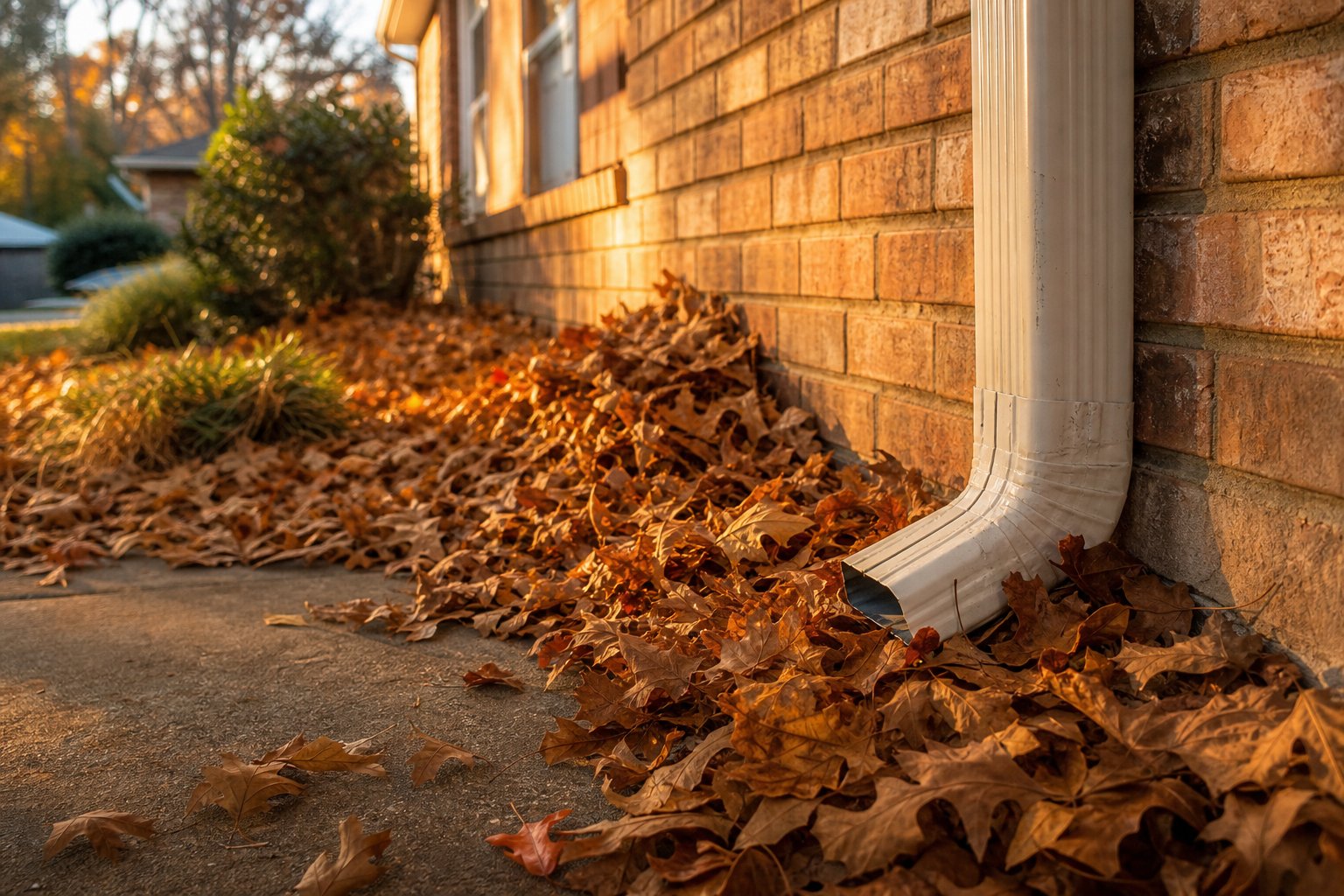
The first cool fronts of fall flip a switch in pest behavior. All summer, food and warmth were outdoors; now both are concentrated inside your walls. Rodents begin probing for entry points as nighttime temperatures fall, and insects that overwinter as adults start slipping into weep holes, soffit gaps, and garage corners.
North Texas falls are long and mild, which works in your favor. There is usually a generous window between the first cool nights and the first freeze, enough time to seal openings, treat the perimeter, and set monitoring in place before pests settle in. The homeowners who use that window well are the ones who never hear scratching in the attic in December.
Rodents Are the Main Event of Fall
Mice and rats drive more fall service calls in Tarrant County than every other pest combined. Attics, wall voids, garages, and the space under decks all offer exactly what rodents want for winter: warmth, cover, and a short commute to food.
Knowing Which Rodent You Have
House mice, roof rats, and Norway rats each behave differently, and the difference changes where we look and how we respond. Roof rats travel tree limbs and fence tops into attics; Norway rats work at ground level; mice squeeze through openings the size of a dime. Our guide to mice versus rats in North Texas walks through droppings, sounds, and other signs so you know what you are dealing with. The broader rodent identification page covers the species in more detail.
Sealing the Entry Points
Rodent control that lasts is built on exclusion: finding and closing the gaps rodents use rather than only responding after they are inside. Common entry points on North Texas homes include garage door corners, weep holes, gaps around utility and AC line penetrations, unscreened attic vents, and openings where fascia boards meet the roofline. Fall is the ideal season for this work because it happens before rodents move in, not after.
Monitoring Through the Cold Months
Sealed homes still need eyes on them, because rodent pressure in an established neighborhood never drops to zero. Our rodent monitoring and exclusion service pairs sealed ground-level entry points with discreet monitoring stations that get checked on your regular quarterly visits, so new activity is caught early instead of months later.
Overwintering Insects Slip In Quietly
Rodents make noise; overwintering insects do not. As days shorten, several insects look for protected spots to wait out the cold, and wall voids, attics, and garages fit perfectly. Overwintered wasp queens tuck into eaves and soffits until spring. Spiders follow the insects that moved inside ahead of them. Silverfish and earwigs settle into the stable humidity of bathrooms, laundry rooms, and storage boxes. Roaches that spent summer outdoors relocate to water heaters and under-sink cabinets.
Most of this movement goes unnoticed until winter, when the pests that slipped in during October show up in January. A fall perimeter treatment intercepts them at the foundation line during the exact weeks they are trying to cross it.
A Fall Pest-Proofing Checklist for North Texas Homes
The essential fall tasks fit in a single weekend, and each one closes a specific door:
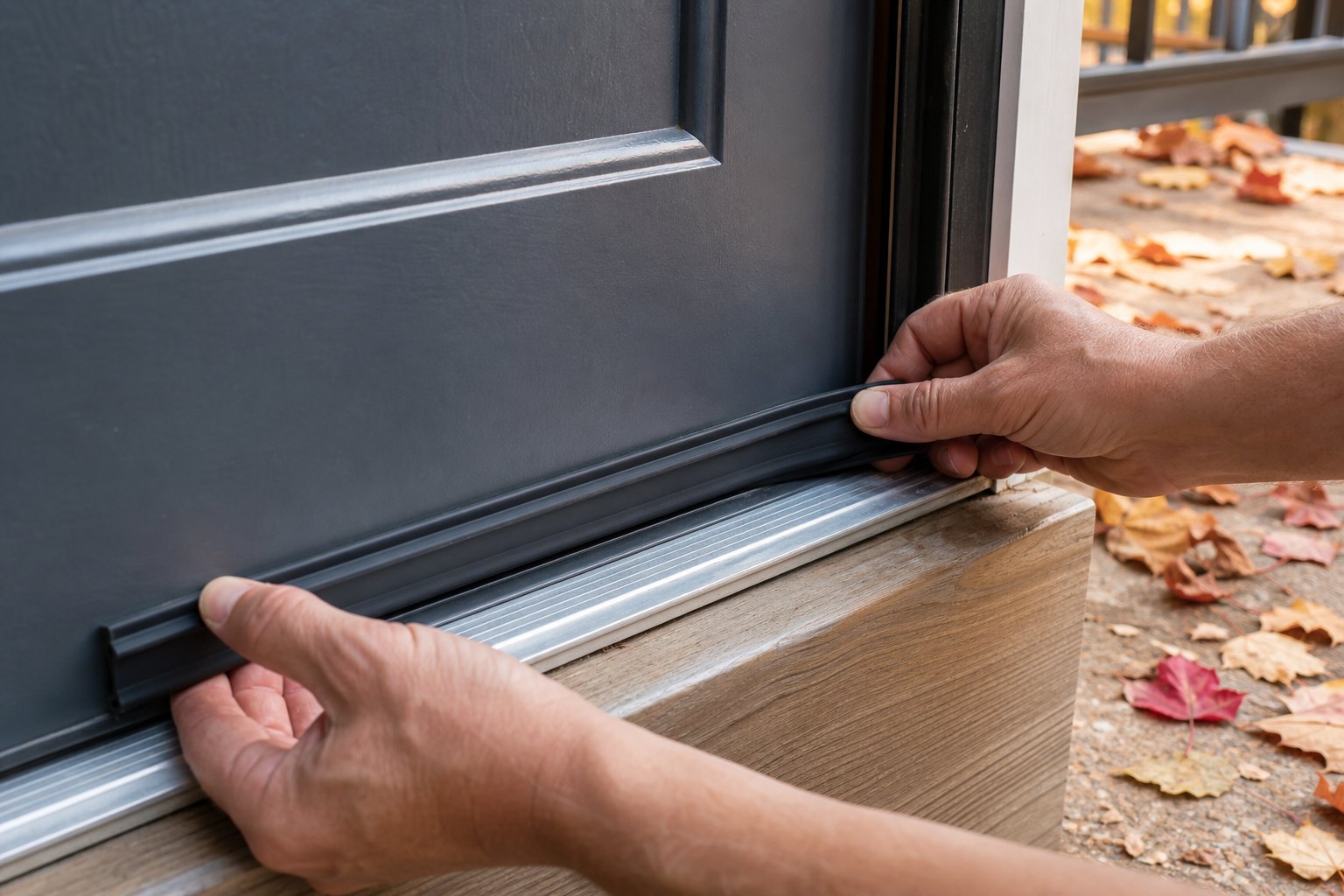
- Inspect and replace worn garage door seals, the most common rodent entry on North Texas homes
- Screen attic vents and check that soffit and gable vents are intact
- Seal gaps around pipes, cables, and AC line penetrations with rodent-resistant material
- Trim tree limbs back from the roofline to cut off roof rat highways
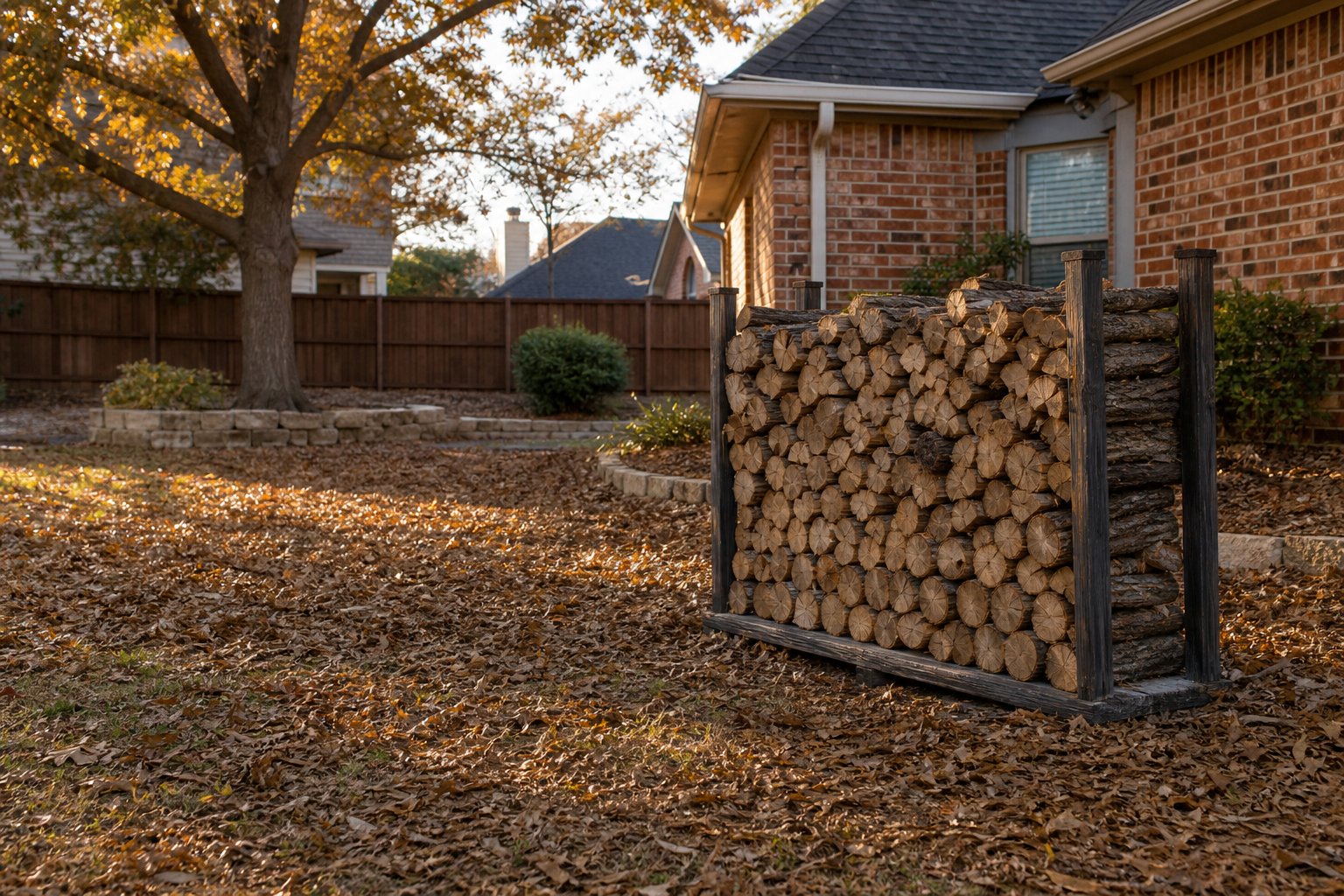
- Clear leaf piles and stacked wood away from the foundation
- Check weep holes and install pest-resistant weep hole covers where needed
- Store garage and attic boxes off the floor and sealed, not open-topped
- Schedule a fall perimeter treatment before the first freeze, not after
Timing each task is easier when you can see the whole season at a glance; our month-by-month pest calendar for North Texas shows when rodent pressure climbs and when the overwintering push begins.
What a Fall Service Visit Covers
A fall visit from Trees Hurt Too Inc. is aimed squarely at the winter ahead. Your technician treats the exterior perimeter while overwintering pests are still outside and inspects the routes rodents use to get in:
- Garage door seals, door thresholds, and weep holes along the foundation
- Rooflines, soffit gaps, and attic vent screens that roof rats reach from tree limbs
- Utility and AC line penetrations, the favorite highways of mice
- Mulch beds, leaf litter, and wood piles that shelter overwintering insects near the slab
- Monitoring stations, checked and refreshed for homes on rodent monitoring service
Interior treatment is included on request with every plan, and the quarterly inspection doubles as an early-warning system. Fresh droppings, gnaw marks, or a starter nest found in October is a winter problem prevented before it starts.
Plus and Premium Plans Carry You Through Winter
Mice and rat coverage is the reason fall is the season most homeowners upgrade their protection. Our base Pest Package, starting at $47 per month, covers the year-round insect lineup: ants, roaches, crickets, spiders, silverfish, earwigs, and wasps. The Pest Package Plus, starting at $67 per month, adds coverage for mice and rats along with yard treatment and fire ant control, which makes it the natural fit for the rodent season ahead. The Premium plan, starting at $77 per month, builds on Plus with mosquito control, flea and tick service, and carpenter ant coverage.
Every tier includes quarterly exterior service, interior treatment on request, a quarterly inspection, and free callbacks between visits. Enrolling in the fall means your service schedule lines up with the seasons that matter most: protection in place before the freeze, a winter visit while rodents are pressing hardest, and a spring visit waiting when everything wakes back up. Take a few minutes to enroll in a membership before the first freeze and let the plan do the remembering for you.
Frequently Asked Questions: Fall Pest-Proofing in North Texas
1. When should fall pest-proofing be done in North Texas?
The best window is early to mid fall, after the first cool fronts arrive but before the first freeze. Sealing and treating during that stretch catches rodents and overwintering insects while they are still outside looking in.
2. What size gap can a mouse actually fit through?
A gap roughly the size of a dime is enough for a mouse, and a rat can manage a quarter-sized opening. This is why exclusion work focuses on small, easy-to-miss openings like weep holes, garage door corners, and utility penetrations.
3. Are rodents really that common in Tarrant County neighborhoods?
Yes. Established neighborhoods with mature trees, fences, and irrigated landscapes support steady rodent populations year-round. Fall is simply when cooling weather turns that outdoor population toward houses.
4. What are the first signs rodents have moved in?
Scratching or scurrying sounds at night, droppings along walls and in cabinets, gnaw marks on stored boxes or wiring, and a musky odor in enclosed spaces are the usual early signs. Any one of them is worth a prompt inspection.
5. Does sealing the house replace treatment?
Sealing and treatment work together. Exclusion closes the openings, treatment manages the insect pressure at the perimeter, and monitoring confirms nothing slipped through. Skipping any one of the three leaves a gap in the plan.
6. Which membership plan covers mice and rats?
Mice and rat coverage is included in the Pest Package Plus, starting at $67 per month, and in the Premium plan, starting at $77 per month. The base Pest Package covers the insect lineup and can be upgraded at any time.
7. Do overwintering pests cause damage during winter?
Most overwintering insects are quiet houseguests, but rodents are not: they gnaw wiring, tear insulation, and contaminate stored items. Keeping rodents out is the single most valuable piece of fall pest-proofing.
Helpful Links:
Seal It, Treat It, and Sleep Well All Winter
Trees Hurt Too Inc. has served Fort Worth and surrounding Tarrant County for over 28 years, and fall is the season where a little preparation saves an entire winter of trouble. A quick inspection now tells you exactly where your home stands.
Call: (972) 521-1552 | Text: (972) 521-1552 or request your free, no-obligation quote today.